Railroad Ballast Delivery in Vancouver WA
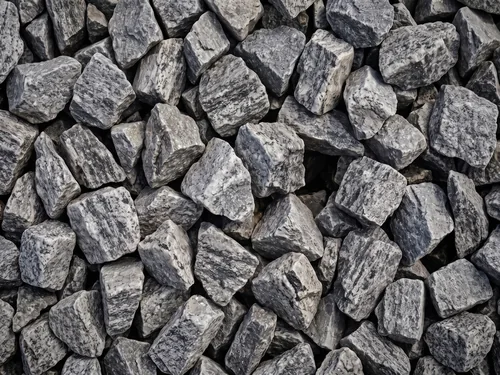
Bulk railroad ballast delivered in Vancouver, WA. Stone size 2 - 3. Gray color.
Why Choose Railroad Ballast in Vancouver
Railroad ballast delivery in Vancouver, WA has become a trusted choice for homeowners and contractors who need a dependable stone foundation. With a population around 190,000 and proximity to Portland just 15 miles away, the Vancouver area sees steady demand for materials that hold their own under weight and traffic. The gray, angular stone is designed for stability, and its proven track record in railroad construction translates directly to residential and commercial success.
Unlike river gravel or pea stone, railroad ballast resists settling and shifting. The 2 to 3 inch chips are angular by design, meaning they lock together through friction rather than rolling past one another. This is why railroad crews have relied on ballast for over a century to keep tracks firmly in place. That same principle applies to your driveway, foundation, or landscape border.
Best Uses in This City
Vancouver's mix of established neighborhoods and growing construction keeps ballast in steady demand. Homeowners use it as a solid base layer for driveways and parking areas, where weight and shape prevent shifting under vehicle traffic. A 2 to 3 inch depth of ballast, compacted lightly, can outlast rounded gravel by several years because the angular edges grip each other.
Landscape contractors rely on railroad ballast for retaining wall fill, especially in projects where settlement would shift the wall out of plumb. The stone's weight and angular geometry make it ideal for borders around garden beds and patios. In commercial settings, ballast serves as a foundation for sheds, storage structures, and equipment pads where any movement could cause problems.
Utility contractors and railroad-adjacent projects naturally lean on ballast for its heritage and proven performance. If you're working with railroad ties, crossing a rail line, or building anything that needs to stay absolutely solid, ballast is the traditional choice.
How to Order Delivery in Vancouver
Ordering railroad ballast is simple. Enter your ZIP code and desired tonnage on our site, and you'll see your firm price and delivery window. Orders of 3 to 7 tons arrive within 1 to 2 business days, giving you time to prepare your site. Orders of 8 to 14 tons ship same or next day, cutting your lead time in half. At 15 tons or more, delivery in Vancouver is complimentary, and your per-ton cost drops significantly.
Once you confirm your order, it moves into our dispatch queue. Your ballast is loaded and routed to your address with a delivery window you can rely on. Most customers find the process straightforward, from quote to delivery in days rather than weeks.
Calculating Your Tonnage
To know how much ballast you need, measure the length and width of your project area in feet, then the depth you want in inches. The formula is length multiplied by width multiplied by depth, divided by 324. This gives you the tonnage. A driveway 20 feet long and 10 feet wide at 2 inches deep needs roughly 1.2 tons of stone. A larger area, say 40 by 20 feet at 3 inches deep, requires about 7.4 tons.
When in doubt, slightly overestimate and keep extra material on hand. Ballast stores indefinitely, and future projects will use it. Try the calculator to verify your estimate and confirm the quantity you need before checkout.
Pricing by Tonnage Tier
Pricing for railroad ballast in Vancouver is straightforward and based on quantity. Orders of 3 tons come with a delivery charge because of the small load. Orders of 8 tons reduce the per-ton price and the delivery fee, making the total cost per ton lower. The real shift happens at 15 tons, where the per-ton rate becomes the bulk floor price and delivery becomes free. All prices are delivered to your ZIP code, so your quoted price is your final cost at delivery.
Ordering and Support
When you're ready to order, simply plug in your ZIP and tonnage to see pricing and availability. Confirm, and your ballast moves into the delivery schedule. Our logistics team manages timing and ensures your stone arrives ready to work. If you have questions about your project or want advice on how much material to order, reach out to our team. For broader information about applications and material sourcing, check out our Railroad Ballast in Washington resource page.
About Railroad Ballast
Railroad ballast is a coarse, angular aggregate traditionally used as a foundation layer under railroad tracks. The 2 to 3 inch stone chips are naturally gray and sourced from crushed rock, providing excellent weight and stability for any project that demands a solid, immobile base.
The defining characteristic of railroad ballast is its angular shape. Unlike rounded river gravel, the jagged edges of ballast chips interlock with their neighbors through friction, creating a naturally locked base that resists movement under load. This is the same principle that has kept railroad tracks stable for over a century, and it applies equally to driveways, foundations, and landscape features in residential and commercial settings.
For homeowners, railroad ballast excels as a driveway base, especially under asphalt overlay. For contractors, it serves retaining walls, foundation pads, and utility projects where settlement is unacceptable. The 2 to 3 inch size resists compaction and consolidation better than smaller stone, so it holds its position longer under foot traffic or vehicle weight. Whether you're stabilizing a residential lot or preparing a commercial foundation, ballast delivers the dependability that the railroad industry has relied on for generations.
What Railroad Ballast costs in Vancouver
Around Vancouver, railroad ballast is quoted by the ton with delivery layered in based on distance from the closest yard. Send your ZIP and load size and we will send back a same-hour quote with the truck rate and the per-ton figure spelled out. Plan on roughly 74 sq ft of coverage per ton at 3 inches deep, which puts a single-car driveway in the 5 to 9 ton bracket.
How crews use Railroad Ballast in Vancouver
Vancouver contractors keep railroad ballast on the order sheet for a short list of standard installs. Local Vancouver orders cluster around the partial-truck range, with full loads booked for paving prep and base courses.
Delivery day in Vancouver
Delivery in Vancouver runs out of the nearest pit; you get a two hour arrival window the evening prior and a call when the driver leaves the scale. Plan for 12 ft of clear path for a tandem and 14 ft for a tri-axle, plus a level area at the dump point so the bed lifts straight. Standard lead time on this lane is 24-48h, with same-day windows held open for orders that hit the desk before 11 AM and clear payment.
Related materials we deliver in Vancouver
 Price by ZIP
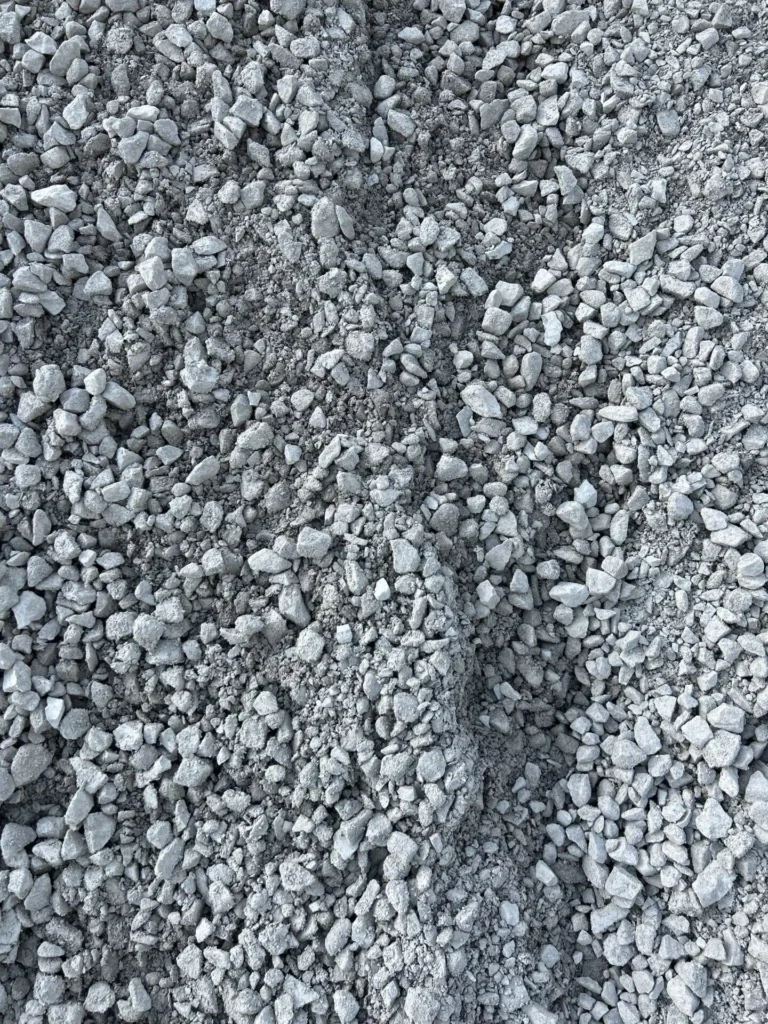
- SizeDense-graded, varies
- Density2850 lb/yd³
- ColorGray
Price by ZIP- SizeDense-graded, varies
- Density2900 lb/yd³
- ColorGray
 Price by ZIP
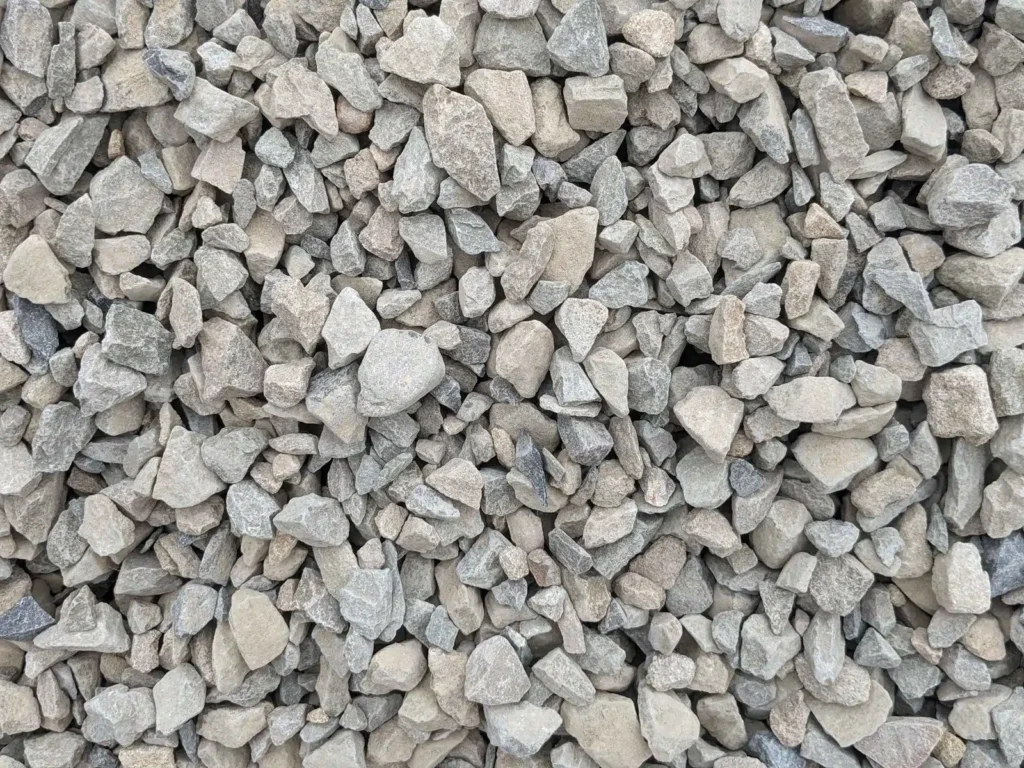
- Size0 - 1/4″
- Density2800 lb/yd³
- ColorGray
Estimate how much you need
Calculate Your Project
Estimate only. Add 10-15% for compaction and waste.
Browse more
Common uses for Railroad Ballast in Vancouver
Available in nearby cities
Plan your project
Related guides
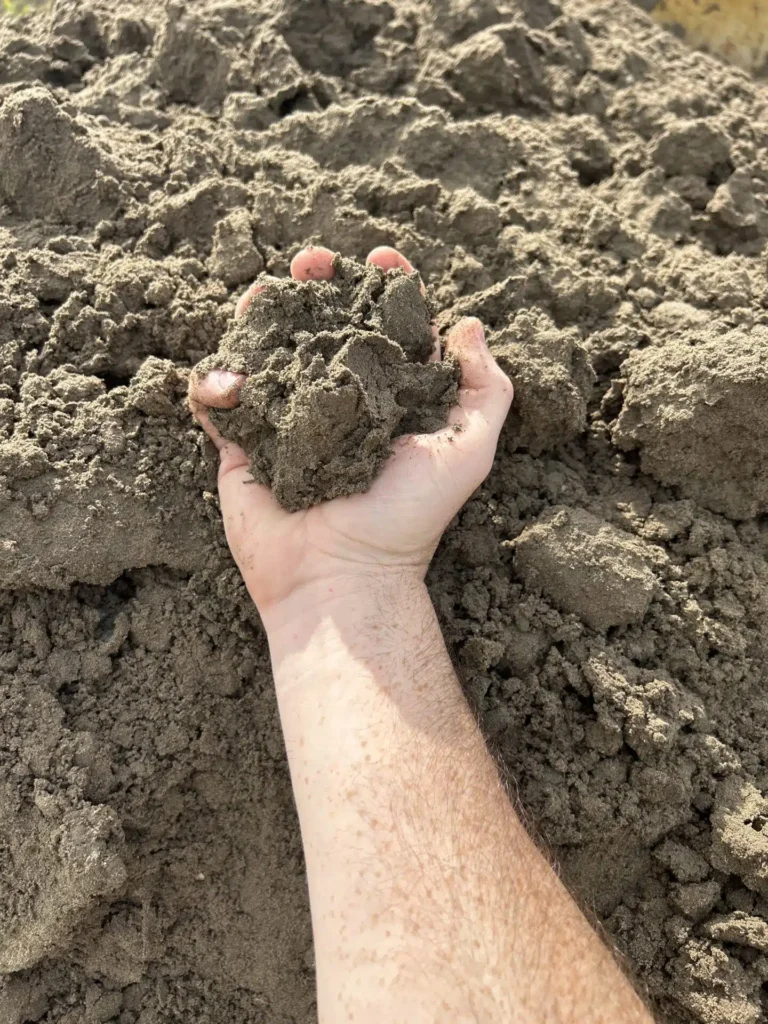 GUIDEWhat Is #57 Stone? Uses, Size, and Cost ExplainedPractical, field-tested guide: what is 57 stone. Pulled from real US installer notes and 2026 supplier price data.Read guide →
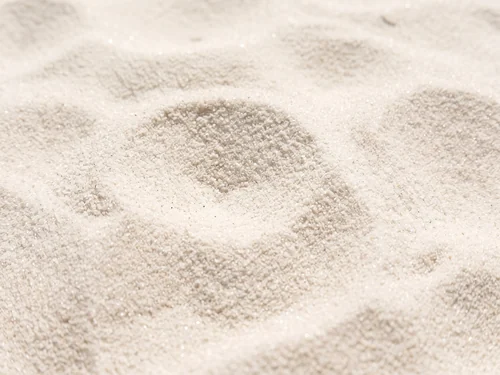 GUIDEHow Deep Should a Gravel Driveway Be? Layer GuidePractical, field-tested guide: how deep should gravel driveway be. Pulled from real US installer notes and 2026 supplier price data.Read guide →
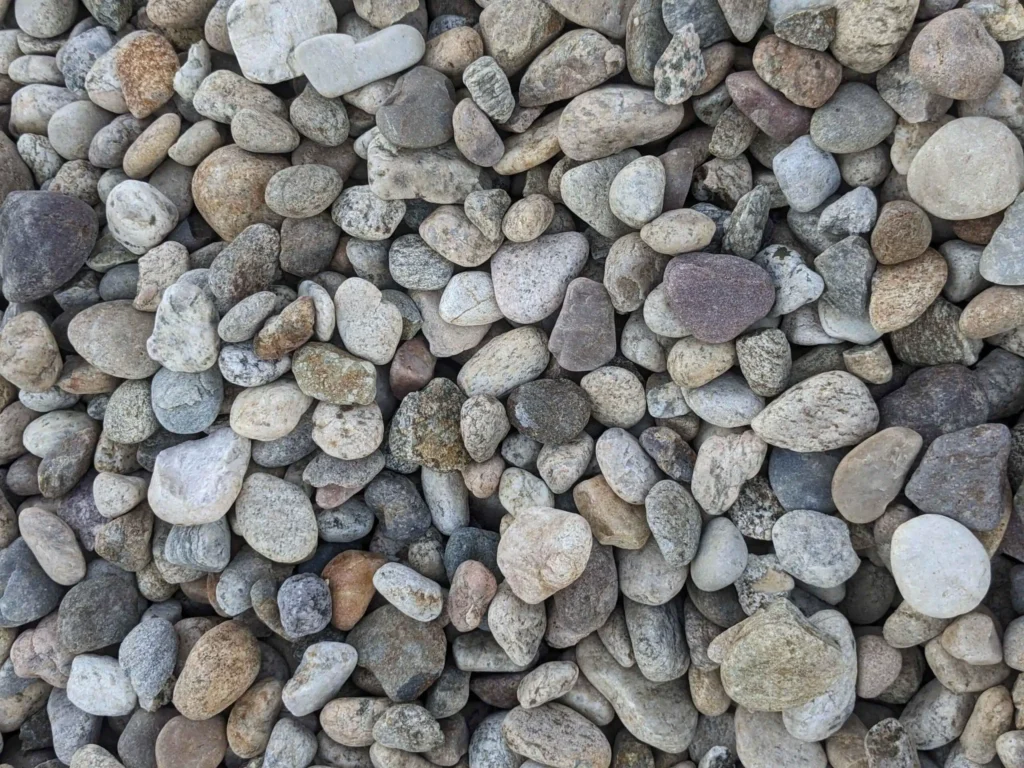 GUIDEHow Much Does River Rock Cost? By Ton or YardRiver rock cost depends on your ZIP code, order size, and whether you buy by the ton or the cubic yard. Here is how pricing works.Read guide →
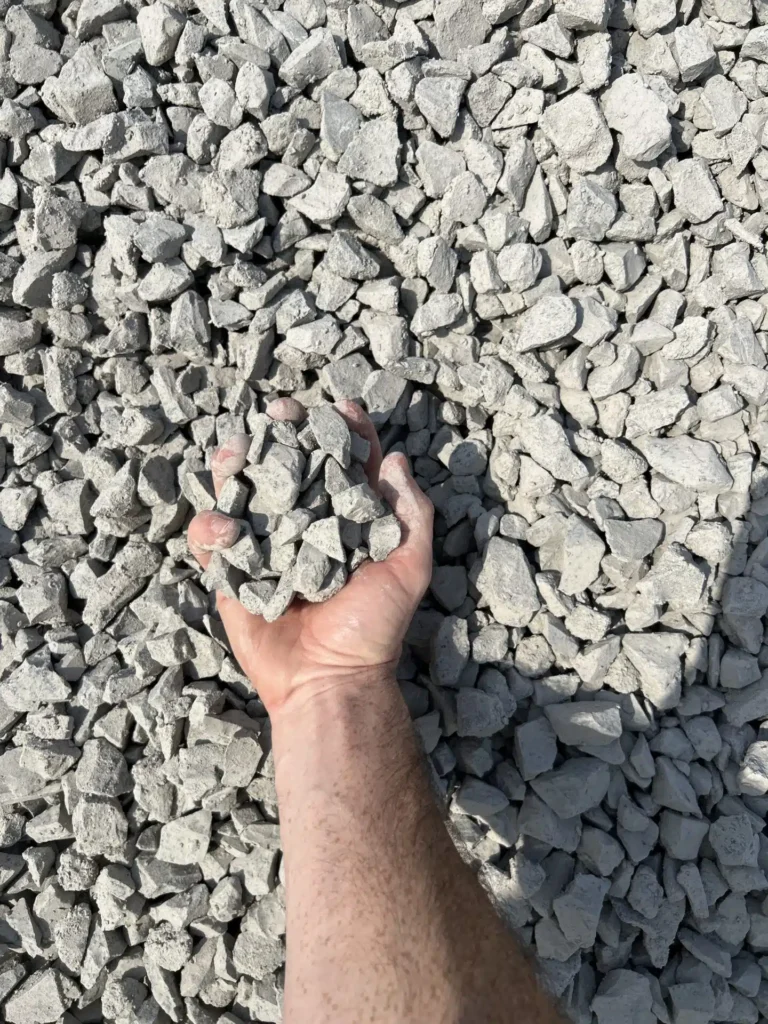 GUIDEWhat Size Crushed Stone Goes Under a Concrete SlabMost slabs need 4 to 6 inches of compacted crushed stone underneath. What size crushed stone under a concrete slab needs, and why it matters.Read guide →
Frequently Asked Questions
What is the difference between railroad ballast and gravel?
Railroad ballast is larger and significantly more angular than most gravel products. The 2 to 3 inch chips lock together through friction, while gravel often rounds smooth and shifts over time. Ballast resists compaction and movement far better than rounder aggregates, which is why it's preferred for bases and borders.
Can I use railroad ballast for a driveway?
Absolutely. Ballast makes an excellent driveway base, especially under asphalt or gravel overlay. Spread 2 to 3 inches deep and compact lightly, and the angular stone will stay put for years. It handles vehicle weight far better than rounder aggregates and won't settle as quickly.
How much does delivery cost in Vancouver?
Delivery pricing depends on tonnage. In the Vancouver area, railroad ballast orders of 3 to 7 tons include a delivery charge. Orders of 8 to 14 tons have a lower per-ton price and reduced delivery fee. For railroad ballast orders to Vancouver, Washington, delivery is completely free at 15 tons or more. Your final price is calculated by ZIP code at checkout.
Is railroad ballast the same as rock ballast?
The terms overlap significantly. Railroad ballast specifically refers to stone used under tracks, while rock ballast is a broader category. Both are angular aggregates of similar size and performance characteristics. For railroad work or driveways, they behave identically.
Do I need to compact railroad ballast?
Minimal compaction is needed because the angular shape allows natural settling. A light pass with a plate compactor or hand tamping will settle the stone and tighten the base. The jagged edges lock automatically, so heavy equipment is rarely required.
What projects work best with ballast?
Driveway bases, retaining wall fill, railroad tie borders, landscape edging, and foundation pads all benefit from ballast. Any project where the ground must remain firm and resist settling is a good fit. The larger size and angular shape make it ideal for load-bearing layers.
How is railroad ballast sold?
Railroad ballast is sold by the ton, with pricing per ton. All quoted prices include delivery to your ZIP code. Whether you order 3 tons or 20 tons, the per-ton rate adjusts based on the tonnage tier, and your bill reflects the delivered cost.
Will railroad ballast hold together on a slope?
The angular shape provides good grip on moderate slopes. For grades under 15 degrees, ballast stays in place well without additional edging. Very steep slopes may need a retaining border or landscape fabric to prevent stone migration.