
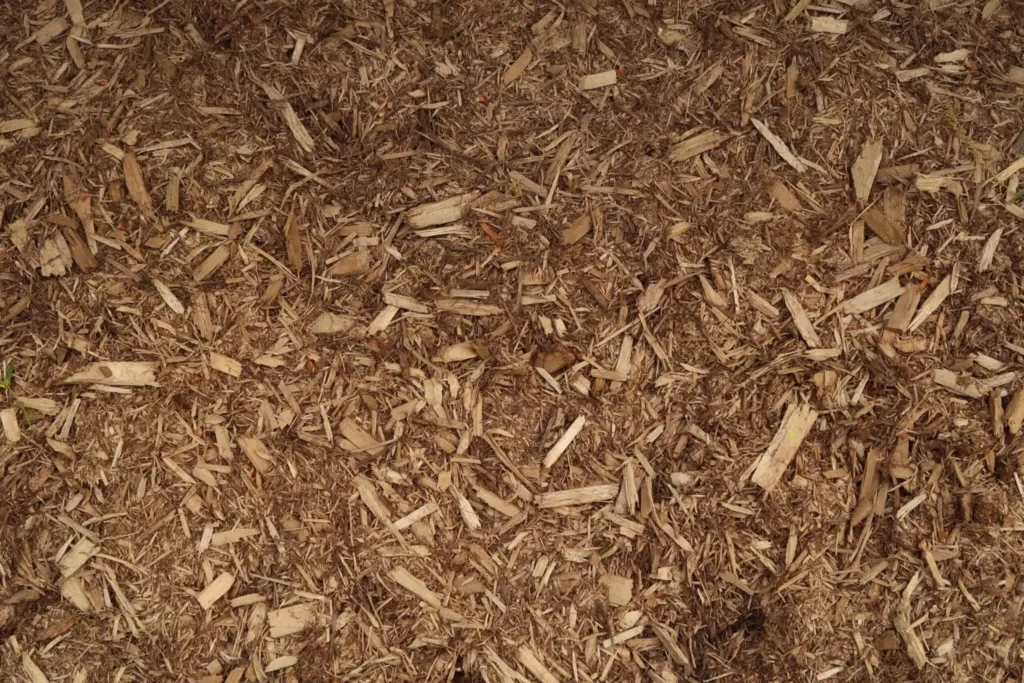
Mulch Calculator
Quickly estimate cubic yards, tons, and material cost for your Mulch project. Adjust the inputs below and the result updates in real time.
Calculate Your Project
Estimate only. Add 10-15% for compaction and waste.

How this calculator works
Cubic yards = (area sq ft × depth in ÷ 12) ÷ 27
Tons = cubic yards × density × 27 ÷ 2000
Estimated price = tons × price per ton
Free Mulch Calculator - enter your area in square feet and depth in inches and get instant tons, cubic yards, and an estimated material cost.
Built for US contractors and DIY homeowners. Densities updated to reflect 2026 quarry stockpile measurements.
What the mulch calculator computes
The mulch calculator computes cubic yards of mulch needed to cover landscape bed area at a specified depth. Inputs are bed area in square feet and finished depth in inches. Output is cubic yards. Mulch is light (about 800 lb per cubic yard for shredded hardwood), so the ton number matters less than for aggregate products; cubic yards is the unit suppliers quote.
The standard mulch depth is 3 inches for established beds. One cubic yard covers 108 square feet at 3 inches deep, 81 square feet at 4 inches deep, 162 square feet at 2 inches deep. A typical front-yard landscape bed at 200 to 400 square feet needs 2 to 4 yards of mulch. Order 25 percent overage; mulch settles roughly 25 percent in the first month after installation, and you will want a top-up of about a third of the original depth annually.
Mulch grades and color choices
Three primary grades cover most landscape mulch needs. Natural shredded Hardwood Mulch is the traditional choice: tan to medium brown color when fresh, weathers to silver gray over 8 to 12 months. It is the most affordable grade ($57 to $464 per yard delivered) and the most common pick for residential beds.
Black Shredded Mulch is hardwood dyed with iron oxide pigment. The deep black color holds for 6 to 9 months before weathering, providing strong visual contrast against green foliage. It costs $57 to $464 per yard, roughly 30 percent more than natural hardwood. Front-yard beds where curb appeal matters often use the dyed version.
Brown Shredded Mulch is hardwood dyed with brown iron oxide for a richer, longer-holding brown than natural hardwood produces. Same price range as black ($57 to $464 per yard). The "designer" choice for landscape architects working on professional installs.
All three grades use food-safe iron oxide pigments and are safe for vegetable gardens, edible landscape plantings, and pet areas. The dye transfers to skin and clothing during installation, so wear gloves and old clothes the day of install.
Application depth and the mulch volcano problem
Three inches is the sweet spot for mulch depth in most beds. Deep enough to suppress weed germination (90 percent reduction at 3 inches versus bare soil), retain soil moisture (cuts evaporation by 70 percent), and moderate soil temperature. Shallow enough that water and air still reach plant roots underneath.
Less than 2 inches and weeds push through within weeks. More than 4 inches and the mulch starts to mat at the bottom layer, holding excess moisture and creating root rot conditions around perennials. Stick to 3 inches as the standard.
The exception is around tree trunks: the "mulch volcano" piled against the trunk is a tree killer. Pile mulch 4 to 6 inches deep in a ring around the tree but keep a 3 to 4 inch ring of bare soil around the trunk itself. The trunk needs air contact to maintain bark health; trapped moisture against the bark invites rot and rodent damage.
Edging, weed barrier, and install sequence
Before mulching, edge the bed with a spade-cut or installed metal edging. The defined edge keeps the mulch in the bed and out of the lawn or walkway. Without edging, mulch migrates onto the lawn during heavy rain, where it ends up in the mower blade and as scattered fragments across the grass.
The weed barrier question is contested. For ornamental shrub and perennial beds, a 4 to 6 ounce woven landscape fabric under the mulch provides additional weed suppression but blocks root penetration and limits soil-to-mulch nutrient exchange. The argument for fabric: lower weed pressure over time. The argument against: harder to plant new shrubs into the bed later, fabric eventually emerges through the mulch as it settles.
For vegetable gardens, skip the fabric. Vegetables need soil access through the mulch layer, and the fabric actively interferes with planting. Use mulch only.
The install sequence: pull existing weeds (mulch suppresses germination but does not kill established weeds), edge the bed, apply fabric if using, spread mulch with a rake to a uniform 3 inch depth, pull mulch 2 inches back from plant stems and tree trunks to maintain air gap. A 3 yard delivery typically takes 2 to 3 hours to install with a wheelbarrow and rake.
Refresh schedule and pricing
Natural Hardwood Mulch fades to silver-gray at 6 to 9 months and needs a 1 inch top-up (about a third of the original depth) annually to maintain weed suppression and depth. Dyed mulches hold color for 6 to 12 months in full sun and longer in shaded areas; plan an annual top-up before the color loss becomes visible from the street.
$57 to $464 per yard, Black Shredded Mulch and Brown Shredded Mulch $57 to $464 per yard delivered. For a typical residential install of 3 yards at the 3 inch standard depth, total cost runs $85 to $175 for materials. Same-day delivery before 11 AM with 1 to 2 day lead times.
One tandem-axle truck holds about 25 yards of mulch (mulch is much lighter than aggregate, so the truck capacity is volume-limited rather than weight-limited). Bulk orders for HOAs, multiple-house installs, or contractors get significant per-yard discounts above 10 yard orders. For residential single-house installs, plan to spread the mulch the day of delivery; mulch sitting on a driveway in heat starts breaking down and gets messy by week two.
Mulch decomposition and composting timeline
Mulch is a temporary product. Hardwood Mulch breaks down at the bottom layer in 12 to 18 months, becoming a thin compost layer that enriches the soil beneath. The visible surface refreshes annually as new mulch is added on top. Over 5 to 7 years, the original mulch is fully composted into the soil and replaced by layers of newer mulch above.
This is generally a good thing. Decomposed mulch feeds soil microbes, improves soil structure, and slowly releases nutrients to plants. But it does mean that the volume of mulch you spread shrinks over the year as decomposition happens. The annual top-up is partly to restore depth lost to decomposition, not just to refresh color.
Dyed mulches decompose at the same rate as natural Hardwood Mulch; the iron oxide dye does not affect the wood biology underneath. The dye fades over months while the wood persists for the full 12 to 18 month decomposition window.
For homeowners wanting to recycle yard waste into mulch, a chipper-shredder ($300 to $1,200 rental or purchase) turns pruned branches into rough hardwood mulch. The output is coarser than commercial mulch but reads similar in beds. Plan on a 70 percent volume yield from raw branches (3 yards of branches makes about 2 yards of chip).
Materials this calculator covers
Other calculators
CALCULATORGround Cover Mulch CalculatorBagged or bulk mulch estimator for landscape beds. 2-3" depth recommended.Open calculator → CALCULATORPea Gravel CalculatorUse this pea gravel calculator to turn length, width and depth into cubic yards, then into the tons of Pea Gravel to order.Open calculator →
 CALCULATORSeptic Field Aggregate CalculatorEstimate drain rock for a septic leach field. Includes lateral spacing math.Open calculator →
 CALCULATORRetaining Wall Backfill CalcCalculate the backfill aggregate needed behind a stone or block retaining wall.Open calculator →
Related guides
 GUIDEWhat Are Screenings? A Guide to Crushed Stone FinesScreenings are fine crushed stone used for paver bases, joint fill and walkways. See what screenings are, common types, and mistakes to avoid.Read guide →
 GUIDEWhat to Put Under River Rock for Landscaping BedsHere is what to put under river rock landscaping: a compacted base where needed, then landscape fabric, then rock, to stop weeds and settling.Read guide →GUIDEHow to Clean River Rock and Restore Its ColorLearn how to clean river rock landscaping with rinsing, soap and vinegar methods, plus common mistakes to avoid for a brighter, longer lasting rock bed.Read guide →
 GUIDEHow to Lay a Gravel Driveway: Step-by-Step GuidePractical, field-tested guide: how to lay gravel driveway. Pulled from real US installer notes and 2026 supplier price data.Read guide →
Frequently Asked Questions
How does this calculator work?
Enter your area in square feet and depth in inches. We convert to cubic yards, multiply by density to get weight, and divide by 2,000 to get tons.
What if I don't know the depth?
Driveways: 4 inches. Patios: 2-3 inches. Drainage trenches: 6-12 inches. Decorative beds: 2 inches over fabric.
Why are tons and yards different?
Cubic yards measure volume; tons measure weight. Density (lbs per cubic foot) is the conversion factor - heavier rock means more tons per yard.
How accurate is the estimate?
Within 10% for typical residential jobs. Always order a little extra (5-10%) to cover compaction, spillage, and edge waste.
Does the price include delivery?
The calculator shows material cost only. Delivery fees vary by distance and load size - get a real quote for a delivered total.
Can I use this for mulch or topsoil?
Use the dedicated mulch or topsoil calculator - densities differ from gravel, and the math changes.
What's the standard truck load size?
Tandem dump trucks haul about 15 tons or 10 cubic yards. Smaller 5-yard trucks are available for tight access.
Should I round up the order?
Yes - round up to the nearest half-ton or full yard. The price-per-ton drops on larger orders.