Crushed Concrete Calculator
Quickly estimate cubic yards, tons, and material cost for your Crushed Concrete project. Adjust the inputs below and the result updates in real time.
Calculate Your Project
Estimate only. Add 10-15% for compaction and waste.
How this calculator works
The calculator starts with volume: length in feet times width in feet times depth in inches, divided by 324, gives cubic yards. From there it switches to weight, since crushed concrete has a density of about 92.6 pounds per cubic foot, which comes to roughly 2,500 pounds per cubic yard. Dividing that by 2,000 pounds, the weight of one ton, gives a factor of about 1.25 tons per cubic yard. The calculator multiplies your cubic yard total by 1.25 to produce the final tons figure, rounding up slightly so you are not left short once the material is spread and compacted on site.
This crushed concrete calculator turns three simple measurements, length, width and depth, into the number of tons to order. Crushed concrete is sold by the ton, not the cubic yard, so getting the conversion right before you call in an order keeps you from coming up short or paying for material you never use. The math is the same whether you are figuring a small patch job or a large lot, only the totals change.
What This Crushed Concrete Calculator Computes
Enter the length and width of the area in feet and the depth in inches. The calculator first finds the volume in cubic yards using length times width times depth divided by 324, the standard conversion factor for turning square footage and inches of depth into cubic yards. It then converts that volume figure into tons using the material's density, since Crushed Concrete is ordered and priced by weight, not by volume. Working in tons from the start means the number on the calculator matches the number on your order.
Density and the Yards to Tons Conversion for Crushed Concrete
Crushed concrete weighs about 92.6 pounds per cubic foot. Multiplied across a full cubic yard, that works out to roughly 2,500 pounds per cubic yard. Since one ton equals 2,000 pounds, a cubic yard of crushed concrete comes to about 1.25 tons. That factor is what the calculator applies once it has your volume: cubic yards multiplied by 1.25 gives you the tons to order. If you are working with more than one material on a job and want to run that same yards to tons math for something else, the cubic yards to tons converter, once you plug in your numbers, handles any material's density in one place, so you are not reworking the formula by hand each time.
Depth Guidance for This Material
Depth is the number most people guess wrong, and it changes the ton total more than length or width does because it is measured in inches while the other two are measured in feet. A thin surface layer might run 2 to 3 inches deep, while a compacted base layer under other material commonly runs 4 to 6 inches. Measure depth at a few points across the area if the ground is uneven and use the average, since a shallow spot and a deep spot rarely balance out evenly once you start spreading and compacting. A quarter inch of error across a large area adds up to real tonnage by the time you reach the total.
Ordering Tips and Overage for Crushed Concrete
Crushed concrete settles and compacts once it is spread and driven or walked over, so the loose volume you calculate is not exactly what ends up in the ground. Adding roughly 10 percent to the calculator's ton total covers that settling along with an irregular edge or a low spot you did not measure. Round up to the nearest half ton rather than ordering the bare minimum, since a second delivery for a small shortfall costs more in time than a little extra material sitting on site. Keep your length, width and depth notes on hand in case you need to reorder later for a matching section.
Materials this calculator covers
Other calculators
 CALCULATORAsphalt Millings CalculatorUse this asphalt millings calculator to convert your area and depth into tons, based on the material's real density.Open calculator →
 CALCULATORCrusher Run CalculatorUse this crusher run calculator to convert length, width and depth into the tons to order, based on crusher run's real compacted density.Open calculator →
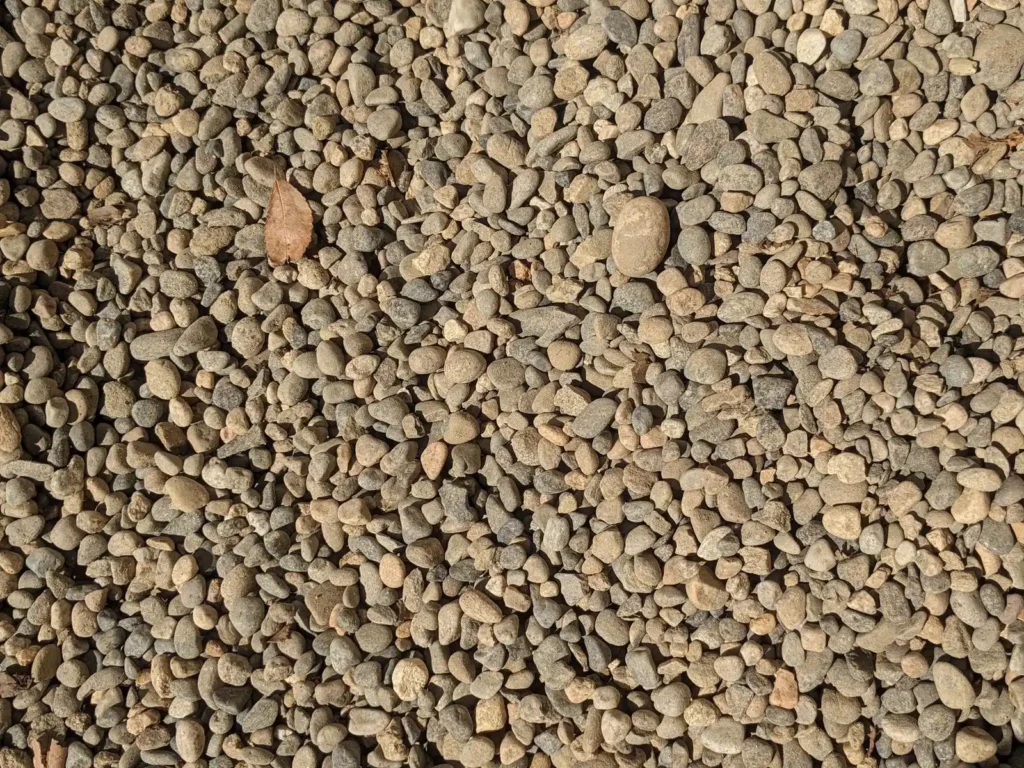 CALCULATORPea Gravel CalculatorUse this pea gravel calculator to turn length, width and depth into cubic yards, then into the tons of Pea Gravel to order.Open calculator →
 CALCULATORSeptic Field Aggregate CalculatorEstimate drain rock for a septic leach field. Includes lateral spacing math.Open calculator →
Related guides
 GUIDEHow to Lay a Gravel Driveway: Step-by-Step GuidePractical, field-tested guide: how to lay gravel driveway. Pulled from real US installer notes and 2026 supplier price data.Read guide →
 GUIDEDoes Gravel Stop Weeds? Honest Answer + What WorksPractical, field-tested guide: does gravel stop weeds. Pulled from real US installer notes and 2026 supplier price data.Read guide →
 GUIDEHow Much Gravel Do I Need? Quick Sizing GuidePractical, field-tested guide: how much gravel do i need. Pulled from real US installer notes and 2026 supplier price data.Read guide →
 GUIDEWhat Is #57 Stone? Uses, Size, and Cost ExplainedPractical, field-tested guide: what is 57 stone. Pulled from real US installer notes and 2026 supplier price data.Read guide →
Frequently Asked Questions
How much does a yard of crushed concrete weigh?
A cubic yard of crushed concrete weighs about 2,500 pounds. That comes from its density of roughly 92.6 pounds per cubic foot spread across the 27 cubic feet in a cubic yard. Since a ton is 2,000 pounds, one cubic yard works out to about 1.25 tons, which is the factor the calculator uses to convert your volume into an order weight.
How many tons of crushed concrete do I need for my project?
Multiply your area's length in feet by its width in feet by its depth in inches, then divide by 324 to get cubic yards. Multiply that number by 1.25 to get tons. The calculator on this page does that math for you once you enter length, width and depth, so you get a ton figure ready to order.
What is the density of crushed concrete?
Crushed concrete used for calculations runs about 92.6 pounds per cubic foot, or close to 2,500 pounds per cubic yard. Actual weight can shift a bit with particle size and moisture content, but this figure is a solid working number for converting a volume measurement into the tons you need to order.
How do I convert cubic yards of crushed concrete to tons?
Multiply the cubic yard figure by 1.25, since one cubic yard of crushed concrete weighs about 2,500 pounds and a ton is 2,000 pounds. If you regularly convert yards to tons for other materials too, the site's general converter applies the correct density for each one automatically instead of you tracking separate figures.
Does crushed concrete compact down after it is delivered?
Yes. Crushed concrete settles and compacts once it is spread and once vehicles or foot traffic pass over it, so the finished depth ends up somewhat less than the loose depth you started with. Ordering roughly 10 percent more than the calculator's base figure accounts for that settling without leaving you short on material.
Can I order crushed concrete by the cubic yard instead of the ton?
No. Crushed concrete is sold and delivered by the ton, so orders and pricing are always quoted in tons. If you have measured your project in cubic yards, run that figure through this calculator first so you can place your order in the correct unit and avoid confusion when the delivery arrives.