
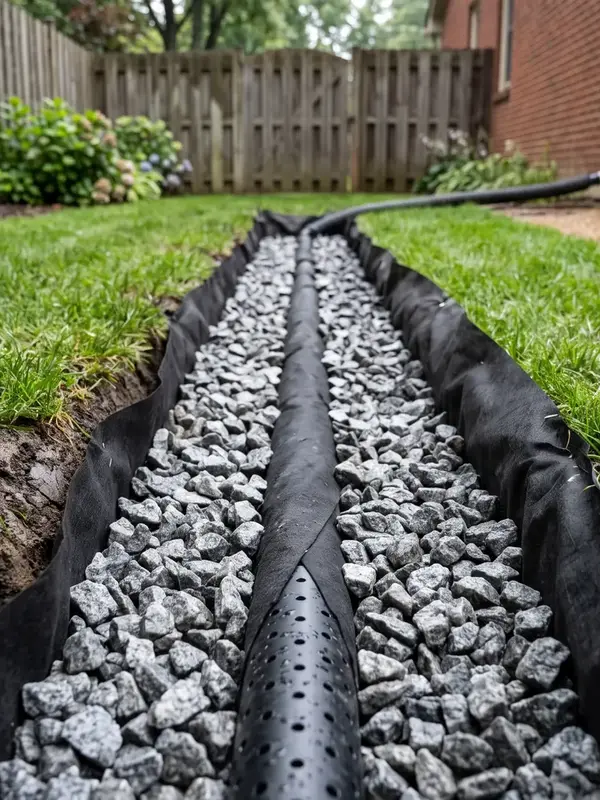
Gravel Calculator
Quickly estimate cubic yards, tons, and material cost for your #57 Crushed Stone project. Adjust the inputs below and the result updates in real time.
Work out your material
A planning figure, not a guarantee. Order roughly a tenth extra to cover settling and uneven ground.

The math behind this tool
Pick a gravel, enter the size of the job, and the tons are worked out for that material.
- Volume for any material: feet times feet times inches, divided by 324, equals cubic yards.
- Tons come from yards times the material's pounds per yard, divided by 2,000 pounds per ton.
- As a reference, #57 Crushed Stone is near 100 pounds per cubic foot, or 2,700 pounds per cubic yard. That is about 1.35 tons per yard.
Choose Pea Gravel or Driveway Gravel instead and the weight figure shifts, so the ton total updates even when yardage holds steady.
What This Gravel Calculator Computes
This gravel calculator turns a length, width, and depth into the cubic yards or tons you need to order. Enter your measurements in feet, set a depth in inches, and the calculator converts that volume to weight using the density of the material you pick. The default material is #57 Crushed Stone, a standard drainage and base material, but you can switch to a different product and the calculator adjusts the density and the result. Because most gravel orders are quoted by the ton, the calculator reports both cubic yards and tons so you can compare an order against a supplier's minimum load. Measuring an irregular bed or a curved driveway is easier if you break the area into a few simple rectangles first and run the calculator once for each, then add the ton totals together.
Depth Guidance for This Material
Depth changes the volume more than any other input, so start there. A thin drainage layer of #57 Crushed Stone sits shallow, a decorative bed of Pea Gravel is usually laid thinner still, and a compacted base course of Driveway Gravel typically goes down deeper before any top layer is added. Enter the depth in inches, not feet, since the formula converts that figure for you. The calculator multiplies length by width by depth and divides by 324 to return cubic yards, so a shallow decorative bed and a deep base course over the same footprint can call for very different totals. When a project uses more than one depth, such as a compacted base topped with a finer stone, calculate each layer on its own and keep the totals separate until you are ready to order.
Density and the Cubic Yards to Tons Conversion
#57 Crushed Stone weighs about 100 pounds per cubic foot, which works out to roughly 2,700 pounds per cubic yard. Since a ton is 2,000 pounds, one cubic yard of this material weighs about 1.35 tons. The calculator applies that ratio automatically once you enter your dimensions, so you never have to do the multiplication by hand. Weight matters because gravel is loaded and delivered by the ton, not by a volume estimate, so a ton figure that matches the calculator keeps your order accurate. If you already know your cubic yardage from a landscaper's plan and just need the ton figure, use the cubic yards to tons converter, once instead of re-entering your measurements here.
Ordering Tips and Overage
Round your measured area up before you calculate, since most yards and driveways are not perfect rectangles. Order a bit more than the calculator's exact total to cover an uneven subgrade, spillage during spreading, and settling once the material is compacted. If your project mixes a base layer of Driveway Gravel with a top dressing of a different stone, run the calculator once per layer and per material, then add the two ton figures together rather than guessing a single combined depth. Keep a copy of your inputs, length, width, depth, and material, so a reorder later matches the first delivery instead of starting the measuring over from scratch. Ordering slightly over your calculated tonnage costs less than arranging a second delivery.
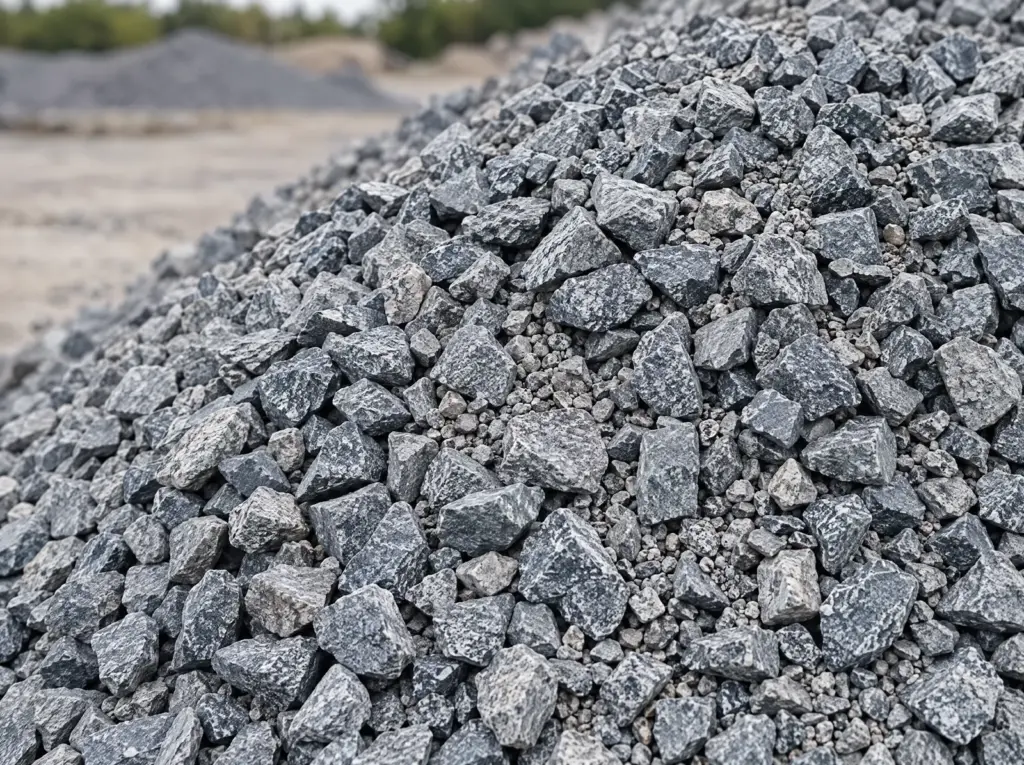
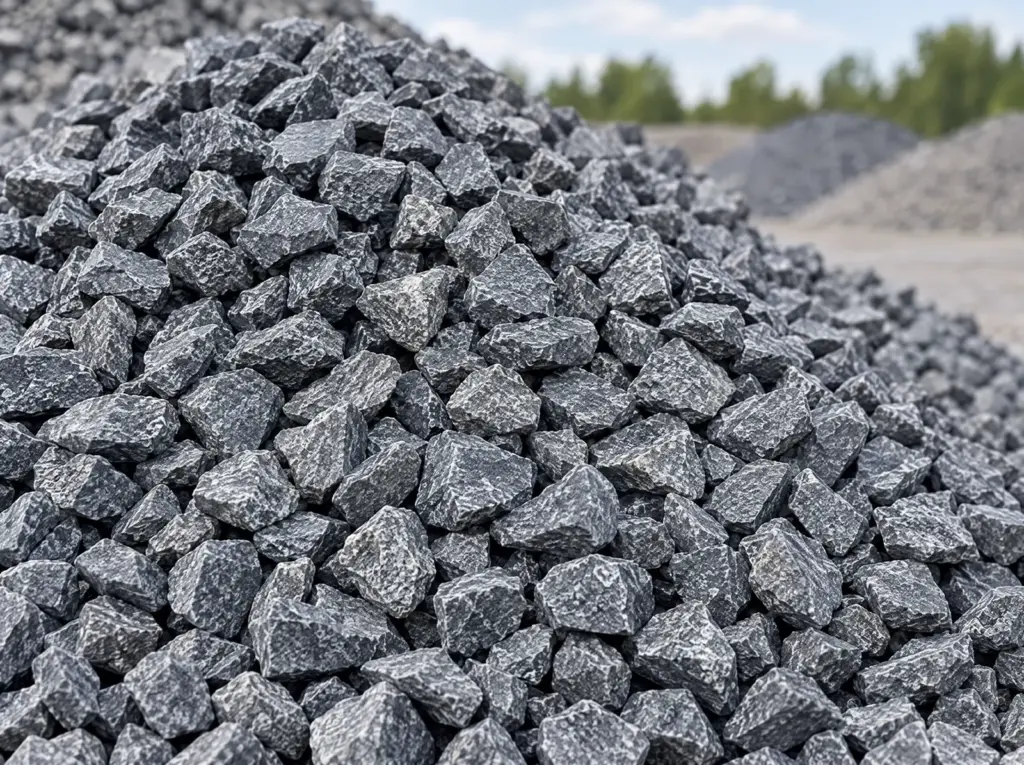
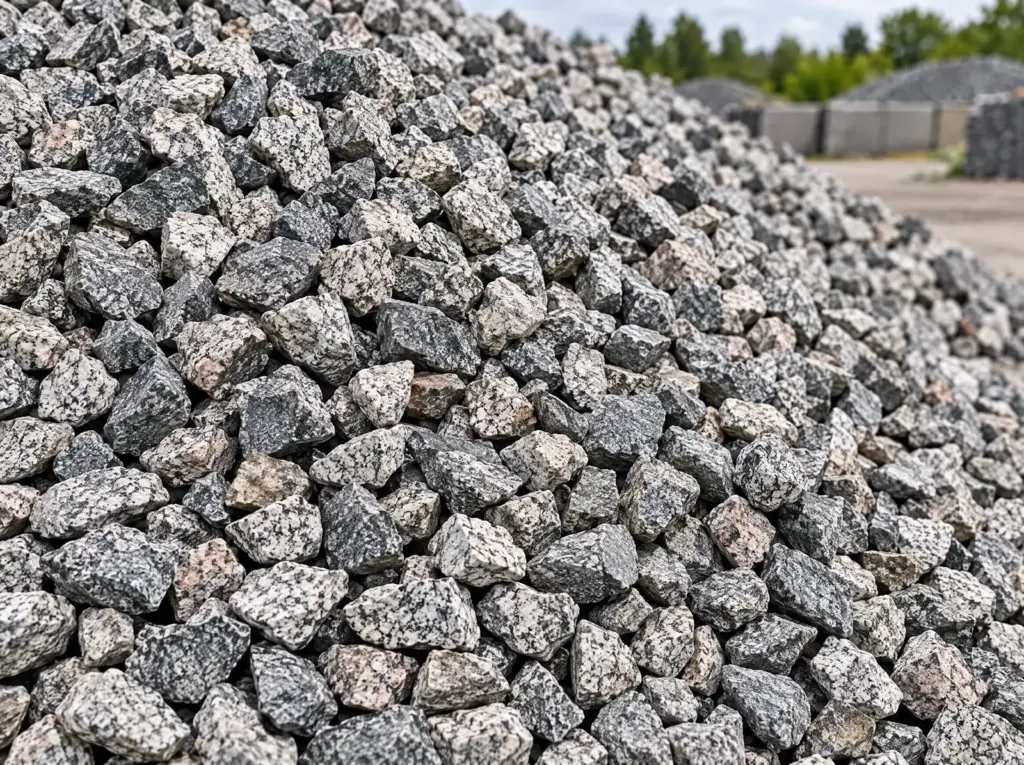
Materials this calculator covers
Other calculators
 CALCULATORGravel Driveway CalculatorFree Gravel Driveway Calculator - enter your area in square feet and depth in inches and get instant tons, cubic yards, and an estimated material cost.Open calculator →CALCULATORCrushed Stone CalculatorUse the crushed stone calculator to turn a project's length, width and depth into the tons of crushed stone to order, with the density math shown.Open calculator →
 CALCULATORCubic Yards to Tons ConverterFree Cubic Yards to Tons Converter - enter your area in square feet and depth in inches and get instant tons, cubic yards, and an estimated material cost.Open calculator →
 CALCULATORRetaining Wall Backfill CalcCalculate the backfill aggregate needed behind a stone or block retaining wall.Open calculator →
Related guides
 GUIDEHow Much Does Gravel Cost? A Practical Pricing GuideHow much does gravel cost and why does it vary? See the real factors behind ton pricing, delivery, and order size before you buy.Read guide →GUIDEWhat Size Crushed Stone Goes Under a Concrete SlabMost slabs need 4 to 6 inches of compacted crushed stone underneath. What size crushed stone under a concrete slab needs, and why it matters.Read guide →GUIDEWhat Is Crushed Stone? Sizes, Uses and Buying BasicsCrushed stone is quarried rock crushed and screened into angular pieces sold by the ton. Here is what it is, how it is graded, and where to use it.Read guide →
 GUIDEHow Much Gravel Do I Need? Quick Sizing GuidePractical, field-tested guide: how much gravel do i need. Pulled from real US installer notes and 2026 supplier price data.Read guide →
Frequently Asked Questions
How does the gravel calculator turn my measurements into tons?
It first finds volume: length in feet times width in feet times depth in inches, divided by 324, gives cubic yards. It then multiplies that figure by the selected material's weight per cubic yard and divides by 2,000, since a ton is 2,000 pounds. You get both the cubic yard total and the ton total from one set of measurements.
What density does this calculator use for #57 crushed stone?
The default material, #57 Crushed Stone, is set at about 100 pounds per cubic foot, which equals roughly 2,700 pounds per cubic yard. Dividing by 2,000 pounds puts one cubic yard of this material at about 1.35 tons. That factor is what the calculator applies once you enter your length, width, and depth.
Does the calculator work for pea gravel and driveway gravel too, or only #57 crushed stone?
Yes. The default material is #57 Crushed Stone, but you can select Pea Gravel or Driveway Gravel instead and the calculator uses that material's own density to convert your cubic yards into tons. Always confirm which material is selected before you read the ton total, since the same footprint can weigh a different amount depending on the product.
How much extra gravel should I order beyond the calculator's total?
Order a bit more than the exact number the calculator returns. Coverage areas are rarely perfect rectangles, and gravel settles once it is spread and driven over, so a small buffer keeps you from running short mid job. If you are combining a base layer with a top dressing, run the calculator once for each layer and add the results together.
What unit does the calculator use for gravel, tons or cubic yards?
The calculator reports both figures, but gravel is generally priced and delivered by the ton. Enter your length, width, and depth, and the tool converts the resulting cubic yards into tons using the density of whichever material you have selected, since different gravel products can weigh different amounts per cubic yard.
I already know my cubic yardage. Do I need to re-enter length and width?
No. If you already have a cubic yardage figure from a landscaper's plan or another source, you do not need to re-enter your dimensions here. Convert that yardage figure straight to tons using the site's separate yards to tons converter, which applies the density for whichever gravel product you choose.