
River Rock vs Mulch: Full Landscaping Comparison
Side by side on size, drainage, compaction, look, and cost. No fluff, just the numbers and the trade-offs.
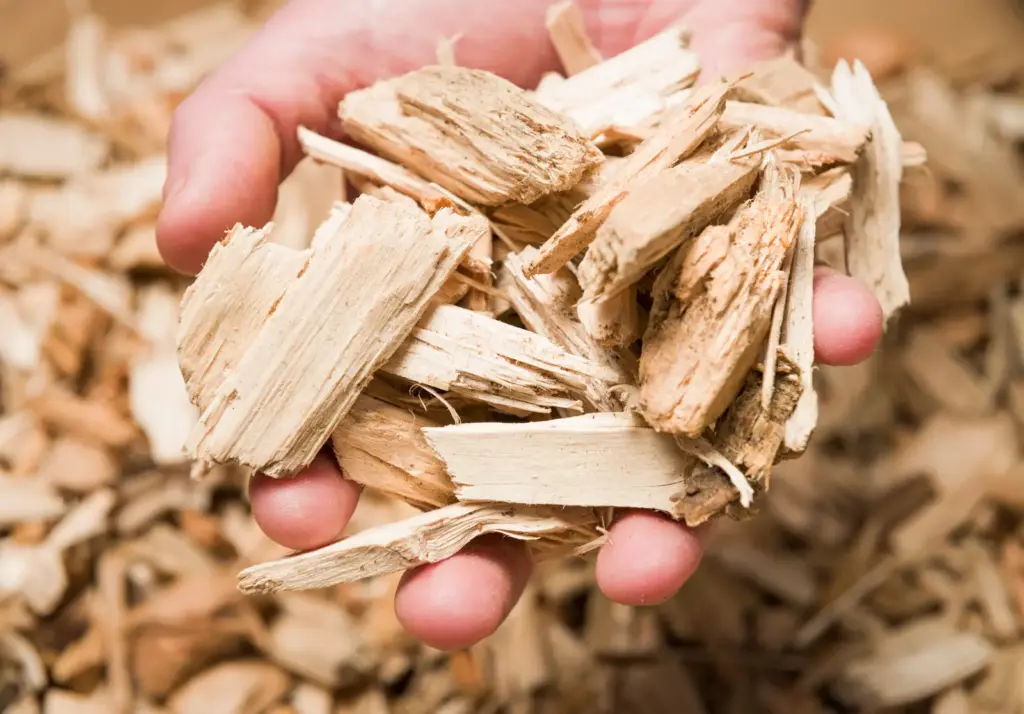
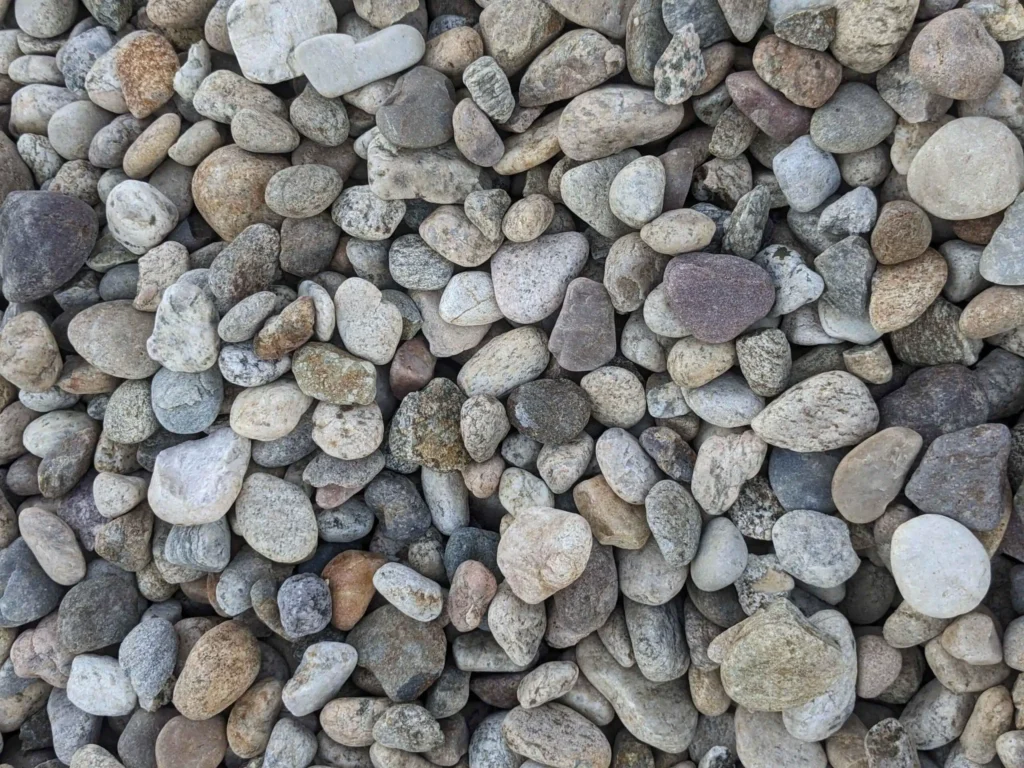
Side by side comparison
| Attribute | River Rock | Mulch |
|---|---|---|
| Typical size | Graded stone, 1 to 3 inches | Shredded or chipped, not sized like stone |
| Look and color | Mixed natural stone tones | Brown, black or red, dyed or natural |
| Drainage | Water passes straight through, no standing puddles | Holds moisture at the soil surface for plant roots |
| Compaction and stability | Dense, heavy stone that stays put underfoot | Light material that settles and compresses over a season |
| Best uses | Dry creek beds, drainage runs, high traffic paths | Planting beds, around trees and shrubs, vegetable gardens |
| Weed control and upkeep | Blocks weeds long term with occasional rinsing | Suppresses weeds while fresh, needs annual topping |
| Weight per cubic yard | About 2,700 pounds | About 800 pounds |
| Typical delivered cost | Priced and delivered by the ton | Priced and delivered by the cubic yard |
| Lifespan | Does not break down, stays in place year after year | Breaks down over time and needs periodic topping off |
Verdict
River rock and mulch side by side so you can pick the one that fits your project, whether you are planning a dry creek bed or a shaded planting bed full of shrubs.
River Rock vs Mulch at a Glance
River rock is a decorative stone in a mixed natural color range, typically graded from 1 to 3 inches, sold and delivered by the ton. Mulch is an organic ground cover in brown, black or red, sold and delivered by the cubic yard because it is much lighter and less dense than stone. That single difference, stone sold by weight and mulch sold by volume, explains most of the cost, drainage and upkeep gaps in the table below.
| Attribute | River Rock | Mulch |
|---|---|---|
| Typical size | Graded stone, 1 to 3 inches | Shredded or chipped, not sized like stone |
| Look and color | Mixed natural stone tones | Brown, black or red, dyed or natural |
| Drainage | Water passes straight through, no standing puddles | Holds moisture at the soil surface for plant roots |
| Compaction and stability | Dense, heavy stone that stays put underfoot | Light material that settles and compresses over a season |
| Best uses | Dry creek beds, drainage runs, high traffic paths | Planting beds, around trees and shrubs, vegetable gardens |
| Weed control and upkeep | Blocks weeds long term with occasional rinsing | Suppresses weeds while fresh, needs annual topping |
| Weight per cubic yard | About 2,700 pounds | About 800 pounds |
| Typical delivered cost | Priced and delivered by the ton | Priced and delivered by the cubic yard |
| Lifespan | Does not break down, stays in place year after year | Breaks down over time and needs periodic topping off |
Where Each One Wins
When River Rock Is the Stronger Choice
River Rock wins in spots where water needs somewhere to go. Because it is coarse, heavy stone rather than an organic material, it will not float, wash out or break down after a storm. It holds its place on slopes, in dry creek beds and under downspouts, and it never needs to be reordered the way a bed of mulch does. If low upkeep matters more than soil health in that spot, river rock is the practical answer.
When Mulch Is the Stronger Choice
Mulch wins around living plants. It keeps soil moisture in reach of roots, moderates soil temperature and adds organic matter as it breaks down, which stone can never do. For planting beds, foundation shrubs and vegetable gardens, mulch supports the plants growing in it instead of just sitting on top of the soil. Many yards end up using both: mulch near plants and river rock where drainage and durability matter more, which is where most river rock and mulch landscaping ideas start.
Cost Comparison
Cost is where the units matter most. River rock is priced and delivered by the ton, and because it is dense stone at roughly 2,700 pounds per cubic yard, a load covers ground efficiently even though the per ton price reflects a heavy material. Mulch is priced and delivered by the cubic yard, and at roughly 800 pounds per cubic yard it takes far more volume to weigh the same as stone, which is part of why mulch and rock are quoted in different units in the first place. The bigger cost gap shows up over time rather than on day one: river rock is a single delivery that lasts, while mulch is a repeat expense because it breaks down and has to be topped off. Anyone comparing river rock or mulch purely on delivery day pricing is missing the multi year picture.
Installation Differences
River rock installs over compacted soil and a layer of landscape fabric, which keeps the stone from working its way down into the dirt and keeps weeds from working their way up. Because the stone is heavy, it stays where it is spread and does not need edging as strict as a lighter material would. Mulch goes straight over prepared soil or fabric in a shallower layer, since piling it too deep can smother roots and trap excess moisture against stems and trunks. Mulch is also easier to spread and refresh by hand in tight beds, while a ton delivery of river rock is better moved with a wheelbarrow and shovel or spread directly from the drop point.
The Verdict: River Rock or Mulch
For a permanent, low maintenance surface such as a dry creek bed, drainage run or high traffic path, river rock is the better long term pick because it never breaks down and never needs reordering. Mulch stays the better choice for beds built around live plants, where moisture retention and added organic matter outweigh the extra upkeep of topping it off. Most yards do not have to choose only one: pairing mulch close to plantings with river rock in drainage and pathway areas covers both jobs well.
Bottom line: For a permanent, low maintenance surface like a dry creek bed or high traffic path, river rock is the stronger pick, while mulch still wins in beds built around live plants.
Browse product hubs
Top cities for these materials
Plan with a calculator
Related guides
GUIDEWhat to Put Under River Rock for Landscaping BedsHere is what to put under river rock landscaping: a compacted base where needed, then landscape fabric, then rock, to stop weeds and settling.Read guide →GUIDEHow to Clean River Rock and Restore Its ColorLearn how to clean river rock landscaping with rinsing, soap and vinegar methods, plus common mistakes to avoid for a brighter, longer lasting rock bed.Read guide → GUIDEGravel Size Chart: Pea Gravel to Crushed StoneA gravel size chart showing pea gravel, crushed stone and river rock diameters side by side, so you can match the right size to your project.Read guide →GUIDEThe Different Types of Gravel and How to ChooseA plain-language guide to the main types of gravel, covering pea gravel, crushed stone, river rock and decomposed granite.Read guide →
Frequently Asked Questions
Is river rock or mulch cheaper to maintain over time?
River rock is priced by the ton and mulch by the cubic yard, so the two are not directly comparable on a single delivery basis.
Can I mix river rock and mulch in the same bed?
Yes, many yards use both. Mulch goes closest to the plants where moisture and organic matter matter most, and river rock covers drainage runs, borders or pathway edges around the same bed. Separating the two areas with edging keeps the stone from sinking into the mulch and keeps mulch from washing into the stone during heavy rain.
Does river rock keep weeds out better than mulch?
River rock blocks weeds for longer once it is installed over landscape fabric, since there is no organic material for weed seeds to root into. Mulch also suppresses weeds while it is fresh, but as it breaks down it turns into a thin layer of soil that new weeds can take hold in, which is why mulch beds need more frequent upkeep than rock beds.
Which drains better, river rock or mulch?
River rock does.
Do I need landscape fabric under both river rock and mulch?
Landscape fabric matters more under river rock, since the fabric stops the heavy stone from sinking into the soil over time and keeps weeds from pushing up through the gaps. Mulch is often installed without fabric because it needs to break down into the soil to feed nearby plants, and fabric would block that process.
How often does mulch need to be replaced compared to river rock?
Mulch breaks down steadily and needs periodic topping off to stay effective, since it is an organic material that decomposes into the soil. River rock does not break down at all, so once it is delivered and spread it typically only needs an occasional rinse or a light refresh if some stone gets buried or scattered over time.