Railroad Ballast vs #4 Crushed Stone: 2026 Comparison
Side by side on size, drainage, compaction, look, and cost. No fluff, just the numbers and the trade-offs.
Quick take
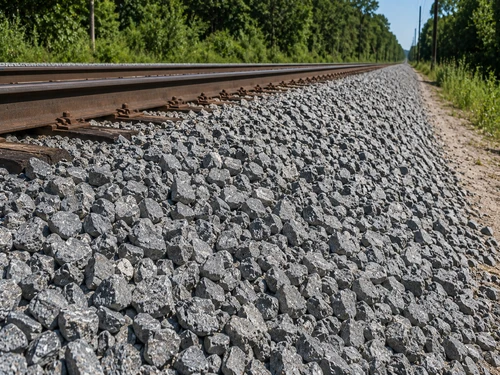
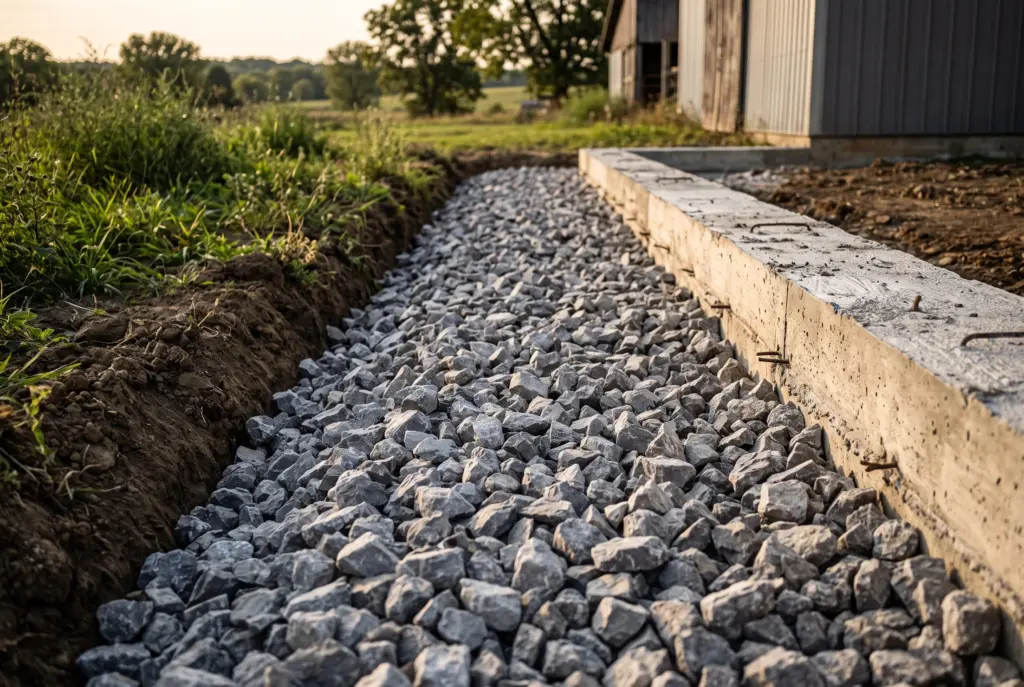
Railroad Ballast is a construction & base material in the 2 - 3" range. #4 Crushed Stone is a crushed stone material at 1.5 - 2.5", and it shows up more on drainage gravel jobs.
How the two differ in practice
Size is the first split: 2 - 3" for Railroad Ballast versus 1.5 - 2.5" for #4 Crushed Stone. Drainage runs slow (compacted) on Railroad Ballast and moderate on #4 Crushed Stone. On compaction, expect locks tight under load, 95%+ Proctor from Railroad Ballast, while #4 Crushed Stone delivers knits under load, stays angular. Density is 2900 lb/yd³ next to 2800 lb/yd³, which moves the cost-per-ton math by a small margin.com/railroad-ballast/" title="Railroad Ballast and for #4 Crushed Stone.
When Railroad Ballast is the right call
Pick Railroad Ballast when the job is standard construction & base work. The dense gray, blends with concrete grade and the way it locks tight under load, 95%+ Proctor make it a fit for that application. On a full-truck order the per-ton cost falls roughly 15 to 20 percent under partial-load pricing.
When #4 Crushed Stone is the better fit
Switch to #4 Crushed Stone if the project leans toward drainage gravel and french drain gravel. The sharp gray, utilitarian grade plus the moderate drainage profile matches that job better. Plan your load size, same full-load break point as Railroad Ballast.
Side by side comparison
| Attribute | Railroad Ballast | #4 Crushed Stone |
|---|---|---|
| Category | Construction & Base | Crushed Stone |
| Particle size | 2 - 3" | 1.5 - 2.5" |
| Color & look | Dense gray, blends with concrete | Sharp gray, utilitarian |
| Density | 2900 lb/yd³ | 2800 lb/yd³ |
| Sold by | Ton | Ton |
| Drainage | Slow (compacted) | Moderate |
| Compaction | Locks tight under load, 95%+ Proctor | Knits under load, stays angular |
| Maintenance | Buried base, no upkeep | Top up every 2-3 years |
| Best for | General use | drainage gravel, french drain gravel, and erosion control |
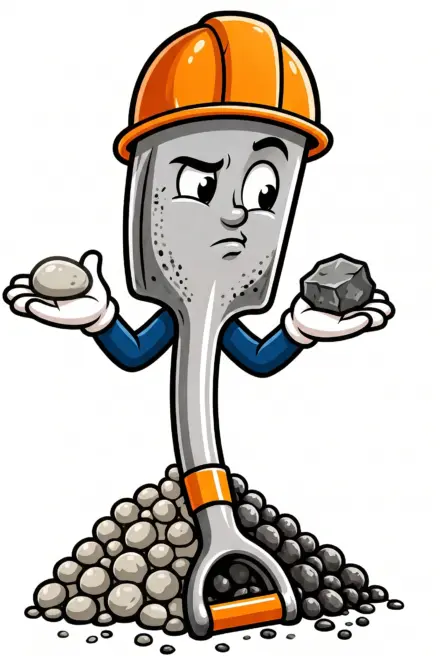
Verdict
If your project is , go with Railroad Ballast. If it leans toward drainage gravel, #4 Crushed Stone is the cleaner pick. Cost-wise the gap is small, so the deciding factor is the surface and traffic, not the price.
Bottom line: Project-dependent
Browse product hubs
Top cities for these materials
Plan with a calculator
Related guides
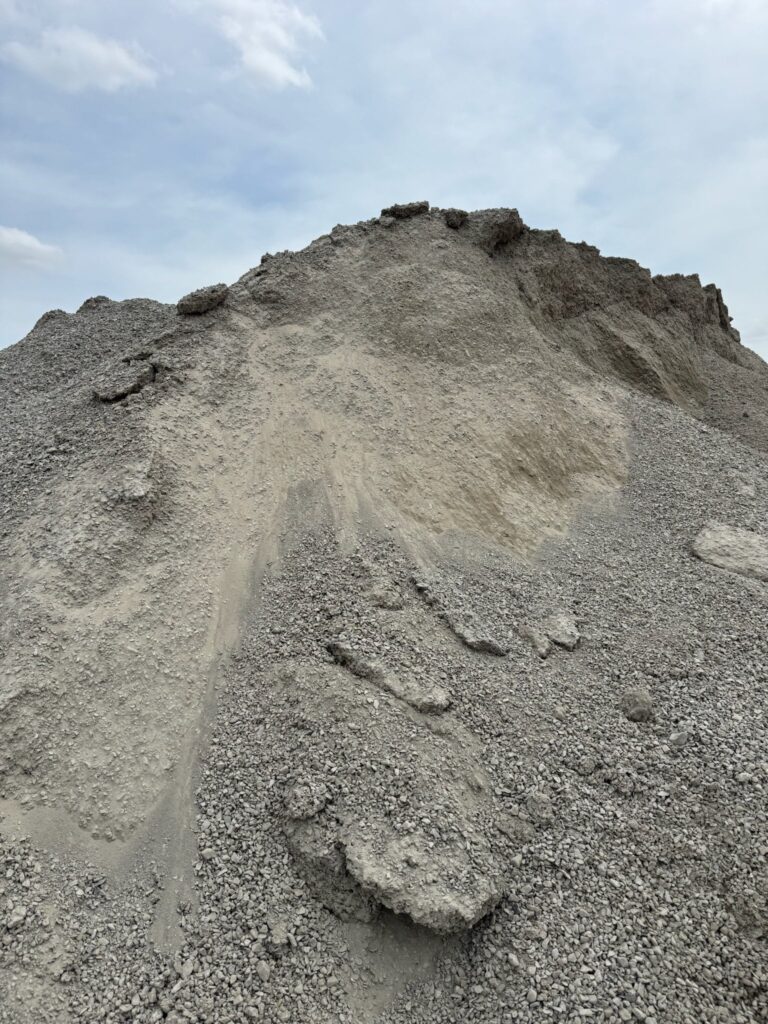 GUIDEWhat Are Screenings? A Guide to Crushed Stone FinesScreenings are fine crushed stone used for paver bases, joint fill and walkways. See what screenings are, common types, and mistakes to avoid.Read guide →
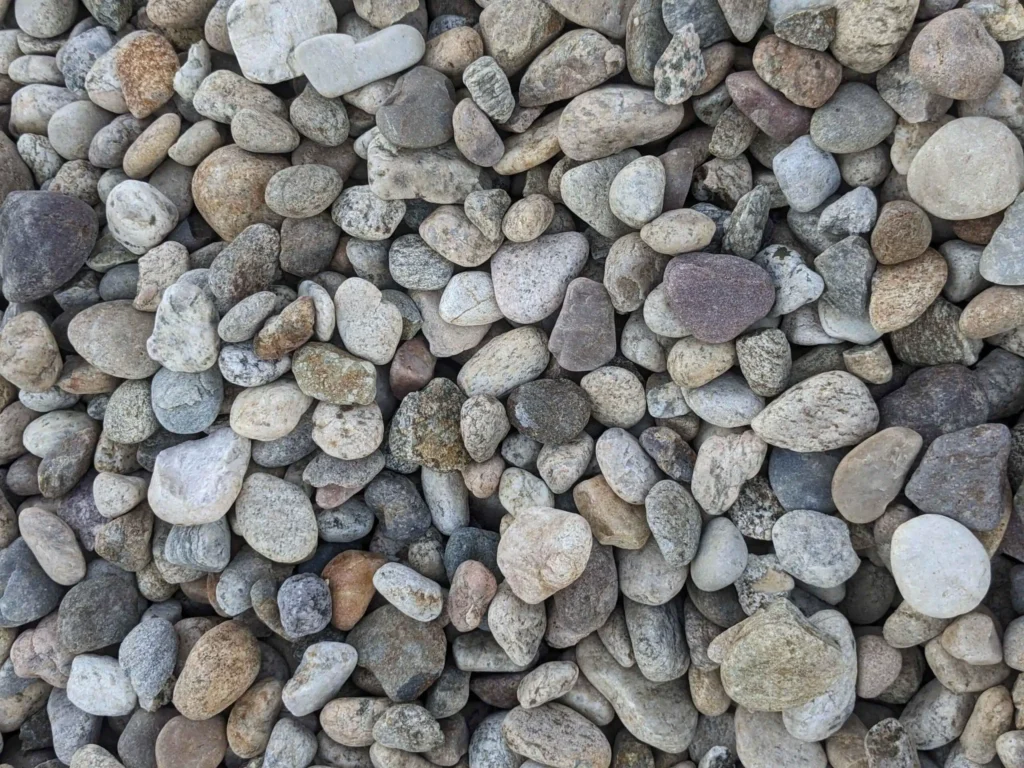 GUIDEWhat to Put Under River Rock for Landscaping BedsHere is what to put under river rock landscaping: a compacted base where needed, then landscape fabric, then rock, to stop weeds and settling.Read guide →GUIDEHow to Clean River Rock and Restore Its ColorLearn how to clean river rock landscaping with rinsing, soap and vinegar methods, plus common mistakes to avoid for a brighter, longer lasting rock bed.Read guide →
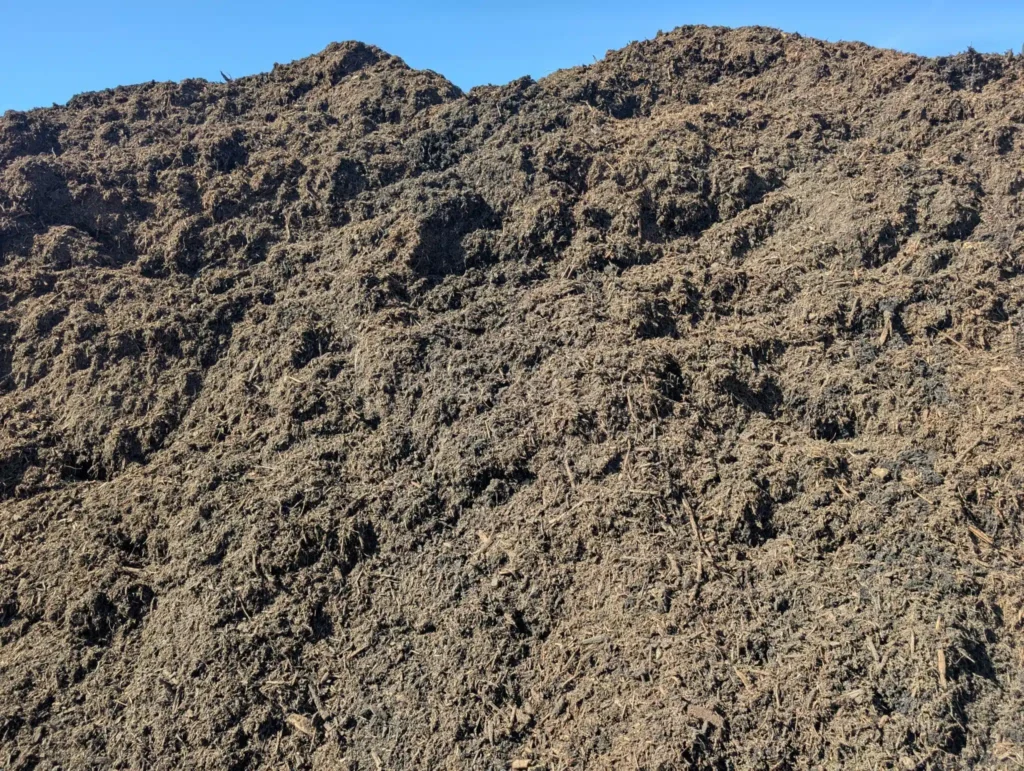 GUIDEHow to Lay a Gravel Driveway: Step-by-Step GuidePractical, field-tested guide: how to lay gravel driveway. Pulled from real US installer notes and 2026 supplier price data.Read guide →
Frequently Asked Questions
Is Railroad Ballast or #4 Crushed Stone cheaper?
Per-ton pricing is usually within $10. The main cost driver is freight from the nearest quarry, not the material itself.
Which one drains better?
Larger, more angular stones drain faster. Compare the two products' size grades to pick by drainage need.
Can I mix Railroad Ballast and #4 Crushed Stone?
Yes - many installers use the coarser grade as base and the finer as a top dressing. Layer base first, then top.
How long does each last?
Both materials last 10+ years with periodic top-up. UV breaks down nothing because they're rock.
Which has more aesthetic appeal?
Subjective. Pull a sample from your supplier before ordering 10 tons.
Are both available delivered?
Yes - both ship via tandem dump truck (4-25 tons) or bag drop (1-3 tons). Same lead times in most metros.