
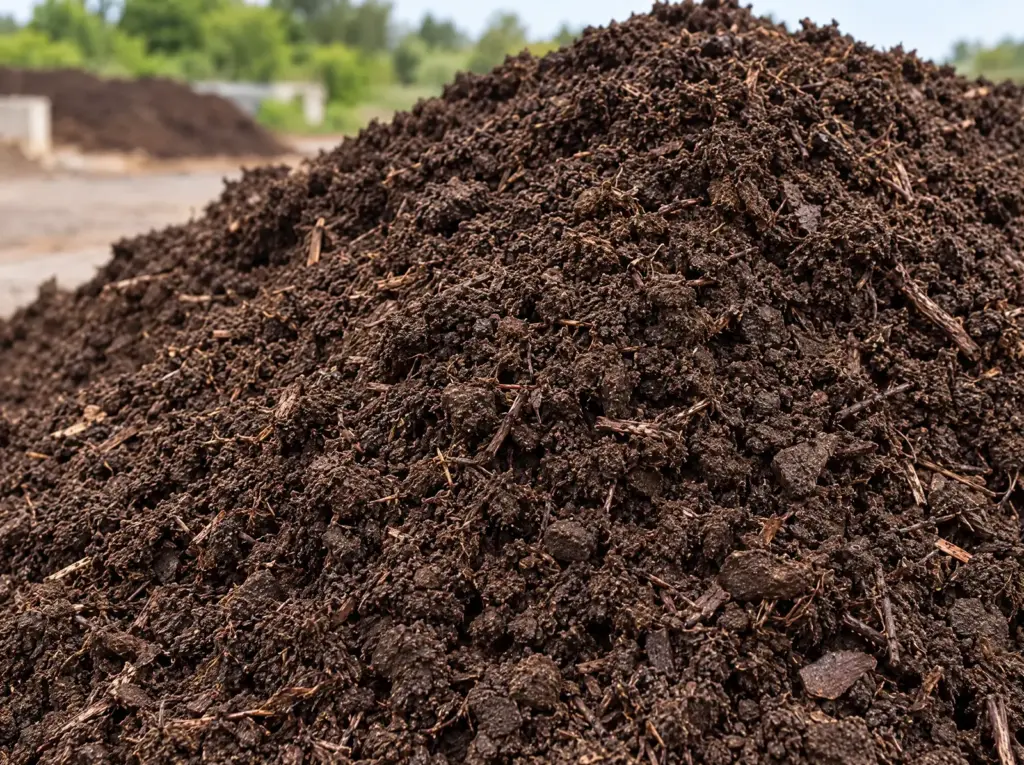
Compost Calculator
Quickly estimate cubic yards, tons, and material cost for your Compost project. Adjust the inputs below and the result updates in real time.
Work out your material
A planning figure, not a guarantee. Order roughly a tenth extra to cover settling and uneven ground.

The math behind this tool
Compost is sold by volume, so this calculator stops at cubic yards.
- Multiply the bed's length by its width in feet, then by the depth in inches.
- Divide the product by 324 and you are in cubic yards.
- Compost is light, about 37 pounds per cubic foot. With 27 cubic feet in a yard, that is roughly 1,000 pounds, or half a ton.
Spread it over the whole bed rather than piling it around stems, and order from the cubic yard figure.
What the compost calculator computes
The compost calculator converts the size of the area you're covering and the depth you want into a cubic yard total for compost, so you know how much to order before delivery day. Compost is sold by the cubic yard, not by the ton, so the calculator is built around volume rather than weight. Enter the length and width of your beds or lawn area in feet and the depth you plan to spread in inches, and the tool returns the cubic yards of compost to order.
Behind the numbers, the calculator uses compost's typical density, about 37 pounds per cubic foot, to estimate the weight of your order alongside the volume. That weight figure helps you plan truck access and confirm the load matches what you expect when it arrives. For product details on the finished material, see the Compost page.
Depth guidance for compost
How deep to spread compost depends on what you're using it for. As a soil amendment worked into an existing bed or lawn before planting, 2 to 3 inches tilled into the top 6 to 8 inches of soil is typical. As a topdressing on established turf or around existing plants, 1/4 to 1/2 inch is usually enough, since a thicker layer can mat down and block air and water movement. A new garden bed built largely from compost blended with topsoil often calls for a deeper layer, closer to 3 to 4 inches, before mixing.
Whatever depth you choose, enter it into the calculator in inches along with your length and width in feet, and it converts the area and depth into cubic yards for you.
Compost density and the yards to tons conversion
Compost is lighter and looser than soil or stone, which is part of why it's priced and delivered by the cubic yard instead of the ton. A cubic yard of compost weighs roughly 1,000 pounds, or about half a ton, based on a density near 37 pounds per cubic foot. That's noticeably lighter than topsoil or gravel on a yard for yard basis, so don't assume the same weight applies across materials.
If you need the weight in tons for a specific load or delivery truck, run your total through the cubic yards to tons converter, once you have your cubic yard figure from this page.
Ordering tips and overage for compost
Order a little more compost than the calculator's raw number. Beds settle, spreading is never perfectly even, and coming up a few cubic yards short means a second delivery. Adding about 10 percent on top of the calculated volume covers most projects without leaving a large surplus pile behind. Round up to the nearest half or full cubic yard as well, since compost is typically sold and delivered in those increments rather than fractional amounts.
If you're blending compost into existing topsoil across a large bed, calculate the compost and topsoil volumes separately using their own depths, then add the two totals together for your full order. Confirm site access for a bulk delivery truck before your delivery date so the load can be dropped where you need it.
Materials this calculator covers
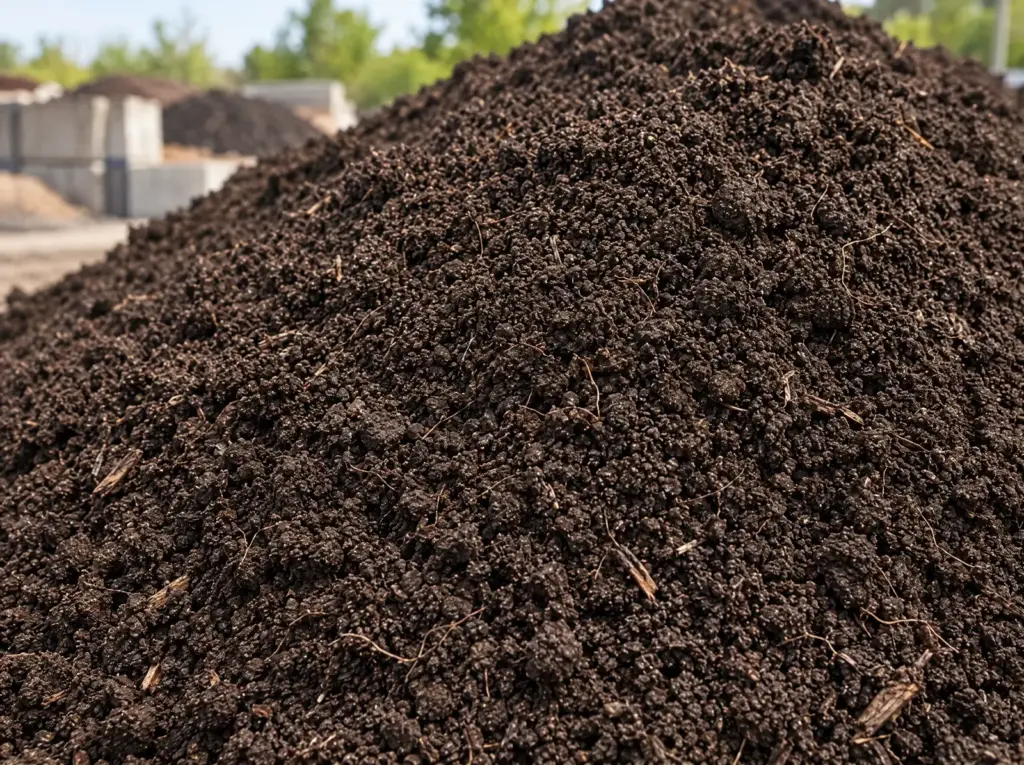
Price by ZIP- Density1000 lb/yd³
- ColorDark brown
 Price by ZIP
- SizeScreened, no size grade
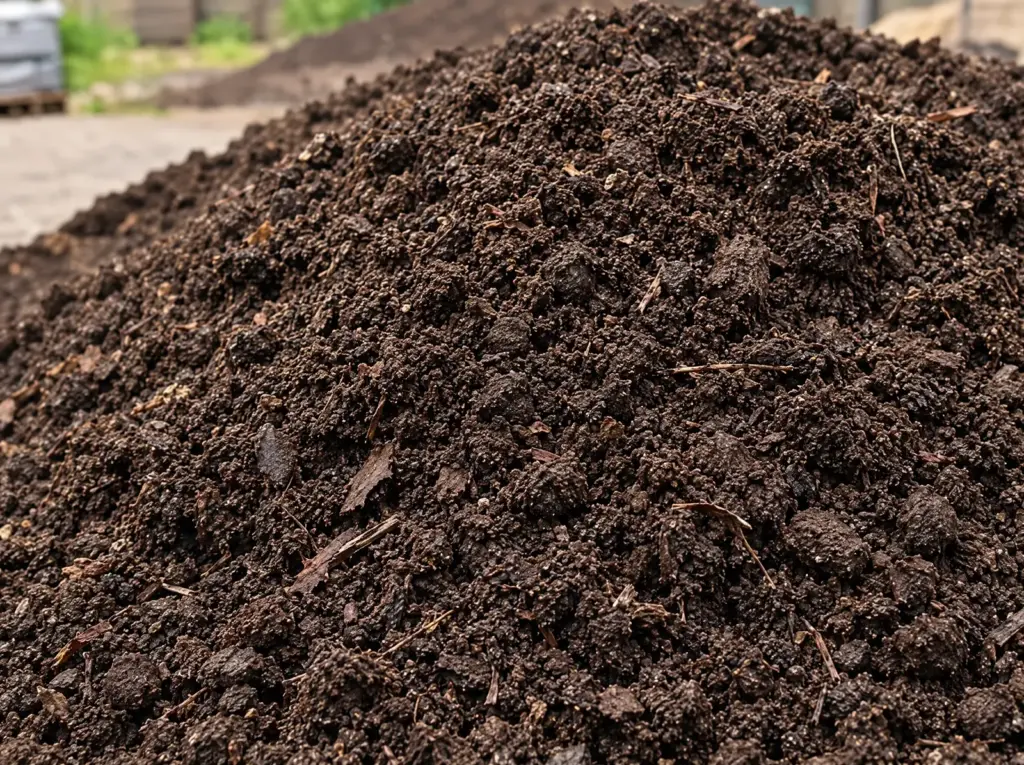
- Density2200 lb/yd³
- ColorDark brown
 Price by ZIP
- Density2000 lb/yd³
- ColorDark brown
Other calculators
CALCULATORLoam CalculatorUse this loam calculator to turn your area and depth into cubic yards of topsoil, then see the delivered weight in tons.Open calculator →CALCULATORTopsoil CalculatorFree Topsoil Calculator - enter your area in square feet and depth in inches and get instant tons, cubic yards, and an estimated material cost.Open calculator →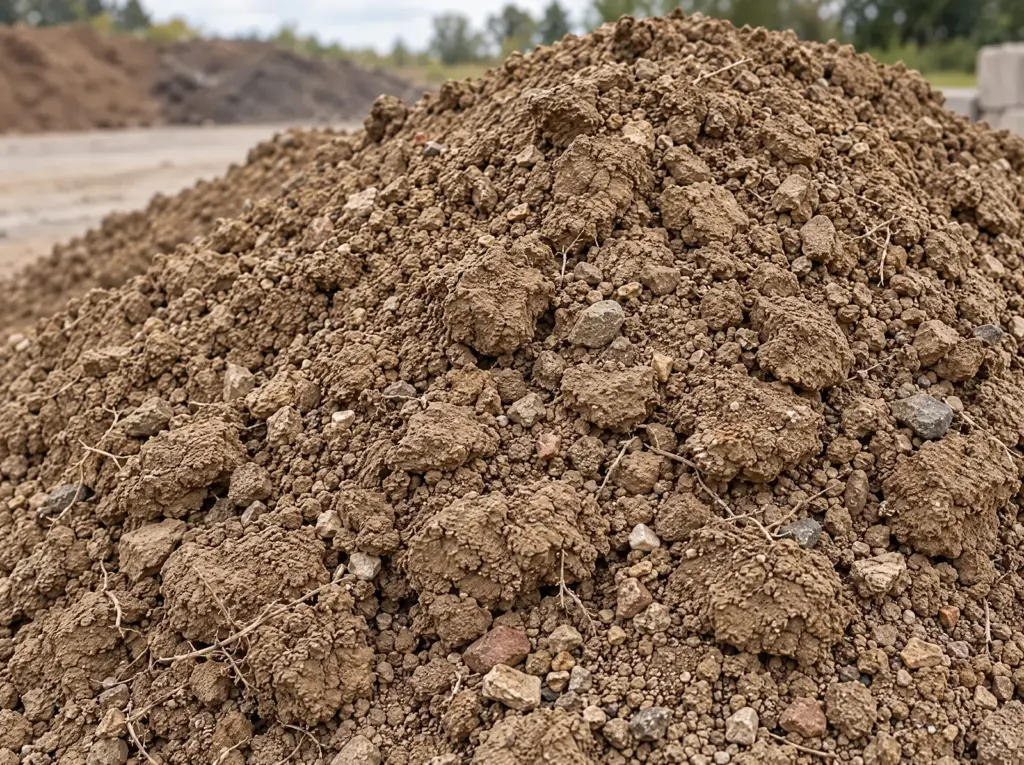 CALCULATORFill Dirt Volume CalculatorYards of fill dirt for grading, low-spot repair, or building pad prep.Open calculator →CALCULATORPlanter Soil CalculatorVolume of garden soil or planting mix for raised beds and planters.Open calculator →
Related guides
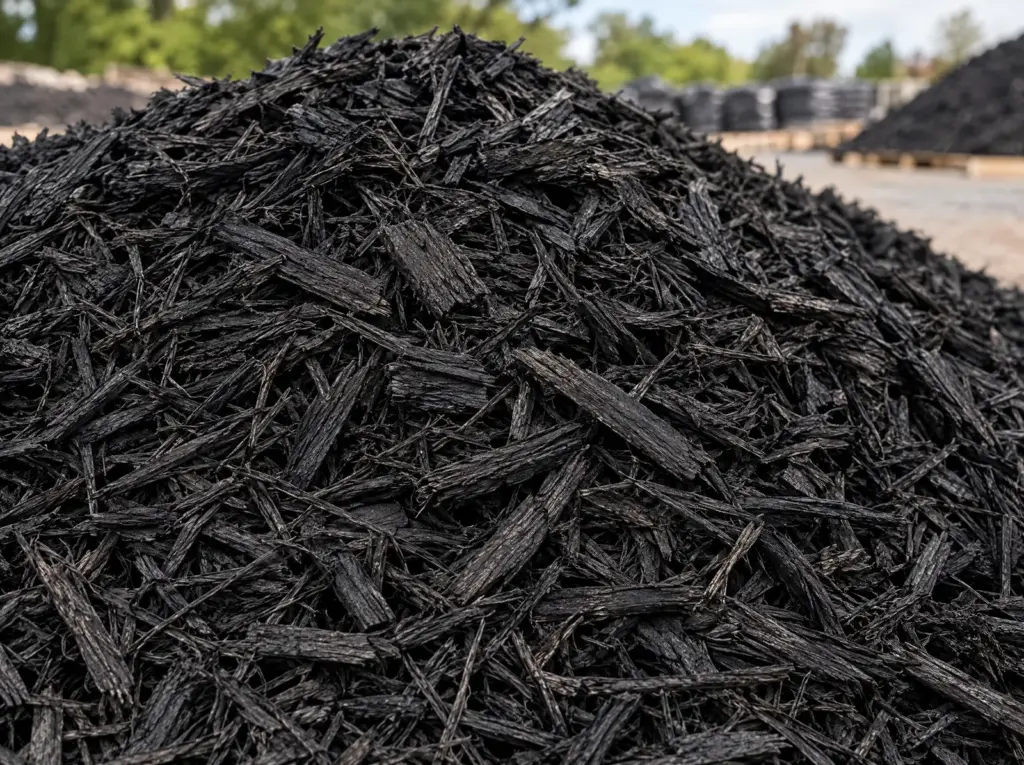 GUIDEHow to Lay a Gravel Driveway: Step-by-Step GuidePractical, field-tested guide: how to lay gravel driveway. Pulled from real US installer notes and 2026 supplier price data.Read guide →
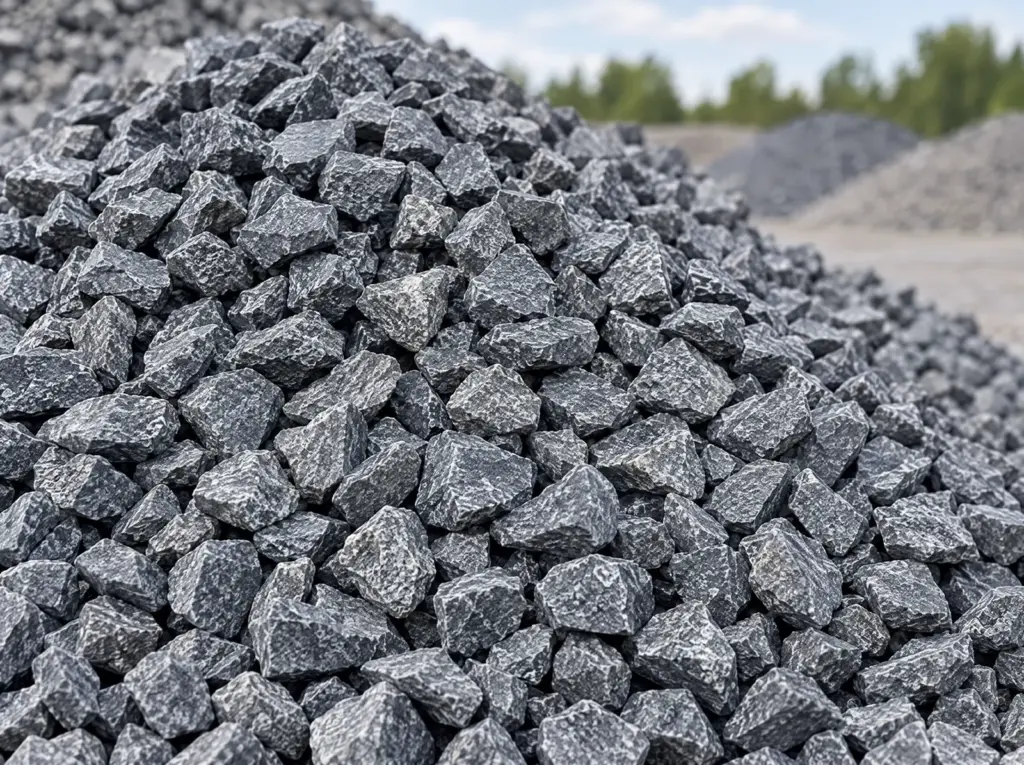 GUIDEDoes Gravel Stop Weeds? Honest Answer + What WorksPractical, field-tested guide: does gravel stop weeds. Pulled from real US installer notes and 2026 supplier price data.Read guide →
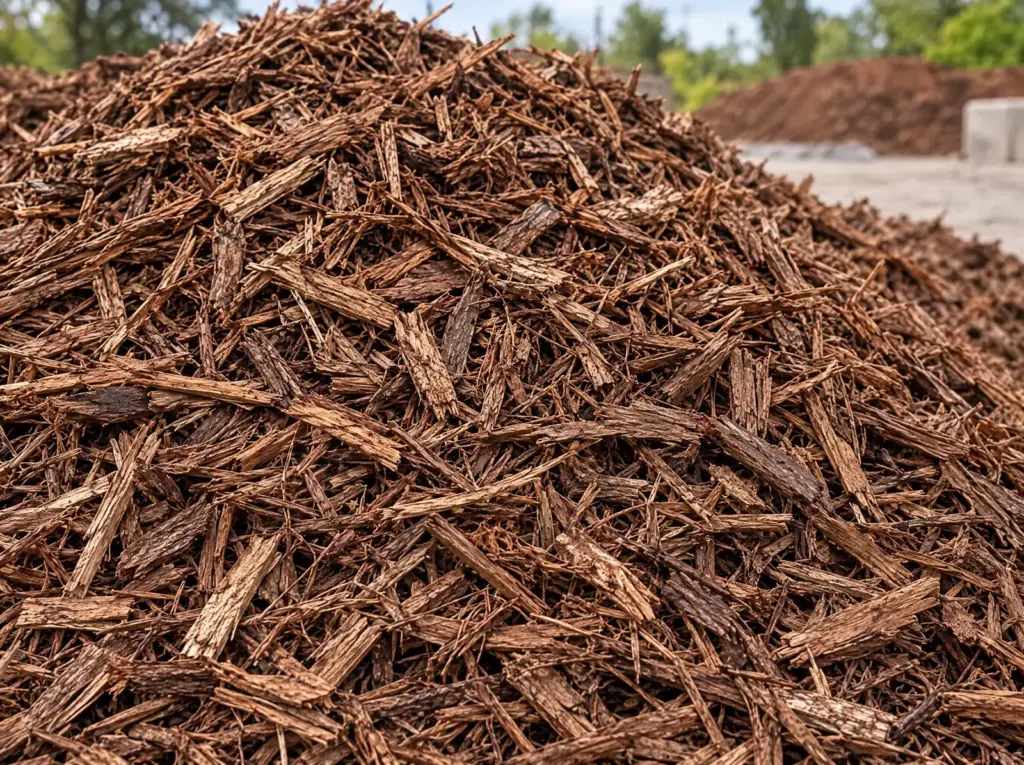 GUIDEHow Much Gravel Do I Need? Quick Sizing GuidePractical, field-tested guide: how much gravel do i need. Pulled from real US installer notes and 2026 supplier price data.Read guide →GUIDEWhat Is #57 Stone? Uses, Size, and Cost ExplainedPractical, field-tested guide: what is 57 stone. Pulled from real US installer notes and 2026 supplier price data.Read guide →
Frequently Asked Questions
How many cubic yards of compost do I need for a 200 square foot bed?
Multiply the square footage by your planned depth in inches, then divide by 324 to get cubic yards. For a 200 square foot bed spread 2 inches deep, that works out to 200 times 2 divided by 324, or about 1.2 cubic yards. Round up to the nearest half yard for ordering, and add a bit extra if the bed has uneven grading or low spots that need more fill.
Is compost sold by the cubic yard or by the ton?
Compost is sold and delivered by the cubic yard, not by the ton. It's a lightweight, loose material compared with stone or soil, so pricing and delivery quotes are based on volume. If you need the equivalent weight for planning a truck load, convert your cubic yard total separately rather than assuming the same ratio used for heavier materials.
How much does a cubic yard of compost weigh?
A cubic yard of compost at the same volume. Use the weight estimate for planning truck access, not as an exact scale reading.
Can I mix compost with topsoil in the same bed?
What happens if I order too little compost?
Running short usually means arranging a second delivery, which costs more in time and delivery fees than ordering slightly extra up front. Adding about 10 percent to the calculator's total covers uneven spreading, bed settling, and small measurement errors without leaving a large unused pile of material behind on site.
Does the calculator account for compost settling after it's spread?
The calculator gives you the volume at the time of delivery, not after weeks of settling and decomposition. Compost naturally compacts and breaks down over time, so a layer that measured 2 inches when spread can thin out later. Ordering a bit extra up front accounts for that natural settling without requiring a second delivery.