
Landscape Rock Calculator
Quickly estimate cubic yards, tons, and material cost for your River Rock project. Adjust the inputs below and the result updates in real time.
Work out your material
A planning figure, not a guarantee. Order roughly a tenth extra to cover settling and uneven ground.

The math behind this tool
Decorative stone is heavy, so this calculator reports tons rather than stopping at volume.
- Cubic yards: multiply feet by feet by inches, then divide by 324.
- River rock and decomposed granite sit near 100 pounds per cubic foot, around 2,700 pounds per cubic yard.
- Take the yardage, multiply by 2,700, and divide by 2,000 for tonnage.
Depth drives the order more than anything else. Check it at a few spots so a light bed does not leave bare patches of fabric.
What This Landscape Rock Calculator Computes
A landscape rock calculator turns three simple inputs, length, width and depth, into two numbers you can actually order: cubic yards and tons. River rock and decomposed granite sell by the ton, not the yard, so the calculator also converts your volume figure into a delivered weight using the material's density. Enter the length and width of the area in feet and the depth in inches, and the tool multiplies length by width by depth and divides by 324 to get cubic yards, then multiplies that figure by the material's pounds per cubic yard and divides by 2,000 to give you tons.
Depth Guidance for River Rock and Decomposed Granite
Depth changes the math more than any other input, so it pays to get it right before you calculate. A thin top dressing layer placed over an existing bed typically runs 2 to 3 inches. A standalone decorative area with no mulch or soil showing through usually calls for closer to 3 inches. Areas that need to resist erosion or handle light foot traffic, such as a dry creek bed or a border strip, often go 4 inches deep so the base stays stable. Decomposed granite compacts as it settles, so many homeowners plan for a slightly fuller starting layer than they would with loose river rock. Whatever depth you choose, keep it consistent across the whole area before you run the numbers, since a single average depth is what the calculator uses.
Density and the Yards to Tons Conversion
River rock weighs about 100 pounds per cubic foot, which works out to roughly 2,700 pounds per cubic yard. That density is what lets the calculator move from a volume figure to a weight figure, since a cubic yard of stone and a cubic yard of a lighter material are not remotely the same order weight. Multiply your cubic yards by 2,700 and divide by 2,000 to get tons. If you already have a cubic yard total from another project and just need the ton figure, run it through the cubic yards to tons converter, once instead of redoing the math by hand.
Ordering Tips and Overage
Order slightly more than the exact number the calculator returns. Uneven ground, low spots and settling after the first rain all eat into a bed that was measured to the pound. Adding roughly 10 percent on top of the calculated tonnage is a reasonable cushion for most residential jobs, and it costs less to have a small amount left over than to place a second delivery for a half ton shortfall. Measure the area in sections if it is not a simple rectangle, run each section through the calculator separately, and add the totals together before you order. If you are deciding between materials, compare River Rock and Decomposed Granite side by side, since they carry different look, drainage and compaction properties even though this calculator handles the tonnage math the same way for both.
Materials this calculator covers
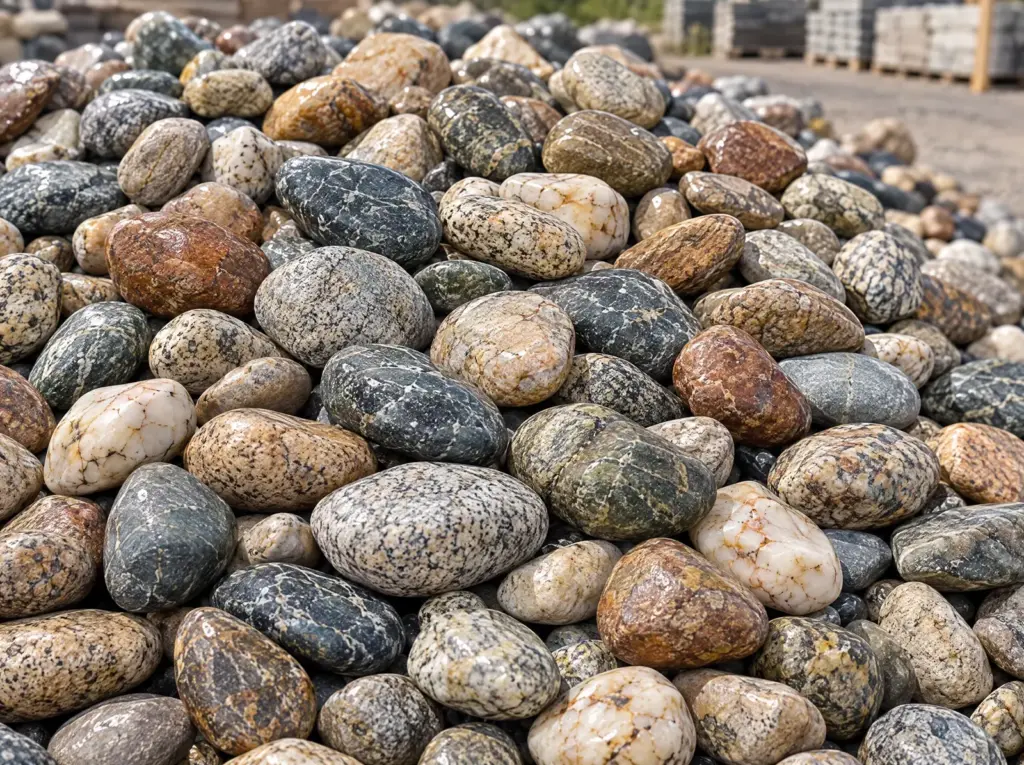 Price by ZIP
- Size1 - 3″
- Density2700 lb/yd³
- ColorMixed natural
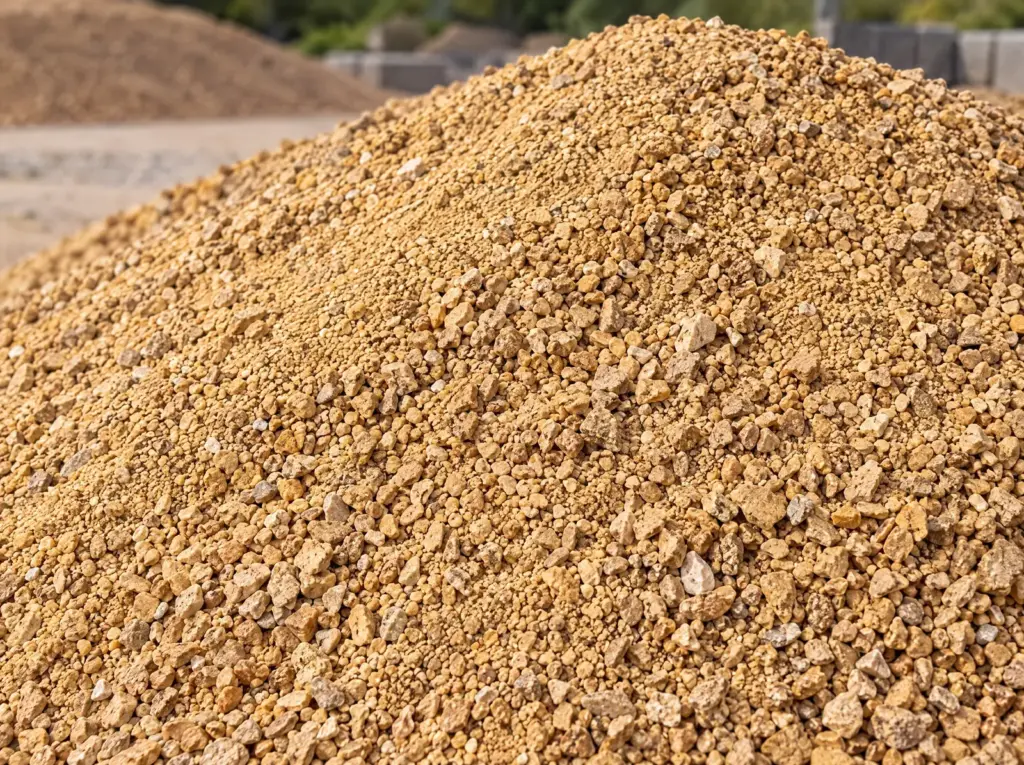 Price by ZIP
- Size0 - 1/4″
- Density3000 lb/yd³
- ColorTan, gold
 Price by ZIP
- Size1/4 - 3/8″
- Density2800 lb/yd³
- ColorTan / mixed
Other calculators
CALCULATORRiver Rock CalculatorOur river rock calculator turns square footage and depth into the tons of river rock you need, using accurate density figures.Open calculator →CALCULATORGravel Walkway CalculatorMaterial estimator for a gravel garden path or backyard walkway. Default 3" depth.Open calculator →CALCULATORFire Pit Gravel CalculatorDecorative gravel around a fire pit. River rock is heat-stable; pea gravel can spall - use this calc to plan.Open calculator →CALCULATORPea Gravel CalculatorUse this pea gravel calculator to turn length, width and depth into cubic yards, then into the tons of Pea Gravel to order.Open calculator →Related guides
GUIDEWhat to Put Under River Rock for Landscaping BedsHere is what to put under river rock landscaping: a compacted base where needed, then landscape fabric, then rock, to stop weeds and settling.Read guide →GUIDEHow to Clean River Rock and Restore Its ColorLearn how to clean river rock landscaping with rinsing, soap and vinegar methods, plus common mistakes to avoid for a brighter, longer lasting rock bed.Read guide →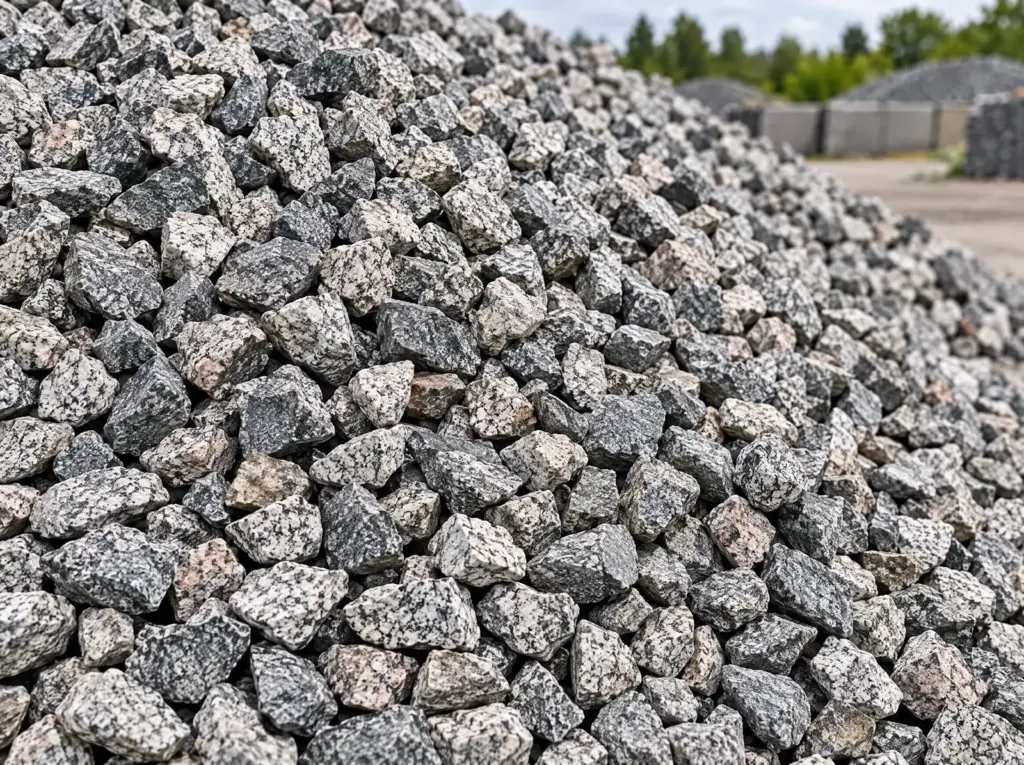 GUIDEGravel Size Chart: Pea Gravel to Crushed StoneA gravel size chart showing pea gravel, crushed stone and river rock diameters side by side, so you can match the right size to your project.Read guide →GUIDEThe Different Types of Gravel and How to ChooseA plain-language guide to the main types of gravel, covering pea gravel, crushed stone, river rock and decomposed granite.Read guide →
Frequently Asked Questions
How much landscape rock do I need for my project?
Multiply the length and width of the area in feet to get square feet, then run that figure through this landscape rock calculator with your planned depth in inches. The tool converts the volume to cubic yards and then to tons using the material's density, so you get a delivered weight figure instead of a rough guess. Measure irregular areas in sections and add the totals for an accurate order.
What is the difference between river rock and decomposed granite?
River rock is smooth, rounded stone used mainly as a loose decorative or drainage material, while decomposed granite is a granular material that compacts into a firmer surface. Both are sold by the ton and both work with this calculator, but they behave differently once placed, so pick the one that matches whether you want loose stone or a walkable, compacted surface.
How many tons is one cubic yard of landscape rock?
One cubic yard of river rock weighs about 2,700 pounds, which works out to 1.35 tons. Other stone products can carry a different density, so the exact ton figure per yard depends on the material you select. Enter your area and depth into the calculator and it applies the density for the material you pick automatically, instead of you converting by hand.
Can I use square feet instead of cubic yards to order landscape rock?
Square feet alone will not give you an order quantity, since rock is sold by weight, not by surface area. You need a depth figure to turn a flat measurement into a volume, and a volume into tons. Measure your square footage, decide on a depth in inches, and enter both into the calculator so it can run the length by width by depth math for you.
Do I need to order extra landscape rock for waste?
Yes. Uneven ground, drainage dips and normal settling after installation typically use up more material than a flat, exact measurement suggests. Adding about 10 percent to the calculated tonnage covers most residential beds and paths without leaving a large surplus. If your site has significant grade changes, measure the deepest and shallowest points separately and average them before calculating.
What depth should I use for a landscape rock top dressing?
A top dressing layer placed over existing mulch or soil typically runs 2 to 3 inches deep. That covers the surface below without wasting material, though it is shallower than the 3 to 4 inches used for standalone decorative beds or areas that need better erosion resistance. Use one consistent depth figure across the whole area when you run the calculation.