Asphalt Millings Calculator
Quickly estimate cubic yards, tons, and material cost for your Asphalt Millings project. Adjust the inputs below and the result updates in real time.
Calculate Your Project
Estimate only. Add 10-15% for compaction and waste.
How this calculator works
The calculator converts a footprint into tonnage in two steps. First it finds volume: length in feet times width in feet times depth in inches, divided by 324, giving cubic yards. Second it applies density: asphalt millings is priced and delivered.
This asphalt millings calculator turns a length, width and depth into the number of tons you need to order. Asphalt millings is sold by the ton, not the cubic yard, so getting the volume to weight conversion right matters before you place an order. Enter your area and depth once and the calculator handles the density conversion for you, so you are not left guessing at the math or rounding a rough estimate up or down by hand.
How the Asphalt Millings Calculator Works
The calculator asks for length in feet, width in feet, and depth in inches. It multiplies those three figures and divides by 324 to get cubic yards, matching the standard depth formula: cubic yards equal length times width times depth in inches, divided by 324. From there it converts that volume into tons using the material's density, since Asphalt Millings is priced and delivered by the ton. Because the calculation runs off the actual density of this material rather than a generic aggregate figure, the tonnage it returns lines up with what a scale ticket will show on delivery.
Depth Guidance for Asphalt Millings
Depth depends on how the millings will be compacted and used. A thin topping layer spread over an existing compacted surface typically runs 2 to 3 inches deep. A full base layer built up from bare ground typically runs 4 to 6 inches deep, since millings compact and lock together best when spread and rolled in layers rather than dumped in one thick lift. Enter the depth you plan to use and the calculator will size the order to match. If a project has both a base area and a thinner topped area, run the calculator separately for each depth and add the two tonnage figures together.
Density and the Cubic Yards to Tons Conversion
Asphalt millings weigh about 88.9 pounds per cubic foot, which works out to roughly 2,400 pounds per cubic yard. Since a ton equals 2,000 pounds, one cubic yard of asphalt millings comes to about 1.2 tons. That density is heavier than many landscaping materials, so a load that looks modest in cubic yards can add up quickly in tons. If you already have a yardage figure from a different material and want to check the tonnage side by side, run it through the cubic yards to tons converter, once, and compare how a lighter material stacks up against this one at the same volume.
Ordering Tips and Overage
Order a small overage beyond the calculated tonnage so a tight measurement or an uneven subgrade does not leave the job short. Round the calculator's result up to the nearest half ton or full ton, since delivery is priced and scheduled by the load. Measure length and width at the widest points of the area and use the deepest planned depth, since that keeps the estimate conservative rather than optimistic. Recheck the measurements before ordering if the area has curves or an irregular shape, since a rough rectangle estimate can undercount the true square footage and leave the tonnage figure short.
Materials this calculator covers
Other calculators
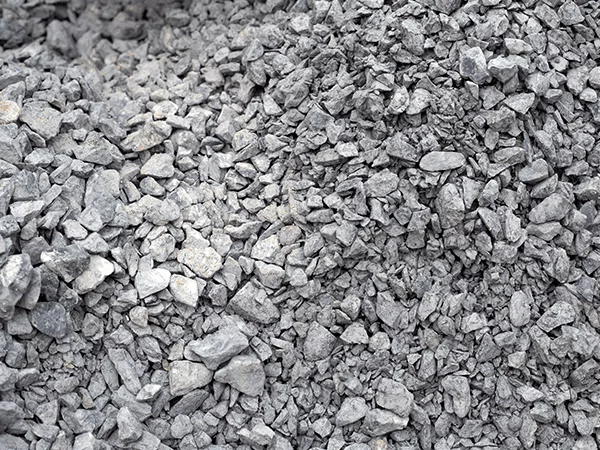 CALCULATORCrushed Concrete CalculatorUse this crushed concrete calculator to convert project length, width and depth into the cubic yards and tons you need to order, no guesswork.Open calculator →
 CALCULATORLoam CalculatorUse this loam calculator to turn your area and depth into cubic yards of topsoil, then see the delivered weight in tons.Open calculator →
 CALCULATORFrench Drain CalculatorHow much drain rock does a French drain need? Enter length, width, and depth - get tons and material cost.Open calculator →
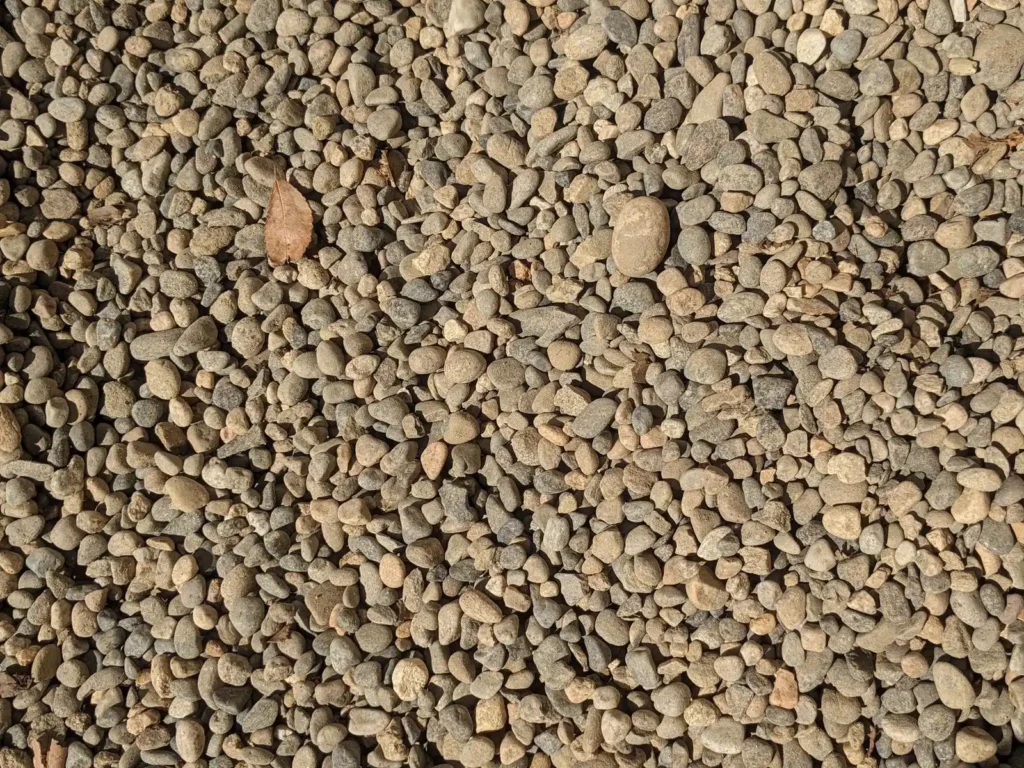 CALCULATORPool Deck Gravel CalculatorPool surround gravel calculator. Defaults to 4" depth of pea gravel; adjusts to river rock or DG.Open calculator →
Related guides
 GUIDEHow Deep Should a Gravel Driveway Be? Layer GuidePractical, field-tested guide: how deep should gravel driveway be. Pulled from real US installer notes and 2026 supplier price data.Read guide →
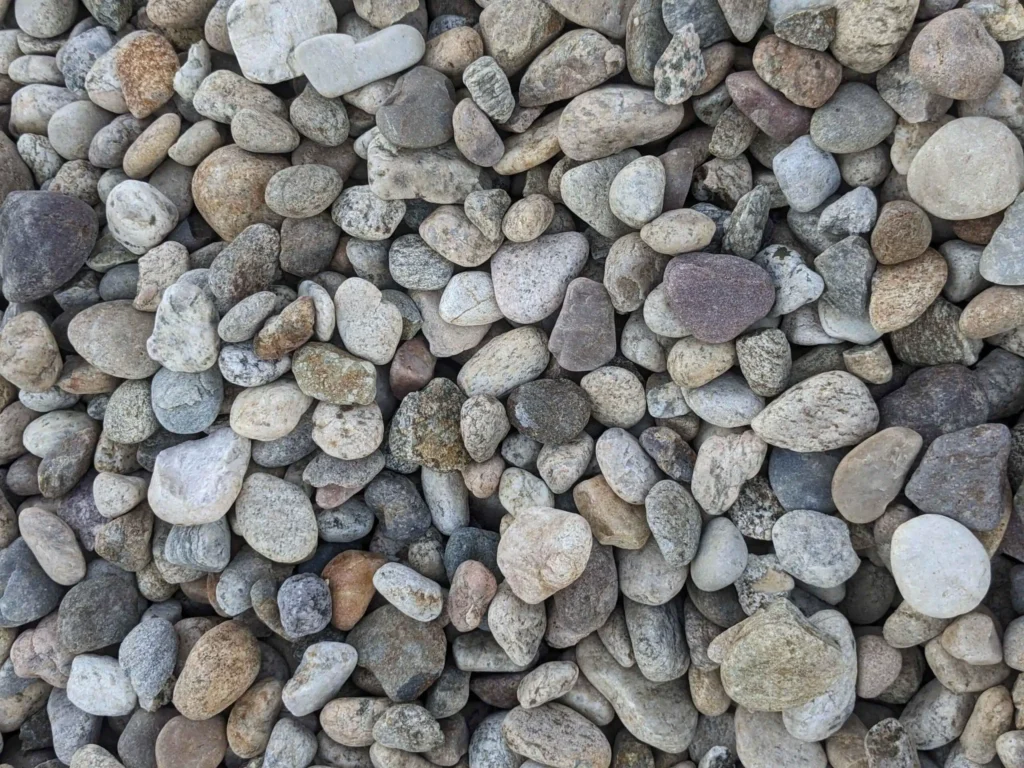 GUIDEHow Much Does River Rock Cost? By Ton or YardRiver rock cost depends on your ZIP code, order size, and whether you buy by the ton or the cubic yard. Here is how pricing works.Read guide →
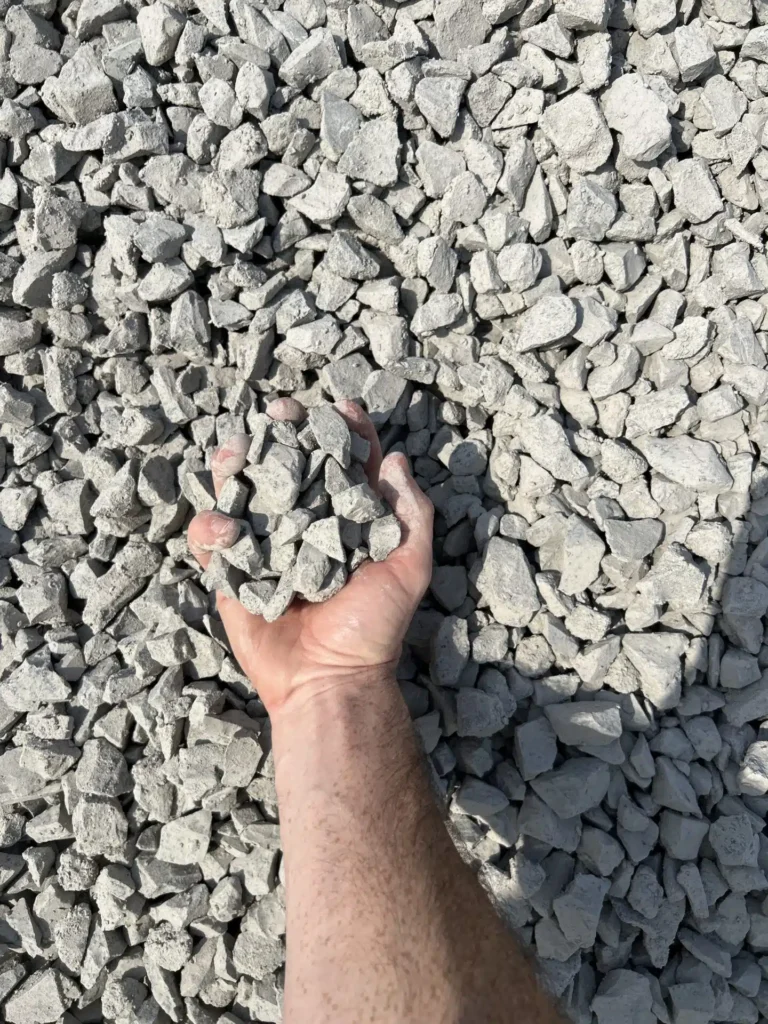 GUIDEWhat Size Crushed Stone Goes Under a Concrete SlabMost slabs need 4 to 6 inches of compacted crushed stone underneath. What size crushed stone under a concrete slab needs, and why it matters.Read guide →GUIDEWhat Is Crushed Stone? Sizes, Uses and Buying BasicsCrushed stone is quarried rock crushed and screened into angular pieces sold by the ton. Here is what it is, how it is graded, and where to use it.Read guide →
Frequently Asked Questions
How many tons of asphalt millings do I need per cubic yard?
About 1.2 tons for every cubic yard. Asphalt millings weigh roughly 2,400 pounds per cubic yard, and a ton is 2,000 pounds, so you can divide total pounds by 2,000 or multiply your cubic yard figure by 1.2 to get tons. The calculator applies this conversion automatically once you enter length, width and depth.
What density figure does this calculator use for asphalt millings?
It uses a density of about 88.9 pounds per cubic foot for asphalt millings, which equals roughly 2,400 pounds per cubic yard. That figure is heavier than many loose landscaping materials, which is why a fairly small footprint can still add up to several tons once you account for even a modest depth.
Is asphalt millings sold by the ton or the cubic yard?
Asphalt millings is sold and delivered by the ton, not the cubic yard. The calculator lets you enter your area in feet and your depth in inches, then converts that volume into the tonnage figure you will actually be ordering, since both pricing and delivery for this material are set up around tons.
How much extra asphalt millings should I order beyond the calculated amount?
Add a modest overage, generally enough to round your result up to the next half ton or full ton. Compaction, an uneven subgrade, or an area slightly larger than measured can all eat into a tight estimate, and ordering a small buffer up front is easier than scheduling a second delivery later.
Does the depth I choose change how many tons I need?
Yes, depth has a direct effect on tonnage since the calculator multiplies length, width and depth together before converting to tons. Doubling the depth roughly doubles the tonnage for the same footprint, so measure the depth you actually plan to spread and compact rather than rounding it down to save on the order.
Can I use this calculator if I already have my volume in cubic yards?
Yes, enter length, width and depth as usual and the calculator will still work out the cubic yardage internally before converting to tons. If you already have a cubic yard figure from another source and only need the tonnage, that same yards to tons math applies directly without changing the density used.