
Retaining Wall Backfill Calc
Quickly estimate cubic yards, tons, and material cost for your Crusher Run project. Adjust the inputs below and the result updates in real time.
Calculate Your Project
Estimate only. Add 10-15% for compaction and waste.

How this calculator works
Cubic yards = (area × depth ÷ 12) ÷ 27
Tons = cubic yards × density × 27 ÷ 2000
Calculate the backfill aggregate needed behind a stone or block retaining wall.
Enter your area and depth, and we'll compute cubic yards, tons, and a delivered material cost using current 2026 quarry pricing.
What the retaining wall calculator computes
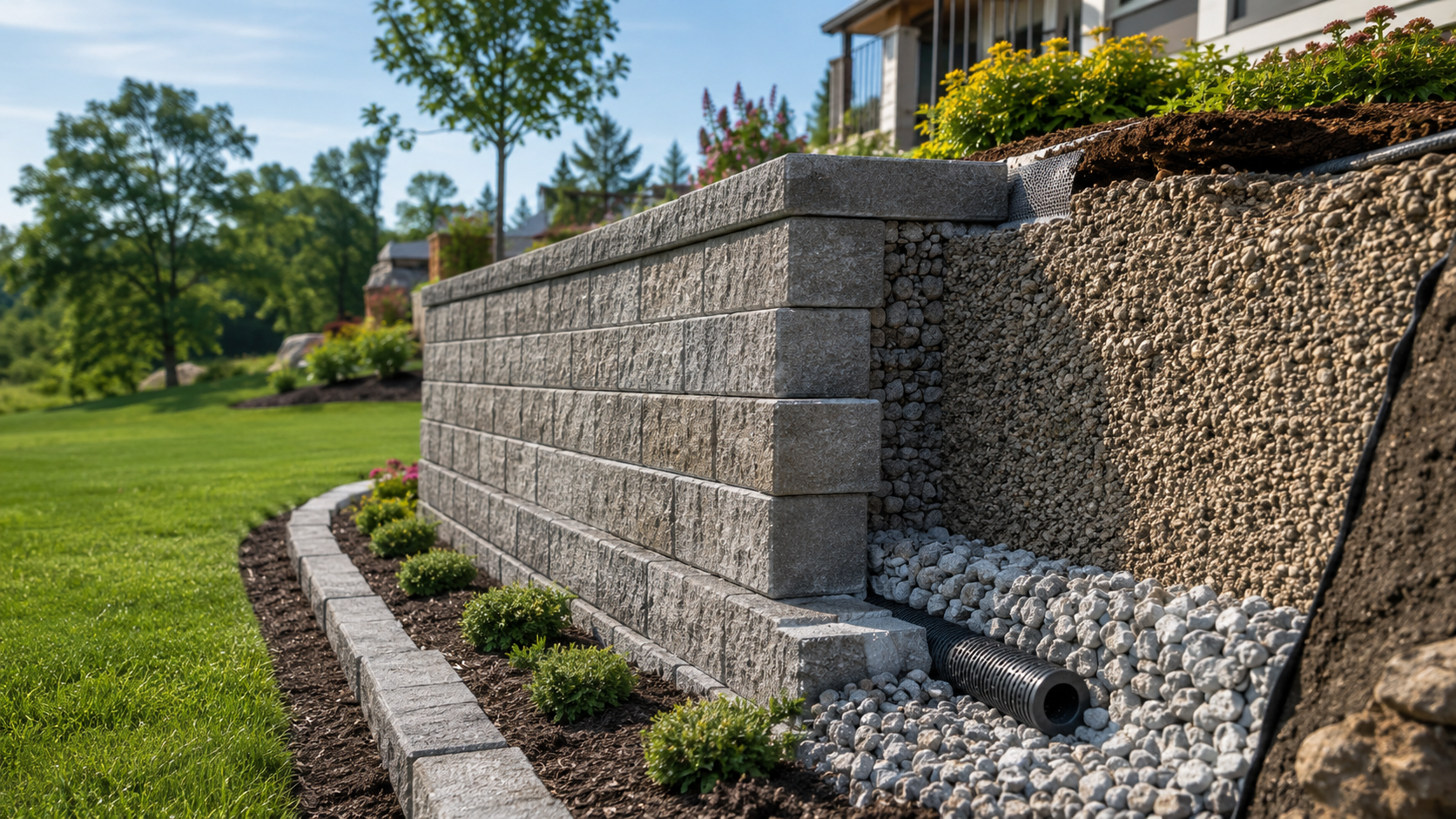
The retaining wall calculator computes two separate aggregate volumes: the base course (below the first block course) and the drainage backfill (behind the wall). Inputs are wall length, wall height, and either the depth/width of the base trench or the planned thickness of the drainage backfill. Output is cubic yards and tons for each layer.
The two materials serve different jobs. The base course supports the wall vertically; it is typically 4 to 6 inches of compacted Crusher Run or Class 5 Base extending 6 inches beyond the wall face on both sides. The drainage backfill sits behind the wall and prevents hydrostatic pressure buildup; it is typically 12 inches of Drain Rock or 3/4" Crushed Stone wrapped in filter fabric, extending the full wall height.
For a 20 foot long retaining wall at 3 feet high, expect roughly 1.5 tons of base material plus 2.5 tons of drainage backfill, totaling about 4 tons of aggregate before the blocks even arrive.
Base course requirements
The base course is what keeps the wall straight over decades. Skipping or skimping on it is the #1 cause of bowed and toppled retaining walls in residential landscaping. The specs: 4 inches minimum for walls under 3 feet, 6 inches for 3 to 4 feet, 8 inches for 4 to 6 feet. Compact in two lifts with a plate compactor and check level with a 4 foot bubble level across the full length.
Crusher Run is the standard base material because it compacts to near-concrete hardness and resists settlement under the wall load. Class 5 Base works equally well in the Upper Midwest where that regional name is more common. Both grades are graded blends of stone dust through 3/4 inch fragments. Avoid Pea Gravel and unwashed stone for the base; rounded gravel rolls under load and unwashed fines blow out during heavy rain.
The base must extend 6 inches beyond the wall face on both sides so the wall sits on a wider foundation than its own footprint. This widening is what prevents tipping under the lateral pressure from soil behind the wall.
Drainage backfill and fabric placement
Every retaining wall over 24 inches tall needs drainage backfill behind it. Without drainage, water trapped in the soil behind the wall builds up pressure that pushes the wall outward. Walls without drainage typically fail within 3 to 7 years; walls with proper drainage last 30 years or more.
The drainage layer is 12 inches of Drain Rock or 3/4" Crushed Stone (washed, no fines) extending from the base of the wall to within 6 inches of the top. Wrap the entire drainage column in 4 to 6 ounce filter fabric so soil from above does not migrate down into the stone. Place a 4 inch perforated pipe at the base of the drainage column, sloped at 1 percent toward a daylight outlet at one or both ends of the wall.
The drainage backfill costs more than the soil it replaces, but it is the difference between a wall that lasts a generation and one that needs replacement before the kids leave home.
Wall height limits and engineering
Residential homeowners can build retaining walls up to 4 feet tall without engineering review in most US jurisdictions. Above 4 feet, most codes require a structural engineer's design and often a building permit. Some jurisdictions drop the threshold to 3 feet for walls retaining vehicle loads or near property lines. Check with your local building department before ordering materials for anything over 36 inches.
Walls over 4 feet typically also require geogrid reinforcement: layers of high-strength polyester or polypropylene mesh embedded in the backfill behind the wall, anchored under the block courses. Geogrid extends the effective mass of soil holding the wall in place. For walls under 4 feet on stable soil with proper drainage and base, geogrid is not required.
Block weight matters for the install logistics. Standard 12 inch concrete retaining wall blocks weigh 60 to 80 pounds each. A 20 foot wall at 3 feet tall uses roughly 100 blocks weighing about 3 tons total. Plan delivery and staging accordingly; one person cannot install 3 tons of blocks in a weekend without help.
Pricing, delivery, and common failure modes
For a 20 foot residential wall at 3 feet tall, the aggregate cost is about $150 to $250 (4 tons total at $41 to $163 per ton). Blocks add $400 to $1,200 depending on the style. Geogrid (if needed) is $80 to $150 per 100 square feet. Total aggregate plus block cost typically lands between $600 and $1,800, well under a contractor-installed price.
Delivery is one tandem-axle truck for most residential walls. Order both materials at once so they arrive on the same truck. Stage the base material on the driveway and the drainage backfill closer to the work area; the base goes in first so it needs to be reachable from the trench.
The three failure modes that doom residential retaining walls are skipping the base course, skipping drainage backfill, and exceeding the 4 foot height without engineering. Each one independently is enough to fail the wall within years; all three together produce the spectacular front-yard collapses that show up on local news after heavy storms. Spend the extra few hundred dollars on the base and drainage; it is the cheapest insurance in the entire landscape construction toolbox.
When engineering review is required
The 4 foot residential threshold for retaining walls is a common code rule, not a universal one. Some jurisdictions drop the threshold to 3 feet when the wall is within 5 feet of a property line. Others require engineering for any wall retaining a slope steeper than 2:1 regardless of wall height. A few municipalities require engineering for any wall retaining a vehicle load (driveway, parking pad). Check the local code office before ordering blocks; the cost of an engineered design submitted as a permit revision after construction begins is typically $1,000 to $3,500 plus delay time.
For engineered walls (over 4 feet, or any wall requiring formal design review), the engineer specifies the exact base depth, drainage spec, backfill material, geogrid placement, and block type. Their design might call for Class 5 Base instead of Crusher Run in some regions, or Drain Rock with specific gradation rather than generic 3/4" Crushed Stone. Follow the engineer's spec exactly; substituting "equivalent" materials is the most common reason engineered walls fail their final inspection.
Geogrid reinforcement is required on most walls over 4 feet retaining significant soil. The grid layers embed in the soil mass behind the wall at predetermined elevations, anchored under block courses. Geogrid is sold by the linear foot or by the roll; budget $80 to $150 per 100 square feet of wall face. The geogrid extends back into the soil 60 to 80 percent of the wall height (a 6 foot wall needs grid extending 4 to 5 feet back into the slope).
Materials this calculator covers
Other calculators
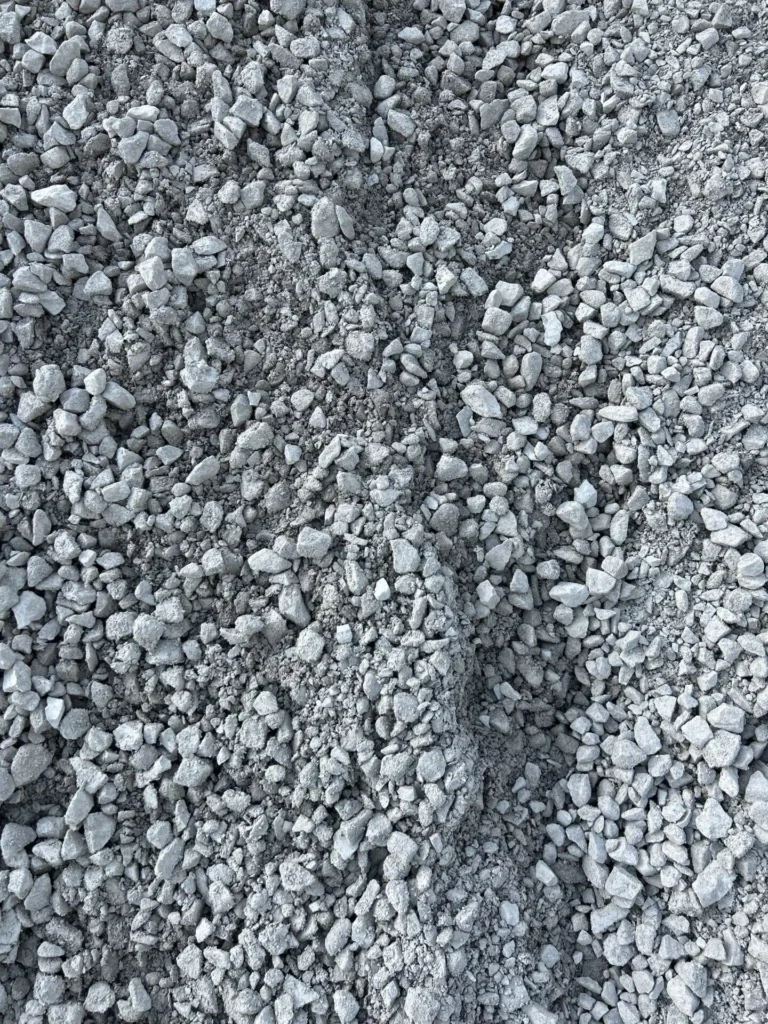 CALCULATORCrusher Run CalculatorUse this crusher run calculator to convert length, width and depth into the tons to order, based on crusher run's real compacted density.Open calculator →
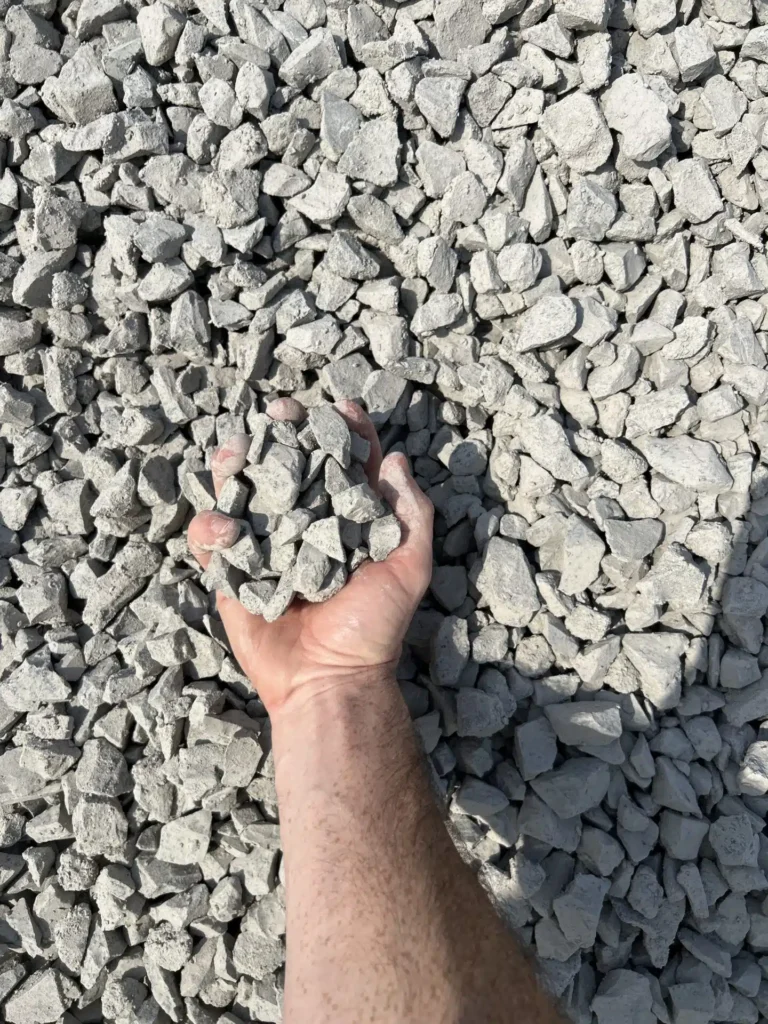 CALCULATOR57 Stone CalculatorUse this 57 stone calculator to find how many tons of #57 crushed stone your project needs, with depth and density guidance included.Open calculator →CALCULATORParking Lot Gravel CalculatorCommercial parking lot aggregate planner. Defaults to 6" depth of crusher run.Open calculator →CALCULATORGravel Driveway CalculatorFree Gravel Driveway Calculator - enter your area in square feet and depth in inches and get instant tons, cubic yards, and an estimated material cost.Open calculator →
Related guides
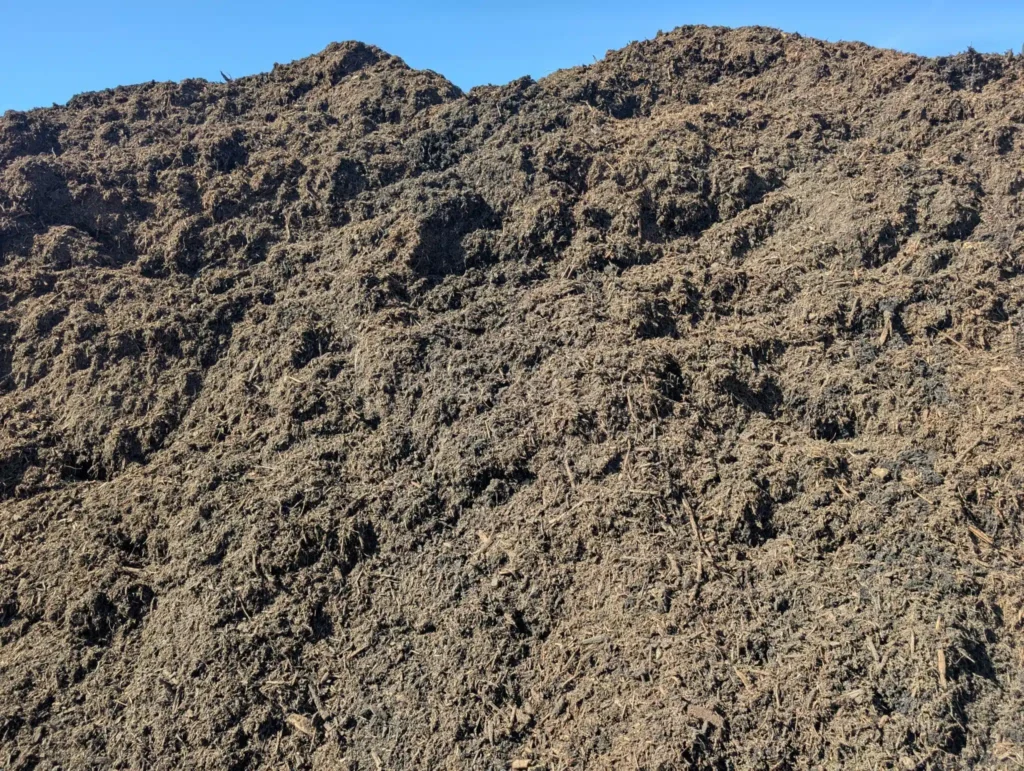 GUIDEHow to Lay a Gravel Driveway: Step-by-Step GuidePractical, field-tested guide: how to lay gravel driveway. Pulled from real US installer notes and 2026 supplier price data.Read guide →
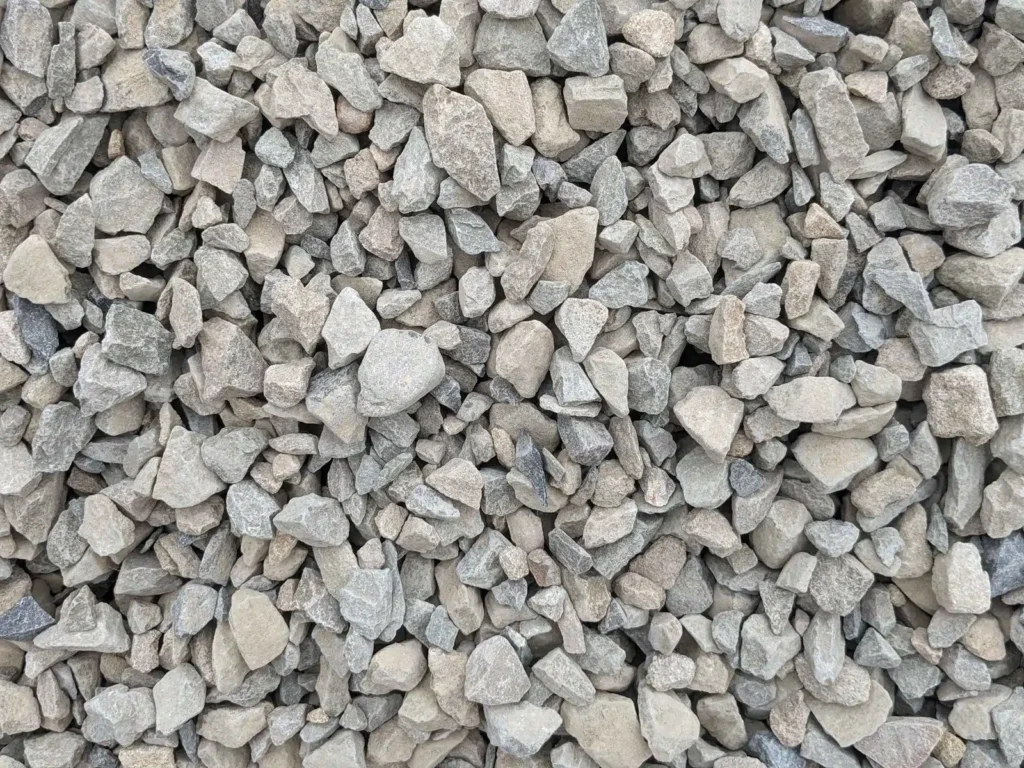 GUIDEDoes Gravel Stop Weeds? Honest Answer + What WorksPractical, field-tested guide: does gravel stop weeds. Pulled from real US installer notes and 2026 supplier price data.Read guide →
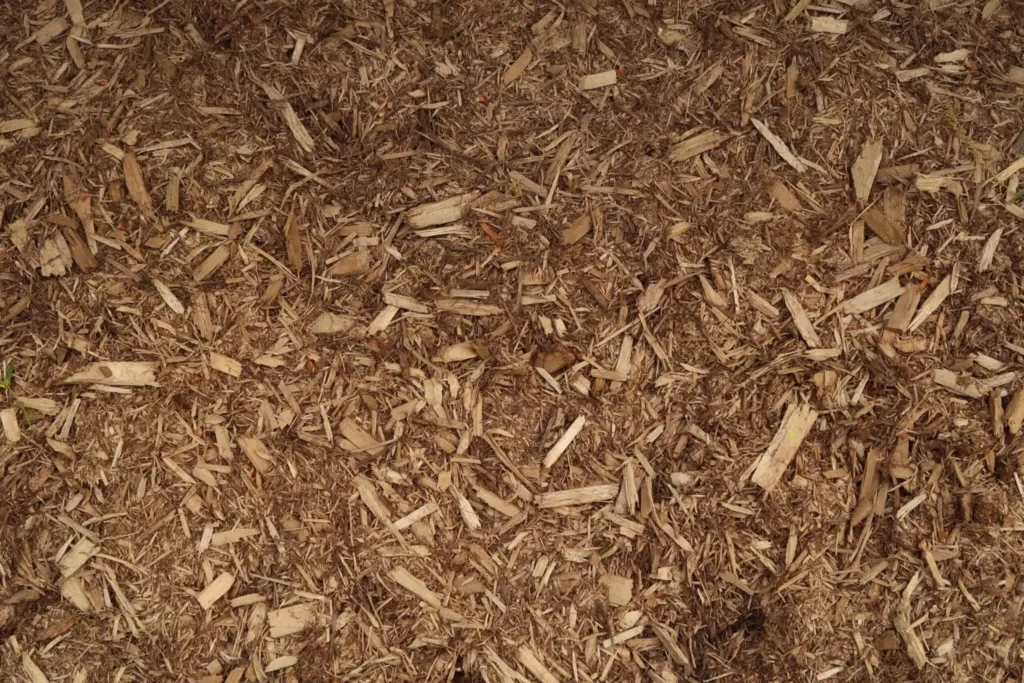 GUIDEHow Much Gravel Do I Need? Quick Sizing GuidePractical, field-tested guide: how much gravel do i need. Pulled from real US installer notes and 2026 supplier price data.Read guide →
 GUIDEWhat Is #57 Stone? Uses, Size, and Cost ExplainedPractical, field-tested guide: what is 57 stone. Pulled from real US installer notes and 2026 supplier price data.Read guide →
Frequently Asked Questions
How does this calculator work?
Enter area in sq ft and depth in inches. We convert to cubic yards, multiply by density to get tons, and divide by 2,000.
What if I don't know the depth?
Most projects use 4 inches. Drainage applications go deeper (6-12 in).
Why is the estimate different from my supplier quote?
Within 10% is normal - supplier quotes include delivery + minimum-load surcharges that depend on your distance from the quarry.
Should I round up?
Yes - round up to the nearest half-ton. The price-per-ton usually drops on larger orders.
Does this include delivery cost?
No - the result is material cost only. Get a delivered quote with your ZIP for the full price.
Can I use this for another material?
Density varies by material. This calculator is tuned for crusher-run; switch to the matching calculator for accurate results.