Topsoil Calculator
Quickly estimate cubic yards, tons, and material cost for your Premium Screened Topsoil project. Adjust the inputs below and the result updates in real time.
Calculate Your Project
Estimate only. Add 10-15% for compaction and waste.
How this calculator works
Cubic yards = (area sq ft × depth in ÷ 12) ÷ 27
Tons = cubic yards × density × 27 ÷ 2000
Estimated price = tons × price per ton
Free Topsoil Calculator - enter your area in square feet and depth in inches and get instant tons, cubic yards, and an estimated material cost.
Built for US contractors and DIY homeowners. Densities updated to reflect 2026 quarry stockpile measurements.
What the topsoil calculator computes
The topsoil, which converts to a rough 1.1 tons per yard for delivery cost estimation.
The most common project depths: lawn renovation needs 2 to 4 inches of new topsoil over existing soil. Sod installs need 4 to 6 inches of new topsoil for healthy root establishment. Raised garden beds need 8 to 12 inches of soil to support deep-rooting vegetables. Berms and landscape mounds run 12 to 24 inches at the deepest point with tapered edges.
Topsoil quality grades to know
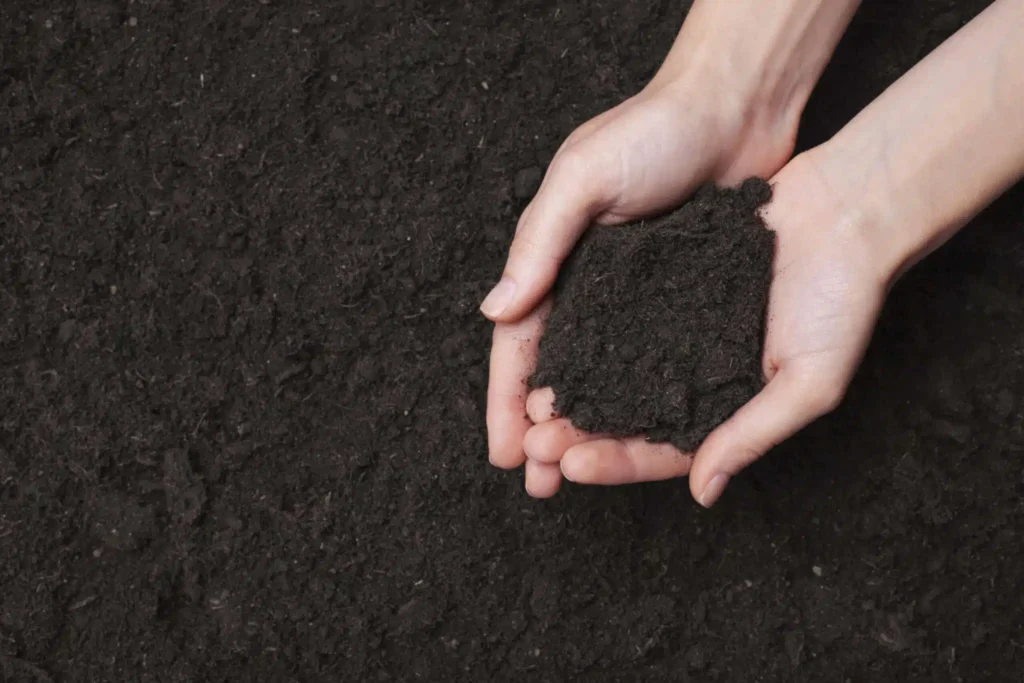
Topsoil is not a regulated product, which means "topsoil" sold by one yard can be wildly different from "topsoil" sold by another. Three indicators sort premium screened Topsoil from cheap fill.
First, screen size. Premium topsoil passes through a 1/2 inch screen or smaller, producing a fine uniform texture. Cheap grades use a 1 inch or 2 inch screen and pass through stones, clay clumps, and root fragments that show up as you spread. Ask your supplier what screen they run.
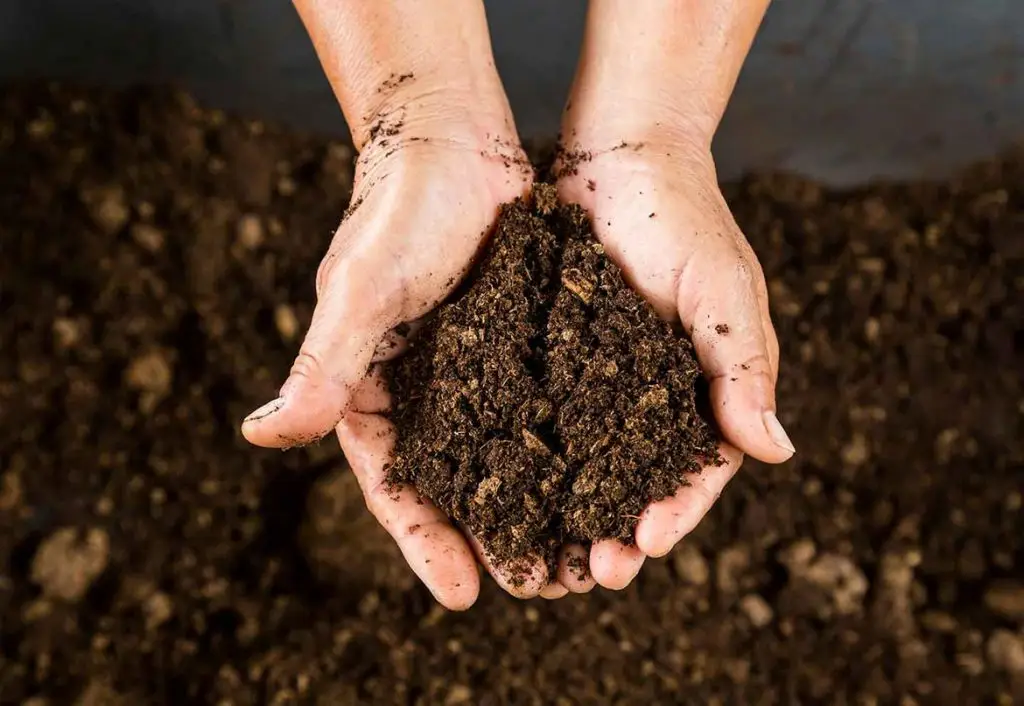
Second, organic content. Good topsoil contains 5 to 10 percent organic matter (decomposed plant material) by volume. Below 3 percent and you are buying mineral subsoil with no biological activity; plants struggle to establish. Premium yards typically blend in composted leaf or yard waste during the screening process to hit the target.
Third, weed seed load. Topsoil that has been stockpiled for a season or longer has had weed seeds germinate and die in the pile. Freshly screened topsoil from a working construction site carries the weed seed bank of wherever it was dug from; you spread the soil and three weeks later you have a thick weed mat. Ask how long the stockpile has been aged; longer is better.
Volume math for common projects
A few quick coverage numbers cover most homeowner projects. One cubic yard covers 81 square feet at 4 inches deep, 108 square feet at 3 inches deep, 162 square feet at 2 inches deep. A typical residential lawn renovation (overseed plus top-dress) covers 2,500 to 5,000 square feet at 1 inch depth, which is 8 to 15 yards of topsoil. A typical raised garden bed (4 by 8 feet at 12 inches deep) needs 1.2 yards plus 15 percent overage.
Order 10 to 15 percent overage on any topsoil project. Soil settles 10 to 20 percent in the first six months as the structure compacts under its own weight and rain action. The pile you spread today looks 2 inches deep but reads as 1.6 inches after the first year. Plan for top-up access.
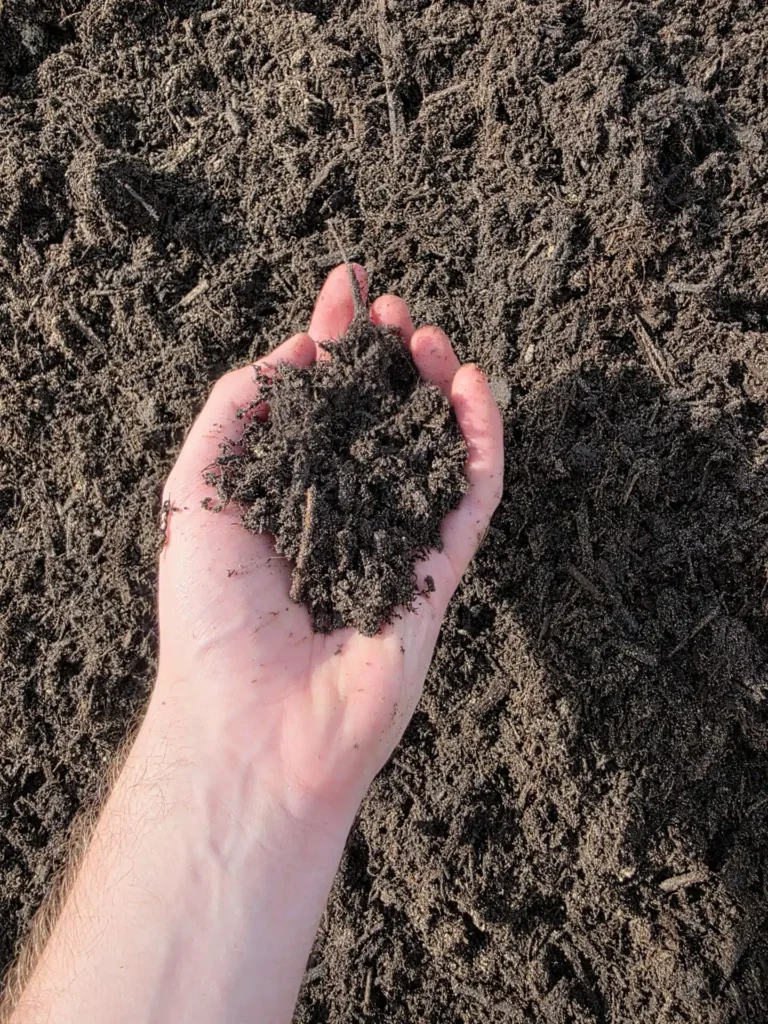
Garden Soil plus compost is the standard pick.
Application techniques for lawns and beds
For lawn renovation, the standard sequence is: aerate the existing lawn with a core aerator, broadcast grass seed, spread 1 inch of premium Topsoil layer cradles the seed at the right depth for germination and provides a fresh soil contact surface for new roots.
For sod installation, prepare the bed by tilling the top 4 inches of native soil, adding 4 to 6 inches of fresh Topsoil on top, raking smooth, watering to settle, and laying the sod. The deeper soil profile supports the heavier root mass that sod develops in the first month.
For raised beds, fill the bed with a 70/30 blend of Garden Soil for vegetable gardens, or a 50/50 blend for shrub and perennial beds. Top off with 1 inch of compost annually to maintain soil health over years.
For grading and berming, lay Fill Dirt on top, is the cost-efficient pattern.
Pricing and ordering by the yard
Premium screened Topsoil runs $44 to $173 per cubic yard delivered in our service area. Garden Soil (the pre-blended version) is $44 to $185 per yard. Fill Dirt for bulk-volume work is $41 to $104 per yard. Order overage of 10 to 15 percent and store the extra under a tarp; soil keeps for years if it stays dry.
Same-day delivery windows are usually open before 11 AM. Smaller orders (under 5 yards) ride well on a tandem-axle truck. Larger orders (16 yards or more) come on a tri-axle for the bulk-pricing break.
The delivery format matters. Soil ships as a dumped pile, not in bags. Make sure the delivery location is clear and on a hard surface or thick tarp; soil dumped on grass kills the grass underneath within a day and leaves a dead spot that takes a month to recover. Most homeowners stage the drop on a driveway or behind a garage where the pile can sit for a few days while spreading happens in stages.
pH testing and soil amendment basics
Topsoil in our service area tests between 6.2 and 7.0, which suits the majority of lawn grasses, vegetables, and ornamentals. A few situations call for adjustment.
Acid-loving plants (blueberries, azaleas, rhododendrons, hydrangeas) thrive at pH 4.5 to 5.5. To grow them, amend Topsoil with elemental sulfur (1 to 2 lb per 100 square feet) or peat moss (a 4 inch layer mixed into the top 8 inches of soil) to lower pH a full point. For larger beds dedicated to acid lovers, the amended bed needs annual sulfur re-application; the surrounding native pH gradually returns.
Vegetable gardens (most varieties) grow best at pH 6.0 to 6.8. If your Topsoil tests below 6.0, add agricultural lime at 50 lb per 1,000 square feet to raise pH 0.5 of a point. Lime needs 2 to 3 months to fully react; apply in fall for a spring garden. The pH change is slow but lasting; one well-timed lime application holds for 2 to 4 years.
A $15 home pH test kit from a garden center is accurate enough for most homeowner decisions. Professional soil tests through a county extension service ($25 to $45) add micronutrient analysis that matters more for production gardens than ornamental beds.
Materials this calculator covers
From $44.03/yard- SizeScreened, no size grade
- Density2200 lb/yd³
- ColorDark brown
 From $44.03/yard
- Density2000 lb/yd³
- ColorDark brown
 From $44.03/yard
- Density1000 lb/yd³
- ColorDark brown
Other calculators
CALCULATORLoam CalculatorUse this loam calculator to turn your area and depth into cubic yards of topsoil, then see the delivered weight in tons.Open calculator →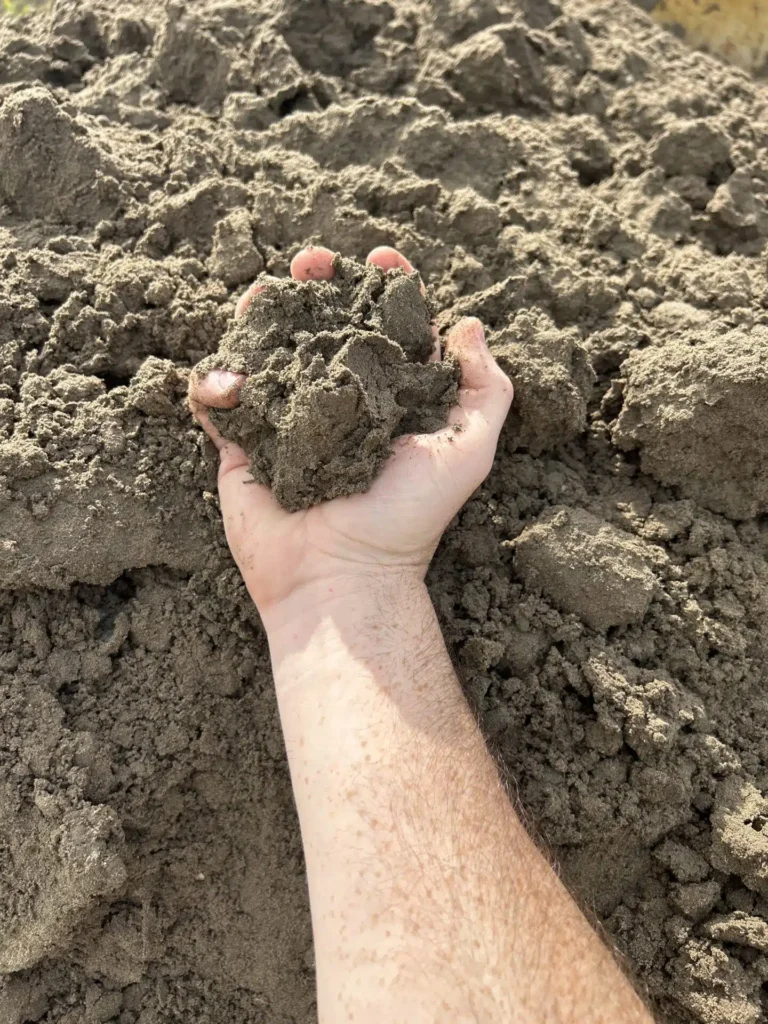 CALCULATORFill Dirt Volume CalculatorYards of fill dirt for grading, low-spot repair, or building pad prep.Open calculator →CALCULATORPlanter Soil CalculatorVolume of garden soil or planting mix for raised beds and planters.Open calculator →CALCULATORCompost CalculatorUse this compost calculator to find how many cubic yards of compost your beds or lawn need, plus depth and ordering guidance.Open calculator →
Related guides
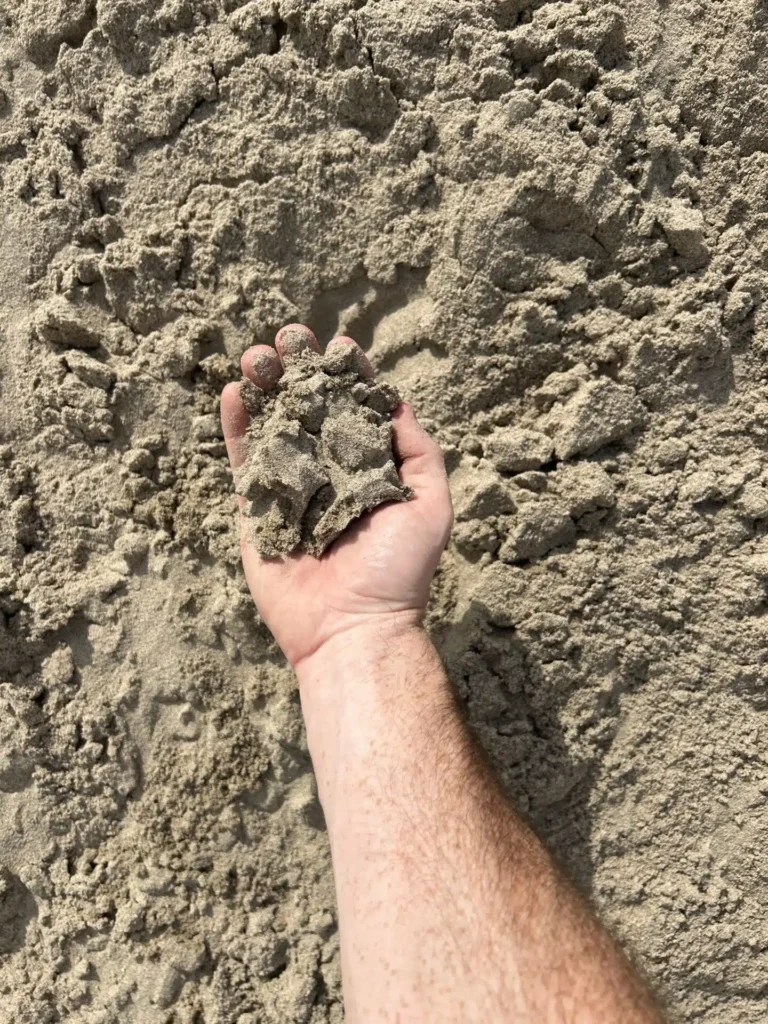 GUIDEHow Deep Should a Gravel Driveway Be? Layer GuidePractical, field-tested guide: how deep should gravel driveway be. Pulled from real US installer notes and 2026 supplier price data.Read guide →
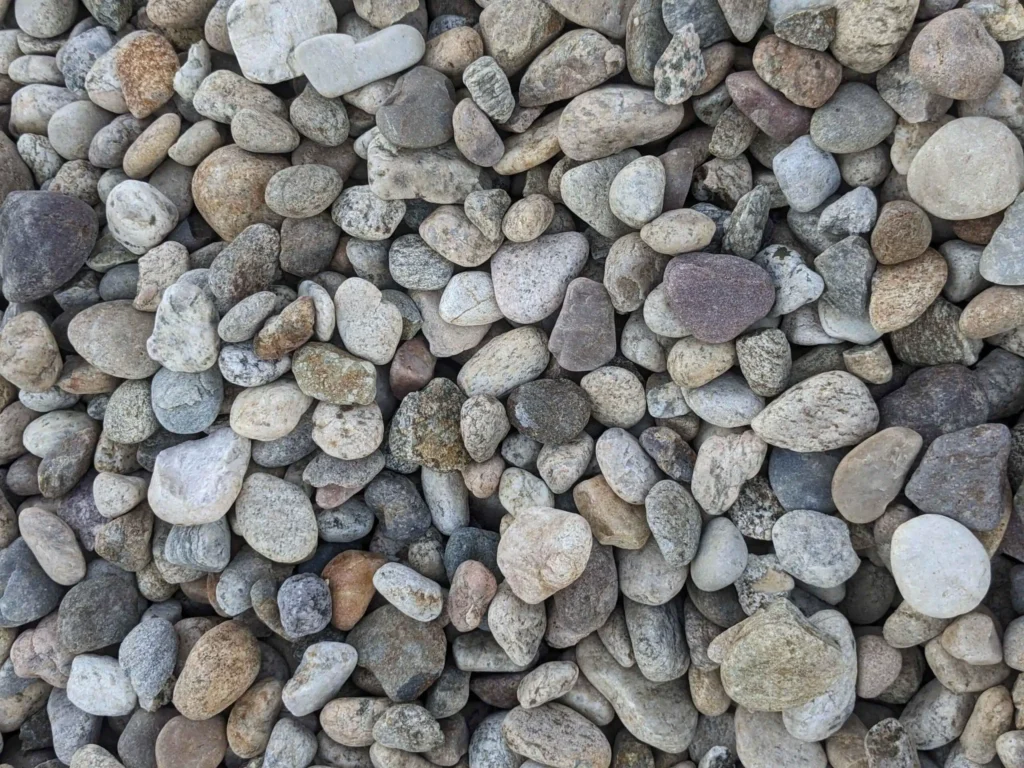 GUIDEHow Much Does River Rock Cost? By Ton or YardRiver rock cost depends on your ZIP code, order size, and whether you buy by the ton or the cubic yard. Here is how pricing works.Read guide →
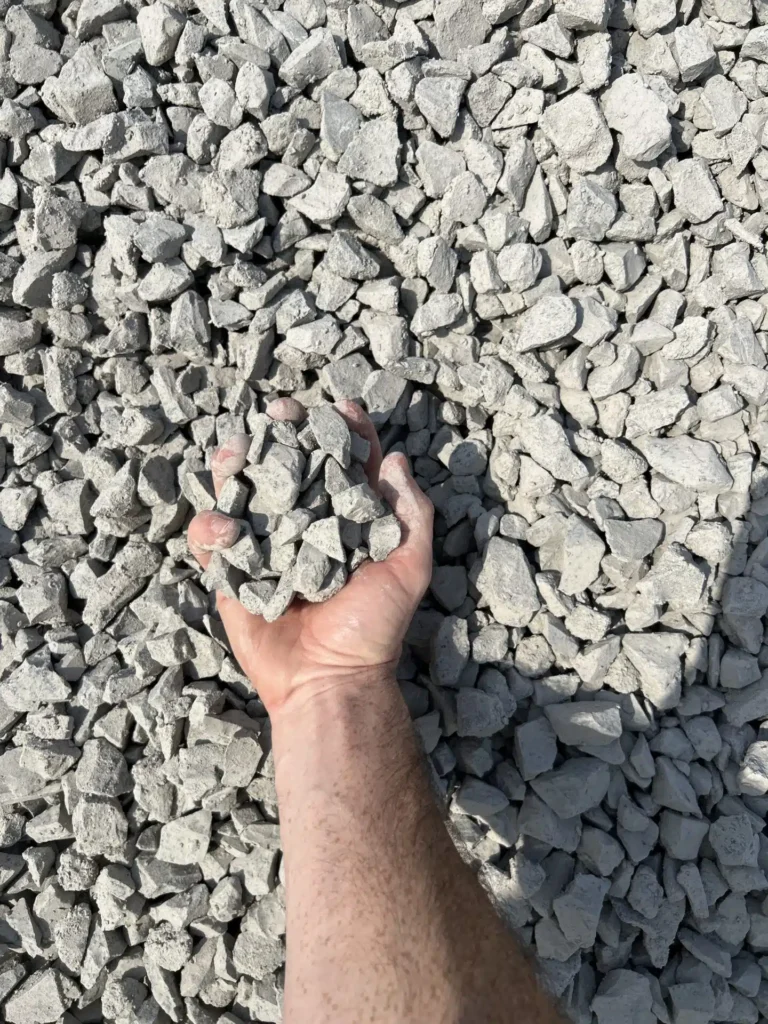 GUIDEWhat Size Crushed Stone Goes Under a Concrete SlabMost slabs need 4 to 6 inches of compacted crushed stone underneath. What size crushed stone under a concrete slab needs, and why it matters.Read guide →GUIDEWhat Is Crushed Stone? Sizes, Uses and Buying BasicsCrushed stone is quarried rock crushed and screened into angular pieces sold by the ton. Here is what it is, how it is graded, and where to use it.Read guide →
Frequently Asked Questions
How does this calculator work?
Enter your area in square feet and depth in inches. We convert to cubic yards, multiply by density to get weight, and divide by 2,000 to get tons.
What if I don't know the depth?
Driveways: 4 inches. Patios: 2-3 inches. Drainage trenches: 6-12 inches. Decorative beds: 2 inches over fabric.
Why are tons and yards different?
Cubic yards measure volume; tons measure weight. Density (lbs per cubic foot) is the conversion factor - heavier rock means more tons per yard.
How accurate is the estimate?
Within 10% for typical residential jobs. Always order a little extra (5-10%) to cover compaction, spillage, and edge waste.
Does the price include delivery?
The calculator shows material cost only. Delivery fees vary by distance and load size - get a real quote for a delivered total.
Can I use this for mulch or topsoil?
Use the dedicated mulch or topsoil calculator - densities differ from gravel, and the math changes.
What's the standard truck load size?
Tandem dump trucks haul about 15 tons or 10 cubic yards. Smaller 5-yard trucks are available for tight access.
Should I round up the order?
Yes - round up to the nearest half-ton or full yard. The price-per-ton drops on larger orders.