
Drainage & Base
Drainage & Base materials, delivered nationwide. Filter by category below or browse the full range.
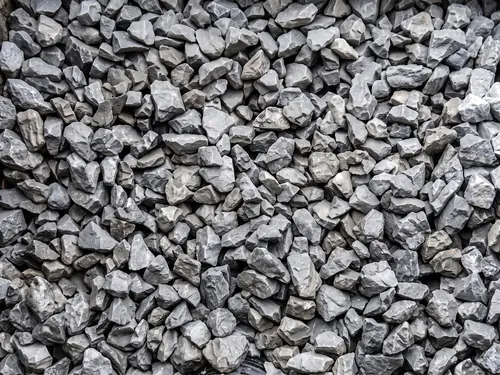
Starting from $212 delivered- Size1 - 2″
- Density2700 lb/yd³
- ColorGray
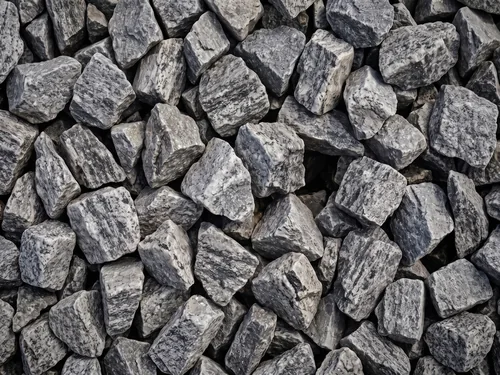 Starting from $264 delivered
- Size2 - 3″
- Density2900 lb/yd³
- ColorGray
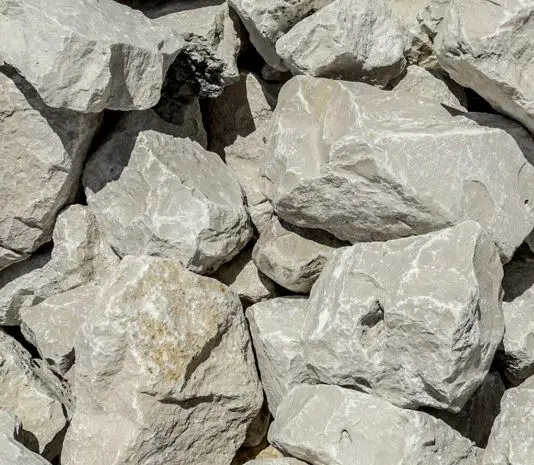 Starting from $220 delivered
- Size4 - 9″
- Density2700 lb/yd³
- ColorGray
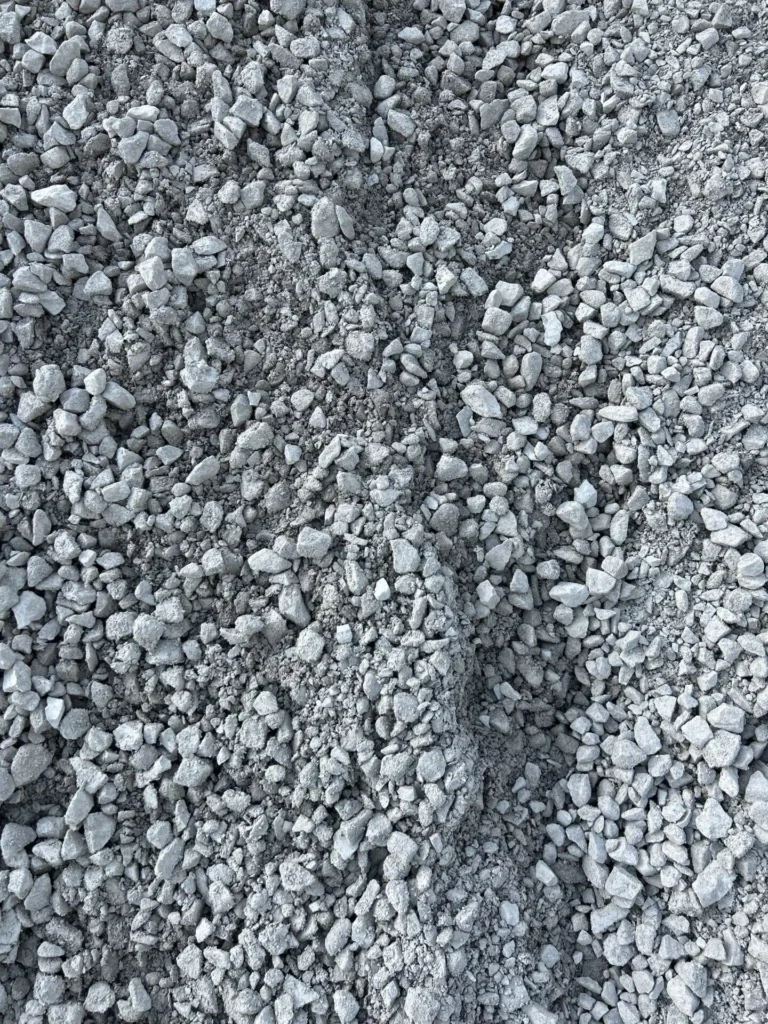 Starting from $219 delivered
- SizeDense-graded, varies
- Density2850 lb/yd³
- ColorGray
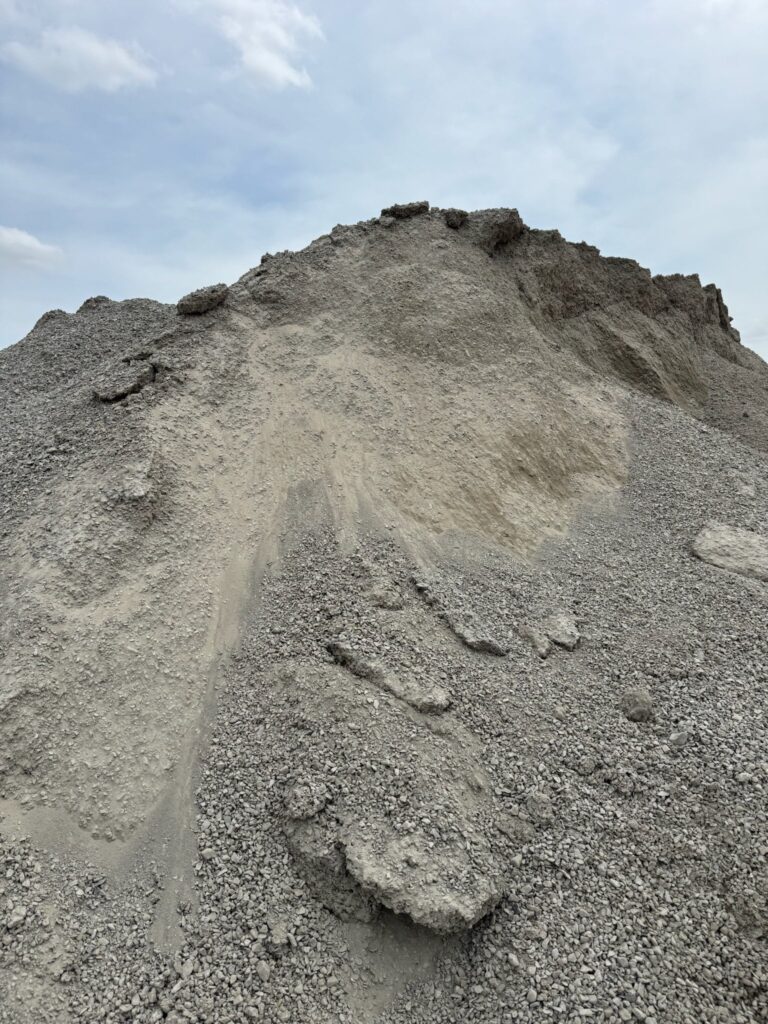 Starting from $211 delivered
- Size0 - 1/4″
- Density2800 lb/yd³
- ColorGray
Drainage and base course aggregates are the invisible foundation of every long-lasting outdoor project. Washed clean stone for French drains, dense crusher run for paver bases, road base for driveway sub-grade, paver base for patios. These materials cost less per ton than the visible finish layer, but the choice between getting them right or getting them wrong is the choice between a project that lasts 20 years and one that fails in five.
What this category covers
Drainage materials move water away from a structure or out of a low-spot. The key spec is the absence of fines (stone dust and small particles that clog the void space). #4 crushed stone and 3/4 inch washed stone are the two most common drainage picks: large enough to maintain void space under load, washed clean of fines so water flows freely. Drain rock (1 to 2 inch washed) is the contractor-favorite around perforated pipe.
Base course materials do the opposite job: they compact tight to support load. Road base (a quarry-graded blend designed to interlock), Class 5 base (a Midwest term for the same idea), paver base (a finer 0 to 1/4 inch grade for patio underlayment), stone dust screenings (the dust-grade leftover from crushing, used as a final leveling layer under pavers), and railroad ballast (the heavy 2 to 3 inch grade used under rail spurs and as massive drainage fill).
When to use which drainage material
French drains around a foundation use 3/4 inch washed stone. The stone surrounds a perforated pipe wrapped in geotextile fabric, and the whole assembly sits in a trench 12 to 18 inches deep. The 3/4 inch size is the sweet spot: large enough to keep void space open under the weight of soil above, small enough to fit in a 6 inch trench. Skip the fabric and the trench clogs with silt in three to five years.
Drain rock (1 to 2 inch) handles higher-volume drainage and behind-the-wall situations where the larger void space matters more than fitting in a narrow trench. Septic field aggregate is its own world: most US codes require a specific gradation (typically a 3/4 to 1.5 inch washed stone), and the local health department will spec the exact size during permit review. Do not substitute without re-permitting.
Base course math for driveways and patios
The base course depth depends on the soil under it. For a residential driveway over compacted clay or silt loam, 4 to 6 inches of crusher run or road base compacted in two lifts is the standard. Sandy soils that drain freely can get away with 4 inches. Wet clay soils, frost-heave-prone northern climates, and commercial loading need 8 to 12 inches in two or three lifts with a plate compactor or vibratory roller between lifts.
or paver base topped with 1 inch of stone dust screenings as the final setting bed. The screenings layer is critical: it is what you screed flat to lay the pavers on, and it is what lets you lift and re-set a paver during install. Skipping the screenings layer and setting pavers directly on the coarser base course is a common DIY error that shows up as uneven settling in year two.
Pricing and tonnage
Drainage and base materials are the lowest-priced category in the aggregate yard. Crusher run runs $41 to $163 per ton delivered. Road base and Class 5 sit at $41 to $163. Paver base and screenings at $44 to $91. 3/4 inch washed drain stone at $44 to $197 (the washing process adds cost). Railroad ballast at $97 to $147 because it ships from fewer quarries.
Tonnage for a typical residential driveway base: 12 to 16 tons of crusher run for a 600 square foot driveway at 5 inches compacted. For a 200 square foot patio: 3 to 4 tons of paver base plus 1 to 1.5 tons of screenings. Full-truck orders of 20 tons or more save 15 to 20 percent because the yard avoids a partial-return haul.
Installation patterns that fail
Three install patterns produce predictable failures. First, base course laid in a single lift thicker than 4 inches will not compact tight even with a heavy roller. The bottom inch stays loose and pavers above settle into it over the first winter. Always run two lifts of 3 to 4 inches each, with a compaction pass between them.
Second, drainage stone with fines (unwashed or low-grade) clogs the void space within two years. Pay the extra $4 to $8 per ton for washed stone on any drainage application. Third, fabric placement: filter fabric goes between the soil and the drainage stone, never above the stone. Above-stone fabric traps silt at the surface and the drain fails. Below-stone fabric keeps soil from migrating into the void space and the drain works for 20 plus years.
Frequently Asked Questions
What size stone for a French drain?
3/4 inch washed stone is the standard. Wrap a 4 inch perforated pipe in 4 to 6 ounce geotextile fabric, trench 12 to 18 inches deep with a slight slope away from the structure, and surround the pipe with the washed stone up to within 4 inches of grade.
Can I use crusher run as a final patio surface?
No. Crusher run is a base material with fines that turn to mud in rain. Use it as the compacted base layer under pavers, gravel, or concrete, then top with the appropriate finish material.
How deep should base course be for a driveway?
4 to 6 inches for residential driveways on average soil. 8 to 12 inches in two or three lifts for commercial loading or wet clay soils. Always compact between lifts with a plate compactor or roller.
What is the difference between road base and Class 5?
Essentially the same product under different regional names. Road base is the East Coast and South term, Class 5 is used in Minnesota, Wisconsin, and the Upper Midwest. Both are quarry-graded blends of stone fragments through stone dust that interlock and compact into a stable base.
Do I need to wash drainage stone?
Yes, for any application where water needs to flow through the void space. Washed stone has had the stone dust rinsed off. Unwashed stone with fines will clog within two to three years and the drain stops working.
Drainage & Base delivery coverage across the US
Pick your state for local pricing, lead times, and a supplier ready to quote. ZIP routing covers the gaps for any city not listed.
Texas
39 citiesView Texas deliveries →- Abilene
- Amarillo
- Arlington
- Austin
- Brownsville
- Carrollton
- College Station
- Conroe
- Corpus Christi
- Dallas
- Dayton
- Denton
- El Paso
- Fort Worth
- Frisco
- Garland
- Grand Prairie
- Houston
- Huntsville
- Irving
- Katy
- Killeen
- Laredo
- League City
- Lewisville
- Lubbock
- McAllen
- McKinney
- Mesquite
- Midland
- New Braunfels
- Pasadena
- Pearland
- Plano
- Round Rock
- San Antonio
- Sugar Land
- Tyler
- Waco
Florida
36 citiesView Florida deliveries →- Boca Raton
- Brandon
- Cape Coral
- Clearwater
- Coral Springs
- Davie
- Daytona Beach
- Fort Lauderdale
- Fort Myers
- Gainesville
- Hialeah
- Hollywood
- Jacksonville
- Kissimmee
- Lakeland
- Lehigh Acres
- Miami
- Miramar
- Ocala
- Orlando
- Palm Bay
- Pembroke Pines
- Pensacola
- Pompano Beach
- Port Charlotte
- Port Saint Lucie
- Saint Petersburg
- Sanford
- Sarasota
- Spring Hill
- Sunrise
- Tallahassee
- Tampa
- Venice
- West Palm Beach
- Winter Garden