
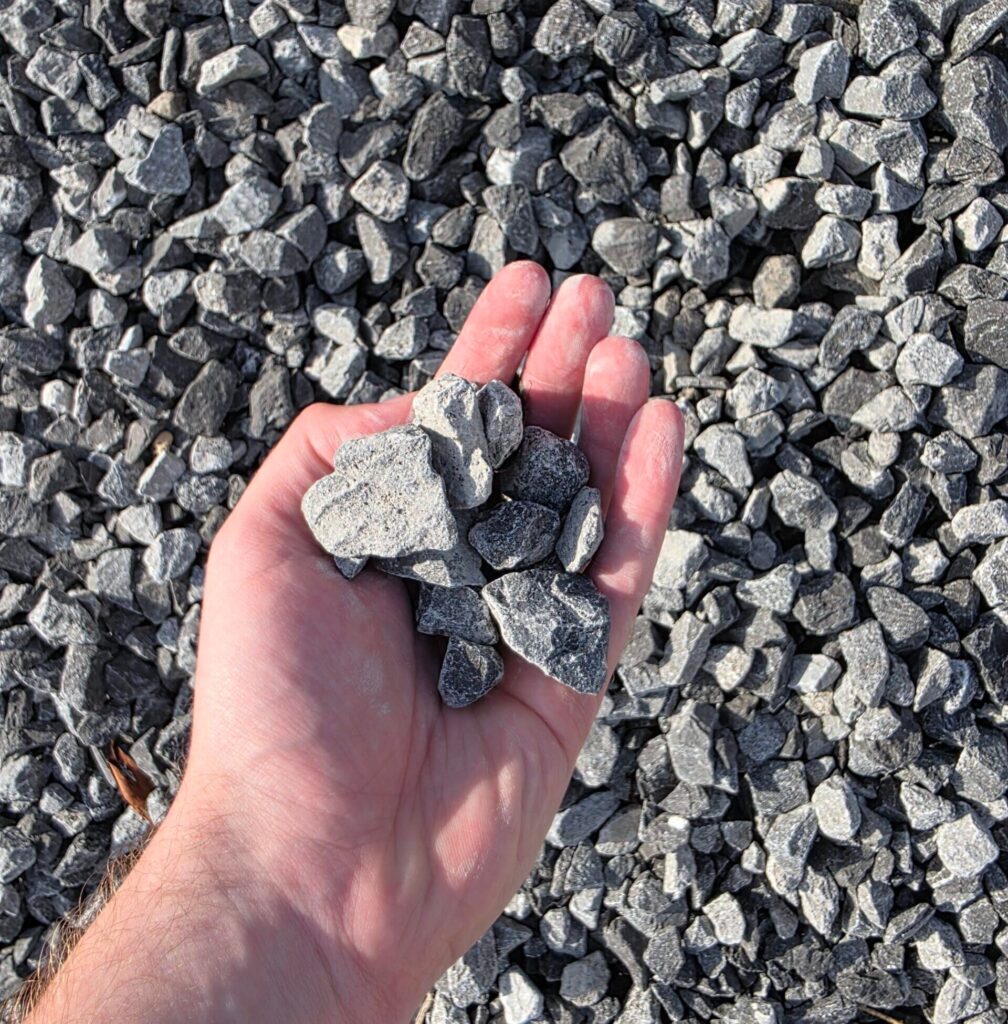
Driveway Gravel for Vancouver WA
Material picks, pricing, and pro tips for driveway gravel projects in Vancouver, WA.
Driveway Gravel for Vancouver's Wet Climate
Vancouver sits in the Portland metro area's lush Willamette Valley region, where annual rainfall exceeds 40 inches. This wet climate demands durable gravel that drains well and resists washout. #57 Crushed Stone and Asphalt Millings both handle the moisture and seasonal flooding that occur in the region. A properly built driveway gravel base prevents water from pooling and keeps your surface stable through wet winters and spring rains. The clay and silt soils common around Vancouver require careful site preparation to ensure adequate slope and drainage.
Selecting Materials for Pacific Northwest Conditions
Asphalt Millings are an excellent choice for Vancouver's rainy climate. The recycled asphalt material binds together when compacted and warmed by the sun, creating a nearly water-resistant surface that reduces dust and sheds rainfall effectively. The dark color hides mud splatter and weathering. Crushed Stone offers a cleaner, lighter aesthetic and drains water very quickly, which suits the region's heavy rain. These aggregates are priced individually per ton. In Vancouver's wet environment, compaction is critical. A well-compacted surface creates a relatively impermeable layer that channels water away from the base instead of soaking into it.
Sizing Your Order and Gravel Depth
Vancouver driveways typically need 5 to 7 inches of compacted gravel due to the moisture and vehicle weight that comes with urban density. Calculate using the cubic-yard-to-ton formula: length in feet times width in feet times depth in inches, divided by 324. A 20-foot by 10-foot driveway at 6 inches deep requires approximately 3.7 tons; at 7 inches, closer to 4.3 tons. Use the calculator to run these numbers quickly. Because Vancouver receives heavy rain, err on the side of thicker gravel to prevent settling into soft subgrade. When your Vancouver-area order reaches 15 tons or more, delivery costs nothing.
Vancouver's Rainfall and How to Handle It
Winter and spring rains dominate Vancouver's weather pattern. Proper slope is essential: pitch the driveway so water runs away from buildings and structures. Plan for drainage channels or swales along the driveway edges. Avoid low spots where water collects and softens the base. In flat lots, consider raising the driveway slightly above surrounding grade or adding perimeter drainage. The region's heavy rainfall also makes spring maintenance critical. After winter, rake the driveway to redistribute settled material and inspect for soft spots or erosion. The combination of adequate slope, proper compaction, and regular maintenance keeps gravel driveways functional through wet Pacific Northwest winters.
Ordering and Installing Driveway Gravel in Vancouver
Delivery in Vancouver typically arrives within 1 to 2 business days for small orders, with a delivery charge included. Orders of 8 tons or more are eligible for same-day or next-day service with reduced delivery fees. Fifteen tons or more qualifies you for free delivery to the Vancouver area. Once your gravel arrives, spread it evenly using tools or equipment. Compaction is the key step: use a plate compactor, walk-behind roller, or vibrating compactor to pack the material firmly into the subgrade. Proper compaction bonds the aggregate, sheds water effectively, and creates the stable surface Vancouver's wet climate demands.
About Driveway Gravel projects
Gravel driveways are economical, simple to maintain, and built from materials that withstand repeated seasons of weather and traffic. Pick from durable aggregates that pack solid, shed water and stress, and allow easy refreshment.
Recommended materials for
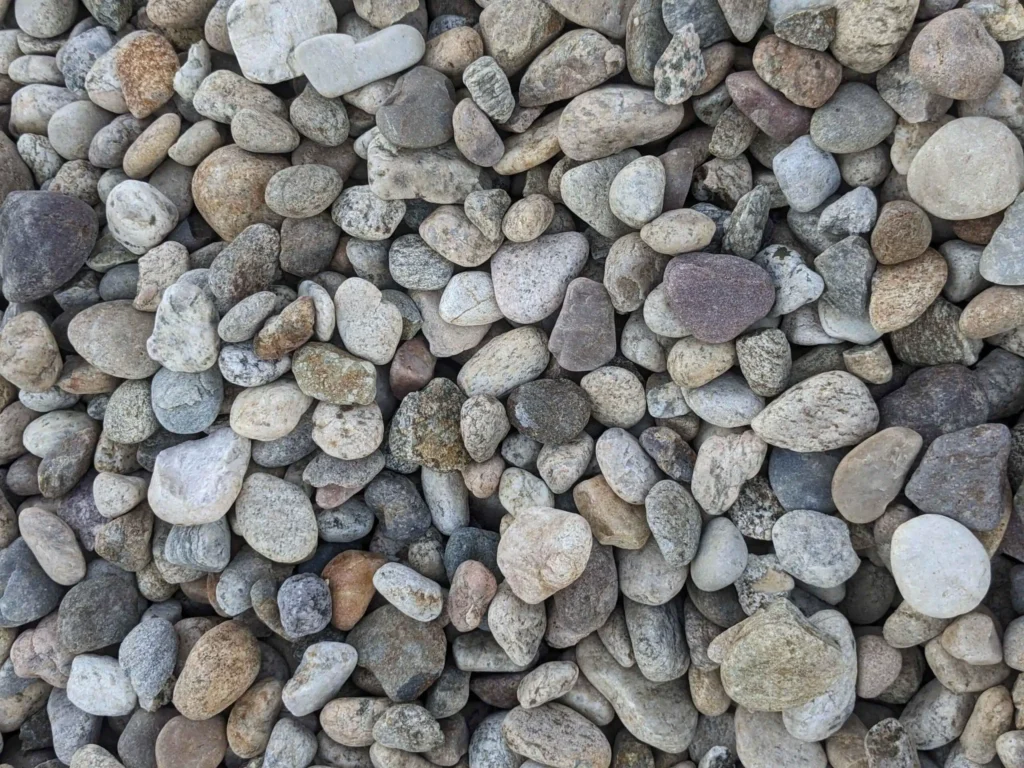 Price by ZIP
- Size1 - 3″
- Density2700 lb/yd³
- ColorMixed natural
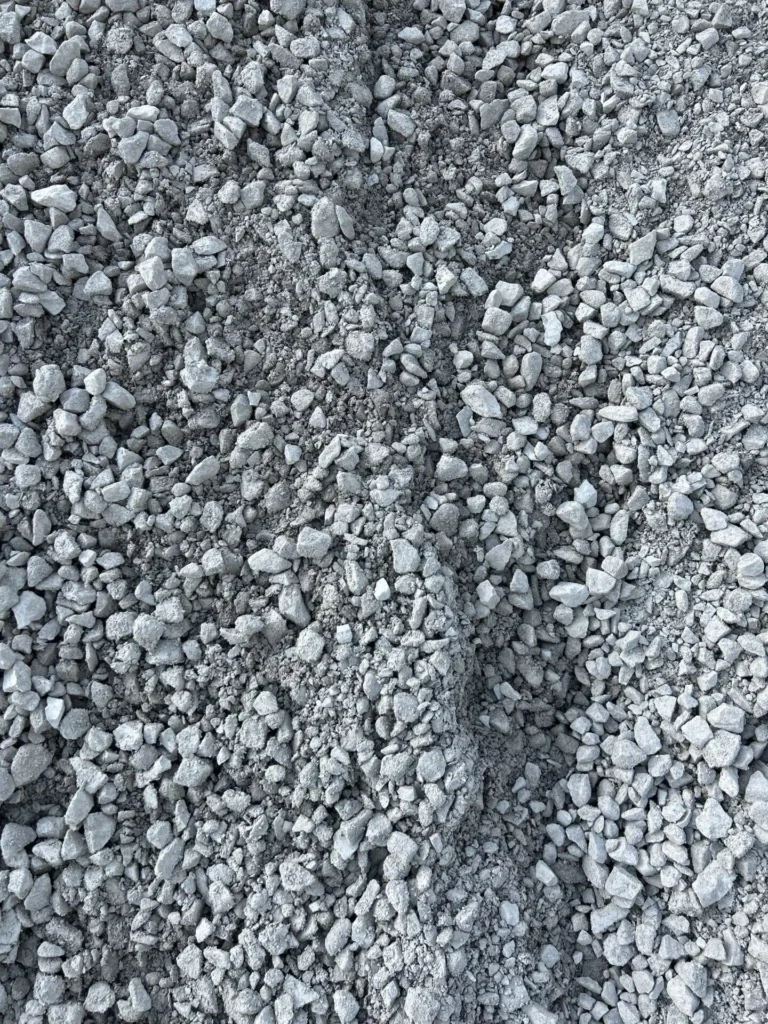 Price by ZIP
- SizeDense-graded, varies
- Density2850 lb/yd³
- ColorGray
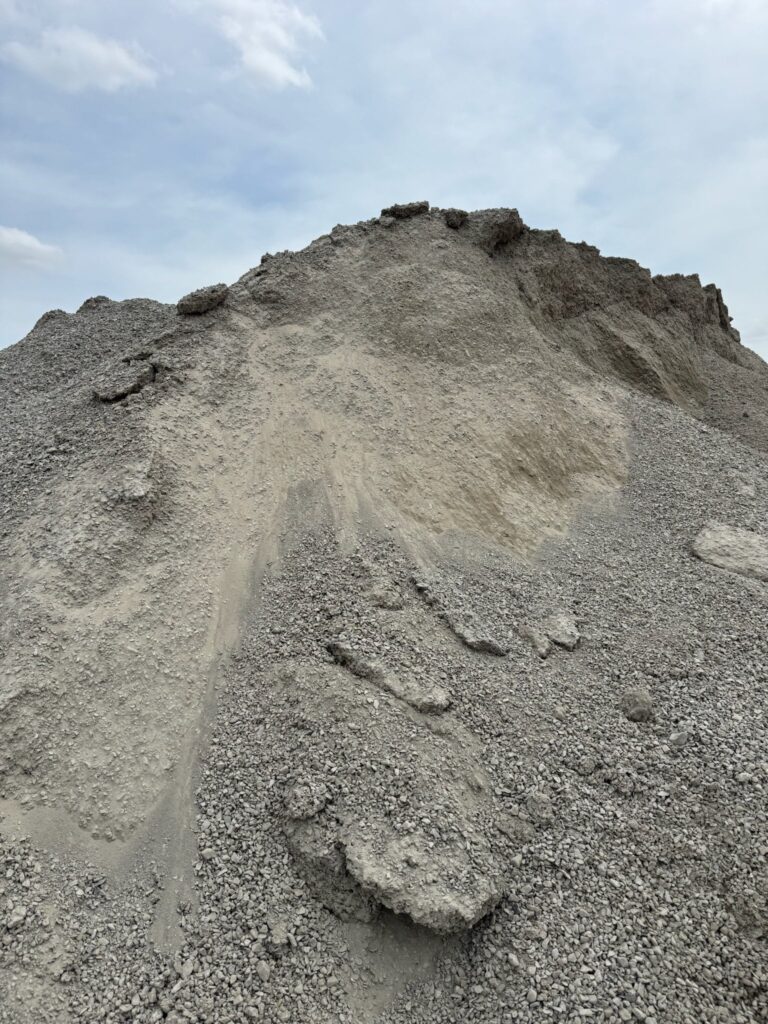 Price by ZIP
- Size0 - 1/4″
- Density2800 lb/yd³
- ColorGray
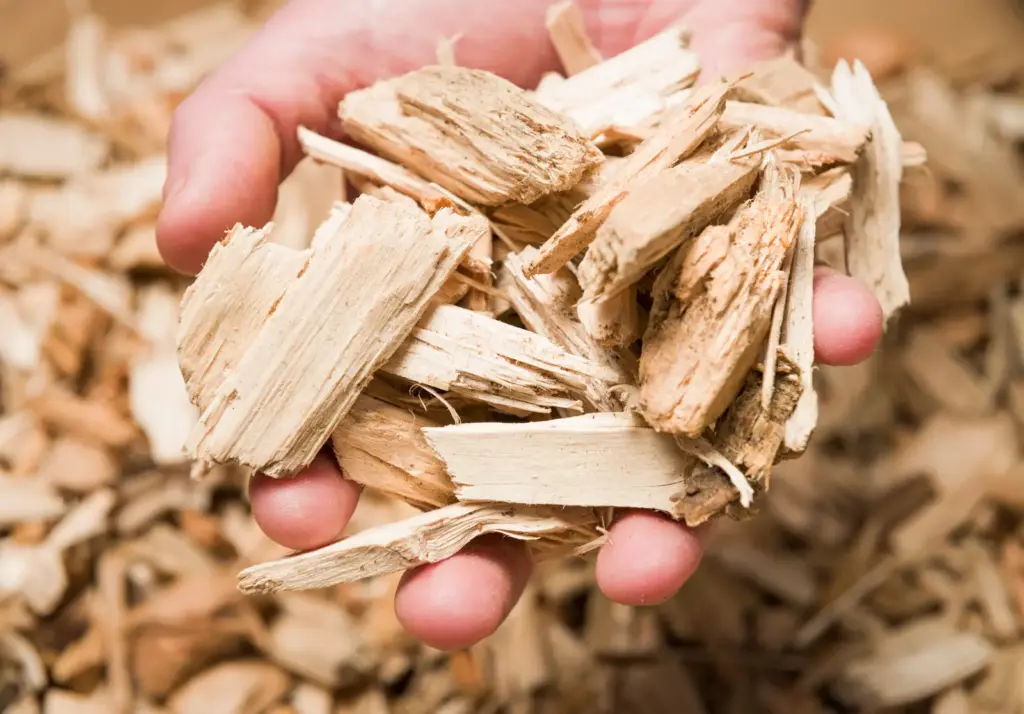 Price by ZIP
- Density600 lb/yd³
- ColorNatural wood
How a driveway gravel project goes
- Plan for DrainageMeasure driveway dimensions and identify water flow patterns on your property. Vancouver's 40-inch annual rainfall demands careful slope planning. Aim for 5 to 7 inches of material in this wet climate to provide a buffer against drainage failure.
- Determine Tonnage with Local DataUse the calculator to compute tons needed. Multiply length feet times width feet times depth inches, then divide by 324 for cubic yards. Both crushed stone and asphalt millings sell by the ton. Order a bit extra to account for settling in rainy months.
- Build a Strong FoundationClear the area completely. Compact soil firmly and add landscape fabric to prevent subgrade mixing. In Vancouver's wet conditions, a weak foundation will soften and fail. Excellent preparation is the key to durable performance.
- Install and Compact ThoroughlySpread material evenly and compact in multiple passes. Use a heavy plate compactor to achieve maximum density. In wet climates, compaction prevents water infiltration. The tighter the material, the better it sheds rain.
- Plan for Year-Round CareRake and level in spring and fall. Monitor for soft spots and water pooling after heavy rain. Refresh the driveway every 1.5 to 2 years in Vancouver's climate, sooner than drier regions, to maintain performance.
Estimate your material
Calculate Your Project
Estimate only. Add 10-15% for compaction and waste.
Driveway gravel in Vancouver's climate
What works in Vancouver starts with how Washington weathers a year. Damp marine climate with frequent rain. Drainage is the dominant design factor on every project. For driveway gravel work specifically, that means choosing material that handles local moisture and traffic loads without re-dressing every season.
The small market profile of Vancouver also shapes how a project runs. Most jobs are residential, with the occasional school or municipal project. Truck access is usually wide and turnarounds run fast.
Where we deliver driveway gravel material in Vancouver
Our delivery footprint around Vancouver covers the core city plus a typical 35-mile radius. Recent driveway gravel drops have included:
- in-town craftsman homes in and around Vancouver
- townhouse rows in newer developments in and around Vancouver
- light industrial yards near the rail line in and around Vancouver
- rural acreage outside the limits in and around Vancouver
If your address is outside that radius, send your ZIP through the contact form and we will confirm coverage within an hour.
Pricing for driveway gravel in Vancouver
Here is what the recommended driveway gravel materials are running in Vancouver right now. Full-truck orders (16 tons or more) typically save 15 to 20 percent off these per-ton rates.
| Material | Price from |
|---|---|
| River Rock Delivery to Vancouver, WA | Quote on request |
| Road Base Delivery in Vancouver, WA | Quote on request |
| Stone Dust Delivery in Vancouver, WA | Quote on request |
| Wood Chips Delivery in Vancouver, WA | Quote on request |
Browse more
Recommended materials in Vancouver
Same project in nearby cities
Tools to plan your project
Related guides
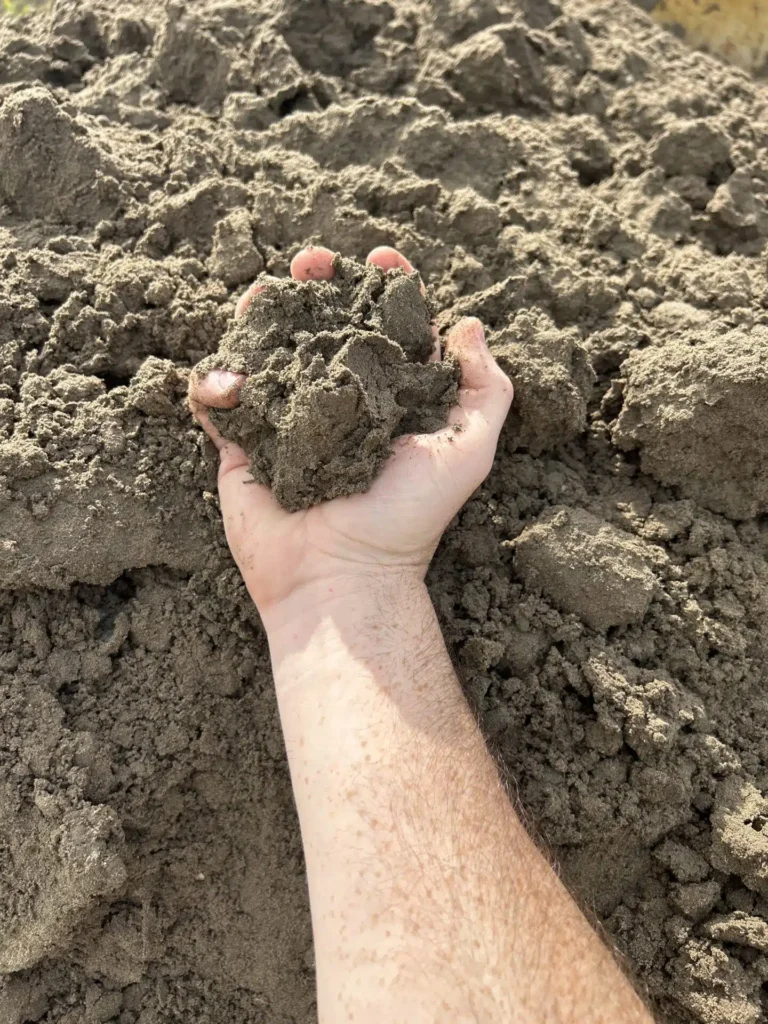 GUIDEWhat Is #57 Stone? Uses, Size, and Cost ExplainedPractical, field-tested guide: what is 57 stone. Pulled from real US installer notes and 2026 supplier price data.Read guide →
 GUIDEHow Deep Should a Gravel Driveway Be? Layer GuidePractical, field-tested guide: how deep should gravel driveway be. Pulled from real US installer notes and 2026 supplier price data.Read guide →GUIDEHow Much Does River Rock Cost? By Ton or YardRiver rock cost depends on your ZIP code, order size, and whether you buy by the ton or the cubic yard. Here is how pricing works.Read guide →
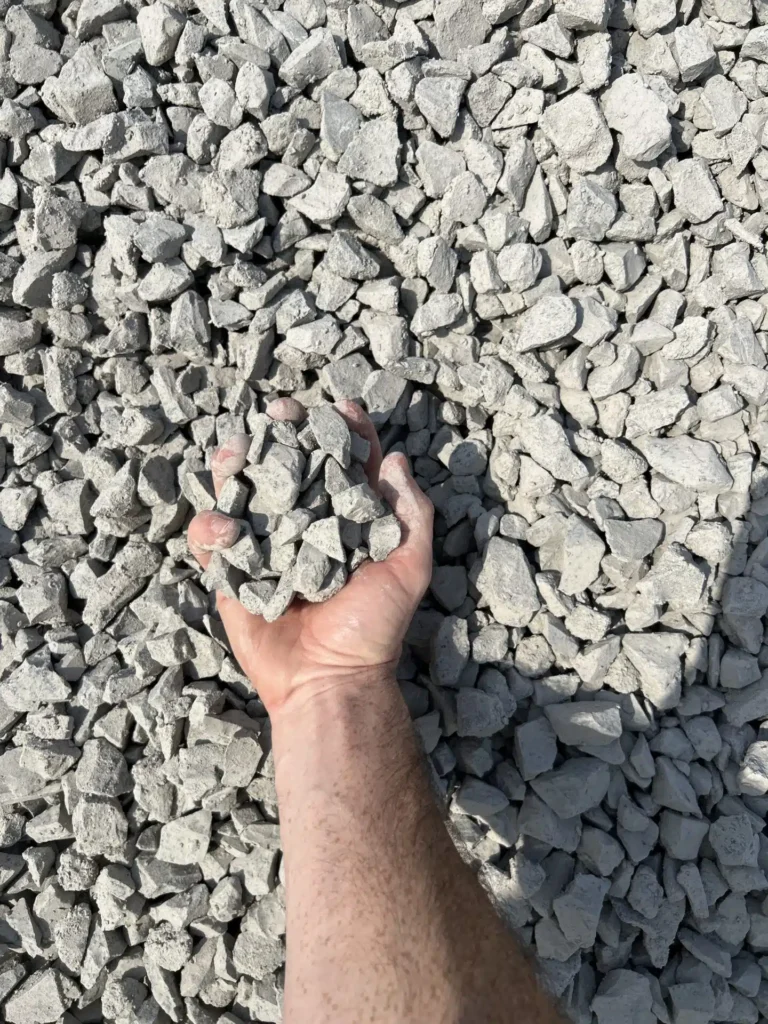 GUIDEWhat Size Crushed Stone Goes Under a Concrete SlabMost slabs need 4 to 6 inches of compacted crushed stone underneath. What size crushed stone under a concrete slab needs, and why it matters.Read guide →
Frequently Asked Questions
Why does compaction matter so much in Vancouver?
Compacted gravel creates a relatively impermeable surface that sheds rain instead of absorbing it. Loose gravel allows water to percolate into the subgrade, softening it and causing ruts. Vancouver's heavy rainfall makes tight compaction the difference between a durable driveway and a muddy mess.
How often should I refresh gravel in a wet climate?
Vancouver driveways benefit from refreshing every 1.5 to 2 years instead of the typical 2 to 3. Heavy rain accelerates settling and compaction. Annual raking and spring redistribution extend the intervals. Monitor for soft spots and top off before they become problems.
Should I use crushed stone or asphalt millings?
Both work. Crushed stone drains water rapidly and suits slope areas well. Asphalt millings bind together and create a nearly weatherproof surface, ideal for flat or low-lying driveways where water pooling is a risk. Choose based on your driveway's terrain and your preference for appearance.
What do I do about water pooling on my driveway?
Pooling indicates insufficient slope or a low spot in the subgrade. Rerake material to raise low areas or pitch it more steeply. For chronic pooling, build up the low end or add edge drainage channels to direct water away from the driveway surface.
How much does driveway gravel cost in Vancouver?
Vancouver driveway gravel is available in bulk at tiered pricing for orders of 15 tons or more, with free delivery included. Smaller shipments incur a delivery charge. Contact us with your dimensions and tonnage estimate for a quote specific to Vancouver.
Do I need landscape fabric under the gravel?
Yes, landscape fabric is highly recommended in Vancouver. It prevents weeds from growing up through the gravel and keeps the subgrade from mixing with your material. Lay it over prepared soil before spreading gravel on top.
Can I use gravel on a slope?
Yes, but slopes steeper than 1 inch drop per 8 horizontal feet may allow runoff to carry gravel downhill. On moderate slopes, proper compaction and regular raking keep material in place. Very steep slopes may need retaining edges or different surface materials.
What happens if the driveway settles unevenly?
Uneven settling is normal and is remedied by raking and redistributing material into low spots. After winter or heavy rain, inspect the surface and level it by hand. Add fresh gravel if settling is severe, and improve subgrade compaction when you refresh the driveway.