Pea Gravel Patio Calculator
Quickly estimate cubic yards, tons, and material cost for your Pea Gravel project. Adjust the inputs below and the result updates in real time.
Calculate Your Project
Estimate only. Add 10-15% for compaction and waste.

How this calculator works
Cubic yards = (area sq ft × depth in ÷ 12) ÷ 27
Tons = cubic yards × density × 27 ÷ 2000
Estimated price = tons × price per ton
Free Pea Gravel Patio Calculator - enter your area in square feet and depth in inches and get instant tons, cubic yards, and an estimated material cost.
Built for US contractors and DIY homeowners. Densities updated to reflect 2026 quarry stockpile measurements.
What the Pea Gravel patio calculator computes
Pea Gravel's 2,800 lb per cubic yard density. A typical 200 square foot patio at the recommended 2 inch finished depth needs 33 cubic feet or 1.25 cubic yards, which is about 1.75 tons.
sits on top of a base course. The pea-gravel-only number gives you the visible material, but the install also needs a 2 inch compacted base of Paver Base or Crusher Run underneath. So the full project tonnage is roughly double what the surface calculation alone suggests. Order both materials at the same time and the yard often combines them into one truck for a single delivery fee.
Pea Gravel size and depth conventions
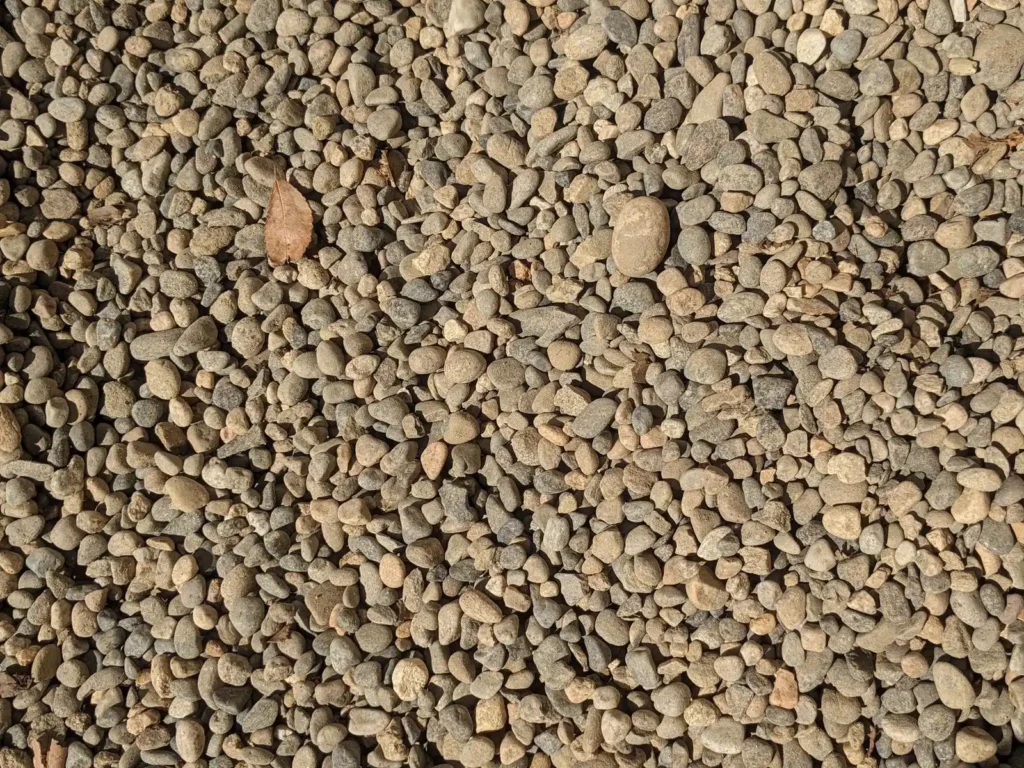
"Pea gravel reads as the classic patio grade: small enough to walk on barefoot, large enough to stay in place under light foot traffic. Smaller grades (1/4 inch and under) feel like beach sand underfoot and migrate too easily for a patio surface. Larger grades (1/2 inch and up) read as decorative river rock and are uncomfortable on bare feet.
The finished depth target is 2 inches over a compacted base. Going deeper than 3 inches makes the surface feel like loose sand and exhausts anyone trying to walk across it. Going shallower than 1.5 inches and the base course shows through where chairs dig in. The 2 inch target settles to about 1.5 inches of dense walking surface after the first year of use, which is why most installers plan a top-up of one to two cubic yards every 4 to 6 years for a heavily-used patio.
Base course, edging, and the full system
A Pea Gravel patio is really three layers working together. The base is 2 inches of Paver Base or Crusher Run, screeded level and compacted with a plate compactor (rentable at any hardware store for $60 to $80 per day). On top of the base goes a layer of 4 to 6 ounce woven landscape fabric pinned with 6 inch galvanized staples every 18 inches along edges and seams. The fabric keeps the soil from migrating up into the gravel layer and the gravel from sinking into the soil. Skipping fabric saves about $30 per 100 square feet and costs you a yearly weekend of pulling weeds.
Edging holds the perimeter. Steel landscape edging is the most durable choice ($1 to $3 per linear foot installed). Treated 2x6 lumber buried 4 inches on edge works for 10 to 15 years. Poured concrete curbs cost more but never need replacing. Without edging, the pea gravel migrates into the surrounding lawn or beds at a rate of about one cubic foot per linear foot of unprotected edge per year.
Pricing and ordering for a typical patio
3/8" Natural Pea Gravel runs $43 to $321 per ton delivered. Paver Base, totaling roughly $200 to $320 in materials delivered. Fabric and edging add another $80 to $150 depending on the perimeter length.
Same-day delivery windows are usually open before 11 AM with 1 to 2 day lead times as standard. A small-volume drop of under 3 tons usually arrives on a tandem-axle truck rather than a full tri-axle, which fits most residential driveways without scraping a low-hanging branch or scuffing a curb. Tell the dispatcher about access constraints when you order; they have shorter trucks for tight lots if you ask in advance.
Order 10 to 15 percent overage on the pea gravel itself. The first few weeks of foot traffic settle the surface, and a small top-up at the one-month mark levels the spots that compacted faster than the rest. Store the extra under a tarp; pea gravel keeps indefinitely as long as it stays dry-ish.
Mistakes that turn a one-day install into a re-do
The most common mistake is laying Pea Gravel directly on bare soil. The patio looks finished for about three months. Then the gravel disappears as it sinks into the soil and the bed turns into a weed garden. Always install the base course and fabric, even on dry clay soils that look stable. The 2 inches of Paver Base costs about $50 for a 200 square foot patio and is the single biggest predictor of whether the install lasts 10 years or fails by the next spring.
The second mistake is no edging. Pea Gravel has a 100 percent migration rate at any unprotected edge. Within one year, the patio looks like an undefined gravel zone bleeding into the lawn. Edging is the difference between a finished patio and a gravel pile.
The third mistake is over-depth. Three inches of Pea Gravel feels like wet sand underfoot. The temptation when ordering is to round up generously, but more is not better here. Stick to the 2 inch finished target on top of the 2 inch compacted base. Save the leftover gravel for the inevitable top-up year three or four.
Pea Gravel maintenance through the seasons
Pea Gravel patios need predictable seasonal attention. In spring, rake the surface to redistribute gravel that migrated during winter, top up any thin spots with leftover gravel from the original install, and inspect the edging for displacement. In summer, the surface needs no maintenance beyond occasional debris removal; a leaf blower handles tree-drop on a heavily-treed patio in 5 minutes.
In fall, rake fallen leaves promptly; leaves left on Pea Gravel decompose into the gravel surface and create a thin organic mat that supports weed germination the following spring. A leaf blower works for light coverage; for heavy leaf-fall under deciduous trees, a tarp laid on the patio before leaf fall and lifted weekly is the lowest-effort solution.
In winter, freeze-thaw cycles loosen the perimeter edging. Plan a quick edge inspection in early spring to reset any displaced edging before the patio sees use. For patios in regions with snow, avoid metal snow shovels that scrape Pea Gravel up with the snow; a plastic snow shovel or a leaf blower on a powerful setting clears snow without disturbing the surface.
Annual cost for Pea Gravel patio maintenance averages $20 to $50 in materials, which covers a half-yard top-up of fresh gravel plus a few replacement edging staples or stakes. Schedule the maintenance for early spring once the ground is no longer frozen. Patios that get this annual half-hour of attention look essentially the same in year 10 as they did the day of install.
Materials this calculator covers
From $43.24/ton- Size1/4 - 3/8″
- Density2800 lb/yd³
- ColorTan / mixed
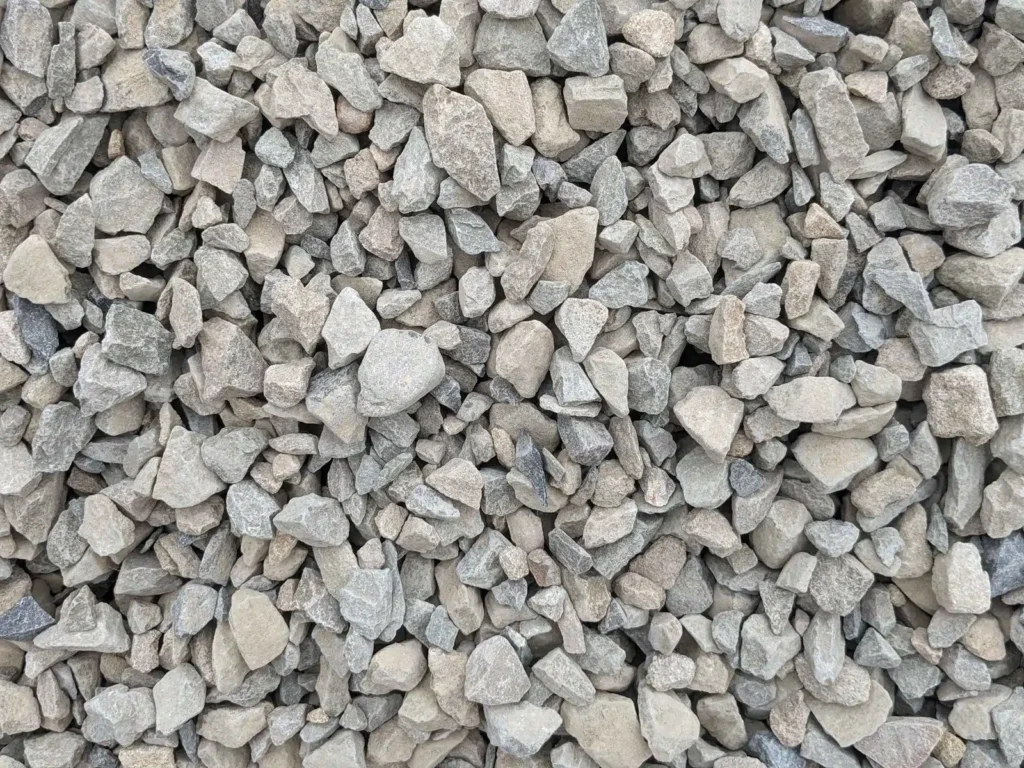 From $44.17/ton
- Size0 - 1/4″
- Density2800 lb/yd³
- ColorGray
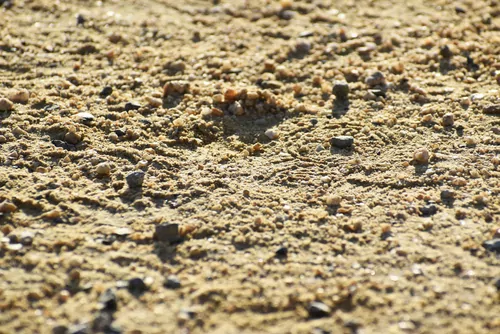 From $71.79/ton
- Size0 - 1/4″
- Density3000 lb/yd³
- ColorTan, gold
Other calculators
CALCULATORPea Gravel CalculatorUse this pea gravel calculator to turn length, width and depth into cubic yards, then into the tons of Pea Gravel to order.Open calculator →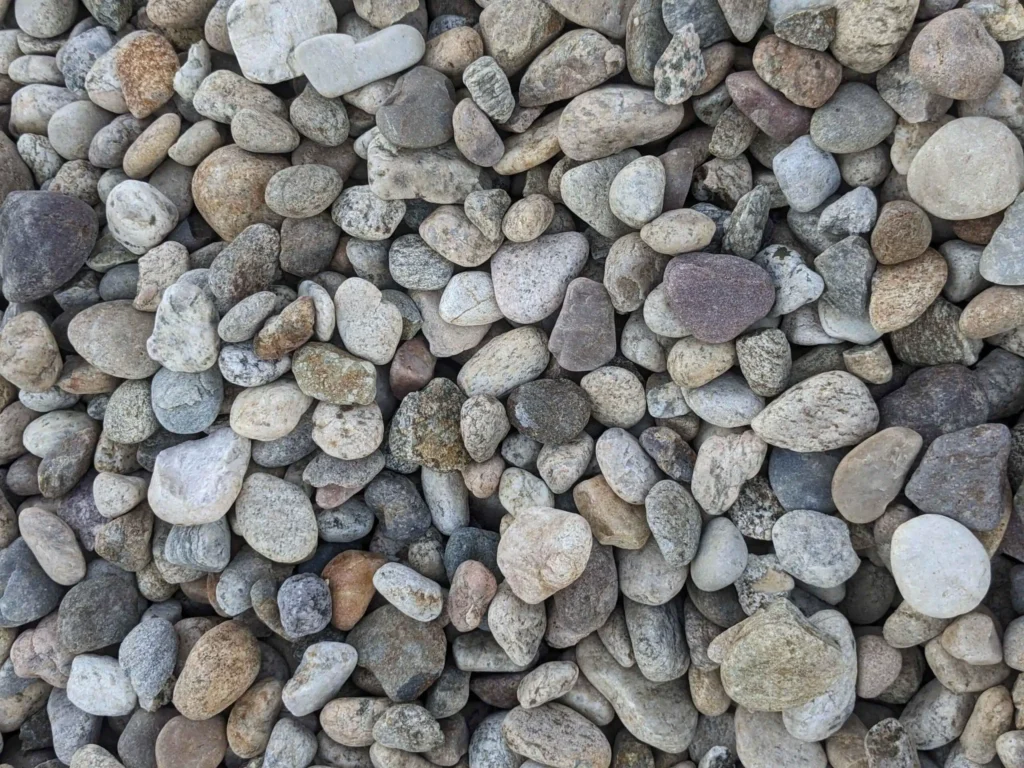 CALCULATORLandscape Rock CalculatorUse this landscape rock calculator to convert area and depth into cubic yards and tons for river rock or decomposed granite.Open calculator →CALCULATORPool Deck Gravel CalculatorPool surround gravel calculator. Defaults to 4" depth of pea gravel; adjusts to river rock or DG.Open calculator →CALCULATORRiver Rock CalculatorOur river rock calculator turns square footage and depth into the tons of river rock you need, using accurate density figures.Open calculator →
Related guides
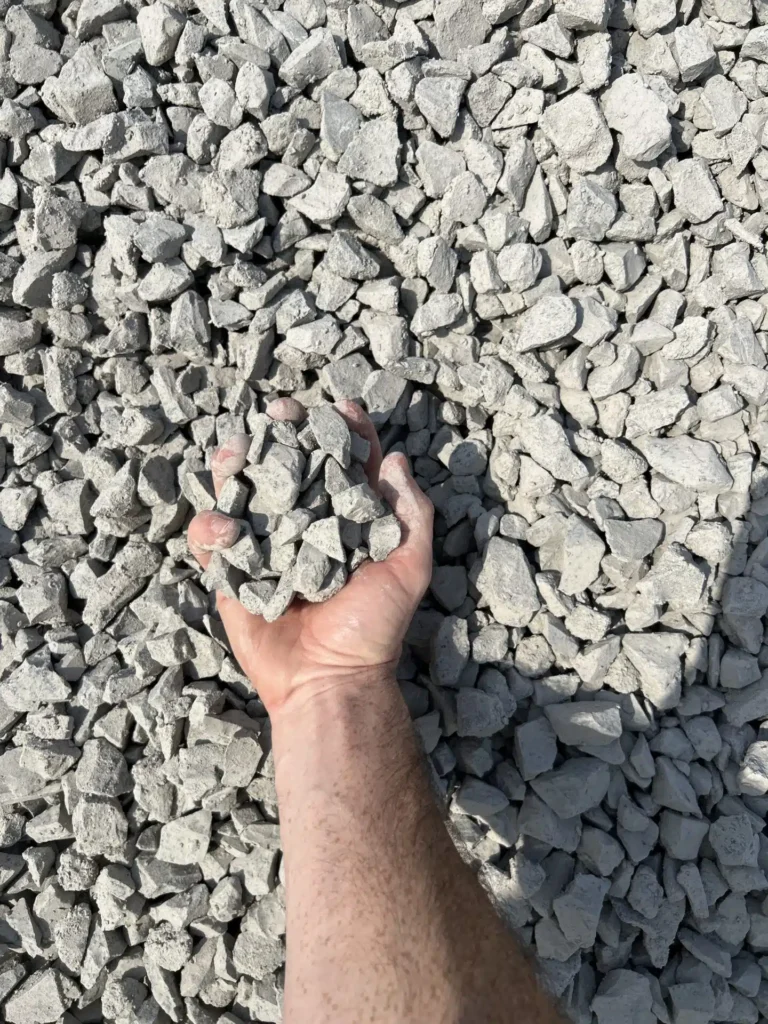 GUIDEGravel Size Chart: Pea Gravel to Crushed StoneA gravel size chart showing pea gravel, crushed stone and river rock diameters side by side, so you can match the right size to your project.Read guide →GUIDEThe Different Types of Gravel and How to ChooseA plain-language guide to the main types of gravel, covering pea gravel, crushed stone, river rock and decomposed granite.Read guide →GUIDEHow Much Does Gravel Cost? A Practical Pricing GuideHow much does gravel cost and why does it vary? See the real factors behind ton pricing, delivery, and order size before you buy.Read guide →
 GUIDEHow Deep Should a Gravel Driveway Be? Layer GuidePractical, field-tested guide: how deep should gravel driveway be. Pulled from real US installer notes and 2026 supplier price data.Read guide →
Frequently Asked Questions
How does this calculator work?
Enter your area in square feet and depth in inches. We convert to cubic yards, multiply by density to get weight, and divide by 2,000 to get tons.
What if I don't know the depth?
Driveways: 4 inches. Patios: 2-3 inches. Drainage trenches: 6-12 inches. Decorative beds: 2 inches over fabric.
Why are tons and yards different?
Cubic yards measure volume; tons measure weight. Density (lbs per cubic foot) is the conversion factor - heavier rock means more tons per yard.
How accurate is the estimate?
Within 10% for typical residential jobs. Always order a little extra (5-10%) to cover compaction, spillage, and edge waste.
Does the price include delivery?
The calculator shows material cost only. Delivery fees vary by distance and load size - get a real quote for a delivered total.
Can I use this for mulch or topsoil?
Use the dedicated mulch or topsoil calculator - densities differ from gravel, and the math changes.
What's the standard truck load size?
Tandem dump trucks haul about 15 tons or 10 cubic yards. Smaller 5-yard trucks are available for tight access.
Should I round up the order?
Yes - round up to the nearest half-ton or full yard. The price-per-ton drops on larger orders.