Soil and Fill
Soil and Fill materials, delivered nationwide. Filter by category below or browse the full range.
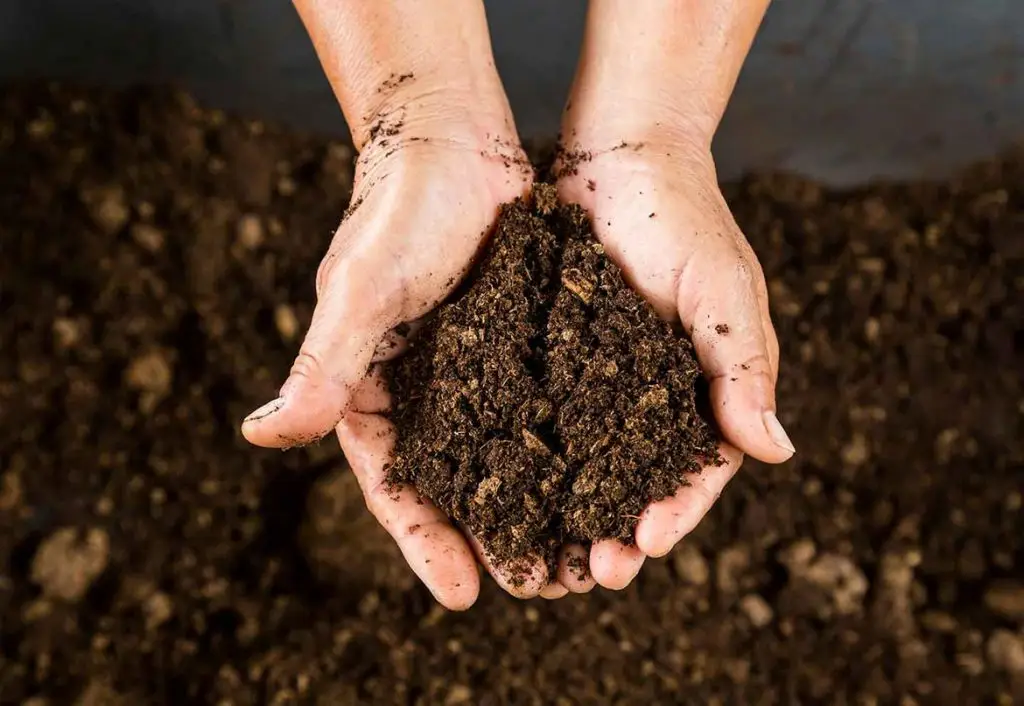
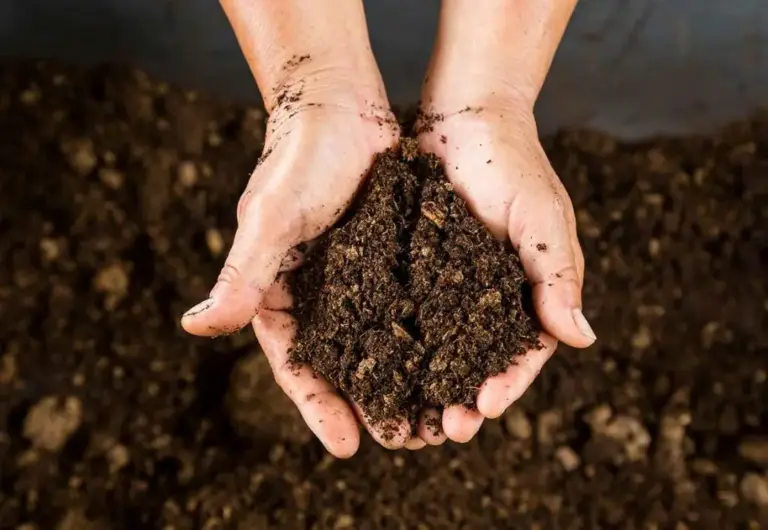 Starting from $238 delivered
- Density1000 lb/yd³
- ColorDark brown
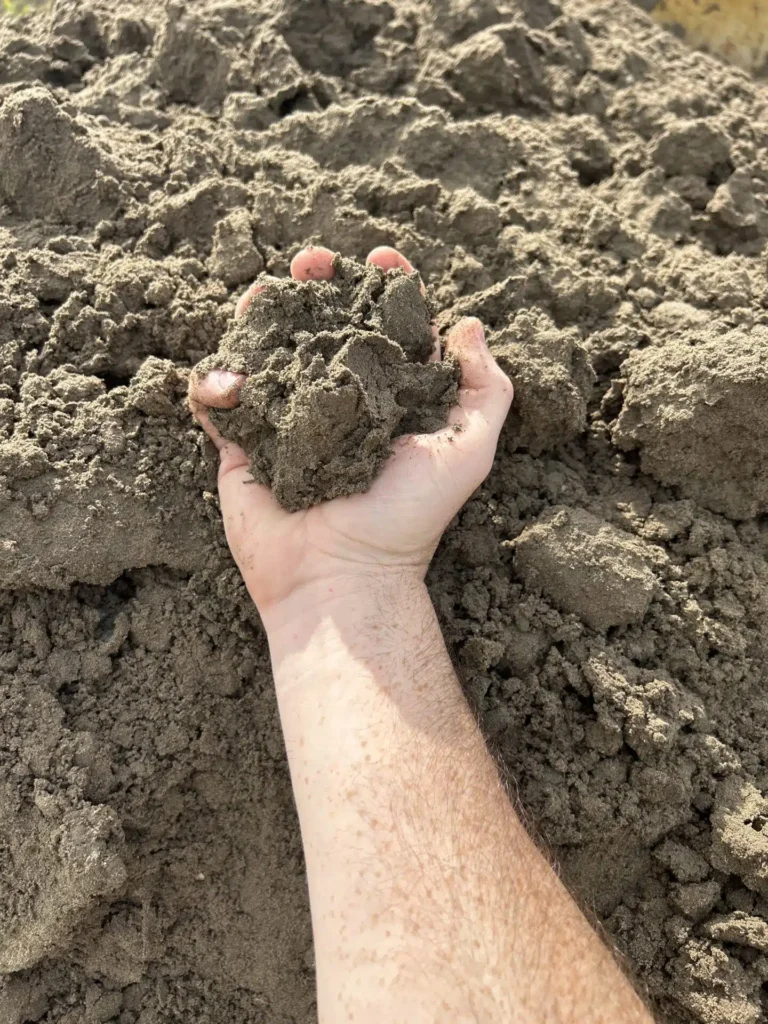 Starting from $212 delivered
- Density2200 lb/yd³
- ColorBrown
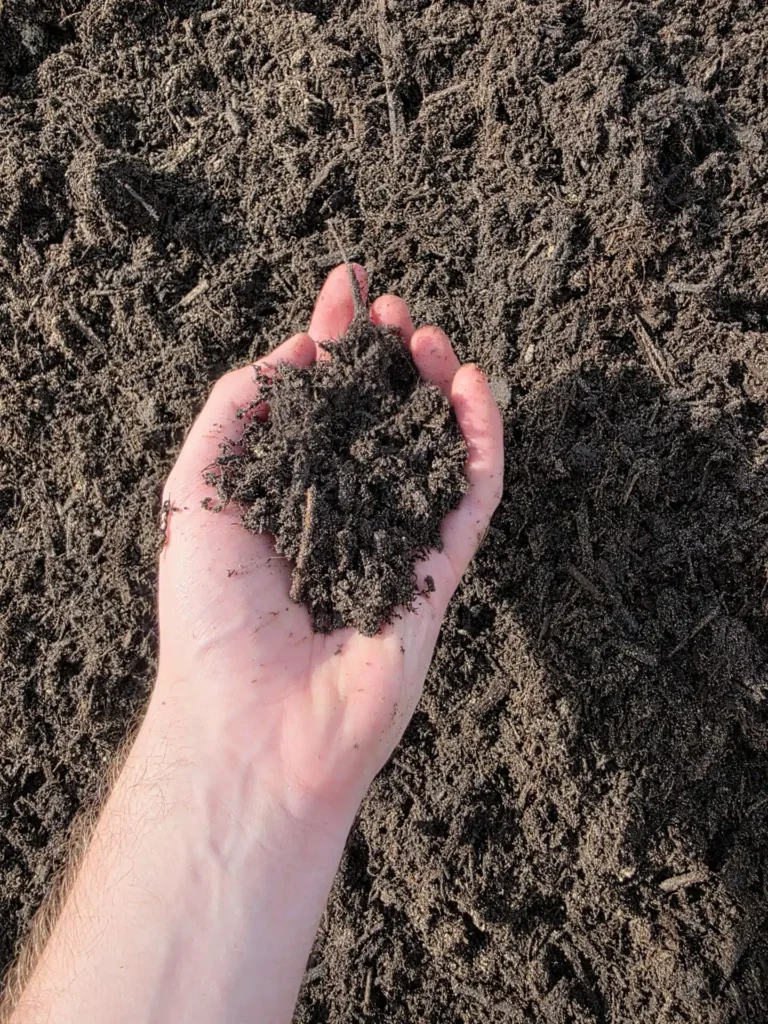 Starting from $228 delivered
- Density2000 lb/yd³
- ColorDark brown
 Starting from $238 delivered
- SizeScreened, no size grade
- Density2200 lb/yd³
- ColorDark brown
Soil and fill products cover the bulk dirt side of every landscape and grading job. Premium screened topsoil for lawn renovation and raised beds. Fill dirt for grade raises and low-spot correction. Garden soil pre-blended with compost for new beds. The names look similar but the use cases are very different, and ordering the wrong grade is the most expensive way to learn that lesson.
What this category covers
Three core grades. Premium screened topsoil is dark, organic-rich soil screened to remove rocks, root fragments, and clay clumps larger than 1/2 inch. It is the surface 4 to 6 inches you want under sod, seed, or new plantings. Fill dirt is the bulk subsoil and parent material, dug from grade-correction projects and stockpiled. It is meant to fill volume below grade and is not appropriate as a planting medium. Garden soil pre-blended with compost and sometimes amended with peat or perlite, sized for raised garden beds and new flower beds.
The visual difference is obvious once you see them side by side. Topsoil is dark brown to near-black, finely screened, and rich. Fill dirt is variable brown, contains small stones and clay clumps, and looks like ordinary subsoil because it is. Garden soil is the darkest and lightest in the hand, with visible compost flecks.
Topsoil quality grades
Topsoil is screened through a 1/2 inch screen or smaller, leaving a fine, uniform texture. Cheaper grades use a 1 inch screen and pass through stones and clay clumps that show up as you spread.
Second, organic content: good topsoil contains 5 to 10 percent organic matter (decomposed plant material). Below 3 percent and you are buying mineral-only soil that will not support plant growth. Third, weed seed load: premium topsoil is stockpiled long enough that weed seeds germinate and die. Cheap fresh-screened soil shows a carpet of weeds within two weeks of spreading. Ask your supplier how long the stockpile has been aging before you order.
Fill dirt and grade correction
Fill dirt is the budget bulk product for filling volume below grade: raising a low spot in a yard, filling a swimming pool that has been demolished, building up grade against a foundation for proper drainage, or filling under a deck or shed pad. The material compacts tighter than topsoil because of its higher clay content, which makes it appropriate for structural fill but useless as a planting medium.
Compaction matters for any fill job that will support a structure. Fill dirt placed in lifts of 8 to 12 inches and compacted with a plate compactor or vibratory roller between lifts achieves 90 to 95 percent of natural soil density. Dumped and not compacted, the fill settles 10 to 20 percent over the first two years, which is why driveways built on uncompacted fill develop ruts and patios crack at the joints.
Garden soil and amended blends
Garden soil is the premium blend grade: screened topsoil and 30 to 50 percent compost. Some yards add peat moss, perlite, or sand for specific bed types (acid-loving plants, dry-climate gardens, etc.). The result is a loose, organic-rich medium that drops straight into a raised bed or new planting and is ready for seeds or transplants the same day.
For a standard 4 by 8 foot raised garden bed at 12 inches deep, plan on 1.2 to 1.5 cubic yards of garden soil, or roughly 1.4 to 1.7 tons. For an in-ground vegetable garden bed, replace the top 8 to 12 inches of native soil with garden soil for the first year, then transition to topsoil and compost amendments in subsequent years.
Ordering soil by the yard versus the ton
Topsoil and garden soil weighs roughly 1.1 to 1.3 tons. The same yard fully saturated weighs 1.5 to 1.8 tons. Quoting by volume removes the moisture variable from the price.
Fill dirt sometimes ships by ton on larger commercial jobs but is also commonly quoted by the yard. Coverage at 6 inches finished depth: one yard covers 54 square feet. At 4 inches: 81 square feet. At 12 inches: 27 square feet. Order 10 percent overage to account for settling and trim losses around bed edges.
Frequently Asked Questions
What is the difference between topsoil and fill dirt?
Can I plant grass on top of fill dirt?
How much soil do I need for a raised bed?
A 4 by 8 foot raised bed at 12 inches deep needs 1.2 to 1.5 cubic yards of soil. Use a soil calculator with your exact dimensions and depth. Garden soil (topsoil plus compost) is the best fill for a new bed.
Is screened topsoil the same as garden soil?
No. Screened topsoil is the base ingredient. Garden soil blended with compost component.
How long can I store topsoil before using it?
On a tarp or covered, indefinitely. Uncovered and exposed to rain, topsoil compacts and weed seeds germinate within two weeks. Plan to install within a month of delivery for best results.
Soil and Fill delivery coverage across the US
Pick your state for local pricing, lead times, and a supplier ready to quote. ZIP routing covers the gaps for any city not listed.
Texas
39 citiesView Texas deliveries →- Abilene
- Amarillo
- Arlington
- Austin
- Brownsville
- Carrollton
- College Station
- Conroe
- Corpus Christi
- Dallas
- Dayton
- Denton
- El Paso
- Fort Worth
- Frisco
- Garland
- Grand Prairie
- Houston
- Huntsville
- Irving
- Katy
- Killeen
- Laredo
- League City
- Lewisville
- Lubbock
- McAllen
- McKinney
- Mesquite
- Midland
- New Braunfels
- Pasadena
- Pearland
- Plano
- Round Rock
- San Antonio
- Sugar Land
- Tyler
- Waco
Florida
36 citiesView Florida deliveries →- Boca Raton
- Brandon
- Cape Coral
- Clearwater
- Coral Springs
- Davie
- Daytona Beach
- Fort Lauderdale
- Fort Myers
- Gainesville
- Hialeah
- Hollywood
- Jacksonville
- Kissimmee
- Lakeland
- Lehigh Acres
- Miami
- Miramar
- Ocala
- Orlando
- Palm Bay
- Pembroke Pines
- Pensacola
- Pompano Beach
- Port Charlotte
- Port Saint Lucie
- Saint Petersburg
- Sanford
- Sarasota
- Spring Hill
- Sunrise
- Tallahassee
- Tampa
- Venice
- West Palm Beach
- Winter Garden