
Driveway & Landscaping
Driveway & Landscaping materials, delivered nationwide. Filter by category below or browse the full range.
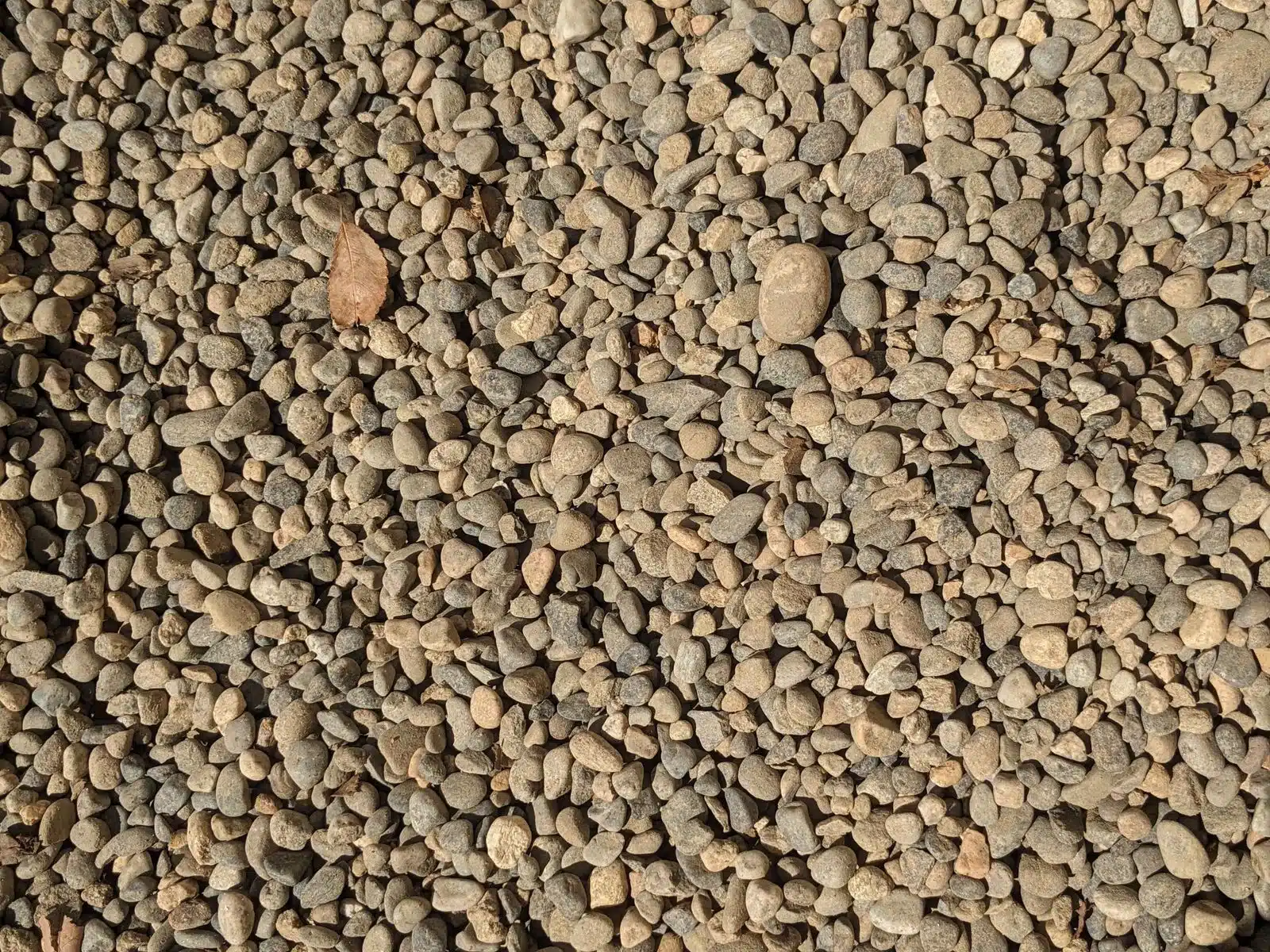
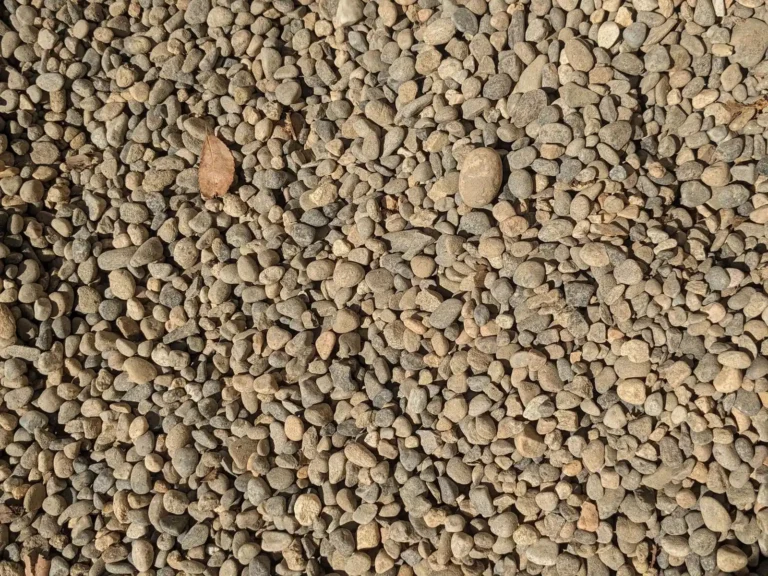 Starting from $241 delivered
- Size3/8″
- Density2800 lb/yd³
- ColorMixed earth
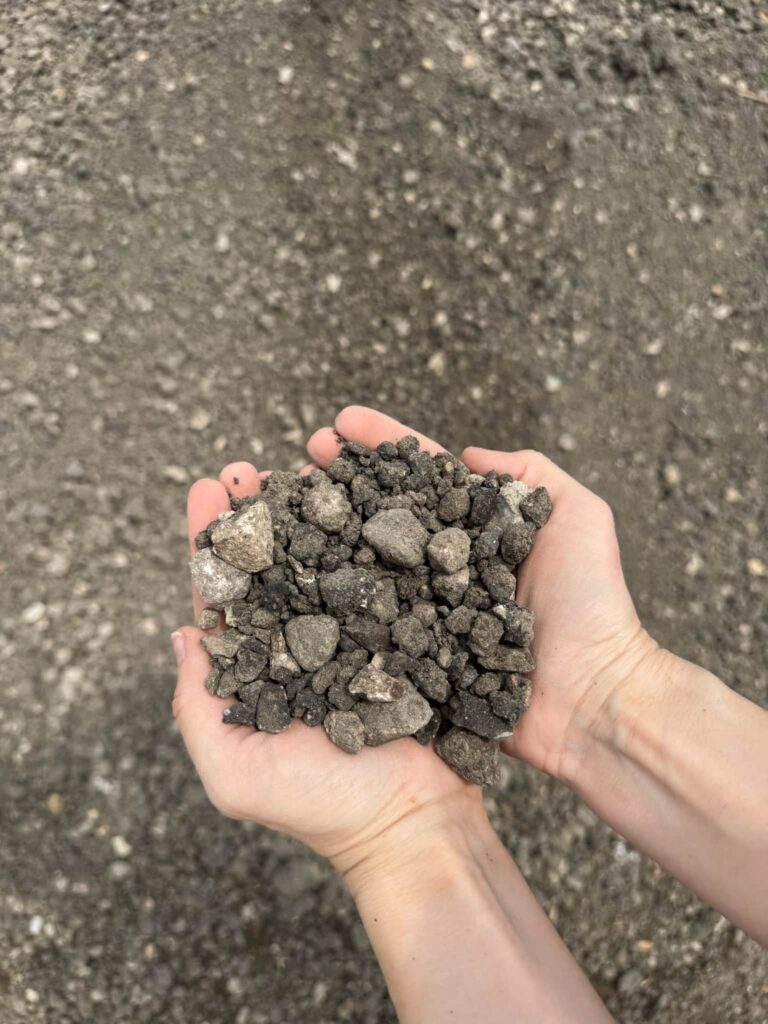 Starting from $206 delivered
- SizeDense-graded, varies
- Density2400 lb/yd³
- ColorBlack
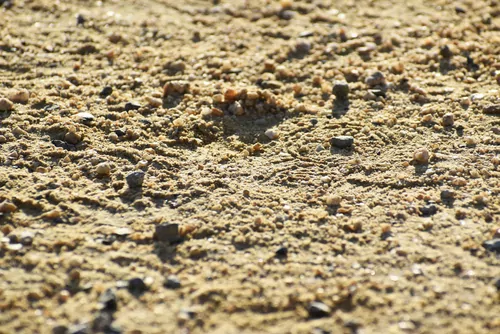 Starting from $246 delivered
- Size0 - 1/4″
- Density3000 lb/yd³
- ColorTan, gold
 Starting from $232 delivered
- Size3/4 - 1″
- Density2800 lb/yd³
- ColorGray
 Starting from $374 delivered
- Size1 - 3″
- Density2700 lb/yd³
- ColorMixed natural
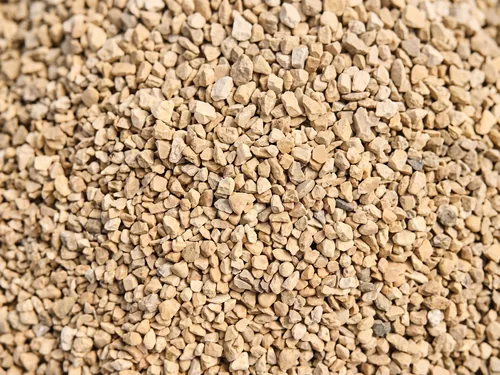 Starting from $241 delivered
- Size3/8 - 1/2″
- Density2650 lb/yd³
- ColorGray / tan
Driveway and landscaping materials cover the visible finish layer of every outdoor project: the gravel you see on the drive, the river rock that lines a dry creek bed, the decomposed granite that fills a garden path. These materials are picked for appearance as much as performance, and they ship from the same trucks that deliver structural aggregate, usually with the same one-day lead time.
What this category covers
This is the surface layer category. Pea gravel (rounded, 1/4 to 3/8 inch, mixed earth tones) for patios, dog runs, and play areas. River rock (1 to 3 inch, mixed natural color) for decorative beds, dry creek runs, and around pool decks. Decomposed granite (DG, 0 to 1/4 inch, tan and gold) for casual paths and Mediterranean-style gardens. Asphalt millings for budget driveway resurfacing on rural lots.
Every product in this category has a visual identity that matters as much as its physical specs. Sample a five-gallon bucket before committing to a 16-ton truckload. Quarries occasionally swap color batches when one pit runs out, and what you saw at the yard six months ago may not be exactly what shows up on the truck today.
Pea gravel versus river rock
Pea gravel migrates under foot traffic and needs edging (metal, stone, or buried 2x6 lumber) to stay in place. Plan on a top-up of one to two yards every three to five years for a patio surface that sees daily use.
River rock does and is essentially install-once material.
Decomposed granite, river rock, and millings
Decomposed granite is the path material of choice in dry climates. The fines bind to form a semi-stable surface, especially when wet-compacted, and the color (warm tan to gold) suits most desert and Mediterranean landscapes. Indoor or covered areas where it would track onto floors are a poor match. Plan on raking and re-edging once a year to keep the surface tidy.
River rock (1 to 3 inch, rounded, mixed natural color) is the go-to for decorative beds, dry creek runs, and borders around pool decks, where its smooth profile reads cleaner than angular stone. Asphalt millings are the recycled-pavement option for resurfacing rural drives. They compact tighter than gravel, hold up to vehicle traffic better than crusher run, and cost roughly half the price of new asphalt overlay.
Coverage and pricing notes
Coverage math is straightforward at 2 to 3 inch finished depth: one ton of pea gravel covers roughly 80 to 100 square feet at 2 inches, one ton of river rock covers 60 to 80 square feet at 3 inches, one ton of decomposed granite covers 90 to 100 square feet at 2 inches well-compacted. Multiply your project area by the appropriate factor and add 10 percent overage for settling.
, and $35 to $50 per ton for asphalt millings on full-truck loads. Same-day delivery windows are available for orders placed before 11 AM, and lead time is one to two business days outside of weather delays.
Edging, weed barrier, and maintenance
Two install details predict the longevity of any decorative gravel surface. Edging keeps the material in place: galvanized steel edging is the lowest-maintenance choice, buried wood works for one to two years before rotting, poured concrete curbs are permanent but expensive. Plan the edging before you order the stone.
Weed barrier fabric (4 to 6 ounce woven landscape fabric) goes between the soil and the gravel. Skipping it saves $0.30 per square foot upfront and costs you a weekend of hand-weeding every spring. Pin the fabric with 6 inch galvanized staples every 18 inches along edges and overlaps. Once the gravel is installed, the only maintenance is a leaf blower in fall, a top-up of one to two yards every few years, and occasional re-raking to keep the surface even.
Frequently Asked Questions
How deep should pea gravel be for a patio?
A 2 inch finished depth is the standard, sitting on a 2 inch base of compacted crusher run or paver base. Going deeper than 3 inches makes the surface unstable and difficult to walk on.
Will decomposed granite stay in place without edging?
On a flat path with weed barrier underneath, DG holds reasonably well once wet-compacted. On sloped paths or anywhere it borders lawn, edging is required to prevent the fines from washing into the grass during heavy rain.
How much river rock do I need for a decorative bed?
At a 2 inch depth, one ton of 1 to 3 inch river rock covers roughly 80 to 100 square feet. For a dry creek bed, go 3 to 4 inches deep so the liner does not show through, which drops coverage to about 50 to 65 square feet per ton.
Can I install pea gravel directly on soil?
Technically yes, but the gravel will sink into the soil over the first six months of use and you will be re-topping every year. A 2 inch base of compacted crusher run or paver base extends the surface life to 8 to 10 years before a top-up is needed.
Is asphalt millings legal for a residential driveway?
In most US jurisdictions, yes. A handful of HOAs and historic districts restrict it for aesthetic reasons. Check with your local code office and HOA covenant before ordering.
Driveway & Landscaping delivery coverage across the US
Pick your state for local pricing, lead times, and a supplier ready to quote. ZIP routing covers the gaps for any city not listed.
Texas
39 citiesView Texas deliveries →- Abilene
- Amarillo
- Arlington
- Austin
- Brownsville
- Carrollton
- College Station
- Conroe
- Corpus Christi
- Dallas
- Dayton
- Denton
- El Paso
- Fort Worth
- Frisco
- Garland
- Grand Prairie
- Houston
- Huntsville
- Irving
- Katy
- Killeen
- Laredo
- League City
- Lewisville
- Lubbock
- McAllen
- McKinney
- Mesquite
- Midland
- New Braunfels
- Pasadena
- Pearland
- Plano
- Round Rock
- San Antonio
- Sugar Land
- Tyler
- Waco
Florida
36 citiesView Florida deliveries →- Boca Raton
- Brandon
- Cape Coral
- Clearwater
- Coral Springs
- Davie
- Daytona Beach
- Fort Lauderdale
- Fort Myers
- Gainesville
- Hialeah
- Hollywood
- Jacksonville
- Kissimmee
- Lakeland
- Lehigh Acres
- Miami
- Miramar
- Ocala
- Orlando
- Palm Bay
- Pembroke Pines
- Pensacola
- Pompano Beach
- Port Charlotte
- Port Saint Lucie
- Saint Petersburg
- Sanford
- Sarasota
- Spring Hill
- Sunrise
- Tallahassee
- Tampa
- Venice
- West Palm Beach
- Winter Garden