Gravel & Crushed Stone
Gravel & Crushed Stone materials, delivered nationwide. Filter by category below or browse the full range.
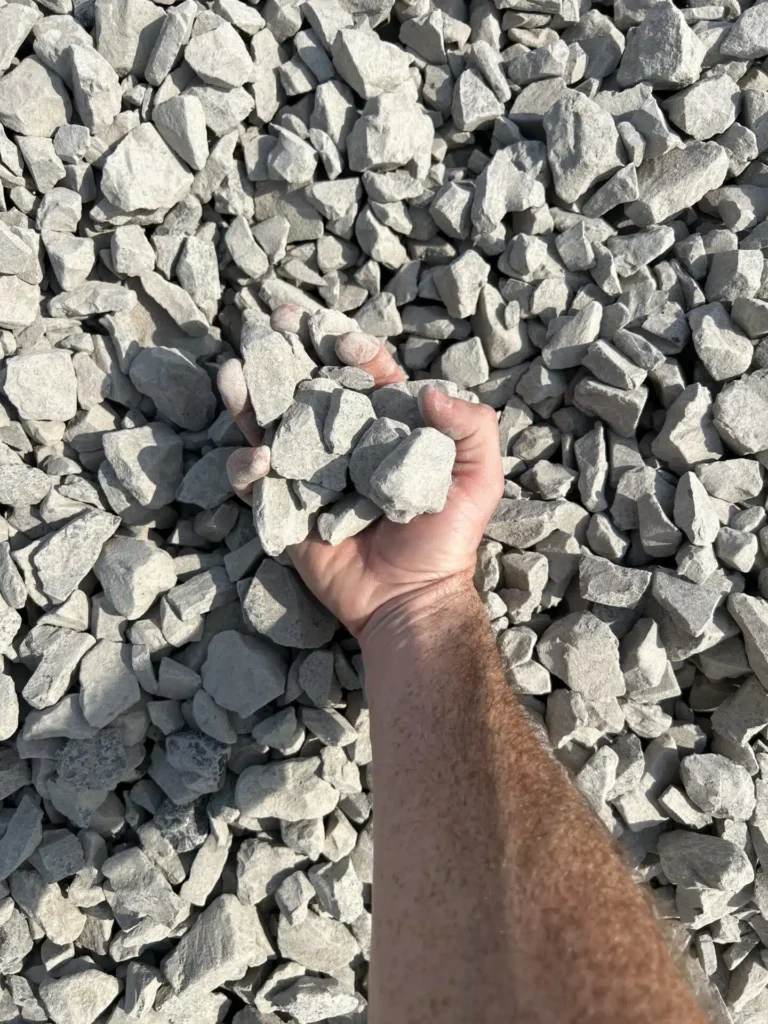 Starting from $225 delivered
- Size1.5 - 2.5″
- Density2800 lb/yd³
- ColorGray
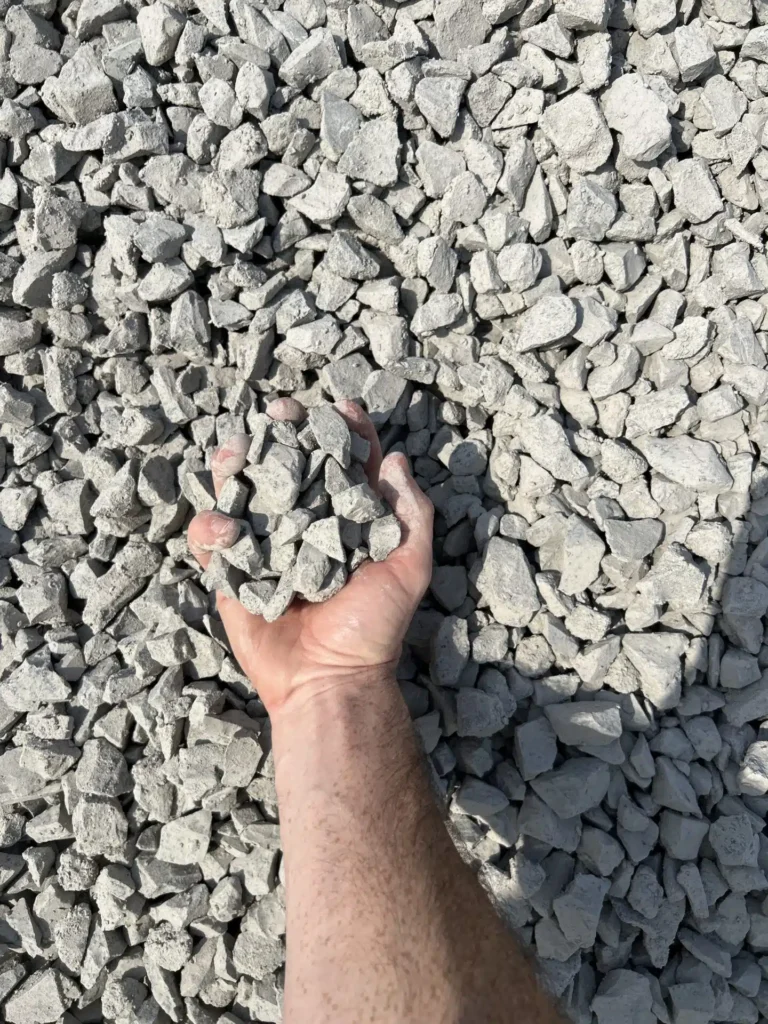 Starting from $217 delivered
- Size3/4 - 1″
- Density2700 lb/yd³
- ColorGray
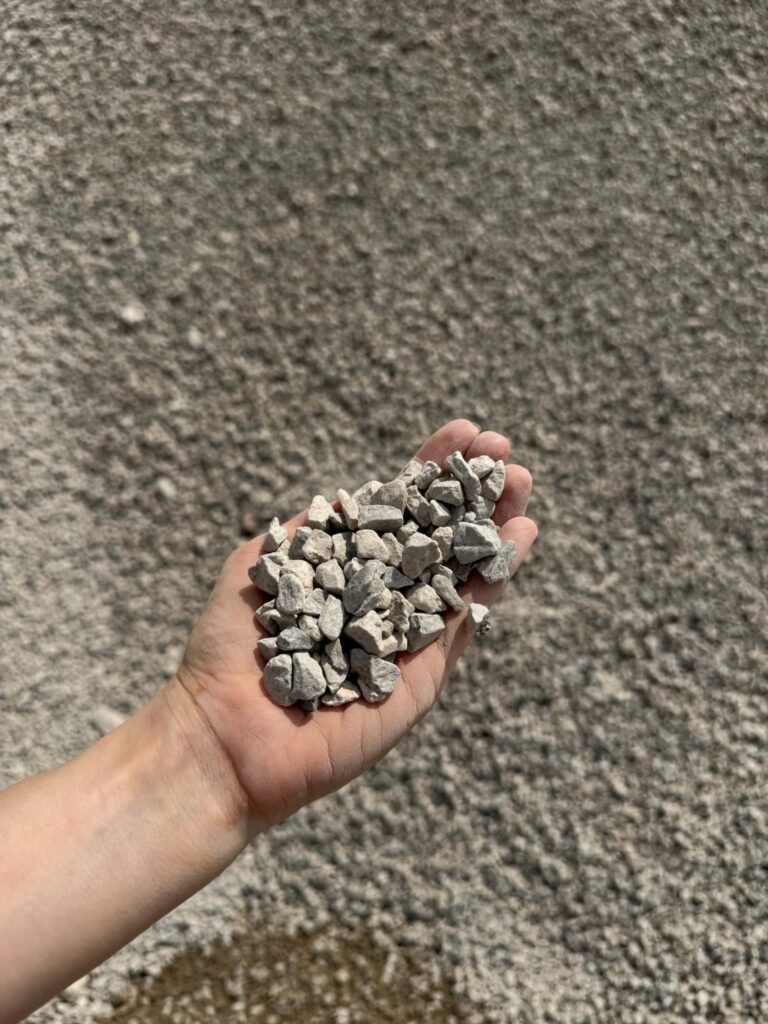 Starting from $216 delivered
- Size1/2 - 3/4″
- Density2650 lb/yd³
- ColorGray
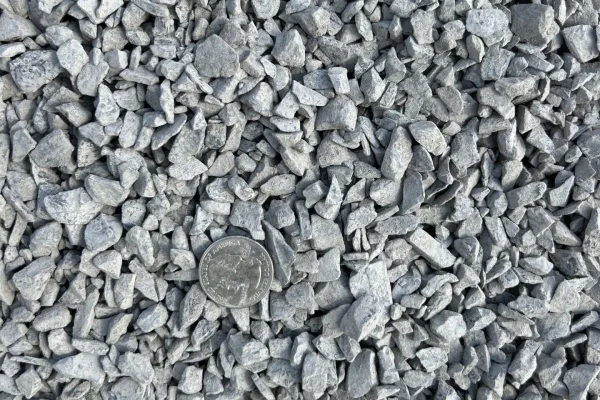 Starting from $209 delivered
- Size3/8″
- Density2600 lb/yd³
- ColorGray
Starting from $223 delivered- Size1.5″
- Density2750 lb/yd³
- ColorGray
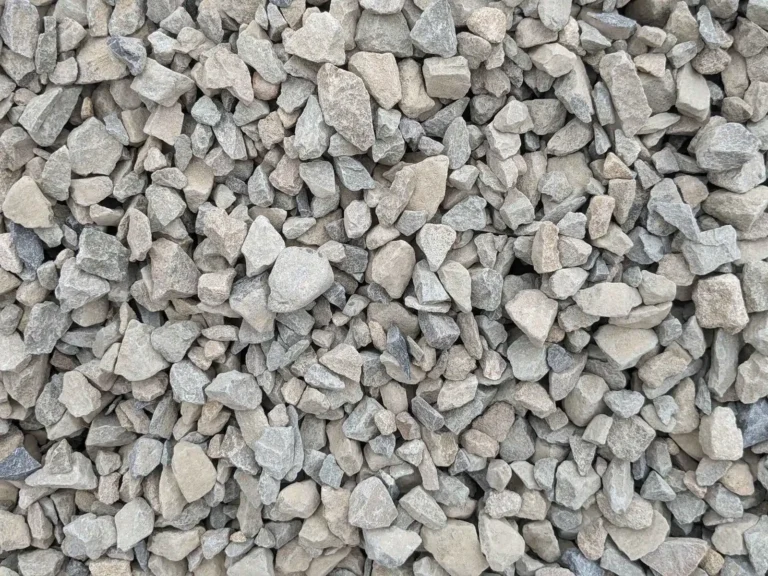 Starting from $217 delivered
- Size3/4″
- Density2700 lb/yd³
- ColorGray
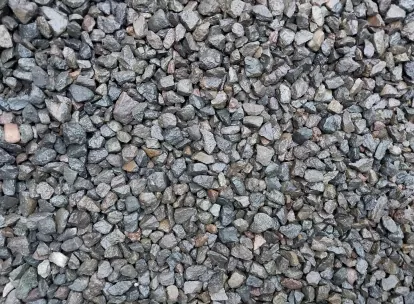 Starting from $241 delivered
- Size3/8″
- Density2650 lb/yd³
- ColorGray
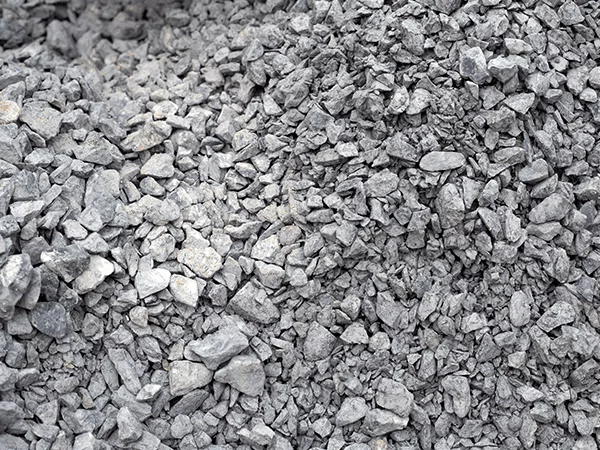 Starting from $218 delivered
- SizeDense-graded, varies
- Density2500 lb/yd³
- ColorGray / white
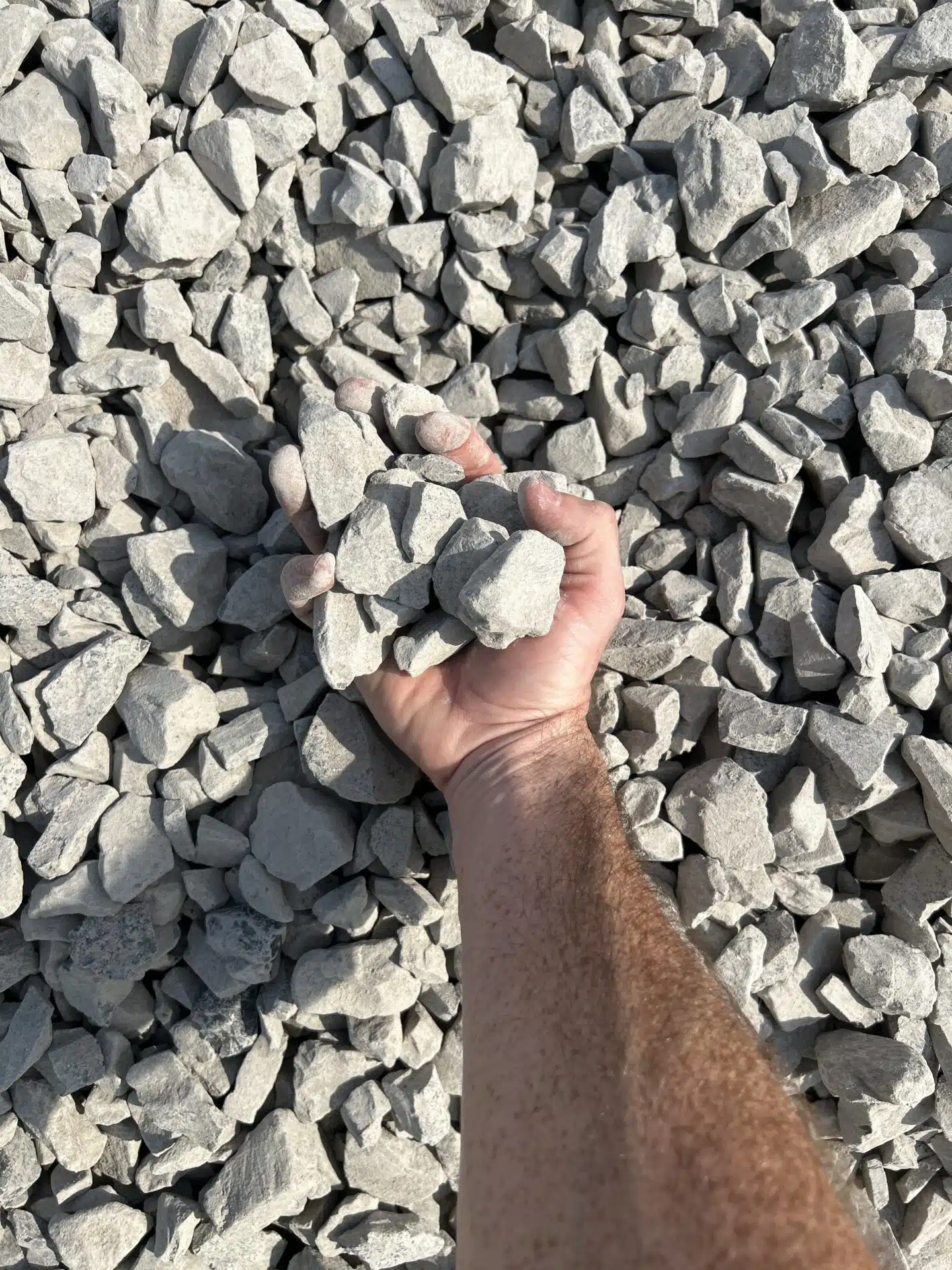
Crushed stone and gravel are the two workhorses of every aggregate yard. Sized angular stone for base prep, drainage, and structural fill. Rounded gravel for finished surfaces and decorative landscaping. Everything in this category ships from local quarries with same-hour quotes and full-truck delivery savings on orders of 16 tons or more.
What this category covers
Gravel and crushed stone for retail bag mixes, crusher run (a dense base blend that compacts hard), 1.5 inch crushed gravel for rural driveway top, and crushed concrete as a budget-friendly recycled option that performs at 85 to 90 percent of virgin stone for most base course work.
The naming gets confusing for first-time buyers. Crushed stone is angular, fractured, and locks under load. Gravel is rounded, screened from riverbeds and pits, and stays mobile under a tire (which is why it spreads rather than compacting tight). For driveways, base courses, and anywhere a stable foundation matters, you want crushed stone. For decorative beds and play areas, rounded gravel works fine.
How to pick the right size
The sieve number tells you the upper bound of the stone diameter. #57 runs roughly 3/4 to 1 inch and is the universal driveway top: large enough not to track on shoes, small enough to compact tight against a base course. #67 is one step smaller (1/2 to 3/4 inch) and reads as a more refined finish surface, common on parking pads and pavement transitions. #89 is the fine-screening grade (3/8 inch) used for paver bedding and walkway leveling. #4 is the heavy-base grade (1.5 to 2.5 inch) buried under thicker pads and contractor sub-grade.
Crusher run is the exception to the size logic. It is not a single size but a blend of stone dust through 3/4 inch fragments, designed to interlock and compact into a near-concrete-hard base. Use it as the bottom lift under any driveway, walkway, or shed pad where you need a stable foundation. Top it with #57 or #67 for the visible finish course.
Typical pricing and delivery
Delivered prices in 2026 run roughly $49 to $214 per ton across our service area, with crushed concrete and crusher run at the low end and graded sized stone (#57, #67) at the upper end. Quarry proximity is the single largest pricing variable. Yards within 15 miles of a quarry quote at the low end, and rural deliveries 50 miles out add a haul surcharge of $3 to $8 per ton.
Full-truck orders of 16 tons or more typically save 15 to 20 percent on the per-ton rate because the yard avoids the cost of a partial-load return trip. Most homeowners need 3 to 8 tons for a residential driveway top course or a patio base. Contractors and developers run 16-ton tandem loads or 20-ton tri-axles. Same-day windows are usually open for orders placed before 11 AM, and the standard lead time is one to two business days.
Common projects in this category
Driveway construction is the volume use case. A typical residential drive needs a 4 to 6 inch base of crusher run compacted in two lifts, topped with 2 to 3 inches of #57 or 3/4 inch crushed stone screeded to grade. That formula has not changed materially in 30 years, and it is the install pattern every crew within driving distance of a quarry runs every week.
+ finish course pattern as a driveway. Decorative beds and dry creek runs lean to river rock or the larger 1.5 inch and 2.5 inch sizes for visual texture. Crushed concrete is increasingly common on budget contractor jobs where engineering specs allow recycled fill.
What to ask your supplier
Three questions catch every common pitfall. First, ask whether the stone is washed or unwashed. Washed stone has been rinsed to remove the stone dust that comes out of the crusher. Unwashed costs less but leaves a fine grey dust on everything for the first few rains. For drainage applications and visible surfaces, always specify washed. For base courses buried under a finish, unwashed is fine.
Second, confirm the truck size against your access. A tandem-axle (10 to 12 tons) clears most residential streets. A tri-axle (20 to 22 tons) needs wide gates and good turn radius. If your driveway is narrow or sloped, ask for a tandem even at the slight per-ton premium. Third, get the delivery window in writing. Reputable yards quote a two-hour window, not a same-day shrug.
Frequently Asked Questions
How much crushed stone do I need for a driveway?
A standard residential driveway (10 feet wide, 60 feet long) at 3 inches of finished depth needs about 5 to 6 tons of #57 stone. Add another 4 to 5 tons of crusher run for the compacted base lift. Use the calculator on the product page for exact tonnage based on your dimensions.
What is the difference between #57 stone and crusher run?
#57 is a single-size graded stone (3/4 to 1 inch) used as a visible finish surface. Crusher run underneath, #57 on top.
Can I use crushed concrete instead of new crushed stone?
Yes, for most base course and fill applications. Crushed concrete performs at roughly 85 to 90 percent of virgin stone for compaction and load bearing, and it costs 15 to 25 percent less. Engineering-spec jobs (commercial pads, structural fill under foundations) sometimes require virgin stone, so confirm with your project engineer.
Is crushed stone sold by ton or yard?
By the ton in nearly every US market. A cubic yard of #57 stone weighs about 2,700 pounds, so a 5-yard order is roughly 6.75 tons. Suppliers quote on tonnage because trucks are scaled at the quarry.
How fast can you deliver?
Same-day windows are open in most metros for orders placed before 11 AM. Standard lead time is one to two business days. Severe weather or holiday weekends can push to three days.
Gravel & Crushed Stone delivery coverage across the US
Pick your state for local pricing, lead times, and a supplier ready to quote. ZIP routing covers the gaps for any city not listed.
Texas
39 citiesView Texas deliveries →- Abilene
- Amarillo
- Arlington
- Austin
- Brownsville
- Carrollton
- College Station
- Conroe
- Corpus Christi
- Dallas
- Dayton
- Denton
- El Paso
- Fort Worth
- Frisco
- Garland
- Grand Prairie
- Houston
- Huntsville
- Irving
- Katy
- Killeen
- Laredo
- League City
- Lewisville
- Lubbock
- McAllen
- McKinney
- Mesquite
- Midland
- New Braunfels
- Pasadena
- Pearland
- Plano
- Round Rock
- San Antonio
- Sugar Land
- Tyler
- Waco
Florida
36 citiesView Florida deliveries →- Boca Raton
- Brandon
- Cape Coral
- Clearwater
- Coral Springs
- Davie
- Daytona Beach
- Fort Lauderdale
- Fort Myers
- Gainesville
- Hialeah
- Hollywood
- Jacksonville
- Kissimmee
- Lakeland
- Lehigh Acres
- Miami
- Miramar
- Ocala
- Orlando
- Palm Bay
- Pembroke Pines
- Pensacola
- Pompano Beach
- Port Charlotte
- Port Saint Lucie
- Saint Petersburg
- Sanford
- Sarasota
- Spring Hill
- Sunrise
- Tallahassee
- Tampa
- Venice
- West Palm Beach
- Winter Garden