
Mulch and Wood
Mulch and Wood materials, delivered nationwide. Filter by category below or browse the full range.
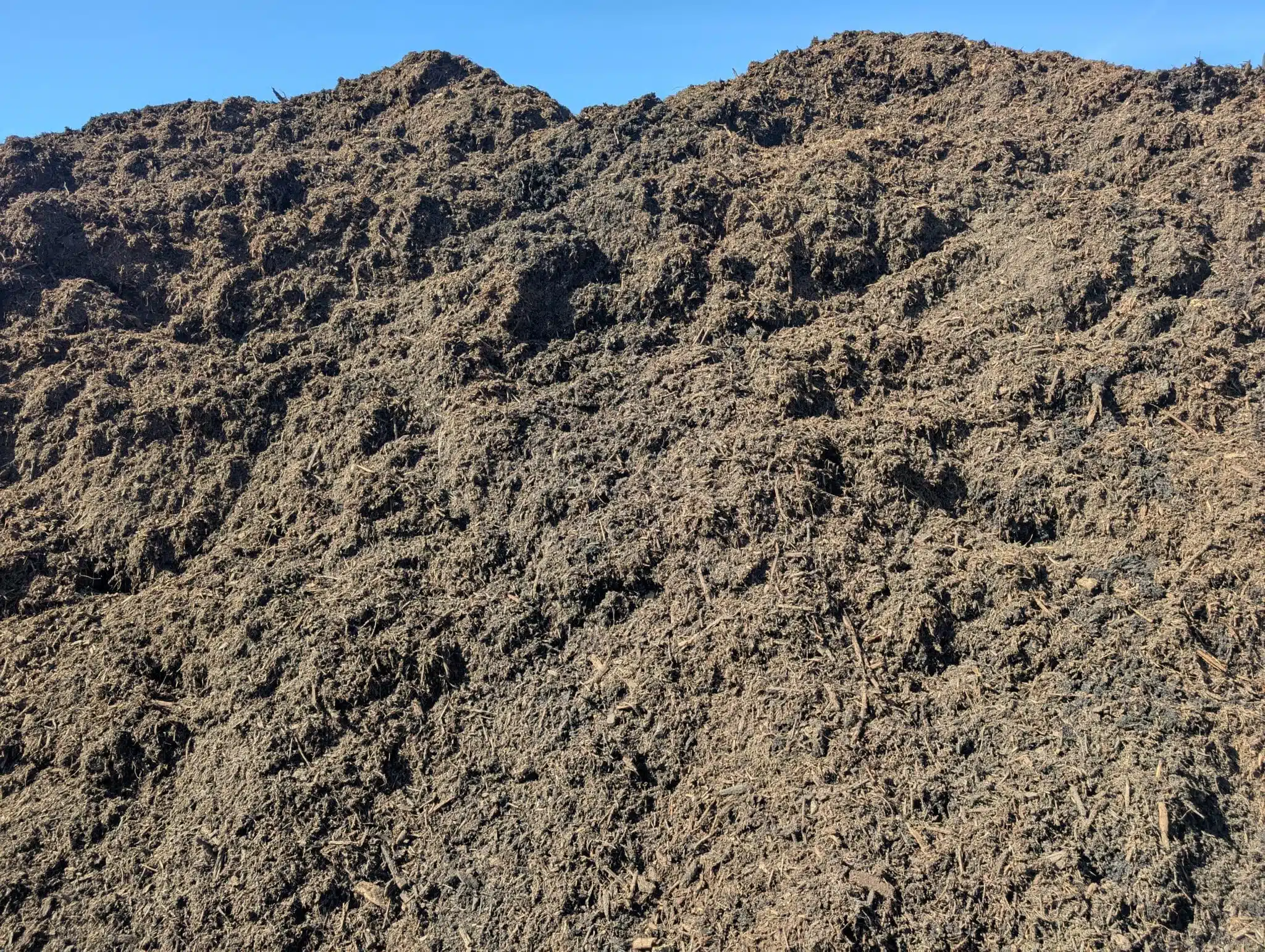
 Starting from $225 delivered
- Density800 lb/yd³
- ColorBlack
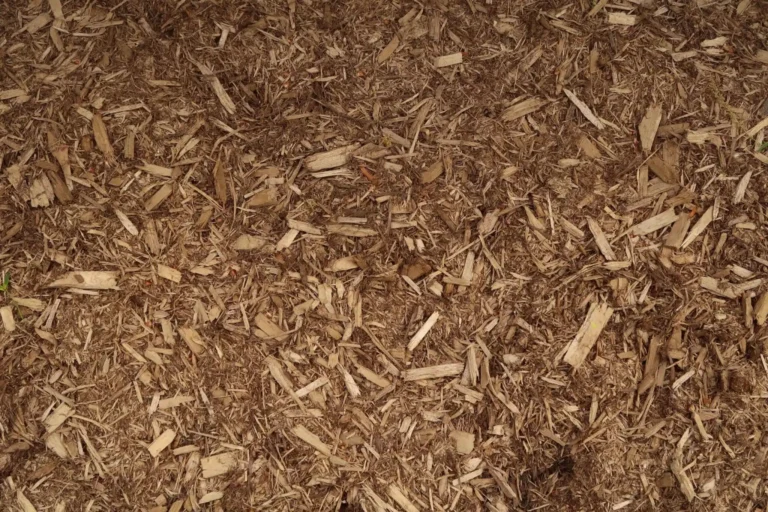 Starting from $225 delivered
- Density800 lb/yd³
- ColorBrown
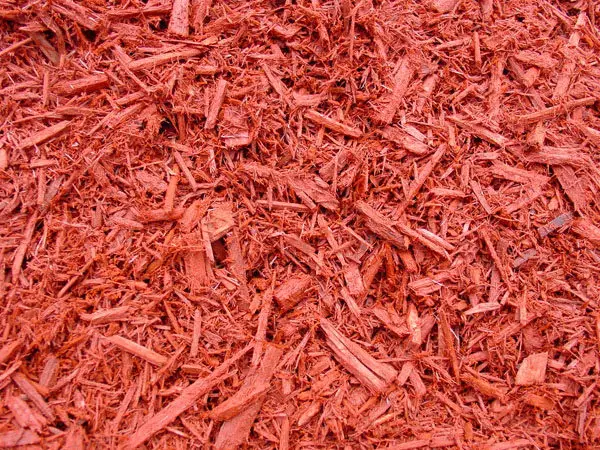 Starting from $244 delivered
- Density800 lb/yd³
- ColorRed
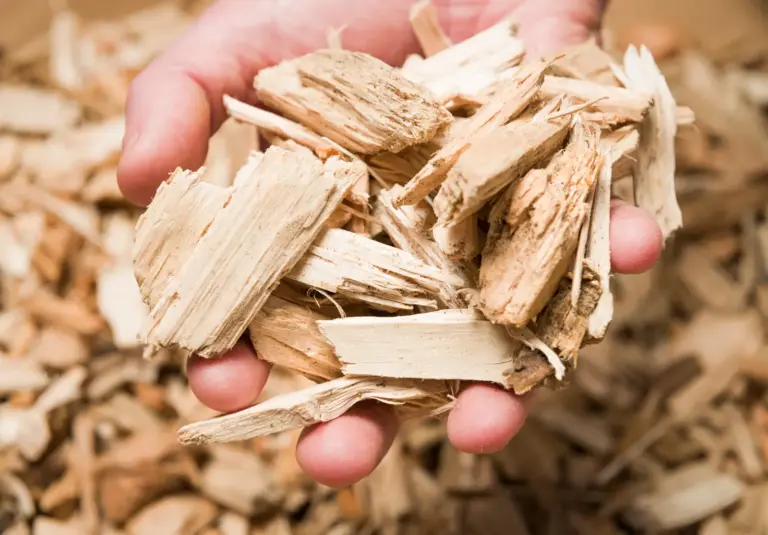 Starting from $297 delivered
- Density600 lb/yd³
- ColorNatural wood
Mulch is the maintenance layer that decides whether a landscape looks intentional or neglected. Hardwood mulch for general beds and tree rings. Black shredded mulch for front-yard contrast against green foliage. Brown shredded mulch for a natural, casual look. All three protect soil, suppress weeds, retain moisture, and need a top dressing each spring to maintain depth and color.
What this category covers
Three primary grades. Hardwood mulch is the traditional natural shredded mulch made from oak, hickory, maple, and other hardwood scrap from lumber mills and tree services. Color starts as tan to medium brown and weathers to silver-grey over 8 to 12 months. Black shredded mulch is hardwood that has been dyed with iron oxide pigment to produce a deep black color that holds for 6 to 9 months before weathering. Brown shredded mulch is hardwood dyed with a brown iron oxide for a richer, longer-holding brown than untreated hardwood produces.
The dye on dyed mulches is non-toxic iron oxide (the same compound that gives natural soils their red and brown colors). It is safe for plants, pets, and edible gardens, but it does temporarily stain skin and clothing during install. Wear gloves and old clothes on application day.
How deep should mulch go
Three inches is the sweet spot for most beds. Deep enough to suppress weed germination and retain soil moisture, shallow enough that air and water still reach plant roots. Less than 2 inches and weeds push through. More than 4 inches and the mulch starts to mat at the bottom, retaining excess moisture and creating root rot conditions around perennials.
The exception is around trees. The classic "mulch volcano" piled against a tree trunk is a tree killer. Pile mulch 4 to 6 inches deep around a tree but keep a 3 to 4 inch ring of bare soil around the trunk itself. The trunk needs air contact to maintain bark health, and a mulch volcano traps moisture against the bark and invites rot.
Coverage and refresh cycles
One cubic yard of mulch covers about 108 square feet at 3 inches finished depth. A typical residential landscape bed of 200 to 400 square feet needs 2 to 4 yards. Order a third more than your math suggests because mulch settles roughly 25 percent in the first month after install.
Refresh cycles depend on the grade and exposure. Natural hardwood mulch fades to grey at 6 to 9 months and needs a 1-inch top-up (about a third of the original depth) annually to maintain weed suppression. Dyed mulches hold color for 6 to 12 months in sun and longer in shaded areas. Plan on a top dressing each spring for dyed mulch before color loss becomes visible from the street.
Pricing and delivery
Mulch is the lightest material in the yard at roughly 800 pounds per cubic yard for shredded hardwood. That means a tandem-axle truck carries about 25 cubic yards of mulch versus 10 to 12 tons of crushed stone. The light weight keeps per-yard pricing low even on small orders: $57 to $464 per cubic yard for natural hardwood, $57 to $464 for black or brown shredded, with bulk-load discounts on orders of 8 yards or more.
Delivery is by cubic yard, dumped on a tarp or directly onto the driveway. Most residential installs use a wheelbarrow and rake to move mulch from the drop pile to the beds. Plan on roughly 30 to 45 minutes per yard of mulch to spread by hand. Commercial blowers can install 10 to 15 yards per hour but rent for $400 to $700 per day.
Install patterns and common mistakes
Edge the bed before mulching. A clean spade-cut edge or installed metal edging keeps the mulch in the bed and out of the lawn. Without edging, mulch migrates into the grass during heavy rain and ends up in the mower deck.
Pull weeds before applying. Mulch suppresses germination but does not kill established weeds. Weeds with leaves above the mulch line keep growing through the mulch layer until they are pulled. Apply 3 inches uniformly, work it around plant stems but keep a 1 to 2 inch ring of bare soil around the stems themselves, and rake the surface smooth for the finished look. The most common DIY mistake is dumping mulch in piles and not raking it level: the result is a lumpy bed that reads as unfinished even when the mulch quality is good.
Frequently Asked Questions
How often should I refresh mulch?
Once a year is the standard for most residential beds. A 1-inch top-up restores the 3-inch depth that has settled and faded. Dyed mulches stay vibrant longer than natural hardwood but still benefit from an annual refresh.
Is dyed mulch safe for vegetable gardens?
Yes. The iron oxide dye is non-toxic and inert. Some gardeners still prefer natural hardwood for edible beds for aesthetic reasons, but dyed mulches are food-garden safe in every published horticultural source.
How much mulch do I need?
One cubic yard covers about 108 square feet at 3 inches deep. Measure the square footage of your beds, divide by 108, and order 25 percent extra for settling and trim losses around bed edges.
Can I put mulch directly on dirt without weed fabric?
Yes. A 3-inch mulch layer suppresses 80 to 90 percent of weed germination without fabric underneath. Fabric is overkill for most ornamental beds and actually creates problems in vegetable gardens by blocking root penetration. Skip the fabric unless you have a known invasive weed problem.
Will mulch attract termites?
No. Termites are attracted to wood in direct soil contact, not to surface mulch (which dries between rains and lacks the moisture termites need to live in it). The 12-inch bare-soil ring building codes require around foundations is plenty of separation.
Mulch and Wood delivery coverage across the US
Pick your state for local pricing, lead times, and a supplier ready to quote. ZIP routing covers the gaps for any city not listed.
Texas
39 citiesView Texas deliveries →- Abilene
- Amarillo
- Arlington
- Austin
- Brownsville
- Carrollton
- College Station
- Conroe
- Corpus Christi
- Dallas
- Dayton
- Denton
- El Paso
- Fort Worth
- Frisco
- Garland
- Grand Prairie
- Houston
- Huntsville
- Irving
- Katy
- Killeen
- Laredo
- League City
- Lewisville
- Lubbock
- McAllen
- McKinney
- Mesquite
- Midland
- New Braunfels
- Pasadena
- Pearland
- Plano
- Round Rock
- San Antonio
- Sugar Land
- Tyler
- Waco
Florida
36 citiesView Florida deliveries →- Boca Raton
- Brandon
- Cape Coral
- Clearwater
- Coral Springs
- Davie
- Daytona Beach
- Fort Lauderdale
- Fort Myers
- Gainesville
- Hialeah
- Hollywood
- Jacksonville
- Kissimmee
- Lakeland
- Lehigh Acres
- Miami
- Miramar
- Ocala
- Orlando
- Palm Bay
- Pembroke Pines
- Pensacola
- Pompano Beach
- Port Charlotte
- Port Saint Lucie
- Saint Petersburg
- Sanford
- Sarasota
- Spring Hill
- Sunrise
- Tallahassee
- Tampa
- Venice
- West Palm Beach
- Winter Garden