Sand
Sand materials, delivered nationwide. Filter by category below or browse the full range.
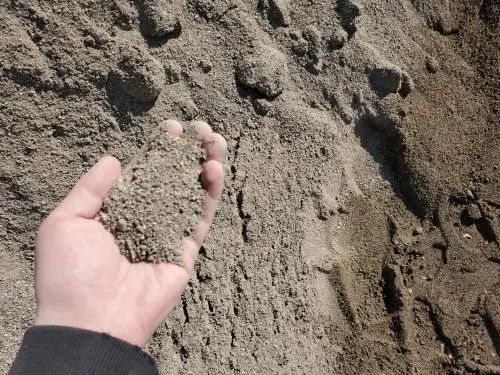
Starting from $218 delivered- Size0 - 3/8″
- Density2700 lb/yd³
- ColorTan / gray
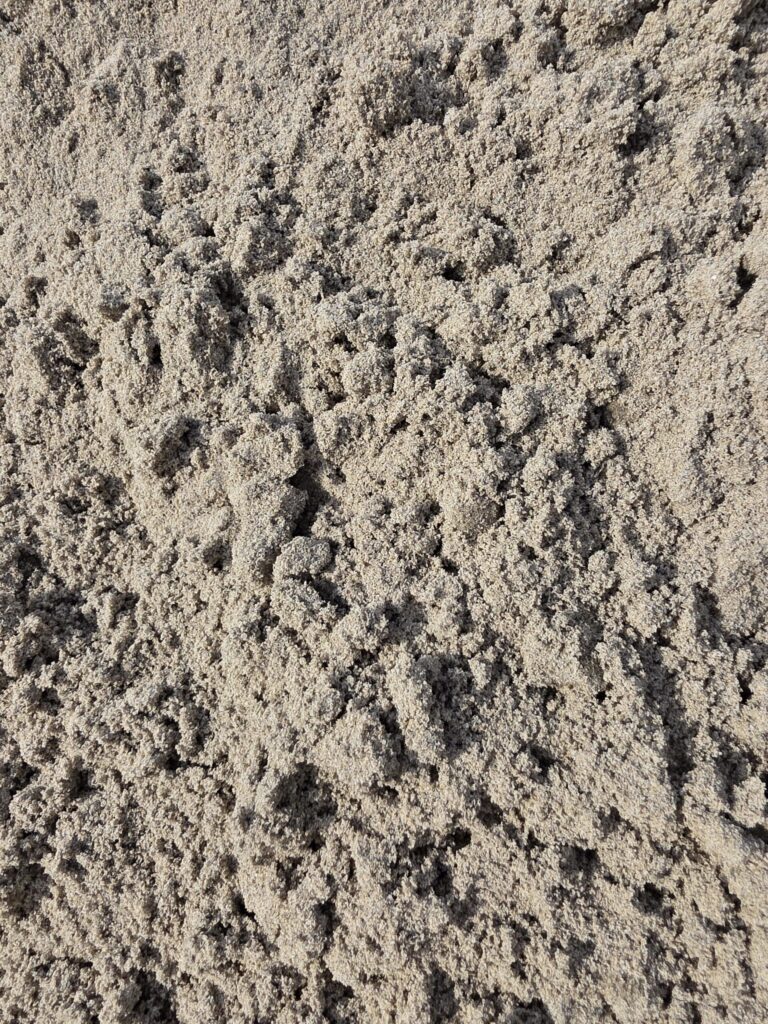 Starting from $200 delivered
- Density2600 lb/yd³
- ColorTan
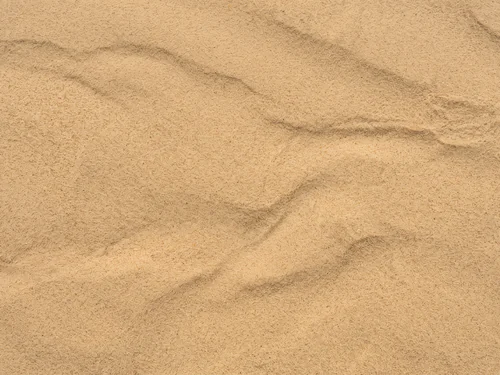 Starting from $230 delivered
- Density2700 lb/yd³
- ColorTan
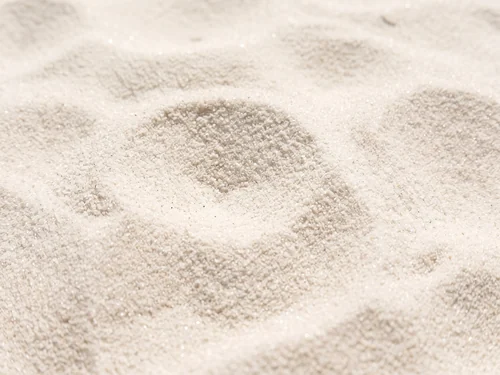 Starting from $229 delivered
- Density2600 lb/yd³
- ColorWhite / tan
Sand is one of the most under-specified materials on a project. Mason sand for paver joints and mortar. Fill sand for pool bases and pipe bedding. Playground sand for sandboxes and play areas. The three are not interchangeable, and using the wrong one is the most common reason a paver patio fails within two years.
What this category covers
Three core grades cover most uses. Mason sand is the fine, washed sand used in mortar mixes and as paver joint sand. It is screened to remove anything coarser than the fine grade and washed to remove silt. Fill sand is the bulk-fill grade: coarser, less screened, less expensive, used under swimming pools, around pipe in pipe bedding, and as bulk fill for low spots. Playground sand is the certified-safe grade: washed multiple times, screened to remove any sharp fragments, and tested for silica content per ASTM playground safety specs.
The grade you want is determined by the application, not the price. Mason sand at $48 to $68 per ton, fill sand at $28 to $42, playground sand at $52 to $78. Skipping playground sand for a play area to save $30 per ton creates real liability if a child ingests silica dust from cheap fill sand.
Paver joint sand: the most common mistake
The sand that goes between paver joints after installation is mason sand or, in modern installs, polymeric jointing sand (a polymer-bonded version that locks once wet). The sand that goes UNDER the pavers as the setting bed is stone dust screenings, not sand. Reversing these two materials is the single most common paver patio failure pattern.
have angular grains that lock against the paver base and stay put. Between the pavers, however, you want fine sand (mason or polymeric) because it flows into the narrow joints and binds them together.
Fill sand and pipe bedding
Fill sand to cushion the pipe and prevent point-load damage from stones in the backfill soil.
Quantities: a 16 by 32 foot inground pool needs roughly 12 to 16 tons of fill sand for the bedding layer. A 100 foot run of 4 inch sewer pipe needs about 4 to 5 tons of bedding sand. Order 15 percent overage on any pipe bedding job because the trench geometry is irregular and tonnage estimates always run light.
Playground sand specifications
Playground sand sold as a graded product meets specific safety criteria: washed multiple times to remove silt and clay fines, screened to a uniform fine grade with no sharp fragments, and tested to confirm crystalline silica content below the EPA-recommended exposure threshold for play areas. The white or pale-tan color signals that the product has been washed clean.
For a typical home sandbox at 4 by 8 feet, plan on roughly 0.5 to 0.75 ton of playground sand at a 4 to 6 inch depth. Top up annually as the sand settles and migrates out. Commercial playgrounds run 12 to 18 inches deep over an impact-attenuating base and need recertification every two to three years.
Ordering and delivery
Sand ships by the ton on tandem trucks (10 to 12 tons) for residential drops and tri-axles (20 to 22 tons) for contractor work. Same-day windows are available before 11 AM, with one to two day lead times standard. Sand handles wet conditions well: a tarp covers the pile on the truck, and the material can be installed in light rain without compromising the spec (unlike crushed stone, which becomes harder to compact when wet).
Coverage math: one ton of mason sand covers about 80 square feet at 2 inches finished depth. Fill sand covers about 100 square feet at 2 inches. Playground sand covers 60 to 80 square feet at 4 inches. Order 10 to 15 percent overage on any project where you plan to compact or screed the sand level.
Frequently Asked Questions
What sand goes between paver joints?
Mason sand for traditional installs, or polymeric jointing sand for the modern lock-in-place finish. Both are fine, washed sands. Do not use coarse fill sand or stone dust between paver joints.
What sand goes under pavers?
Stone dust screenings (a fine-graded crushed stone material), not sand. Screenings have angular grains that lock against the base course and pavers, preventing the settling that sand setting beds suffer.
Is playground sand the same as masonry sand?
No. Playground sand is washed multiple times and tested for crystalline silica content per safety specs. Masonry sand is washed once and graded for mortar mixes. Cost difference is roughly $10 per ton.
How much sand do I need for an inground pool?
A typical 16 by 32 foot pool needs 12 to 16 tons of fill sand for the bedding layer between the pool shell and the surrounding soil.
Can I use beach sand for construction?
No. Beach sand is round-grained and salt-contaminated. Round grains do not lock together for compaction, and salt corrodes rebar and metal fasteners. Always order quarry sand from an aggregate supplier.
Sand delivery coverage across the US
Pick your state for local pricing, lead times, and a supplier ready to quote. ZIP routing covers the gaps for any city not listed.
Texas
39 citiesView Texas deliveries →- Abilene
- Amarillo
- Arlington
- Austin
- Brownsville
- Carrollton
- College Station
- Conroe
- Corpus Christi
- Dallas
- Dayton
- Denton
- El Paso
- Fort Worth
- Frisco
- Garland
- Grand Prairie
- Houston
- Huntsville
- Irving
- Katy
- Killeen
- Laredo
- League City
- Lewisville
- Lubbock
- McAllen
- McKinney
- Mesquite
- Midland
- New Braunfels
- Pasadena
- Pearland
- Plano
- Round Rock
- San Antonio
- Sugar Land
- Tyler
- Waco
Florida
36 citiesView Florida deliveries →- Boca Raton
- Brandon
- Cape Coral
- Clearwater
- Coral Springs
- Davie
- Daytona Beach
- Fort Lauderdale
- Fort Myers
- Gainesville
- Hialeah
- Hollywood
- Jacksonville
- Kissimmee
- Lakeland
- Lehigh Acres
- Miami
- Miramar
- Ocala
- Orlando
- Palm Bay
- Pembroke Pines
- Pensacola
- Pompano Beach
- Port Charlotte
- Port Saint Lucie
- Saint Petersburg
- Sanford
- Sarasota
- Spring Hill
- Sunrise
- Tallahassee
- Tampa
- Venice
- West Palm Beach
- Winter Garden