Planter Soil Calculator
Quickly estimate cubic yards, tons, and material cost for your Garden Soil project. Adjust the inputs below and the result updates in real time.
Calculate Your Project
Estimate only. Add 10-15% for compaction and waste.

How this calculator works
Cubic yards = (area × depth ÷ 12) ÷ 27
Tons = cubic yards × density × 27 ÷ 2000
Volume of garden soil or planting mix for raised beds and planters.
Enter your area and depth, and we'll compute cubic yards, tons, and a delivered material cost using current 2026 quarry pricing.
What the planter soil calculator computes
The planter soil calculator computes the volume of soil needed to fill containers, planters, and raised garden beds. Inputs are length, width, and depth in feet (or inches for smaller containers). Outputs are cubic feet and cubic yards. For container math, 1 cubic foot of soil weighs about 75 to 90 pounds (lighter than in-ground topsoil because containers use lighter potting mixes with peat and perlite).
The most common planter applications: a 4 by 8 foot raised vegetable bed at 12 inches deep needs 32 cubic feet, or roughly 1.2 cubic yards of soil. A 24 inch diameter planter pot at 18 inches deep needs about 4 cubic feet. A 4 foot square herb planter at 8 inches deep needs about 11 cubic feet.
Soil composition for planters versus in-ground
In-ground soil and container soil have fundamentally different requirements. In-ground plants access a deep soil column with established drainage through native subsoil; container plants are stuck in a closed bottom with limited drainage. Container soil therefore needs to drain faster, retain less water, and weigh less than the dense screened Topsoil you would put in a garden bed.
The classic container blend is: 50 to 60 percent Garden Soil amended with compost), 20 to 30 percent peat moss or coir for water retention, 15 to 25 percent perlite or coarse builder's sand for drainage. Mix in a bucket or wheelbarrow at the planter location; do not buy pre-blended container mix from a hardware store if you have larger volumes to fill because the bulk-yard version costs roughly 60 percent less per cubic foot.
For tall planters and shallow window boxes, the proportions shift toward more drainage. Tall planters (over 24 inches deep) can use plain Garden Soil at the bottom 60 percent and a lighter blend at the top because the deeper soil column drains adequately. Shallow planters need the lighter blend throughout to avoid waterlogging at the bottom.
Raised bed soil for vegetable gardens
Raised vegetable garden beds get treated as large containers in soil terms. The classic Mel Bartholomew "Square Foot Garden" mix is 1/3 vermiculite, 1/3 peat moss, 1/3 compost. That recipe works but is expensive at scale; a 4 by 8 by 1 foot bed costs $100 to $180 in materials.
The budget alternative for larger beds is 60 to 70 percent screened Topsoil or Garden Soil, 10 to 20 percent Fill Sand or perlite for drainage. The blend supports vegetable root systems while drying out properly between waterings. A 4 by 8 by 1 foot bed in this blend costs $35 to $60 in materials.
For deeper beds (16 inches or more), fill the bottom half with Fill Dirt and reserve the premium blend for the top 8 to 10 inches where the vegetable roots actually grow. The deep cheap fill displaces volume; the shallow expensive blend feeds the plants. This pattern halves the materials cost for tall raised beds without compromising plant health.
Container drainage and longevity
Drainage at the planter bottom matters more than soil composition for container longevity. Every planter needs drainage holes (1/2 inch diameter or larger) every 6 to 8 inches along the bottom. Pots without drainage holes are decorative covers, not functional planters; transplant from a draining pot into them and remove for watering.
Above the drainage holes, place a 1 to 2 inch layer of coarse drainage material: pea gravel, broken pottery shards, or commercial drainage spheres. The drainage layer keeps soil from washing out through the holes and provides a small reservoir that buffers between waterings.
Replace container soil every 2 to 3 years for ornamentals or annually for vegetable planters. Soil structure degrades under repeated wet-dry cycling and the organic content depletes faster than in-ground soil. Annual top-up with fresh compost extends container life; full replacement every 2 to 3 years restores the drainage that matters.
Sizing and pricing for planter projects
Planter projects are typically smaller volume than landscape projects, which changes the delivery economics. For under 1 cubic yard of soil, bagged products at a garden center are competitive on price ($25 to $50 per yard equivalent) and easier to handle. Above 1 cubic yard, bulk delivery from an aggregate yard runs $44 to $173 per yard for Topsoil and $44 to $185 for Garden Soil, with substantial savings over bagged equivalents.
Combine multiple planters into one order. A 1.5 cubic yard delivery (enough for a raised bed plus several large pots) costs the same delivery fee as a 0.5 yard order. Pre-stage tarps and dump areas before the truck arrives so the soil pile can be spread to the various planters efficiently without compacting on the driveway.
For premium projects (decorative planters at a front entrance, statement raised beds), the bagged retail Garden Soil at $4 to $6 per cubic foot is reasonable if total volume is under 1 yard. The bag form factor makes precise loading easier into small planters, and the consistency is more predictable than bulk-yard products.
Self-watering planters and capillary systems
Self-watering planters use a water reservoir at the bottom and a capillary wick or perforated platform to draw water up into the soil column as the plants need it. The reservoir holds 1 to 4 gallons depending on planter size, providing 4 to 10 days of automatic watering for most plants. These systems work especially well in containers prone to drying out (small pots, full-sun deck planters, vegetable container gardens).
The soil mix for self-watering planters differs from standard container mix. Use a finer-textured blend with more peat moss or coir (60 percent) and less perlite (10 to 15 percent) so the capillary action actually works. Coarse mixes with heavy perlite drainage allow water to pass through the soil column instead of being drawn up by capillary force, defeating the system.
Pre-built self-watering planters (EarthBox, GrowBox, AquaBox brands) start at $30 for a small planter and reach $300 for large decorative versions. DIY conversions of any standard planter use a 5-gallon bucket inverted inside the planter with holes drilled in the bottom, filled with Pea Gravel for the reservoir, and capped with weed-barrier fabric before adding soil above. The DIY route saves money on large planters where pre-built versions are expensive.
Self-watering planter soil should be replaced every 2 to 3 years for vegetable use, every 3 to 4 years for ornamental use. The water reservoir component also benefits from an annual flush: empty, rinse, refill with clean water at the start of each growing season. Algae buildup in the reservoir over years can affect water quality and plant health; an annual flush prevents this entirely.
Materials this calculator covers
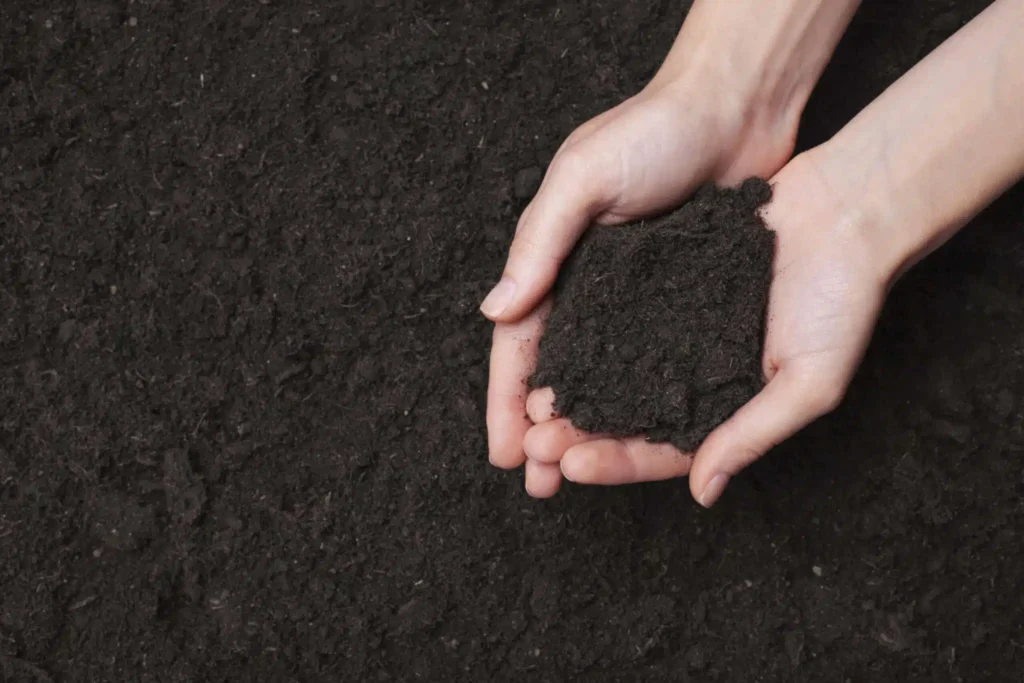 From $44.03/yard
- SizeScreened, no size grade
- Density2200 lb/yd³
- ColorDark brown
From $44.03/yard- Density2000 lb/yd³
- ColorDark brown
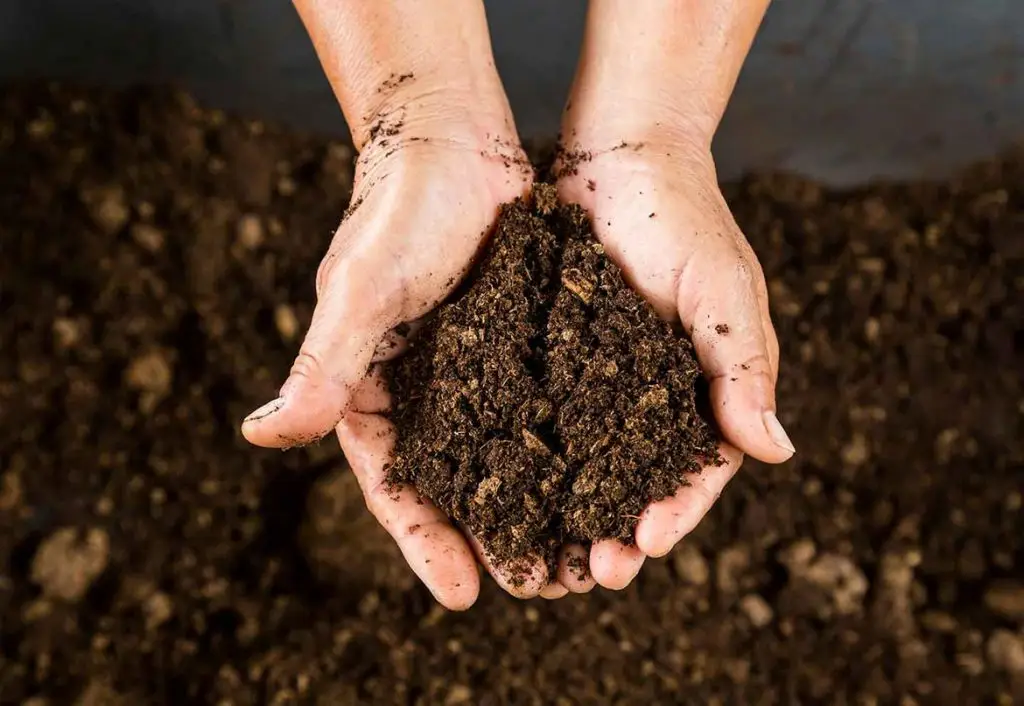 From $44.03/yard
- Density1000 lb/yd³
- ColorDark brown
Other calculators
CALCULATORLoam CalculatorUse this loam calculator to turn your area and depth into cubic yards of topsoil, then see the delivered weight in tons.Open calculator →CALCULATORCompost CalculatorUse this compost calculator to find how many cubic yards of compost your beds or lawn need, plus depth and ordering guidance.Open calculator →CALCULATORTopsoil CalculatorFree Topsoil Calculator - enter your area in square feet and depth in inches and get instant tons, cubic yards, and an estimated material cost.Open calculator →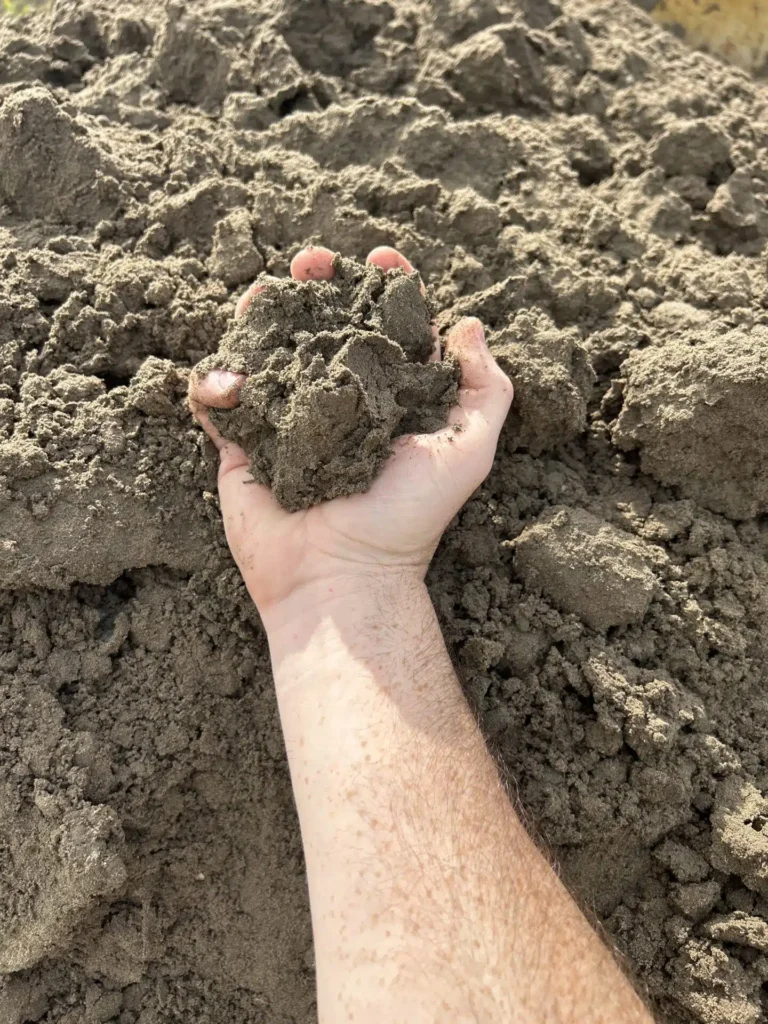 CALCULATORFill Dirt Volume CalculatorYards of fill dirt for grading, low-spot repair, or building pad prep.Open calculator →
Related guides
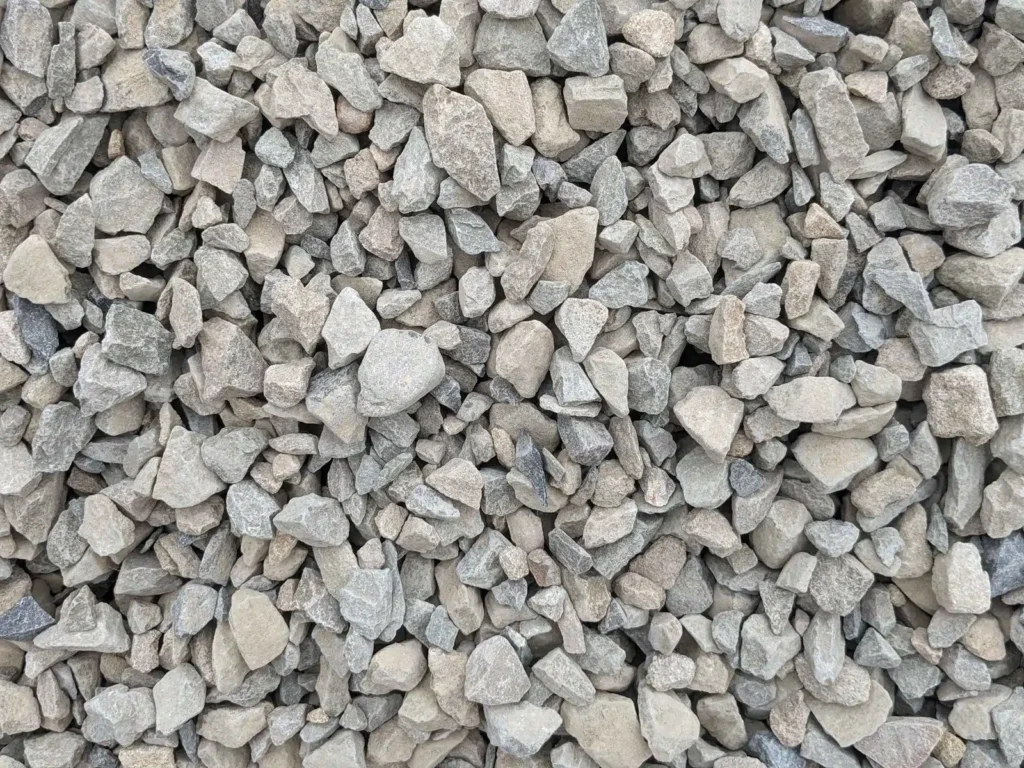 GUIDEDoes Gravel Stop Weeds? Honest Answer + What WorksPractical, field-tested guide: does gravel stop weeds. Pulled from real US installer notes and 2026 supplier price data.Read guide →
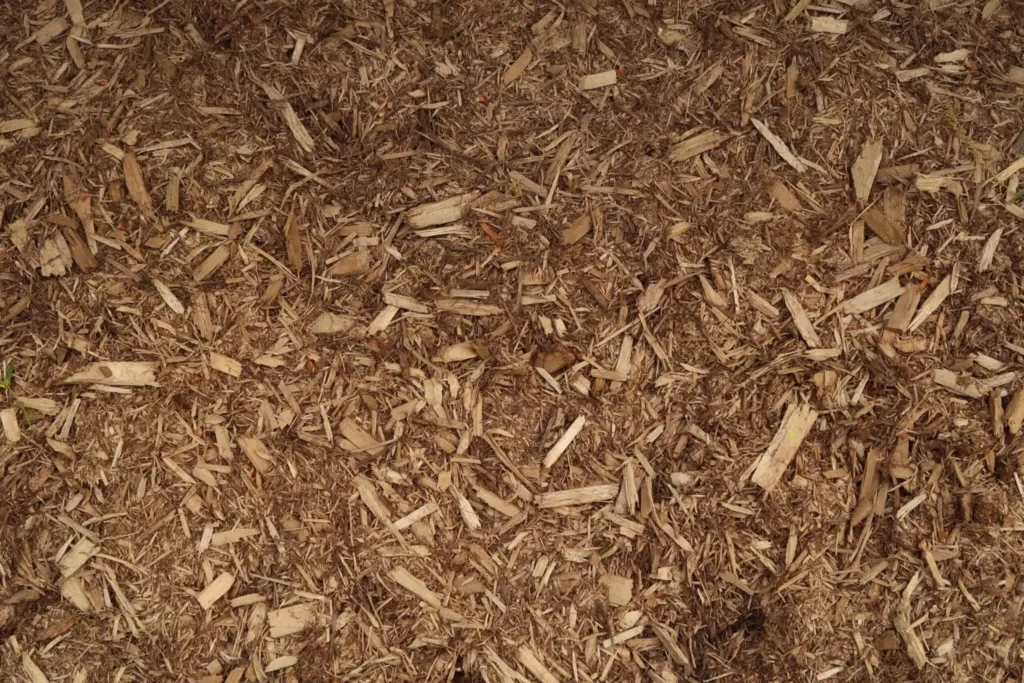 GUIDEHow Much Gravel Do I Need? Quick Sizing GuidePractical, field-tested guide: how much gravel do i need. Pulled from real US installer notes and 2026 supplier price data.Read guide →GUIDEWhat Is #57 Stone? Uses, Size, and Cost ExplainedPractical, field-tested guide: what is 57 stone. Pulled from real US installer notes and 2026 supplier price data.Read guide →
 GUIDEHow Deep Should a Gravel Driveway Be? Layer GuidePractical, field-tested guide: how deep should gravel driveway be. Pulled from real US installer notes and 2026 supplier price data.Read guide →
Frequently Asked Questions
How does this calculator work?
Enter area in sq ft and depth in inches. We convert to cubic yards, multiply by density to get tons, and divide by 2,000.
What if I don't know the depth?
Most projects use 4 inches. Drainage applications go deeper (6-12 in).
Why is the estimate different from my supplier quote?
Within 10% is normal - supplier quotes include delivery + minimum-load surcharges that depend on your distance from the quarry.
Should I round up?
Yes - round up to the nearest half-ton. The price-per-ton usually drops on larger orders.
Does this include delivery cost?
No - the result is material cost only. Get a delivered quote with your ZIP for the full price.
Can I use this for another material?
Density varies by material. This calculator is tuned for garden-soil; switch to the matching calculator for accurate results.