Concrete Sand Delivery in New York, NY
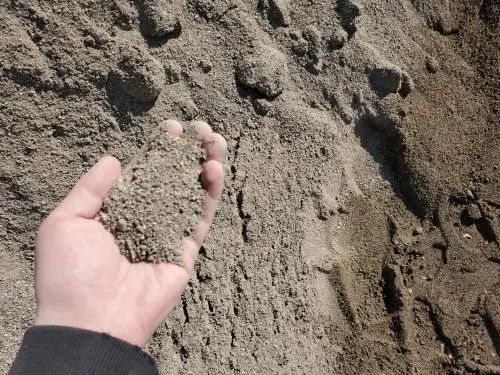
Bulk concrete sand delivered in New York, NY. Stone size 0 - 3/8. Tan / gray color.
From $122/ton delivered, free delivery on full loads
Concrete Sand Delivered Across New York City
New York runs on concrete. From the foundations going in along the outer-borough waterfront to the rooftop terraces in Manhattan and the brownstone restorations in Brooklyn, almost every build in this metro touches a coarse, washed sand at some point. That material is concrete sand is a clean, well-graded 0 to 3/8 product in a natural tan and gray tone, screened and washed so the fines and clay are gone before it ever reaches your site.
Contractors and homeowners in New York lean on concrete sand for four core jobs: mixing structural and flatwork concrete, bedding pavers and flagstone, bedding pipe and conduit in utility trenches, and supplying the sharp sand component in masonry and parge work. Because it is angular and coarse rather than soft and round, it locks together under load and gives cement paste something to grip, which is exactly what you want under a city sidewalk slab or a rooftop paver deck that has to survive freeze-thaw winters.
Why New York Builders Choose Concrete Sand
The reason concrete sand is so common across NYC comes down to its grading. The particles run from fine grit up to roughly three-eighths of an inch, which makes the material drain fast and compact tight. On a Queens driveway or a Bronx patio, that means a stable bedding layer that will not pump or rut under traffic. In a Manhattan basement underpinning job, the same coarse profile gives concrete the workability and strength engineers spec for.
Common local uses
- Concrete mixing: the fine aggregate in slabs, footings, stoops, and curbs all over the boroughs.
- Paver and flagstone bedding: a 1 inch screeded setting bed over a compacted Paver Base for patios and walkways.
- Pipe and conduit bedding: a forgiving, free-draining cushion in utility and drainage trenches.
- Masonry and parging: the sharp sand in brick, block, and stucco mortar work on rowhouses and commercial facades.
If your project leans toward soft, rounded sand for brick pointing, you may want Mason Sand instead, and if you are simply raising grade or backfilling, our cheaper Fill Sand is the better call. Concrete sand is the structural workhorse in between.
Local Delivery and Lead Times in New York
Delivering aggregates into New York City is its own discipline. Narrow one-way streets, alternate-side parking, bridge and tunnel weight limits, and tight curbside windows all shape how we route trucks into Manhattan, Brooklyn, Queens, the Bronx, and Staten Island. We plan drops around your access, whether that means a full tri-axle load to an outer-borough yard or a smaller delivery threaded into a Midtown block. For sites farther out, we also serve customers pulling material toward Bethlehem and Allentown to the west and down the corridor toward Philadelphia.
Lead times depend on quantity. Single-ton orders typically land in 1 to 2 business days. Mid-size loads of 6 tons and up often ship same or next day. Larger 16-ton-plus orders are scheduled to hit your site exactly when your crew is ready to place. Tell us the cross streets, the borough, and any clearance or parking restriction, and we will match the truck to the site.
How Much Concrete Sand Do You Need
Concrete sand is sold by the ton, and one ton weighs roughly 2,700 pounds, which covers a bit more than a third of a cubic yard. For a quick estimate of a bedding layer, figure that one ton of concrete sand will set a 1 inch deep bed across about 100 to 110 square feet.
So a 400 square foot Brooklyn backyard patio at a 1 inch setting depth runs right around 4 tons. A 600 square foot Queens driveway base would push you into the 6-ton tier. A larger commercial flatwork pour or a long trench-bedding run can easily clear 16 tons, which is where free delivery kicks in. When in doubt, give us length, width, and depth and we will size the order so you are not paying for sand you will only have to haul away.
New York Concrete Sand Pricing
Bulk concrete sand in New York starts from $122 per ton, with the rate dropping as your load grows. Here is how the tiers work:
- 1 ton and up: $165 per ton plus a $317 delivery fee, arriving in 1 to 2 business days. Best for small repairs and single-pallet patios.
- 6 tons and up: $148 per ton plus a $171 delivery fee, with same or next day delivery. The sweet spot for driveways and mid-size flatwork.
- 16 tons and up: $122 per ton with free delivery. The best value for full slabs, larger paver decks, and trench work.
Because New York hauling costs are real, consolidating into one larger drop almost always beats several small ones. If your job is borderline between tiers, it is usually worth rounding up to the next quantity break.
Placement and Installation Tips
For paver bedding, screed concrete sand to a uniform 1 inch over a compacted base, set your pavers, then sweep joint sand and compact. Do not over-thicken the bedding layer, since a deep sand bed will settle unevenly. For concrete mixing, keep the sand under cover or tarped on site so the moisture content stays consistent batch to batch, which matters for your water-cement ratio. In trench bedding, place and lightly consolidate the sand before lowering pipe so you get even support along the full run.
Seasonal notes for New York
New York winters bring hard freeze-thaw cycles, so the free-draining nature of concrete sand is a genuine advantage: water moves through it instead of pooling, freezing, and heaving your slab or pavers. Plan exterior concrete and paver work for the long stretch from spring through fall, and avoid placing concrete when overnight temperatures threaten to drop below freezing before it cures. In peak summer demand from May through September, schedule a few days ahead since aggregate trucks across the metro book up fast. Order early, store the sand dry, and your NYC project will be ready to move the moment the weather cooperates.
Ordering Concrete Sand for Your New York Project
Getting the order right starts with a clear picture of the job. For a typical New York project we ask three things: how the material will be used, the square footage and depth or the volume of concrete you plan to mix, and exactly where the truck can stage and dump. In dense parts of the city, the dump location is often the deciding factor. A driver may be able to tip a pile directly into a Brooklyn driveway or a Bronx side yard, but on a tight Manhattan block we may need to drop onto a protected board area and coordinate with your crew to clear the curb quickly. The more detail you give us up front, the smoother the day goes.
Quantity also shapes the choice of truck. Small repair loads ride on lighter vehicles that can reach almost any address, while full 16-ton-plus loads move on tri-axles that need room to maneuver and an unobstructed path to the drop. If your site sits behind a low bridge, a weight-restricted street, or a narrow alley common in the older boroughs, tell us in advance so we can split the load or stage a smaller vehicle. We would rather plan around a constraint than send a truck that cannot complete the drop.
Getting the most value
Most New York customers save the most by buying to the next tier break. Because the per-ton price falls from $165 at one ton to $148 at six tons and down to $122 at sixteen tons, and because the delivery fee drops from $317 to $171 and then to zero, the math almost always favors a single consolidated drop over multiple small ones. If you have a string of related projects, a patio plus a walkway plus a small slab, it is usually worth combining them into one order so the whole job rides the best rate. Pair the concrete sand with a compacted Paver Base under your hardscape and you have a stable, free-draining assembly built to last through New York winters.
About Concrete Sand
Concrete sand is a coarse, washed, well-graded sand engineered as the fine aggregate in concrete and as a structural bedding material. Our concrete sand carries a size profile of roughly 0 to 3/8 of an inch and a natural tan and gray color, screened to remove silt, clay, and organic fines so it performs predictably in a mix and drains freely under pavers.
What sets concrete sand apart from softer sands is its angular, sharp-edged grain. Those edges interlock under load and give portland cement paste a strong mechanical bond, which is why it is the standard fine aggregate for slabs, footings, stoops, curbs, and other flatwork. The same coarse grading makes it an excellent setting bed for pavers and flagstone, a forgiving cushion for bedding pipe and electrical conduit, and the sharp sand component in many masonry mortars and parge coats.
compacts tightly yet still lets water pass through, so it resists the pumping and frost heave that plague finer materials. It is sold and delivered by the ton, with one ton weighing about 2,700 pounds and covering roughly 100 to 110 square feet at a 1 inch depth. For comparison, Mason Sand is finer and softer for mortar and pointing, Fill Sand is an economical unwashed material for raising grade, and Paver Base whenever your job calls for strength, sharp drainage, and a stable, load-bearing layer that holds its shape.
What Concrete Sand costs in New York
Around New York, concrete sand is quoted by the ton with delivery layered in based on distance from the closest yard. Pricing in New York starts at $122 per ton on full-truck loads, which works out to roughly $165 per cubic yard at the typical density of 2700 lb per yard. Plan on roughly 80 sq ft of coverage per ton at 3 inches deep, which puts a single-car driveway in the 4 to 8 ton bracket.
How crews use Concrete Sand in New York
New York contractors keep concrete sand on the order sheet for a short list of standard installs. Top of the list is pipe bedding, where the material is rolled out in tight urban lots and infill builds and screeded to grade. Right behind that is base course gravel, common in dense neighborhoods where curb access is short and often paired with edging or fabric below the lift. New York sits at about 8,336,817 residents, which means we see steady weekday traffic from landscape crews and weekend pickups from owner-builders.
Delivery day in New York
Delivery in New York runs out of the nearest pit; you get a two hour arrival window the evening prior and a call when the driver leaves the scale. Plan for 12 ft of clear path for a tandem and 14 ft for a tri-axle, plus a level area at the dump point so the bed lifts straight. Standard lead time on this lane is Mon-Sat, with same-day windows held open for orders that hit the desk before 11 AM and clear payment.
Related materials we deliver in New York
Delivered pricing in New York
| Order size | Price / ton | Delivery fee | Lead time |
|---|---|---|---|
| 1+ tons | $165 | $317 | 1-2 business days |
| 6+ tons | $148 | $171 | Same/next day |
| 16+ tons | $122 | Included | Free delivery |
Estimate how much you need
Calculate Your Project
Estimate only. Add 10-15% for compaction and waste.
Browse more
Common uses for Concrete Sand in New York
Available in nearby cities
Plan your project
Related guides
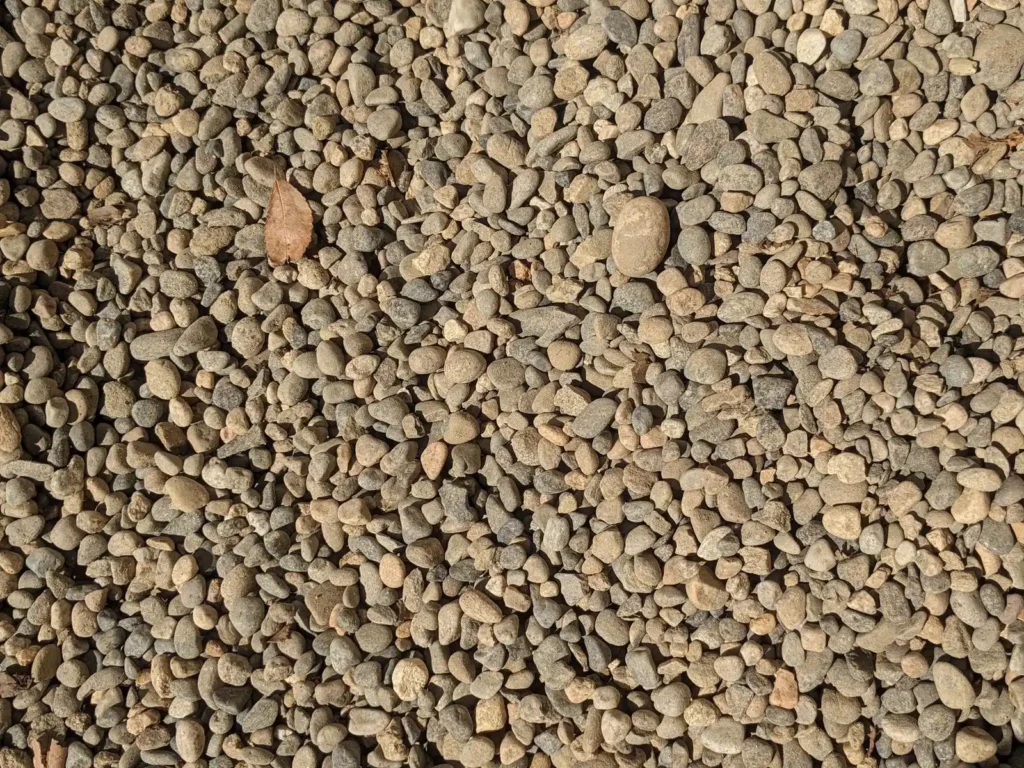 GUIDEHow Much Does Gravel Cost? A Practical Pricing GuideHow much does gravel cost and why does it vary? See the real factors behind ton pricing, delivery, and order size before you buy.Read guide →
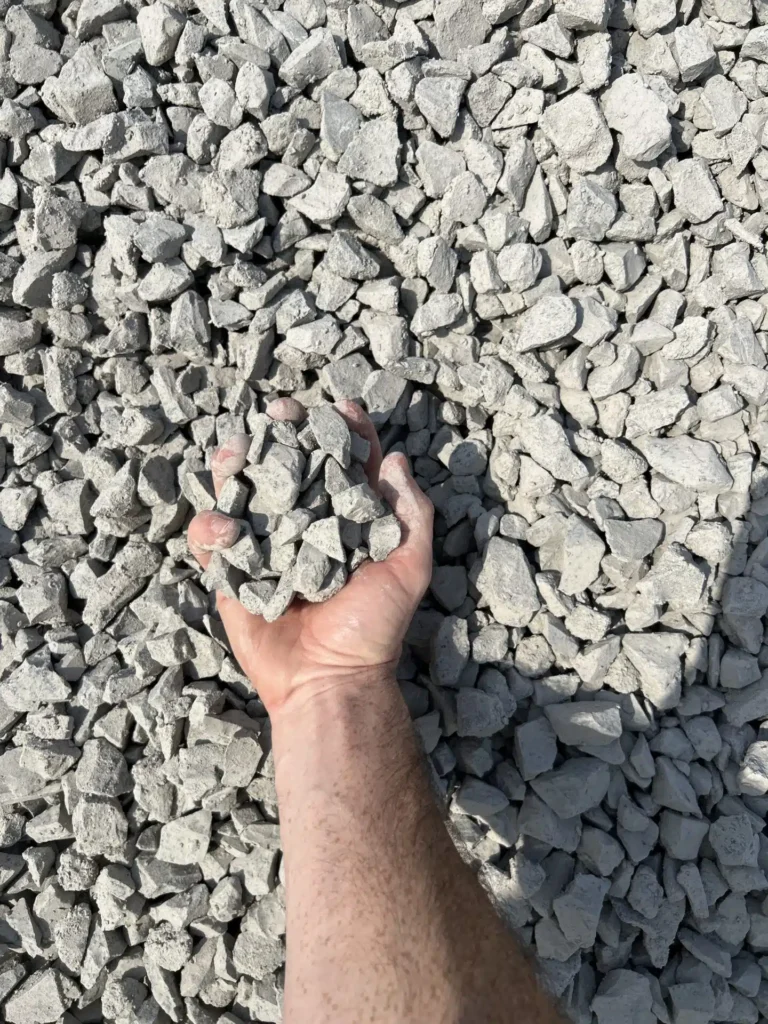 GUIDEGravel Size Chart: Pea Gravel to Crushed StoneA gravel size chart showing pea gravel, crushed stone and river rock diameters side by side, so you can match the right size to your project.Read guide →
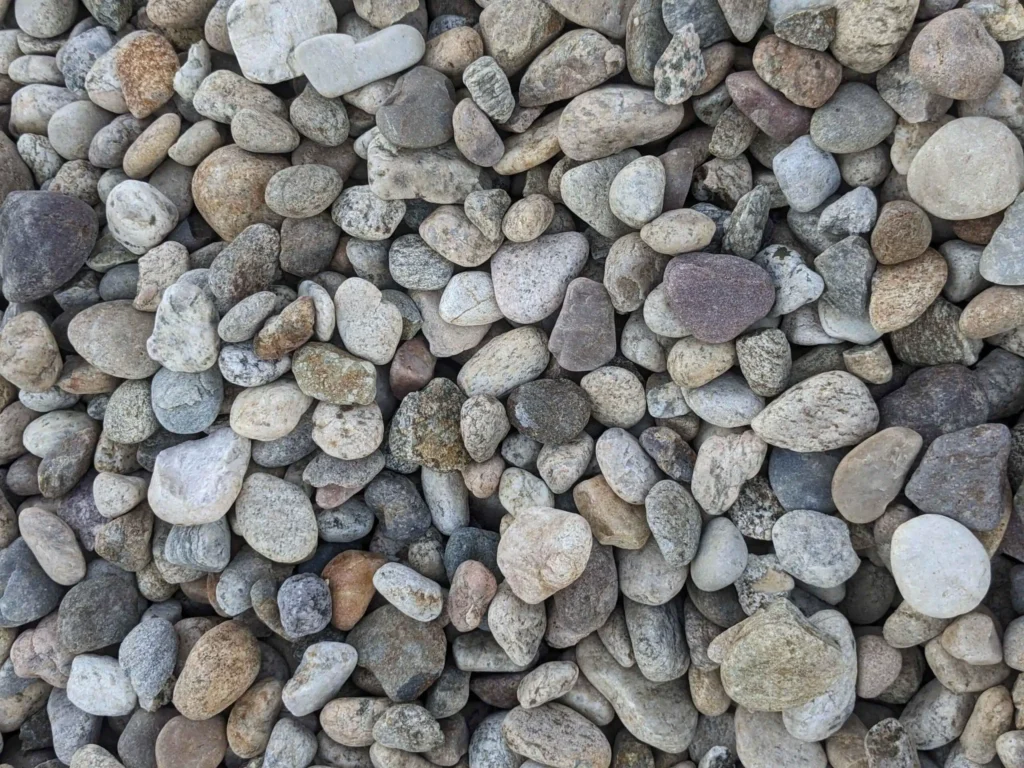 GUIDEThe Different Types of Gravel and How to ChooseA plain-language guide to the main types of gravel, covering pea gravel, crushed stone, river rock and decomposed granite.Read guide →
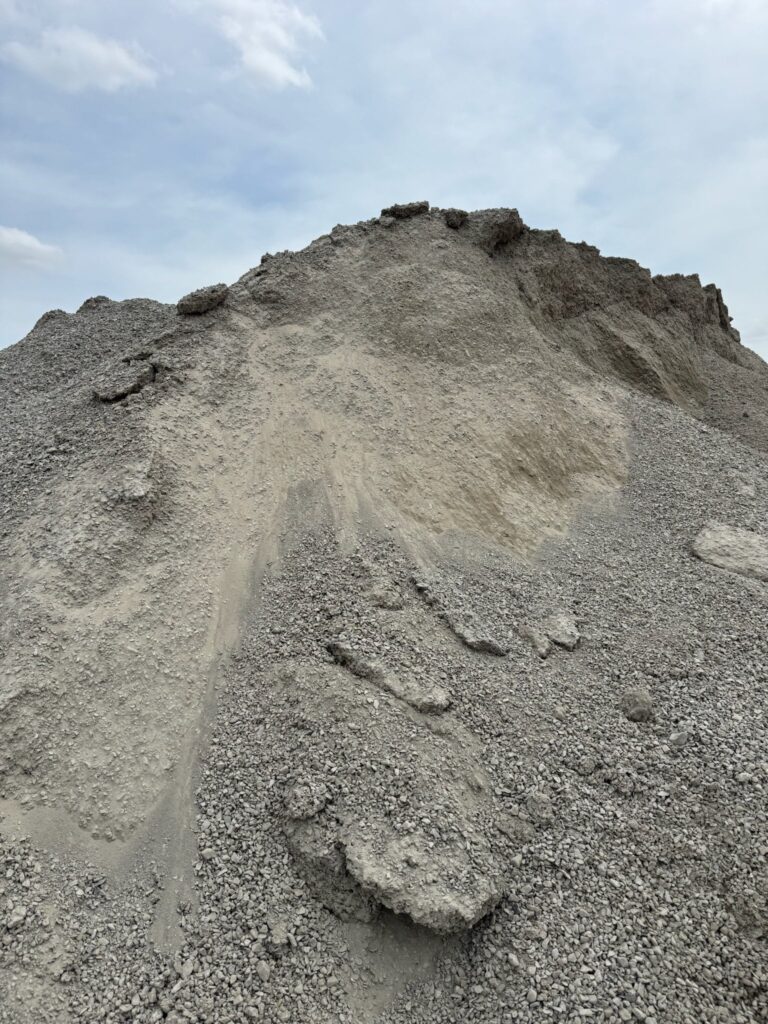 GUIDEWhat Are Screenings? A Guide to Crushed Stone FinesScreenings are fine crushed stone used for paver bases, joint fill and walkways. See what screenings are, common types, and mistakes to avoid.Read guide →
Frequently Asked Questions
What is concrete sand used for in New York?
In New York, concrete sand is used as the fine aggregate when mixing concrete for slabs, footings, stoops, and curbs, and as a bedding layer under pavers and flagstone. Crews across the boroughs also use it for pipe and conduit bedding in utility trenches and as the sharp sand in masonry mortar. Its coarse, angular grain makes it ideal anywhere strength and drainage both matter.
How much does concrete sand cost in New York, NY?
Concrete sand in New York starts from $122 per ton. Small orders of 1 ton run $165 per ton plus a $317 delivery fee, 6-ton loads drop to $148 per ton plus a $171 delivery fee, and orders of 16 tons or more are $122 per ton with free delivery. Larger loads deliver the best value because the per-ton rate falls and the delivery fee disappears.
How much concrete sand do I need for a patio in NYC?
Plan on one ton of concrete sand covering about 100 to 110 square feet at a 1 inch bedding depth. A 400 square foot Brooklyn or Queens patio needs roughly 4 tons for the setting bed. Send us the length, width, and depth and we will calculate the exact tonnage for your site.
How fast can you deliver concrete sand in New York City?
Single-ton orders typically arrive within 1 to 2 business days, while 6-ton and larger loads often ship the same or next day. Delivery into the five boroughs is scheduled around street access, parking windows, and bridge or tunnel weight limits. Give us the cross streets and borough and we will route the right truck to your site.
What is the difference between concrete sand and mason sand?
Concrete sand is coarse and angular, which makes it strong as a concrete aggregate and stable as a paver bed. Mason Sand.
Can concrete sand be used under pavers?
Yes. Concrete sand is one of the most common paver bedding materials. Screed it to a uniform 1 inch layer over a compacted Paver Base, set your pavers, then sweep in joint sand and compact. Its free-draining nature helps protect the installation through New York's freeze-thaw winters.
Do you deliver concrete sand outside New York City?
Yes. Beyond the five boroughs we serve customers across the New York-Newark-Jersey City metro and out along the corridor toward Bethlehem, Allentown, and Philadelphia. Delivery fees and lead times vary with distance and load size, so the larger your order the more efficient the haul becomes.
Is concrete sand good for freeze-thaw climates like New York?
It is well suited to it. Because concrete sand drains quickly, water moves through it instead of pooling and freezing, which reduces frost heave under slabs and pavers. That drainage is a big reason it is the preferred bedding material for exterior work across New York's cold winters.
How is concrete sand sold and how much does a ton weigh?
Concrete sand is sold in bulk by the ton. One ton weighs approximately 2,700 pounds, which is a little over one third of a cubic yard. Ordering by the ton makes it easy to scale from a small patio repair up to a full slab pour or trench-bedding run.
Should I use concrete sand or fill sand for my project?
Use concrete sand when you need strength, sharp drainage, and a stable load-bearing layer, such as concrete mixing, paver bedding, or pipe bedding. Use the cheaper Fill Sand when you are simply raising grade, backfilling, or filling voids where structural performance is not required. Matching the sand to the job keeps your costs down without sacrificing results.