
Base Course Gravel - Material Guide
Picking the right gravel for a base course gravel project? This guide covers the materials that fit best, how much you need, and what it costs delivered.
Picking the right material for base course gravel starts with one question: is this surface going to carry traffic or carry water? Load-bearing jobs want fines that compact. Drainage jobs want clean stone with open voids. Below are the specs, install steps, depths, and regional prices we run on real base course gravel jobs every week.
Best materials for base course gravel
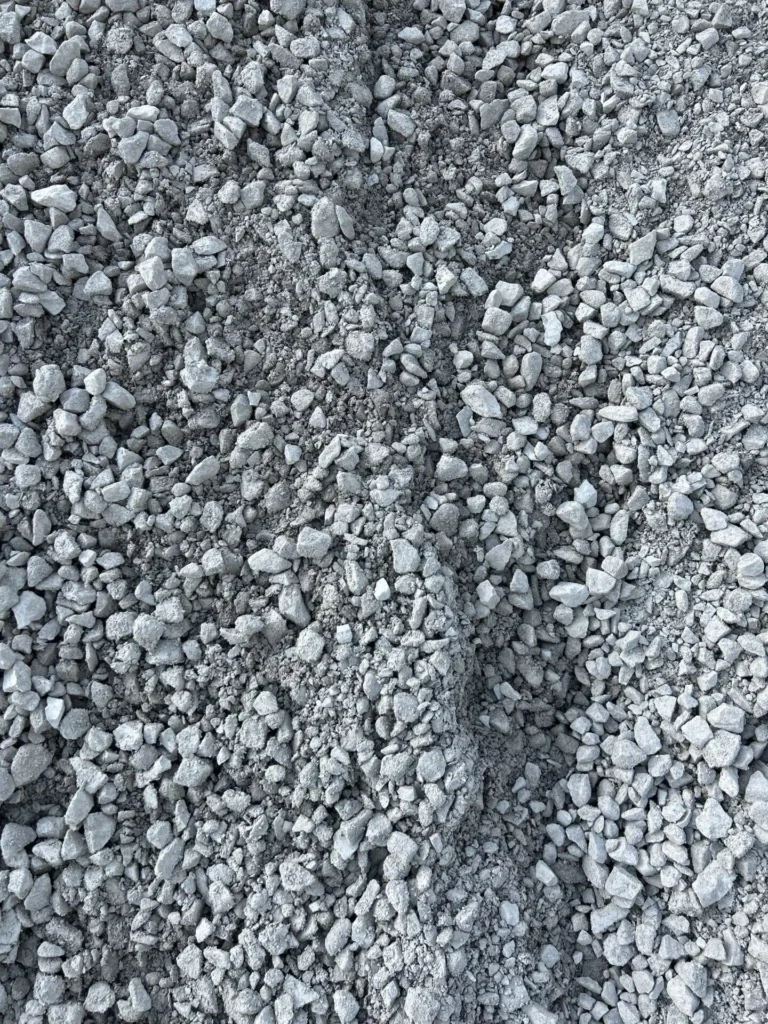 From $41.27/ton
- SizeDense-graded, varies
- Density2900 lb/yd³
- ColorGray
From $41.27/ton- SizeDense-graded, varies
- Density2900 lb/yd³
- ColorGray
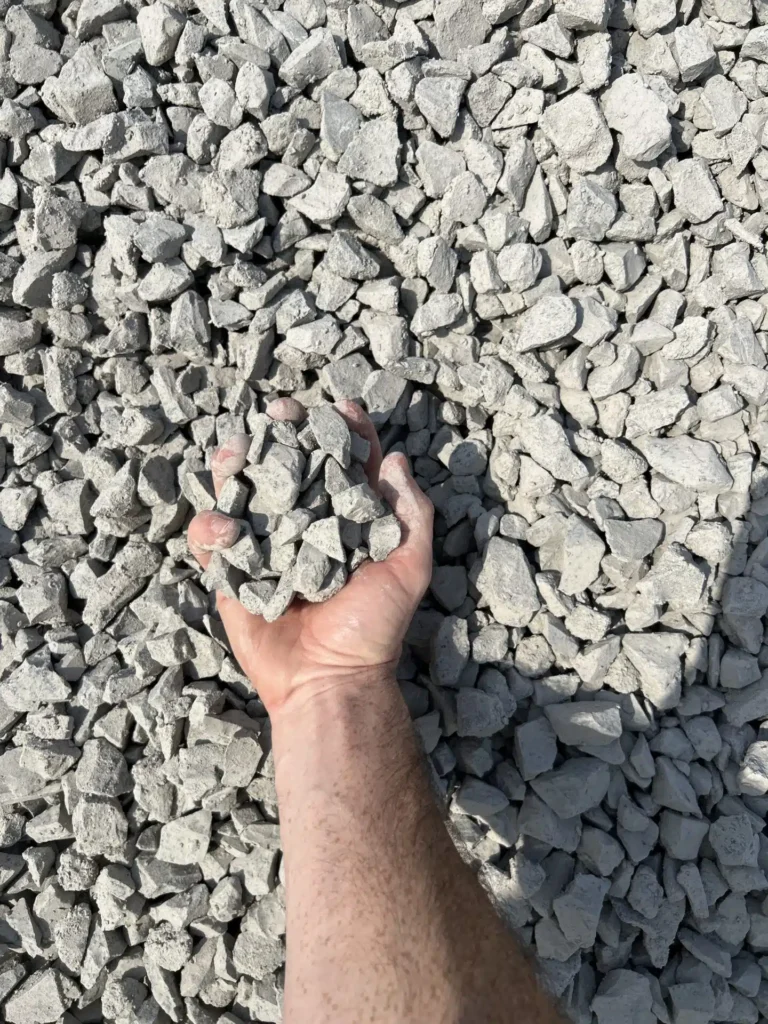 From $48.68/ton
- Size3/4 - 1″
- Density2700 lb/yd³
- ColorGray
What base course gravel needs in a material
- Size and shape: 3/4 inch minus or class-5, dense graded.
- Drainage: low, fines bind for load-bearing strength.
- Compaction: compacts to 95% Proctor under heavy plate.
The three specs above drive every other choice on a base course gravel job. Order the wrong size and the surface fails fast. Pick a material that drains the wrong way and you fight standing water or washouts. Get these right and the install steps below take care of the rest.
How to install base course gravel
-
1
Strip and grade subgrade
Remove topsoil, shape subgrade to design grade, proof-roll for soft spots.
-
2
Lay geotextile
Place separation fabric to keep base course from mixing with subgrade.
-
3
Spread in 3 inch lifts
Place class-5 or crushed stone in lifts, never thicker than 4 inches loose.
-
4
Compact each lift
Plate or roller compact to 95 percent Proctor before adding the next lift.
How much base course gravel material do you need
| Project size | 3 inch depth | 4 inch depth |
|---|---|---|
| 100 sq ft | 0.9 cu yd / 1.3 tons | 1.2 cu yd / 1.7 tons |
| 300 sq ft | 2.8 cu yd / 3.9 tons | 3.7 cu yd / 5.2 tons |
| 600 sq ft | 5.6 cu yd / 7.8 tons | 7.4 cu yd / 10.4 tons |
Quantities above assume crushed stone at roughly 1.4 tons per cubic yard. Pea gravel and river rock run a bit lighter, decomposed granite a bit denser. Add 10 percent waste for irregular shapes and edge losses.
What base course gravel costs in 2026
| Region | Delivered per ton | Typical 300 sq ft project |
|---|---|---|
| Northeast | $38 to $65 | $133 to $228 |
| Midwest | $29 to $50 | $102 to $175 |
| South | $27 to $49 | $95 to $172 |
| West | $43 to $79 | $151 to $277 |
These ranges hold for full-truck delivered prices in 2026. Diesel surcharges, distance from the quarry, and load size all shift the number. Quotes get sharper once we know your ZIP and the tonnage you need.
Base Course Gravel mistakes to avoid
- Single thick lift instead of multiple compacted lifts.
- Wet subgrade, which pumps fines up into the base course.
- No separation fabric, so the base mixes with the soil below.
- Compacting to feel instead of testing density with a gauge.