
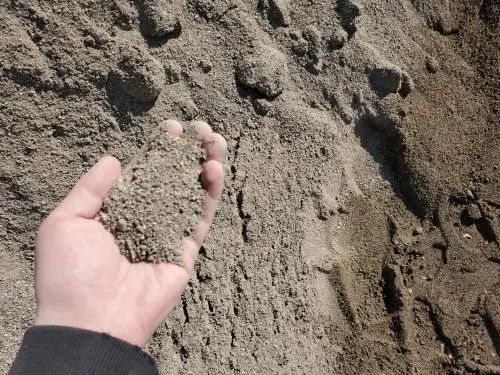
Concrete Sand Delivery in Colorado Springs, CO
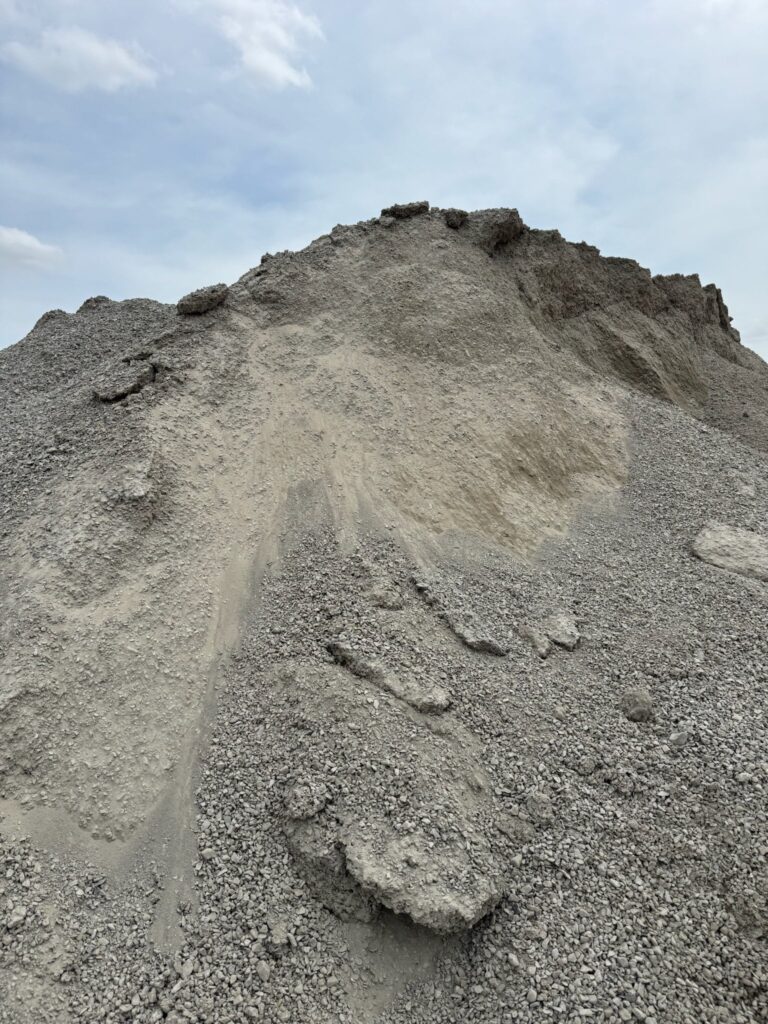
Bulk concrete sand delivered in Colorado Springs, CO. Stone size 0 - 3/8. Tan / gray color.
From $105/ton delivered, free delivery on full loads
Concrete Sand Delivered Across Colorado Springs, CO
Building at the foot of Pikes Peak comes with its own rulebook. Colorado Springs sits above 6,000 feet on ground that swings from decomposed granite to the notorious expansive clays of the Front Range, and the high-altitude sun, dry air, and 40-degree daily temperature swings push concrete hard. To make slabs, patios, and trenches behave on that ground, builders here rely on clean imported sand. Our Concrete Sand is a washed, sharp-edged aggregate graded from 0 to 3/8 inch in a tan to gray tone, and it sits under a large share of the concrete and hardscape work going up across the Colorado Springs area.
Mixing concrete, bedding pavers, cradling utility pipe, or working masonry, this is the sand built for the job. It is coarse and angular by design, so it interlocks under load and gives cement paste a surface to grip. That grain structure is what sets true concrete sand apart from the soft, rounded play sands and the fine washes some yards sell as a cheaper substitute.
Why Colorado Springs Builders Choose Concrete Sand
The angular grain is the whole reason it exists. Concrete sand is the fine aggregate in a standard concrete mix, filling the voids between the larger rock so a slab cures dense and strong. In Colorado Springs, where intense high-altitude sun dries a pour fast and the expansive clays can lift a poorly built slab, a tight, well-graded mix and a controlled water ratio are critical. Concrete that cures dense and sits on a properly drained base is what survives both the swelling soils and the freeze-thaw of a Front Range winter.
Around the region, locals reach for it four main ways:
- Concrete mixing for footings, slabs, steps, and the structural pours that come with new construction across the growing north and east sides.
- Paver bedding, the 1 inch screeded setting layer under the concrete pavers, flagstone, and native stone on patios and walkways.
- Pipe bedding, surrounding sewer, water, and conduit runs so loads spread evenly and the backfill does not point-load the line.
- Masonry work, mixed into mortar and grout for block, stone, and the retaining walls that terrace so many sloped lots near the foothills.
For finer mortar joints, many crews keep Mason Sand on hand too. When a job just needs volume to bring a low spot up to grade, that is a job for Fill Sand, not this product. And under a paver patio, the compacted structural course is your Paver Base, with concrete sand screeded on top as the setting bed.
Local Delivery and Lead Times in Colorado Springs
We deliver bulk concrete sand throughout the Colorado Springs area, from downtown out along I-25 and Powers Boulevard to the developing edges near Monument and Fountain. Orders of 6 tons or more typically arrive same day or next day, while smaller 1 to 2 ton loads run on a 1 to 2 business day schedule depending on your slot.
The city also sits on the southern Front Range corridor. Pueblo is about 42 miles south, and the Denver metro runs roughly 62 to 63 miles north through Centennial, Lakewood, and Aurora, so if you manage projects along I-25 we can coordinate multiple drops. For jobs in foothill neighborhoods with steep, winding access and tighter mountain lots, let us know about the approach up front so we send a truck that can place the material where you need it.
How Much Concrete Sand Do You Need?
Concrete sand is sold by the ton, and one ton covers roughly 100 square feet at a 2 inch depth. Paver bedding usually goes down around 1 inch, where a ton stretches to about 200 square feet. Depth and compaction shift those numbers, so round up.
Here is a real Colorado Springs example. Say you are setting a 16 by 26 foot flagstone patio behind a home on the north side, which is 416 square feet. At a 1 inch screeded setting bed, you need roughly 2.1 tons of concrete sand. If you are also batching footings for a stone retaining wall to terrace a sloped lot near the foothills, your volume climbs quickly. Our concrete sand runs about 2,700 pounds per cubic yard, so a single bulk load moves serious material in one trip, which is exactly why the per-ton price drops as your order grows.
Colorado Springs Pricing
Concrete sand in Colorado Springs starts from $105 per ton. Pricing is tiered so larger orders earn the best rate and the lowest delivery cost:
- 1 ton and up: $142 per ton, $273 delivery, arriving in 1 to 2 business days.
- 6 tons and up: $127 per ton, $147 delivery, with same or next day service.
- 16 tons and up: $105 per ton with free delivery.
The tiers reward buying right. If a job needs 14 tons, it is often worth ordering 16 to clear the free-delivery threshold and lock the $105 rate. The dry mountain air keeps a tarped extra pile in good shape for the next phase.
Placement and Installation Tips
A few habits keep concrete sand performing at altitude. Screed your paver bedding to a clean 1 inch and resist using it to mask an uneven base; the compacted Paver Base handles leveling, and the sand is only the setting layer. For pipe bedding, surround the line fully and slice the sand under the haunches so no voids remain. When batching concrete in the thin, dry Colorado Springs air, expect fast moisture loss: dampen the sand, dial in your water carefully, and cure hard so the surface does not dry out before it gains strength.
Mind the Expansive Soil
The Front Range clays are the silent enemy of flatwork here. Build proper drainage so water never collects under a slab, keep moisture conditions around your foundation stable, and pour a dense, well-sanded mix. That combination is what keeps work from cracking when the soil swells and shrinks.
Seasonal Notes for Colorado
Colorado gives you a clear but weather-driven pour season. Late spring through early fall is prime, and demand runs high, so book bulk loads ahead during peak hardscape months. The high-altitude sun and dry air mean evaporation is a year-round concern even on cool days, so plan curing accordingly. Afternoon thunderstorms are common in summer, so keep a tarp ready and schedule around the cells. Winter brings hard freezes and snow, and pours that go ahead need cold-weather practice with blankets, accelerators, and protection from freezing before set. The freeze-thaw cycle, combined with expansive clay, is exactly why a dense, properly sanded mix earns its place here.
Whether you are pouring a slab on the north side, bedding flagstone in a foothills backyard, or trenching utilities out toward Fountain, our washed concrete sand is ready to deliver to your Colorado Springs jobsite.
About Concrete Sand
Concrete Sand is a coarse, washed sand graded from 0 to 3/8 inch, with a clean tan to gray color and the sharp, angular grain structure that defines a true concrete-grade fine aggregate. It is processed and washed to remove silt, clay, and organic fines, leaving a consistent, free-draining material that performs predictably batch after batch.
As the fine aggregate in a standard concrete mix, it fills the voids between coarse stone so finished concrete cures dense and strong. The angular grains interlock under load and give cement paste a surface to bond to, which is why this sand is specified for structural pours, footings, and slabs rather than the soft, rounded sands sold for play areas and beaches.
Its uses run well beyond concrete. Hardscapers screed it as the 1 inch setting bed under pavers, flagstone, and native stone. Utility crews use it as pipe bedding to cradle sewer, water, and conduit lines and to spread trench loads evenly. Masons blend it into mortar and grout for block, stone, and retaining walls. It also serves as a leveling and joint-filling sand on a range of flatwork jobs.
The material weighs roughly 2,700 pounds per cubic yard, so plan delivery and storage accordingly. It is sold in bulk by the ton, which keeps pricing competitive for everything from a single patio to a full subdivision schedule. One ton covers about 100 square feet at 2 inches deep, or roughly 200 square feet at the 1 inch depth typical of paver bedding. Tarp any stockpile to keep it clean and to control moisture, since both contamination and excess water throw off concrete and mortar ratios. Consistent grading, thorough washing, and reliable bulk supply make it a dependable choice for professional and DIY work alike.
What Concrete Sand costs in Colorado Springs
Around Colorado Springs, concrete sand is quoted by the ton with delivery layered in based on distance from the closest yard. Pricing in Colorado Springs starts at $105 per ton on full-truck loads, which works out to roughly $142 per cubic yard at the typical density of 2700 lb per yard. Plan on roughly 80 sq ft of coverage per ton at 3 inches deep, which puts a single-car driveway in the 4 to 8 ton bracket. Colorado Springs pricing sits lower than the CO state average, which is what we see across other product-loc rows we publish.
How crews use Concrete Sand in Colorado Springs
Colorado Springs contractors keep concrete sand on the order sheet for a short list of standard installs. Top of the list is pipe bedding, where the material is rolled out in tight urban lots and infill builds and screeded to grade. Right behind that is base course gravel, common in dense neighborhoods where curb access is short and often paired with edging or fabric below the lift. Colorado Springs sits at about 483,956 residents, which means we see steady weekday traffic from landscape crews and weekend pickups from owner-builders.
Delivery day in Colorado Springs
Delivery in Colorado Springs runs out of the nearest pit; you get a two hour arrival window the evening prior and a call when the driver leaves the scale. Plan for 12 ft of clear path for a tandem and 14 ft for a tri-axle, plus a level area at the dump point so the bed lifts straight. Standard lead time on this lane is Mon-Sat, with same-day windows held open for orders that hit the desk before 11 AM and clear payment.
Related materials we deliver in Colorado Springs
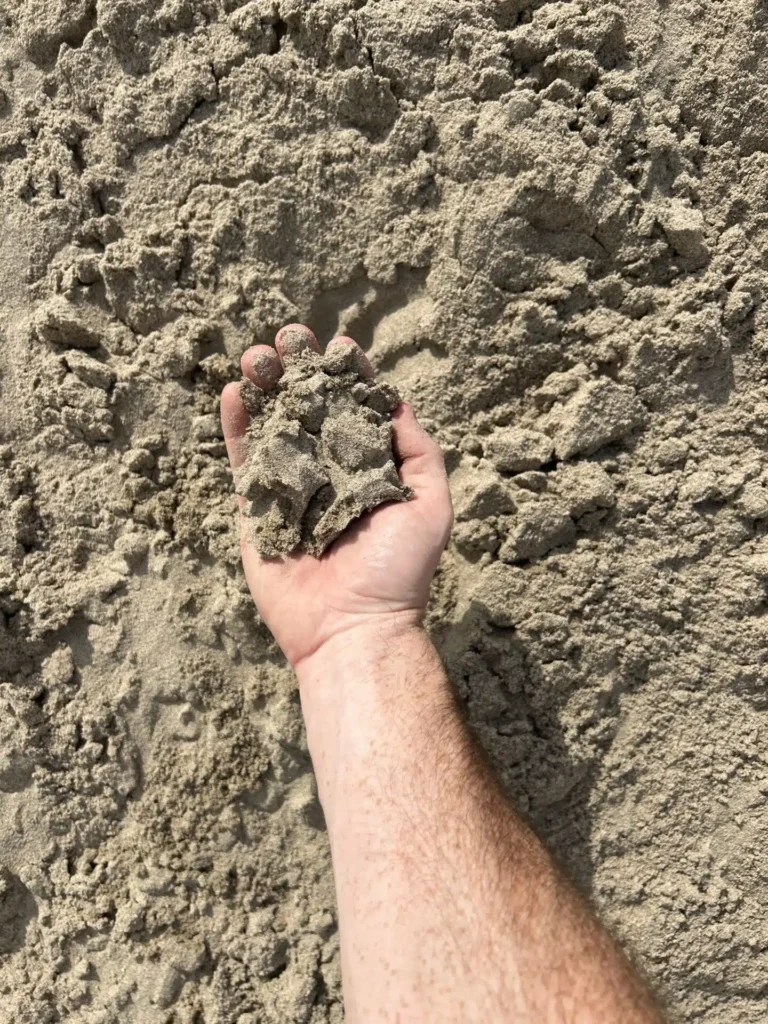
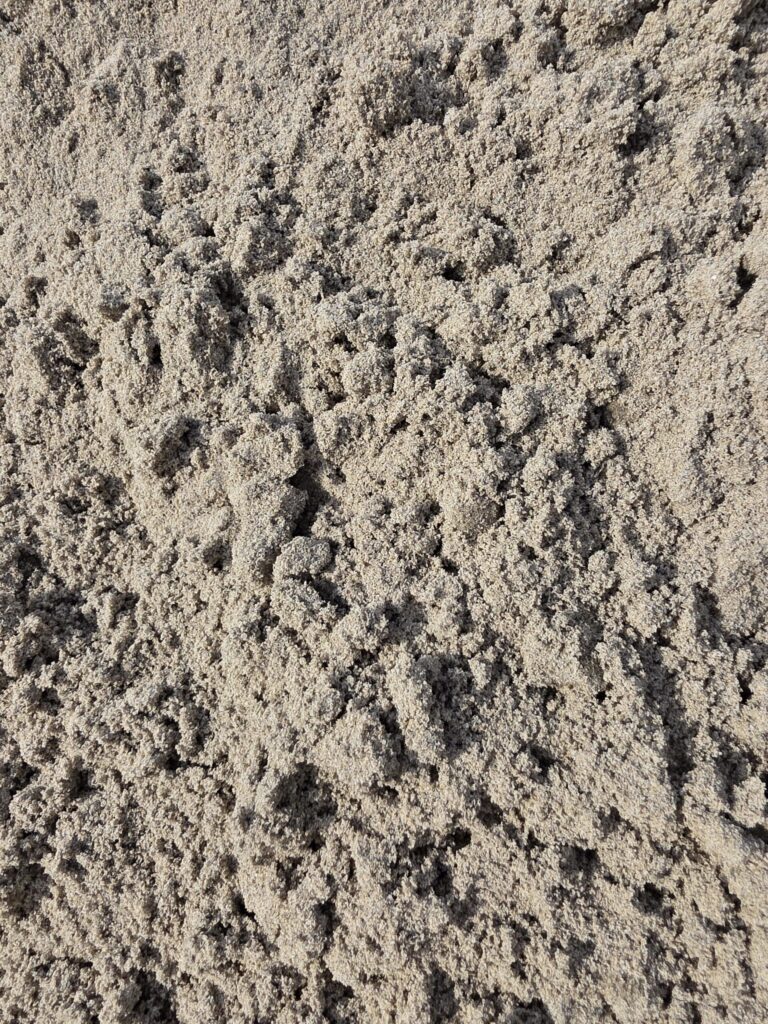
Delivered pricing in Colorado Springs
| Order size | Price / ton | Delivery fee | Lead time |
|---|---|---|---|
| 1+ tons | $142 | $273 | 1-2 business days |
| 6+ tons | $127 | $147 | Same/next day |
| 16+ tons | $105 | Included | Free delivery |
Estimate how much you need
Calculate Your Project
Estimate only. Add 10-15% for compaction and waste.
Browse more
Available in nearby cities
Plan your project
Related guides
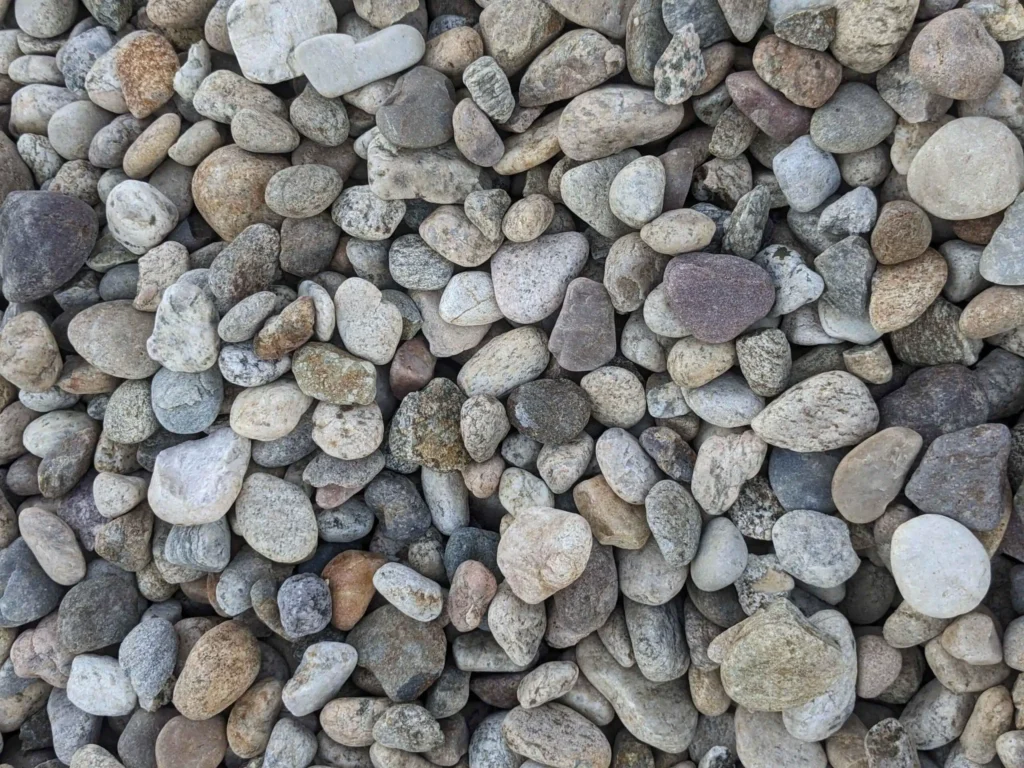 GUIDEThe Different Types of Gravel and How to ChooseA plain-language guide to the main types of gravel, covering pea gravel, crushed stone, river rock and decomposed granite.Read guide →
 GUIDEWhat Are Screenings? A Guide to Crushed Stone FinesScreenings are fine crushed stone used for paver bases, joint fill and walkways. See what screenings are, common types, and mistakes to avoid.Read guide →GUIDEWhat to Put Under River Rock for Landscaping BedsHere is what to put under river rock landscaping: a compacted base where needed, then landscape fabric, then rock, to stop weeds and settling.Read guide →GUIDEHow to Clean River Rock and Restore Its ColorLearn how to clean river rock landscaping with rinsing, soap and vinegar methods, plus common mistakes to avoid for a brighter, longer lasting rock bed.Read guide →
Frequently Asked Questions
What is concrete sand used for in Colorado Springs?
It is the fine aggregate in concrete mixes, the 1 inch setting bed under pavers and flagstone, the cradle around utility pipe, and a component in masonry mortar. Across Colorado Springs it goes under slabs, patios, and retaining walls because the expansive Front Range clays and decomposed granite make clean imported sand essential for stable work.
How much does concrete sand cost in Colorado Springs?
Pricing starts from $105 per ton. Smaller 1 ton orders run $142 per ton with a $273 delivery fee, 6 ton orders drop to $127 per ton with a $147 fee, and orders of 16 tons or more are $105 per ton with free delivery. The bigger the load, the better the rate.
How fast can you deliver concrete sand in Colorado Springs?
Orders of 6 tons or more typically arrive same day or next day across the area. Smaller 1 to 2 ton loads run on a 1 to 2 business day schedule. From downtown out along I-25 and Powers Boulevard to the developing edges near Monument and Fountain, most addresses get quick turnaround.
How much concrete sand do I need for a flagstone patio?
Plan a 1 inch screeded setting bed over your compacted base. One ton covers roughly 200 square feet at that depth, so a 416 square foot patio needs about 2.1 tons. Round up for compaction and screed waste, and keep the sand as the setting layer rather than a leveling course.
What is the difference between concrete sand and mason sand?
Concrete sand is coarser and more angular, made to be the fine aggregate in concrete and the bedding under pavers and pipe. Mason Sand is finer and smoother, which suits the thin joints in block and stone mortar. Many Colorado Springs crews keep both on hand for different parts of the same job.
Can I use concrete sand as fill in Colorado Springs?
You can, but it is rarely economical. Concrete sand is a clean, processed product priced for performance. If you only need volume to bring a low spot up to grade, Fill Sand for bedding, mixing, and masonry where its grain quality earns its price.
How does the high altitude and dry air affect pouring concrete?
The thin, dry Colorado Springs air pulls moisture from a pour fast, even on cool days. Dampen the sand, dial in your mix water carefully, and cure hard so the surface does not dry before it gains strength. A dense, well-sanded mix gives you more working margin against rapid evaporation.
Does concrete sand help on expansive Front Range soils?
Yes, as part of the system. Used as free-draining pipe and paver bedding, it helps move water away so it does not collect under a slab and feed soil swelling. Combined with proper drainage and a dense concrete mix, it reduces the cracking and heave that expansive clays cause.
Will concrete sand help my work survive Colorado winters?
Indirectly. A dense, properly sanded concrete mix has fewer paths for water to enter and freeze, which limits cracking and scaling from freeze-thaw. Paired with good drainage and footings set below the local frost depth, your flatwork holds up far better through a Front Range winter.
Do you deliver concrete sand along the Front Range?
Yes. Colorado Springs sits on the southern Front Range corridor, with Pueblo about 42 miles south and the Denver metro roughly 62 to 63 miles north through Centennial, Lakewood, and Aurora. If you manage projects along I-25 we can coordinate multiple drops on one schedule.