
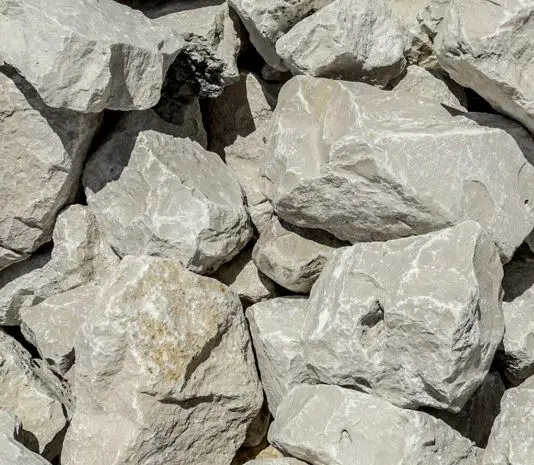
Riprap Med Delivery in Colorado Springs, CO
Bulk riprap med delivered in Colorado Springs, CO. Stone size 4 - 9. Gray color.
From $108/ton delivered, free delivery on full loads
Medium Riprap for Colorado Springs Slopes and Storm Drainage
Colorado Springs sits at the foot of Pikes Peak, where steep grades, sandy decomposed-granite soils, and sudden high-country storms make erosion a defining challenge. When a summer monsoon cell parks over the Front Range, water comes off the slopes fast and arrives in channels and arroyos with serious force. Medium riprap is what crews across El Paso County rely on to take that energy out of moving water. Our Riprap Med is angular gray stone graded 4 to 9 inches, sold by the ton, built to interlock into an armored layer that flow passes over instead of scouring through. From the bluffs on the west side to the new development spreading east and south toward Pueblo, this is the workhorse stone for serious erosion control at altitude.
The local soils are a big part of the story. Much of the Springs sits on decomposed granite and sandy loam that drain quickly but cut just as fast under concentrated flow. Add steep terrain and the burn-scar runoff that follows Front Range wildfires, and you have water that moves with real velocity. Stone in the 4 to 9 inch range is the practical answer: heavy enough to stay put under that flow, yet manageable enough that a small crew can hand-place it along a swale, channel, or detention bank without bringing in heavy equipment.
Why Colorado Springs Properties Use Riprap Med
The fractured, angular faces are the whole point. Unlike rounded gravel, crushed armor stone wedges together so a placed layer acts like a single armored mat. In the Springs that interlock has to survive brutal freeze-thaw cycling at elevation and the flash flows of monsoon season.
- Erosion control on decomposed-granite slopes, swales, and graded pads before native grasses establish.
- Slope armoring on the steep cut-and-fill banks that come with hillside and bluff-side lots.
- Shoreline protection for detention ponds and HOA basins built to manage Front Range runoff.
- Culvert and pipe outlets where concentrated discharge would otherwise blow out a crater downstream.
- Heavy drainage channels and arroyos that carry storm and snowmelt runoff off the slopes and paved lots.
Behind retaining walls or inside a French drain, contractors pair the surface armor with Drain Rock to keep subsurface water moving. For landscape features such as a dry creek bed in a xeriscaped front yard, River Rock gets blended into the design. And on budget-driven base and backfill work common to new Springs construction, Crushed Concrete is the frequent companion placed under or behind the riprap.
Local Delivery and Lead Times in Colorado Springs
We deliver Riprap Med throughout Colorado Springs and out across the broader Front Range corridor, including Pueblo, Centennial, Lakewood, Aurora, and Denver. Standard one-ton orders arrive in 1 to 2 business days. Step up to a six-ton load and we can usually turn it same or next day. The full sixteen-ton loads ship with free delivery and are scheduled around your site access.
One thing to plan for in the Springs: terrain. Hillside and bluff-side lots, especially on the west side and near the 80903 downtown core, can mean steep, narrow driveways that a fully loaded tandem cannot safely climb or turn on. Tell us about the approach when you order so we can match the right truck or stage the drop where it works. Out on the flatter ground toward the east and south, access is rarely an issue and full loads move quickly.
How Much Riprap Med You Need
Medium riprap weighs about 2,700 pounds per cubic yard, and for erosion work placement depth is what makes it last. A single armored layer of 4 to 9 inch stone is normally set around 12 inches thick so the largest pieces nest properly. At that depth, one ton covers roughly 24 to 27 square feet of finished surface.
Say you are armoring a drainage channel or arroyo behind a property that runs 65 feet long with an average stoned width of 8 feet. That is 520 square feet. At about 25 square feet per ton, you would order right around 21 tons, comfortably into the free-delivery tier. For a single culvert outlet apron of roughly 100 square feet, plan on about 4 tons, which fits the standard or six-ton bracket.
Colorado Springs Pricing Context
Riprap Med in Colorado Springs starts from $108 per ton, with the per-ton rate dropping as load size grows:
- 1 ton minimum: $147 per ton plus a $281 delivery fee, arriving in 1 to 2 business days.
- 6 ton minimum: $132 per ton with a $151 delivery fee, same or next day.
- 16 ton minimum: $108 per ton with free delivery.
The spread between the small-load and full-load rate is substantial. Erosion projects on Front Range terrain almost always need real volume, so most Springs jobs land naturally in the sixteen-ton tier, where the $108 per ton rate plus waived delivery makes the call easy. If your project comes in just under 16 tons, rounding up usually costs less overall once the $281 small-load delivery fee falls away, and surplus riprap stockpiles easily for the next monsoon season.
Installation and Placement Tips
Lasting riprap in the Springs starts under the stone. On sandy decomposed granite, a non-woven geotextile fabric beneath the riprap is critical; the loose granular soil migrates up through the voids fast otherwise, and the layer undermines from below. Cut the slope or channel to a stable grade, lay the fabric with generous overlaps, then place the stone.
- Set the largest 9 inch pieces low, on the toe and the channel bottom, where flash-flow energy peaks.
- Hand-pack the gaps with smaller stone so the layer interlocks with no open pockets.
- Bury the toe of any slope below grade so concentrated runoff cannot start undercutting it.
- Do not just dump and walk away; a quick hand-set pass is what turns a pile of rock into an armored layer that lasts decades.
Seasonal Notes for Colorado
The Front Range monsoon runs roughly July through September, delivering the intense, fast storms that drive most erosion damage in the Springs. The strategy is to get armoring in place before that water arrives, which makes late spring and early summer the prime install windows. At elevation the ground freezes hard in winter, so placement is best from spring through fall. There is one local wrinkle worth knowing: areas downstream of recent burn scars see dramatically amplified runoff for years after a fire, so riprap sizing and depth on those sites should run on the generous end. Crews working the corridor from Colorado Springs up toward Denver repeat the same lesson every season. The riprap placed before monsoon season is the riprap that holds, and the bare slope left exposed is the one that ends up in the channel.
About Riprap Med
Riprap Med is an angular gray armor stone graded from 4 to 9 inches and sold by the ton. It is built for erosion control and energy dissipation, the demanding work where smaller decorative gravels wash away under flow. The stone is quarried and crushed so every piece carries fractured, irregular faces, and those faces drive its performance: placed together, the stones wedge and interlock into a stable armored layer that resists displacement even under fast-moving water.
At roughly 2,700 pounds per cubic yard, this is a heavy, dense material, and that mass is exactly what keeps it in position on slopes, channels, and shorelines where flow velocity would carry lighter stone downstream. The 4 to 9 inch gradation strikes a practical balance. The pieces are large enough to stay put in concentrated drainage and storm flow, yet small enough that a crew can hand-place and adjust them without heavy equipment on most residential and light-commercial sites.
Typical applications include streambank and pond-bank stabilization, detention basin shorelines, culvert and pipe outlet aprons, swale and channel armoring, arroyo protection, bridge abutment work, and slope revetment behind grading. The neutral gray color blends with both natural and engineered settings, so it works as cleanly on a designed drainage channel as it does on a private shoreline.
For best performance, medium riprap is normally placed about 12 inches thick over a non-woven geotextile fabric, with the largest stones set low where water energy peaks. Installed correctly, a riprap layer is effectively permanent and requires no ongoing maintenance beyond an occasional check of the toe. It is a one-time material that ends a recurring erosion problem, which is why it remains the standard choice for serious water-management work.
What Riprap Med costs in Colorado Springs
In the Colorado Springs market, riprap med is sold by the ton and priced at the gate before delivery is added on. Pricing in Colorado Springs starts at $108 per ton on full-truck loads, which works out to roughly $146 per cubic yard at the typical density of 2700 lb per yard. One ton covers about 80 sq ft at a 3 inch finished depth, so a 400 sq ft driveway pad runs roughly 5 tons.
How crews use Riprap Med in Colorado Springs
Crews working out of Colorado Springs tend to call for riprap med on a few repeat jobs each week. The first is erosion control, typically laid in tight urban lots and infill builds with a base lift compacted before the finish course goes on. The second is drainage gravel, which lands here in dense neighborhoods where curb access is short and usually ships as a 4 to 8 ton order. With a population around 483,956, Colorado Springs pulls a mix of single-truck homeowner orders and contractor full-loads through the season.
Delivery day in Colorado Springs
On the day of the drop, the dispatcher pulls the closest yard, batches your ticket with other Colorado Springs stops, and sends a window the night before. Tandem-axle dumps need at least 12 ft of clear width and 14 ft overhead to set the bed; tri-axles need 14 ft of clearance on both counts and a level pad to tip safely. Standard lead time on this lane is Mon-Sat, with same-day windows held open for orders that hit the desk before 11 AM and clear payment.
Related materials we deliver in Colorado Springs

Delivered pricing in Colorado Springs
| Order size | Price / ton | Delivery fee | Lead time |
|---|---|---|---|
| 1+ tons | $147 | $281 | 1-2 business days |
| 6+ tons | $132 | $151 | Same/next day |
| 16+ tons | $108 | Included | Free delivery |
Estimate how much you need
Calculate Your Project
Estimate only. Add 10-15% for compaction and waste.
Browse more
Available in nearby cities
Plan your project
Related guides
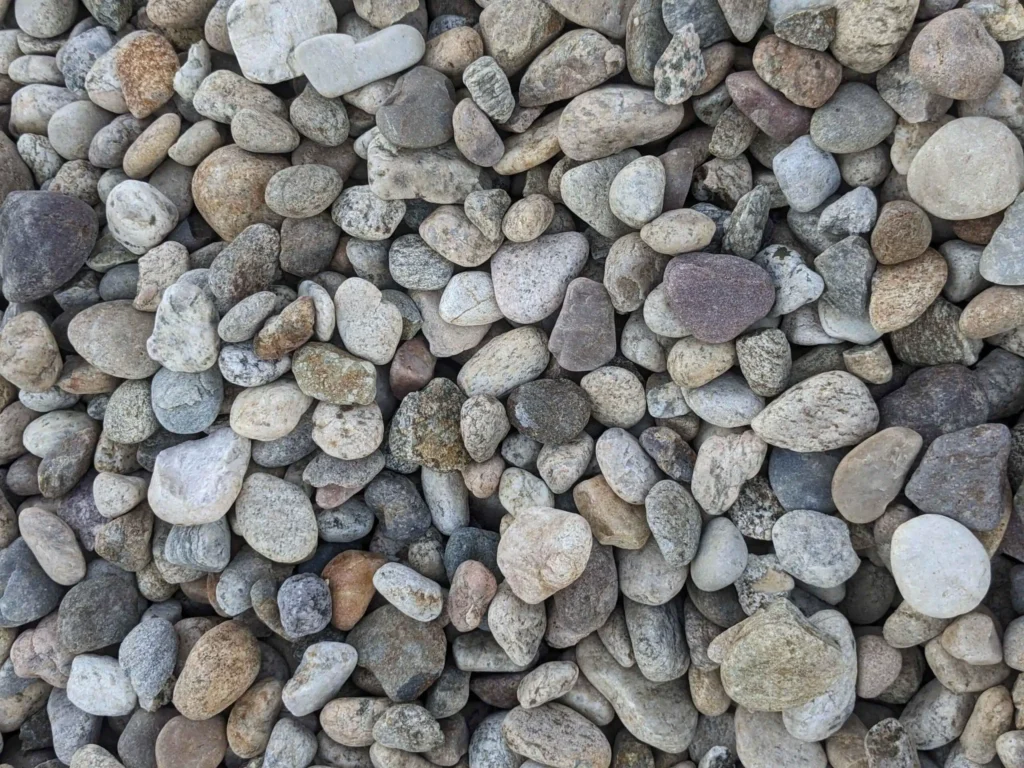 GUIDEHow Much Does River Rock Cost? By Ton or YardRiver rock cost depends on your ZIP code, order size, and whether you buy by the ton or the cubic yard. Here is how pricing works.Read guide →
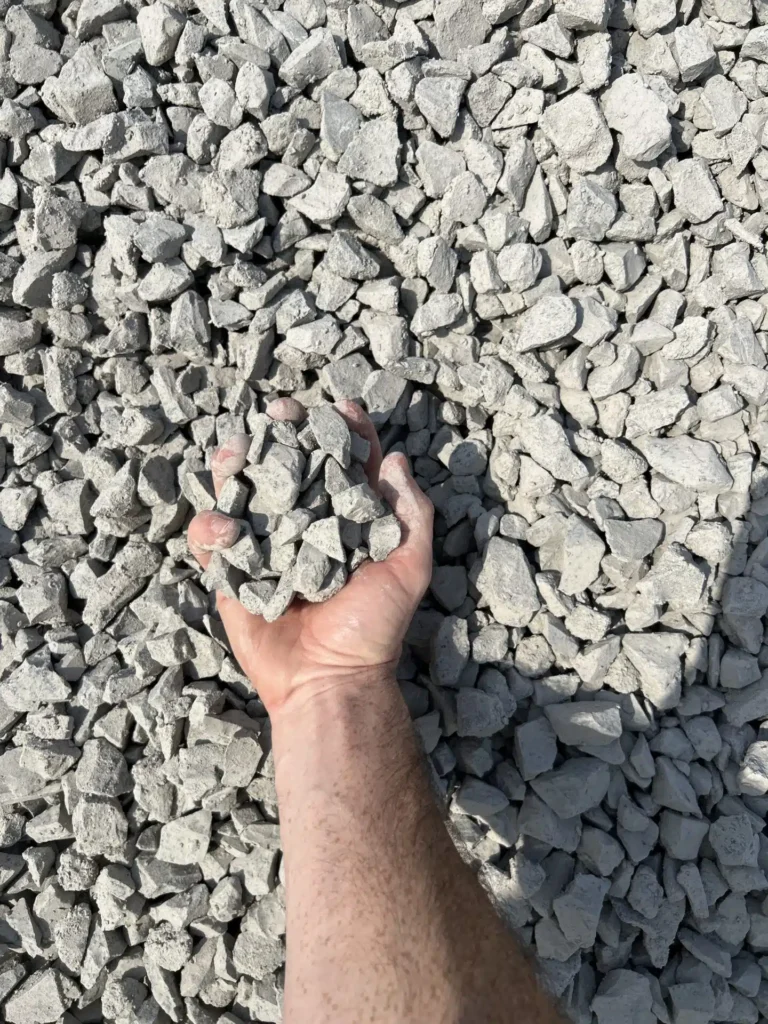 GUIDEWhat Size Crushed Stone Goes Under a Concrete SlabMost slabs need 4 to 6 inches of compacted crushed stone underneath. What size crushed stone under a concrete slab needs, and why it matters.Read guide →GUIDEWhat Is Crushed Stone? Sizes, Uses and Buying BasicsCrushed stone is quarried rock crushed and screened into angular pieces sold by the ton. Here is what it is, how it is graded, and where to use it.Read guide →
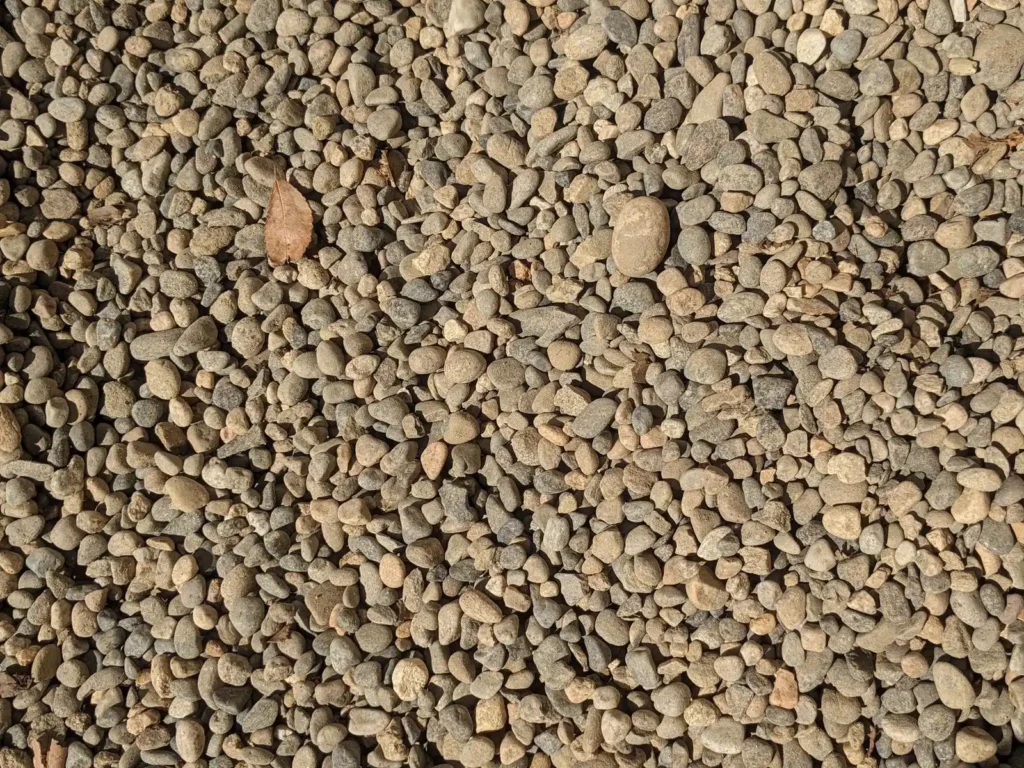 GUIDEHow Much Does Gravel Cost? A Practical Pricing GuideHow much does gravel cost and why does it vary? See the real factors behind ton pricing, delivery, and order size before you buy.Read guide →
Frequently Asked Questions
What size is Riprap Med?
Riprap Med is graded from 4 to 9 inches across, a true medium armor stone. That range is large enough to hold position under Front Range flash flows yet small enough for a small crew to hand-set on most Colorado Springs sites without heavy equipment.
How much does Riprap Med cost in Colorado Springs?
Pricing starts from $108 per ton. One-ton orders run $147 per ton plus a $281 delivery fee, six-ton loads are $132 per ton with a $151 fee, and sixteen-ton loads drop to $108 per ton with free delivery. Larger loads always lower your per-ton cost.
How fast can you deliver to Colorado Springs?
Standard one-ton orders arrive in 1 to 2 business days. Six-ton loads usually ship same or next day, and full sixteen-ton loads are scheduled around your site. We serve Colorado Springs plus Pueblo, Centennial, Lakewood, Aurora, and Denver along the Front Range.
How many tons do I need for my project?
Placed about 12 inches thick, one ton of Riprap Med covers roughly 24 to 27 square feet. A 520 square foot channel or arroyo runs around 21 tons. Send us your length, width, and depth and we will confirm the exact tonnage.
Do I need fabric under riprap on decomposed granite?
Yes, it is critical. The sandy decomposed-granite and loam soils common around Colorado Springs migrate up through the stone voids quickly and undermine the layer. A non-woven geotextile fabric under the riprap stops that and greatly extends the life of the install.
Will Riprap Med handle flash flooding from monsoon storms?
Yes, that is exactly what it is for. The angular stones interlock into an armored mat that absorbs the energy of fast monsoon flows. For best results, set the largest stones low at the channel bottom and bury the toe of any slope below grade so the flow cannot start undercutting it.
What is the difference between Riprap Med and Drain Rock?
Riprap Med is large surface armor that resists moving water, while Drain Rock behind walls or in French drains.
When is the best time to install riprap in Colorado?
Late spring and early summer are ideal so the armoring is in place before the July through September monsoon. The ground freezes hard at elevation in winter, so placement is best from spring through fall. Getting it done before the storms means the stone protects your slope rather than being installed during the runoff.
Does Colorado Springs terrain affect delivery?
It can. Hillside and bluff-side lots, especially on the west side, often have steep narrow driveways a fully loaded tandem cannot safely climb or turn on. Tell us about the approach when you order and we will match the right truck or stage the drop where it works.
Should burn-scar properties use more riprap?
Yes. Areas downstream of recent Front Range wildfires see dramatically amplified runoff for years after a fire. On those sites we recommend sizing riprap depth and coverage on the generous end so the armored layer can handle the elevated flows that follow a burn scar.