
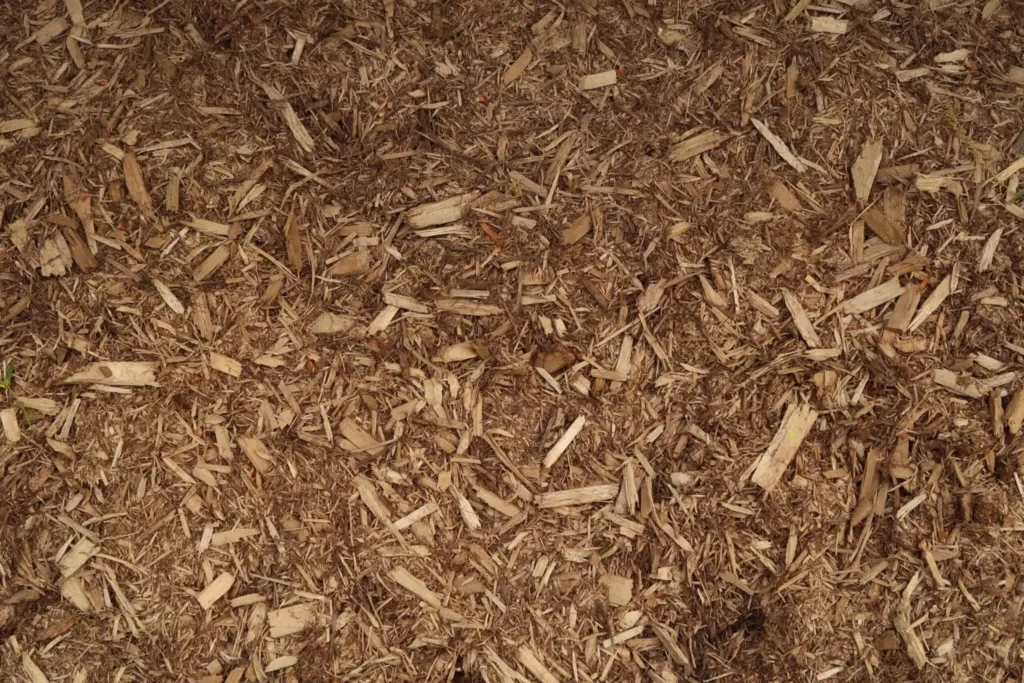
Ground Cover Mulch Calculator
Quickly estimate cubic yards, tons, and material cost for your Hardwood Mulch project. Adjust the inputs below and the result updates in real time.
Calculate Your Project
Estimate only. Add 10-15% for compaction and waste.

How this calculator works
Cubic yards = (area × depth ÷ 12) ÷ 27
Tons = cubic yards × density × 27 ÷ 2000
Bagged or bulk mulch estimator for landscape beds. 2-3" depth recommended.
Enter your area and depth, and we'll compute cubic yards, tons, and a delivered material cost using current 2026 quarry pricing.
What the ground cover mulch calculator computes
Ground cover mulch differs from standard landscape bed mulch in application: it covers large open areas (slopes, no-mow zones, between-bed strips, around foundation perimeters) rather than tight landscape beds. The calculator uses the same volume math (length x width x depth divided by 27 cubic feet per yard) but at lighter application depths (1.5 to 2 inches typical, versus 3 inches for landscape beds).
A 500 square foot ground cover area at 2 inch depth needs 3.1 cubic yards of mulch. The lighter depth reflects the lower weed pressure and lower visual-quality requirement in ground cover applications compared with featured beds near a front entrance.
Mulch types for ground cover use
Three mulch types dominate ground cover applications. Natural Hardwood Mulch is the budget standard: $57 to $464 per yard, blends with the natural landscape, weathers to silver-gray within a year. The choice for large utility areas where appearance matters less than weed suppression.
Brown Shredded Mulch is the upgrade for visible front-yard ground cover. The dyed brown color holds for 6 to 9 months and reads as intentional landscaping rather than utility coverage. Cost is 30 to 50 percent higher than natural ($57 to $464 per yard), but the visual difference is dramatic.
Black Shredded Mulch is the contemporary choice for modern architecture and dark-foliage plantings. Deep black contrasts strongly against green and gray hardscape. Same price band as brown.
For very large ground cover areas (multiple thousand square feet), some homeowners and HOAs choose River Rock or Pea Gravel instead of mulch. Stone ground cover is install-once material (no annual top-up needed) but costs more upfront and is harder to remove if the area is later replanted.
Slope and erosion considerations
Ground cover mulch on slopes faces a unique challenge: gravity. Mulch on slopes steeper than 3:1 (1 foot of rise per 3 feet of run) washes downhill during heavy rain. Common solutions include erosion control fabric (a degradable mesh that holds mulch in place for the first year while plants establish), check dams (small log or rock barriers across the slope every 20 to 30 feet), and selecting heavier mulch types (Hardwood Mulch holds better than fine bark).
For slopes steeper than 2:1, mulch alone is not viable. Switch to River Rock with filter fabric beneath, or install a series of small terraces with retaining timbers before mulching the flat sections. The construction cost difference is substantial, but mulch on a steep slope is wasted material; you reorder annually as the previous load washes away.
Foundation perimeter and no-mow zones
The foundation perimeter (the 18 inch strip between a building wall and the landscape beds or lawn) is a common ground cover mulch application. Use 2 inches of Hardwood Mulch or Brown Shredded Mulch over fabric. The mulch suppresses weeds, retains soil moisture for foundation plantings, and provides a clean visual break between the wall and the lawn.
No-mow zones (often a 4 to 6 foot strip along a fence line, around utility boxes, or under trees with surface roots) work well with ground cover mulch at the 2 inch standard. Apply over filter fabric for these zones to lower weed pressure even further; the deeper investment makes sense because no-mow zones get less attention than featured beds.
Between-bed strips (the open path between two landscape beds, typically 3 to 6 feet wide) often get mulch as ground cover instead of grass. The reason: grass strips that narrow are awkward to mow and tend to die from heat reflection off the adjacent beds. Mulch eliminates the mowing problem and reads as intentional design.
Pricing, ordering, and refresh
Ground cover applications are typically larger than landscape bed applications, which changes the delivery economics. Orders of 5 yards or more get bulk pricing breaks at the yard ($3 to $7 off per yard). Orders of 10 yards or more often qualify for free delivery within a 15-mile radius. Plan ground cover projects to combine multiple areas into one larger order rather than ordering yard-by-yard for each space.
One tandem-axle truck holds about 25 yards of mulch. For larger residential ground cover projects (entire backyard converted to mulched no-mow zones), one truckload often covers the entire need. Stage the drop strategically; mulch on a driveway gets in the way for days while installation happens.
Refresh annual for natural Hardwood Mulch, every 12 to 14 months for dyed grades. The application is lighter than the initial install (about half the volume) and restores the 2 inch depth and color. Annual refresh budget for 500 square feet of ground cover: $50 to $100 in materials.
Native plant ground cover alternatives
For homeowners wanting to reduce both mulch costs and lawn maintenance, native plant ground covers replace large mulched areas with self-sustaining low-maintenance plant cover. The economics work over the long term: mulch costs $50 to $150 annually per 500 square feet for refreshes; native ground cover costs $300 to $800 upfront for planting and then near zero in subsequent years.
The standard pattern: prep the ground cover area with the usual base (cleared, weed-suppressed with fabric or sheet mulch), but skip the surface mulch. Instead plant low-spreading native ground covers at 12 to 18 inch spacing. Common picks for the Southeast and Mid-Atlantic include creeping phlox, wild ginger, and partridgeberry. Northeast and Midwest options include pachysandra, vinca minor, and creeping juniper. Southwest options include native sedums, blue grama grass, and prairie clover.
The first 2 to 3 years require some weeding while the native cover fills in. A thin 1 inch mulch top-dressing during these establishment years helps suppress weed germination without killing the new plants. After year 3, the established plant cover suppresses weeds on its own and the mulch dependency ends.
For homeowners on the fence between mulch and natives, a hybrid pattern works well: mulch the front-yard featured beds where visual order matters most, and convert side-yard and back-yard ground cover areas to native plantings. The hybrid cuts annual mulch cost roughly in half while preserving the curated look up front.
Native ground cover establishment is fastest with a starter mulch layer the first year only. Apply 1 inch of Hardwood Mulch around new plantings at install, then let the maturing plant cover take over by year 2. The first-year mulch suppresses weeds while the natives root in; subsequent years need no mulch as the established cover does the suppression work itself. Native ground cover budgets typically run $1.50 to $4 per square foot installed (plants only, owner labor), versus an equivalent multi-year mulched-bed budget of $0.75 to $1.50 annually plus the first-year mulch install of $0.85 per square foot. The breakeven on native plantings is year 3 to 5, after which natives cost essentially zero versus continuing mulch budget.
Materials this calculator covers
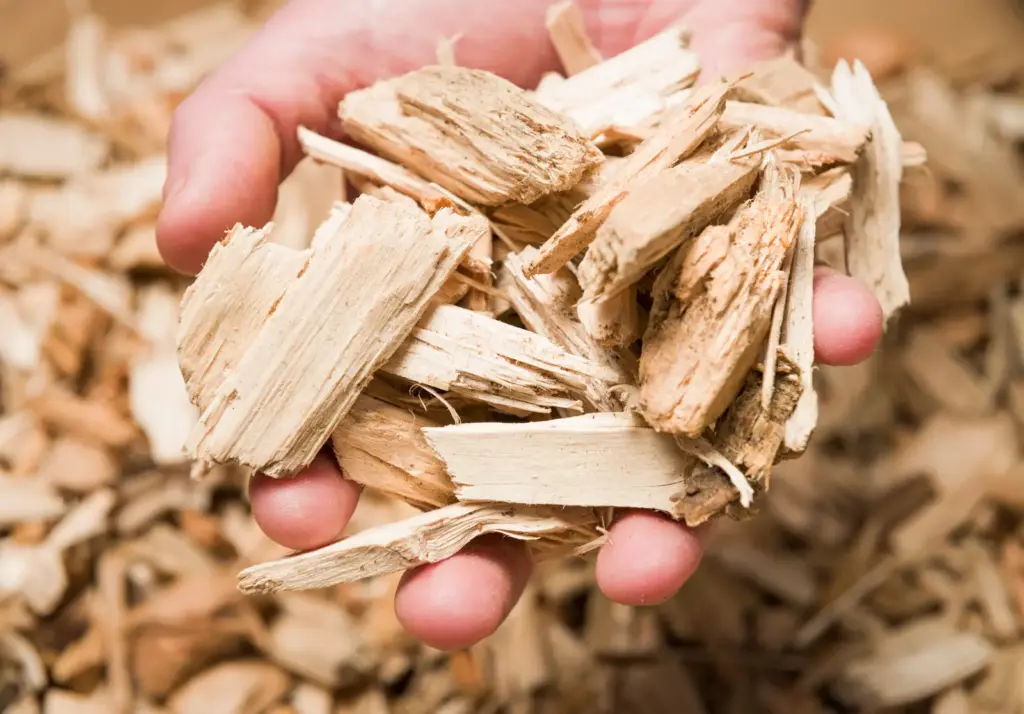
Other calculators
CALCULATORMulch CalculatorFree Mulch Calculator - enter your area in square feet and depth in inches and get instant tons, cubic yards, and an estimated material cost.Open calculator →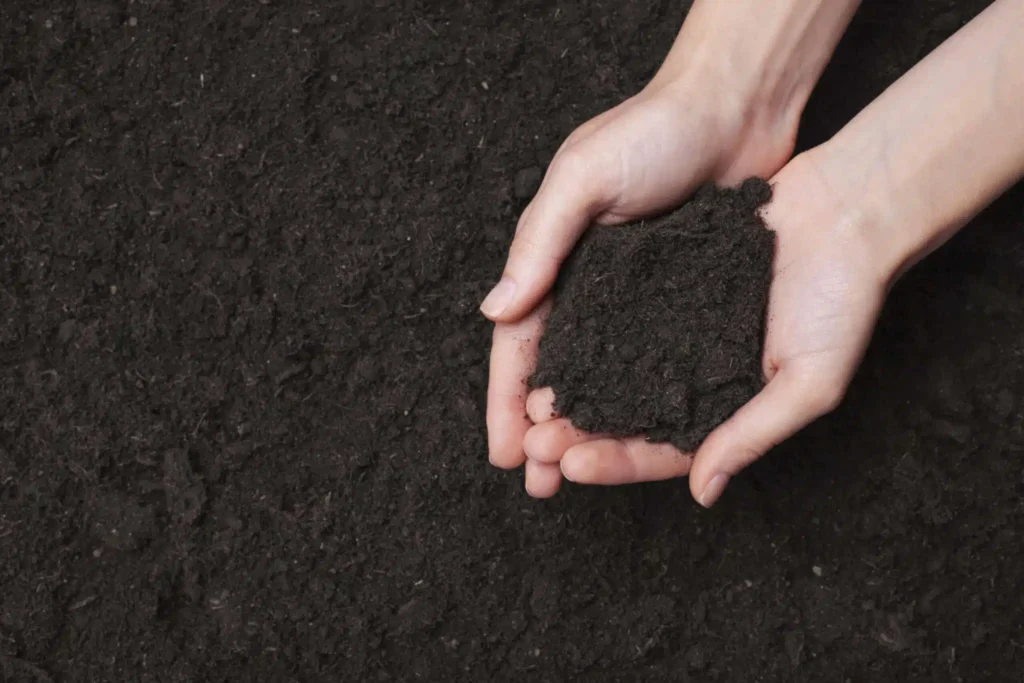 CALCULATORTopsoil CalculatorFree Topsoil Calculator - enter your area in square feet and depth in inches and get instant tons, cubic yards, and an estimated material cost.Open calculator →
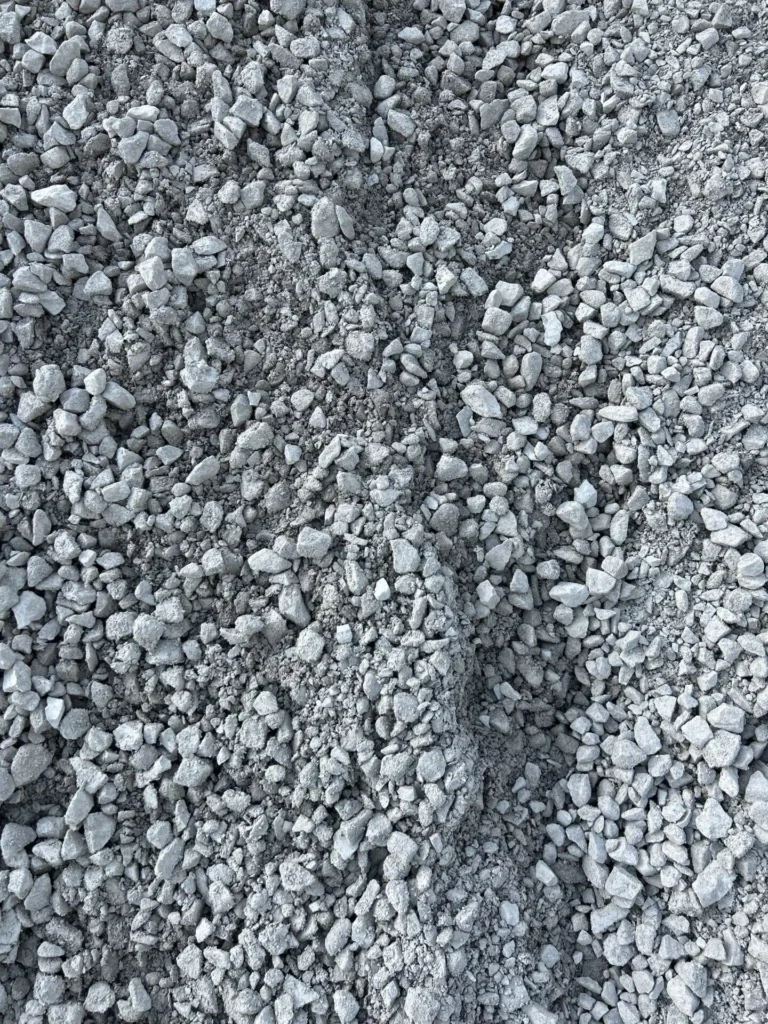 CALCULATORRoad Base CalculatorFor driveway base courses and rural road repair - Class 5 base estimator.Open calculator →
 CALCULATORSand CalculatorUse this sand calculator to convert project length, width and depth into cubic yards and tons of Mason Sand, Concrete Sand or Fill Sand.Open calculator →
Related guides
 GUIDEDoes Gravel Stop Weeds? Honest Answer + What WorksPractical, field-tested guide: does gravel stop weeds. Pulled from real US installer notes and 2026 supplier price data.Read guide →GUIDEHow Much Gravel Do I Need? Quick Sizing GuidePractical, field-tested guide: how much gravel do i need. Pulled from real US installer notes and 2026 supplier price data.Read guide →
 GUIDEWhat Is #57 Stone? Uses, Size, and Cost ExplainedPractical, field-tested guide: what is 57 stone. Pulled from real US installer notes and 2026 supplier price data.Read guide →
 GUIDEHow Deep Should a Gravel Driveway Be? Layer GuidePractical, field-tested guide: how deep should gravel driveway be. Pulled from real US installer notes and 2026 supplier price data.Read guide →
Frequently Asked Questions
How does this calculator work?
Enter area in sq ft and depth in inches. We convert to cubic yards, multiply by density to get tons, and divide by 2,000.
What if I don't know the depth?
Most projects use 4 inches. Drainage applications go deeper (6-12 in).
Why is the estimate different from my supplier quote?
Within 10% is normal - supplier quotes include delivery + minimum-load surcharges that depend on your distance from the quarry.
Should I round up?
Yes - round up to the nearest half-ton. The price-per-ton usually drops on larger orders.
Does this include delivery cost?
No - the result is material cost only. Get a delivered quote with your ZIP for the full price.
Can I use this for another material?
Density varies by material. This calculator is tuned for mulch-hardwood; switch to the matching calculator for accurate results.