

Septic Field Aggregate Calculator
Quickly estimate cubic yards, tons, and material cost for your Drain Rock project. Adjust the inputs below and the result updates in real time.
Calculate Your Project
Estimate only. Add 10-15% for compaction and waste.
How this calculator works
Cubic yards = (area × depth ÷ 12) ÷ 27
Tons = cubic yards × density × 27 ÷ 2000
Estimate drain rock for a septic leach field. Includes lateral spacing math.
Enter your area and depth, and we'll compute cubic yards, tons, and a delivered material cost using current 2026 quarry pricing.
What the septic field aggregate calculator computes
Septic drain fields (also called leach fields or absorption fields) require specific aggregate to surround the perforated distribution pipes that disperse wastewater into the soil. The calculator computes cubic yards of washed septic-grade stone needed based on the field length, trench width, and aggregate depth specified by the local health code. Septic specs vary by jurisdiction; the calculator output is a starting estimate that must be confirmed against the permit.
A typical residential leach field handling a 3-bedroom house needs roughly 4 to 8 tons of washed stone for a single-trench install, or 8 to 16 tons for a multi-trench install. The exact number depends on the percolation rate of the soil (faster soils need shorter trenches with less stone), the household design flow (more bedrooms equals longer trenches), and the engineered design submitted with the building permit.
Septic stone specifications by code
Septic field stone is a specifically washed grade that meets local health-department requirements. The typical spec is 3/4 to 1.5 inch washed crushed stone with under 5 percent fines content by weight. Local code may specify exact gradation (e.g., "ASTM C-33 #57" or "NJDEP Section 7.10.3 aggregate") and the supplier should provide a certificate of analysis or gradation report on request.
The "washed" requirement is non-negotiable. Septic-field stone must have minimal fines because the void space between stones is what receives and disperses wastewater. Stone with fines (Crusher Run, Road Base) clogs the leach field within 1 to 3 years and triggers a $5,000 to $15,000 system replacement.
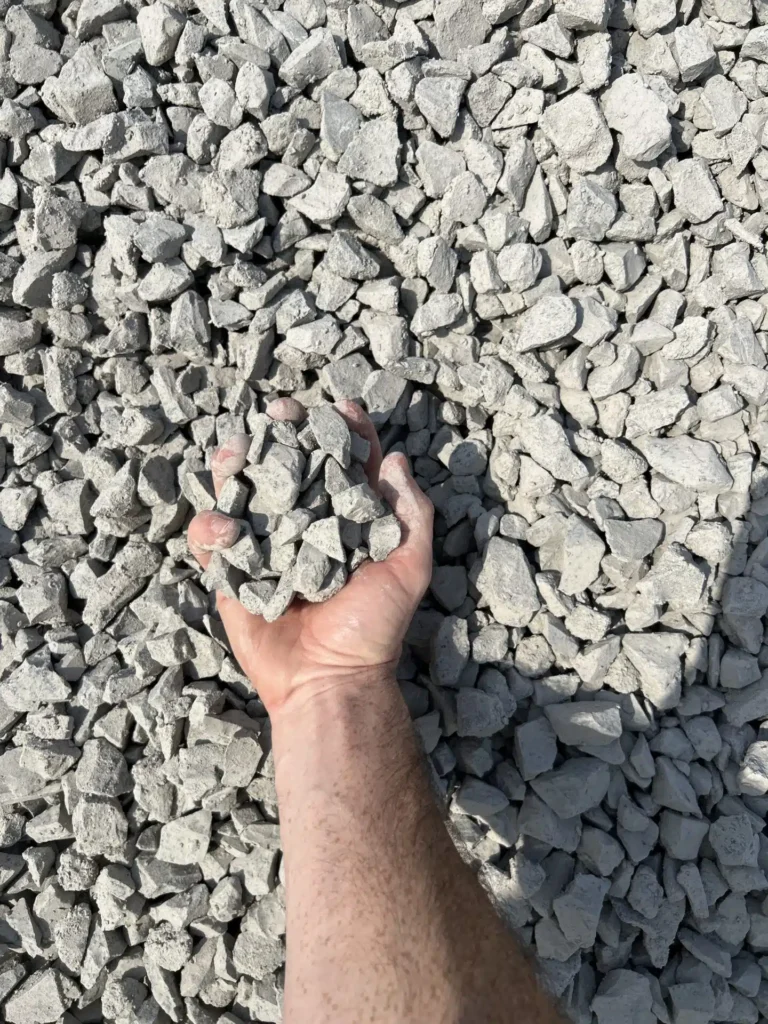
#57 Crushed Stone washed also works. Drain Rock (1 to 2 inch washed) is the contractor favorite for septic fields because the larger void space gives more reservoir capacity per linear foot of trench.
Installation sequence and inspection
Septic field installation requires permit review, inspector visits, and specific install sequencing. Skipping any step risks code violation and forced redo. The general sequence: excavate trenches to engineered depth and width per permit, schedule pre-install inspection if required, lay 6 inches of washed septic stone in the trench bottom, lay perforated distribution pipe with holes facing down, surround pipe with washed stone up to the spec's top-of-stone elevation, schedule second inspection if required, cover stone with filter fabric (4 to 6 ounce woven), backfill with native topsoil, restore grade.
The two-inspection sequence is common because the inspector wants to see the trench geometry and pipe alignment before stone goes in, and verify the stone placement before fabric and backfill happen. Schedule inspections in advance; trenches sit open for days waiting for inspector availability in busy seasons.
Filter fabric over the top of the stone is universal code. Without fabric, soil from the backfill migrates down into the stone column and clogs the void space, defeating the leach field within 5 to 10 years.
Trench sizing and field design basics
Septic field trench geometry follows a formula based on soil percolation rate (perc rate) and household design flow. Faster-percolating soils (sandy, gravelly) need less trench length per gallon of design flow. Slower soils (clay, silt-heavy) need much longer trenches and may require alternative system types (mound systems, drip dispersal).
For a 3-bedroom house (450 gallons per day design flow) in moderate soils (perc rate 30 to 60 minutes per inch), typical trench requirements are: 2 to 4 trenches each 50 to 100 feet long, 24 to 36 inches wide, 24 to 36 inches deep, with 18 inches of washed stone surrounding the pipe in each trench.
The trenches are typically 6 to 8 feet apart center-to-center to give the soil between trenches room to absorb the dispersed effluent. Closer spacing produces "trench interaction" where adjacent trenches overload the soil between them, and the field fails before its design life.
Cost, timing, and common failure modes
Septic field aggregate costs $44 to $197 per ton for washed septic-grade stone. For a typical 3-bedroom leach field at 12 tons of stone, the aggregate cost runs $550 to $850 delivered. The full septic system (tank, pipes, distribution boxes, labor, permit fees) runs $8,000 to $25,000 depending on jurisdiction and system type. Aggregate is one of the smaller line items in the project budget.
Same-day delivery before 11 AM with 1 to 2 day lead times. Coordinate delivery with the excavator and inspector so the stone arrives the day trenches open and can be placed quickly to allow backfill within a few days. Stone sitting in open trenches for weeks invites contamination, weather damage, and lost time.
The two failure modes that doom residential leach fields are using unwashed stone (clogs the field with fines) and over-compacting the stone during install (reduces void space available for dispersal). Both are easy to avoid: specify washed septic-grade stone when ordering, and dump stone into the trench without driving heavy equipment over it. Hand-shoveling around the pipe and using a backhoe for bulk placement is the standard install pattern.
Septic field maintenance and lifespan
A properly installed septic leach field lasts 25 to 40 years before requiring replacement. The lifespan depends on three factors: original install quality, ongoing tank pumping schedule, and household water usage habits. Each factor can extend or shorten field life by a decade.
Tank pumping is the single most important field-life factor. Solids that enter the leach field clog the void space in the stone and the soil interface, ending field life prematurely. Pump the tank every 3 to 5 years for a typical 3-bedroom household; more frequently for larger households or high-water-usage families. Skipping tank pumping for 10 years usually destroys the field within a few additional years.
Water conservation extends field life. Low-flow toilets, low-flow showerheads, front-loading washing machines, and avoiding running multiple high-water appliances simultaneously all reduce the daily volume the field has to absorb. Households that cut water usage in half can double field life from 25 to 50 years.
What kills fields early: pouring grease down kitchen drains (greases coat the field pipe and stone), flushing non-biodegradable items (wipes, feminine products, paper towels), using antibacterial cleaning products in excess (kills the bacteria that digest waste in the tank), parking vehicles over the field (compacts soil and crushes pipe), and planting deep-rooted trees over the field (roots invade pipe joints). Mark the field location visibly and respect those boundaries; the $5,000 to $25,000 replacement cost is worth a few sacrifices.
Annual visual inspection of the field area also catches problems early. Walk the field after a heavy rain and look for soggy spots, lush green grass strips, or sewage odors; any of these signals a developing problem that costs much less to fix early than after total failure. The inspection takes 5 minutes annually and pays for itself many times over the field life.
Materials this calculator covers
Other calculators
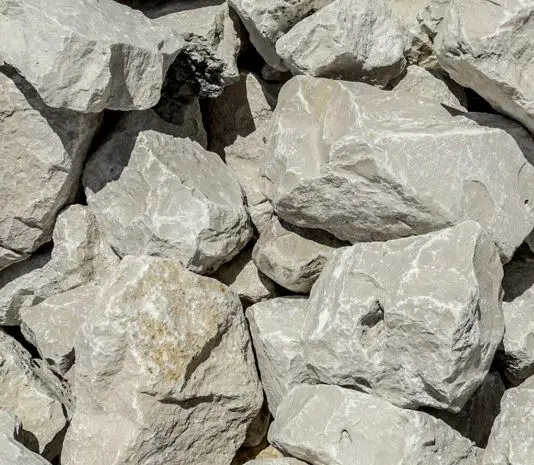 CALCULATORRip Rap CalculatorEnter length, width and depth in our rip rap calculator to see how many tons of Riprap Med your slope or bank protection project needs.Open calculator →CALCULATORDrainage Trench CalculatorEstimate cubic yards of drain rock for a French drain, foundation perimeter, or yard drainage trench.Open calculator →CALCULATORFrench Drain CalculatorHow much drain rock does a French drain need? Enter length, width, and depth - get tons and material cost.Open calculator →
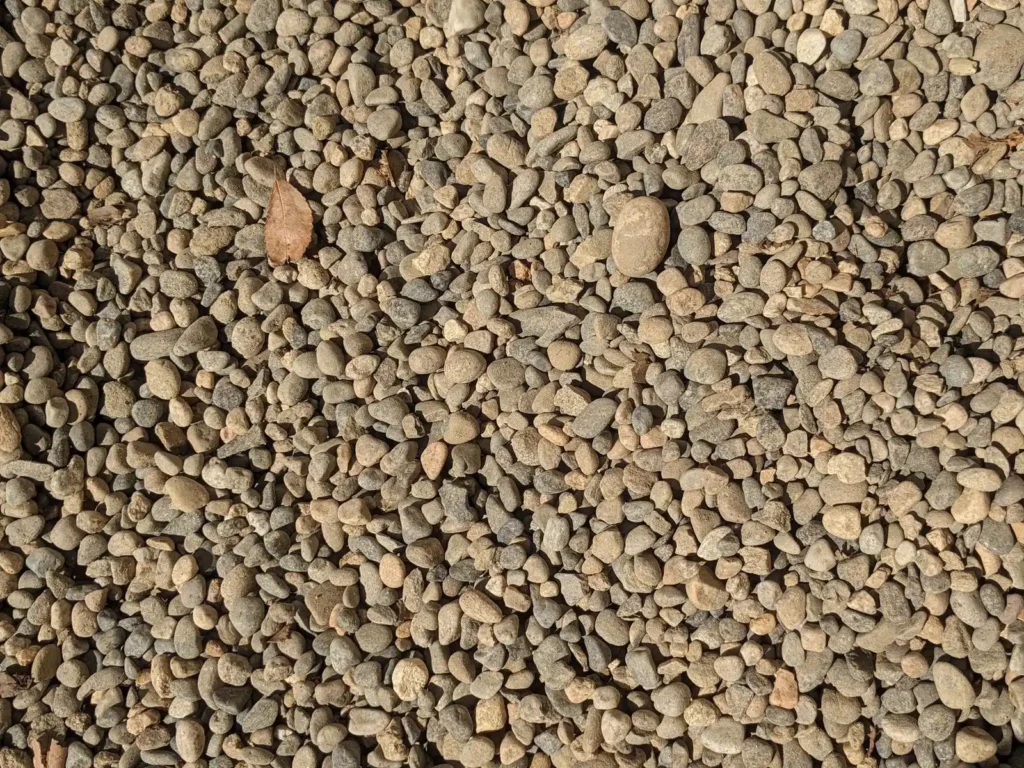 CALCULATORPea Gravel Patio CalculatorFree Pea Gravel Patio Calculator - enter your area in square feet and depth in inches and get instant tons, cubic yards, and an estimated material cost.Open calculator →
Related guides
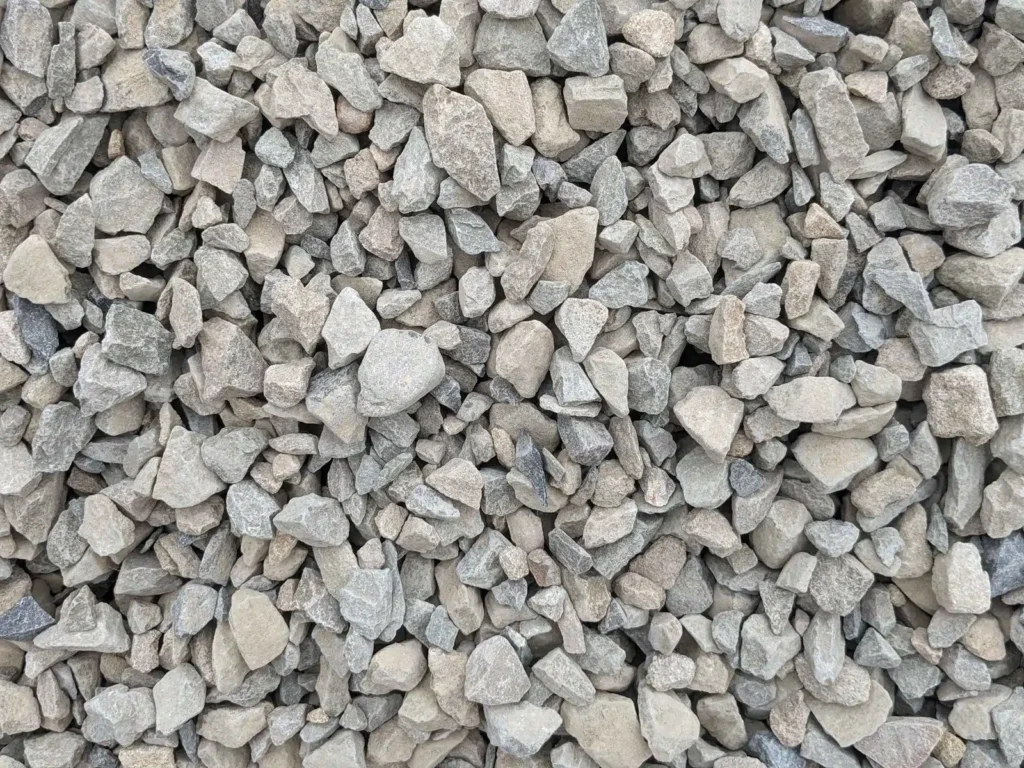 GUIDEDoes Gravel Stop Weeds? Honest Answer + What WorksPractical, field-tested guide: does gravel stop weeds. Pulled from real US installer notes and 2026 supplier price data.Read guide →
 GUIDEHow Much Gravel Do I Need? Quick Sizing GuidePractical, field-tested guide: how much gravel do i need. Pulled from real US installer notes and 2026 supplier price data.Read guide →
 GUIDEWhat Is #57 Stone? Uses, Size, and Cost ExplainedPractical, field-tested guide: what is 57 stone. Pulled from real US installer notes and 2026 supplier price data.Read guide →
 GUIDEHow Deep Should a Gravel Driveway Be? Layer GuidePractical, field-tested guide: how deep should gravel driveway be. Pulled from real US installer notes and 2026 supplier price data.Read guide →
Frequently Asked Questions
How does this calculator work?
Enter area in sq ft and depth in inches. We convert to cubic yards, multiply by density to get tons, and divide by 2,000.
What if I don't know the depth?
Most projects use 4 inches. Drainage applications go deeper (6-12 in).
Why is the estimate different from my supplier quote?
Within 10% is normal - supplier quotes include delivery + minimum-load surcharges that depend on your distance from the quarry.
Should I round up?
Yes - round up to the nearest half-ton. The price-per-ton usually drops on larger orders.
Does this include delivery cost?
No - the result is material cost only. Get a delivered quote with your ZIP for the full price.
Can I use this for another material?
Density varies by material. This calculator is tuned for drain-rock; switch to the matching calculator for accurate results.