
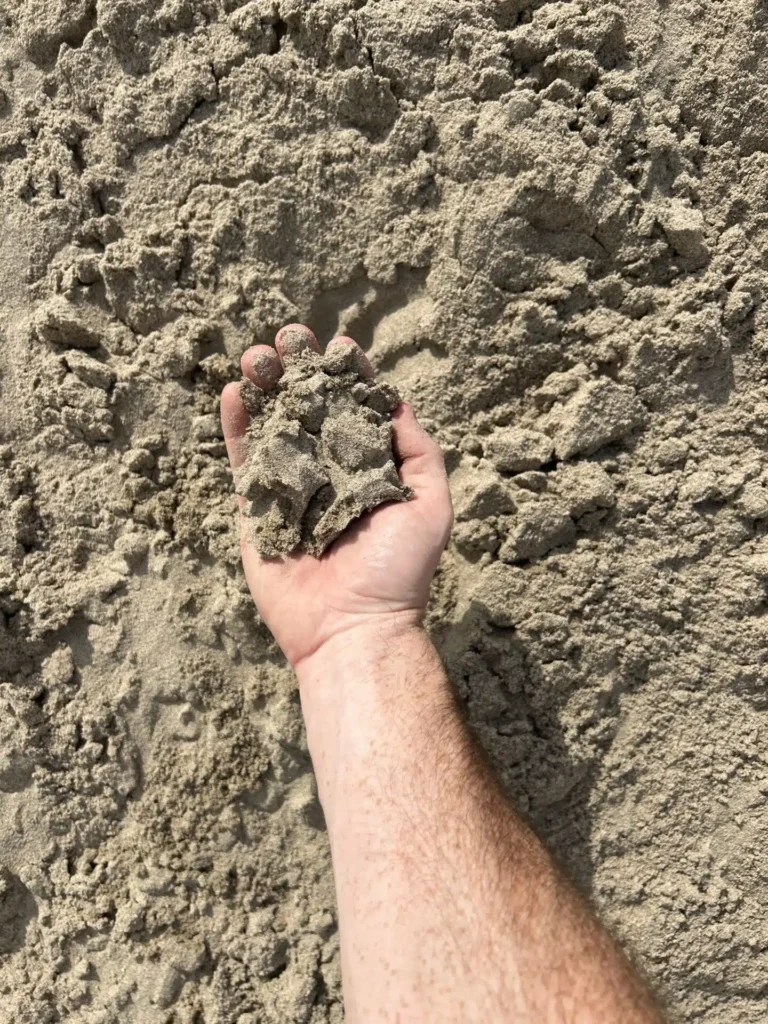
Sand Calculator
Quickly estimate cubic yards, tons, and material cost for your Mason Sand project. Adjust the inputs below and the result updates in real time.
Calculate Your Project
Estimate only. Add 10-15% for compaction and waste.
How this calculator works
Mason Sand. Concrete Sand and Fill Sand but not identical, so switch the material selection to get a figure specific to each one.
This sand calculator turns the length, width and depth of a project area into the amount of sand to order, in tons. Sand sells by the ton, not by the cubic yard, so the calculator handles that conversion for you using the density of the material you pick. The default material is Mason Sand, and you can switch to Concrete Sand or Fill Sand to get results scaled to that material's own density.
What the sand calculator computes
Enter the length and width of the area in feet and the depth in inches, and the calculator returns two numbers: the cubic yardage of the space and the tons of sand needed to fill it. It runs the yardage math first, then multiplies by the material density to get a weight, and divides that weight by 2,000 to land on tons. You can run it for any of these sand products:
- Mason Sand, the calculator's default material, a washed and screened sand used for leveling and setting work.
- Concrete Sand, a coarser sand mixed into concrete and used as a compacted base layer.
- Fill Sand, a general purpose material for grading, backfilling and bringing low spots up to grade.
Depth guidance for sand
Sand depth depends on what the layer is doing. A thin leveling or setting course typically runs 1 to 2 inches. General backfill and grading work often calls for 4 to 6 inches, and sometimes more where a low area needs to be brought up to grade. Because tonnage scales directly with depth, doubling the depth doubles the tons required, so it pays to measure the area at its actual depth rather than rounding up on a guess.
Density and the yards to tons conversion
Mason Sand weighs about 100 pounds per cubic foot, which works out to roughly 2,700 pounds per cubic yard. Since a ton equals 2,000 pounds, one cubic yard of Mason Sand comes to about 1.35 tons. The calculator finds cubic yards using length in feet times width in feet times depth in inches, divided by 324, then multiplies that figure by the material density and divides by 2,000 to give a ton total. A 10 by 10 foot area at 3 inches deep works out to about 0.93 cubic yards, or 1.25 tons of Mason Sand. If you already have a cubic yardage figure and just need tons, use the cubic yards to tons converter, once instead of re-entering the length and width.
Ordering tips and overage
Order a bit more than the calculator's raw output. Grading is rarely perfectly flat, sand settles and compacts once it is spread and worked, and small measurement errors add up across a large area. Adding about 10 percent covers most of that variation without leaving a large surplus pile behind. Round the order to the nearest half ton or full ton, since bulk sand is delivered in loads rather than exact custom weights. If a project uses more than one material, such as Mason Sand for a setting layer over Fill Sand for backfill, run the calculator separately for each layer and each material.
Materials this calculator covers
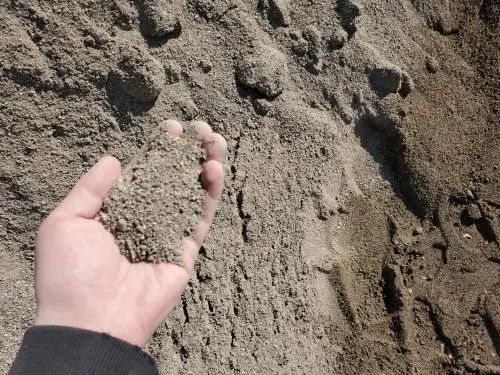
Other calculators
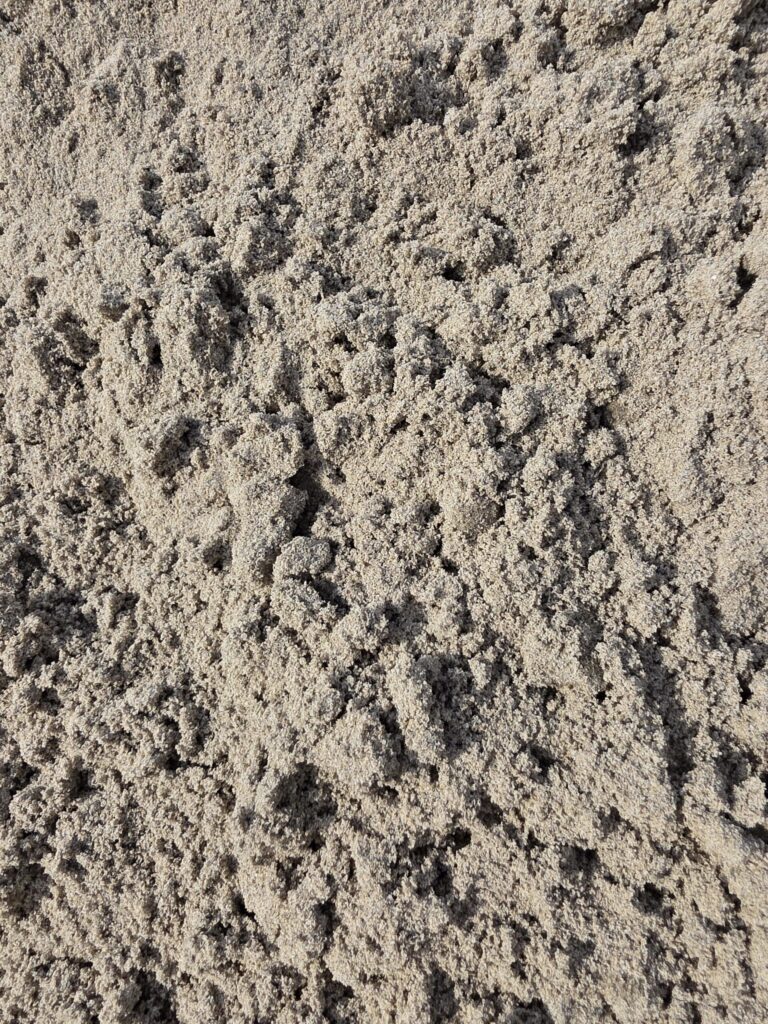 CALCULATORPipe Bedding Sand CalculatorBedding sand around drainage or sewer pipe.Open calculator →CALCULATORPolymeric Paver Sand CalculatorPolymeric paver sand for filling joints between pavers.Open calculator →
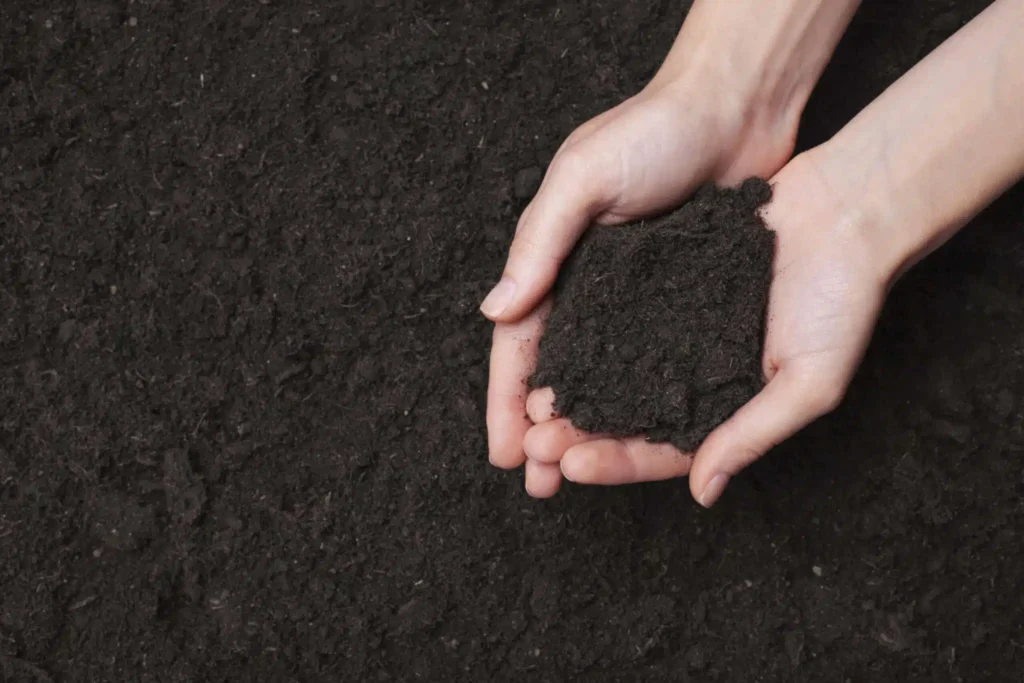 CALCULATORLoam CalculatorUse this loam calculator to turn your area and depth into cubic yards of topsoil, then see the delivered weight in tons.Open calculator →
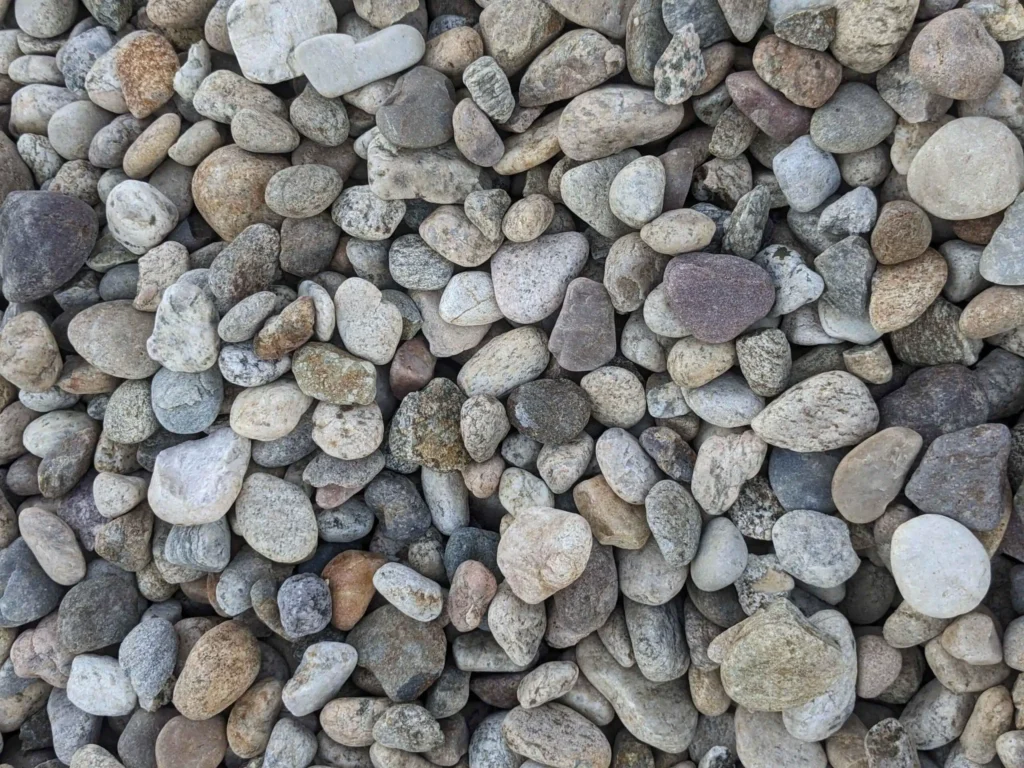 CALCULATORLandscape Rock CalculatorUse this landscape rock calculator to convert area and depth into cubic yards and tons for river rock or decomposed granite.Open calculator →
Related guides
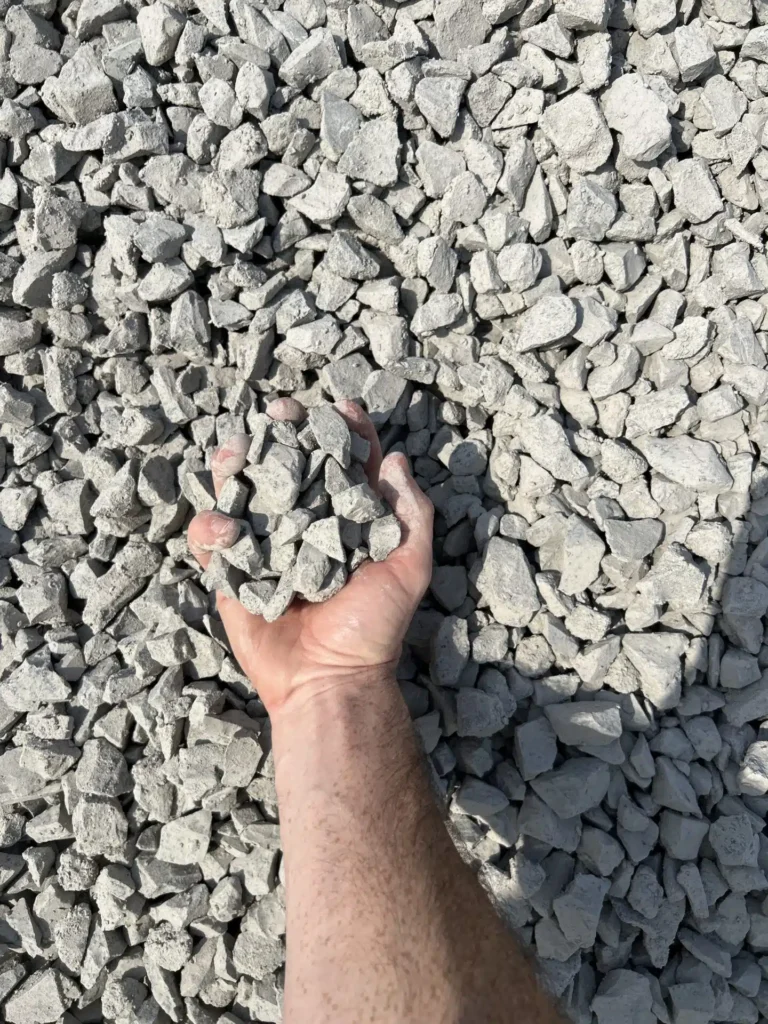 GUIDEWhat Is Crushed Stone? Sizes, Uses and Buying BasicsCrushed stone is quarried rock crushed and screened into angular pieces sold by the ton. Here is what it is, how it is graded, and where to use it.Read guide →
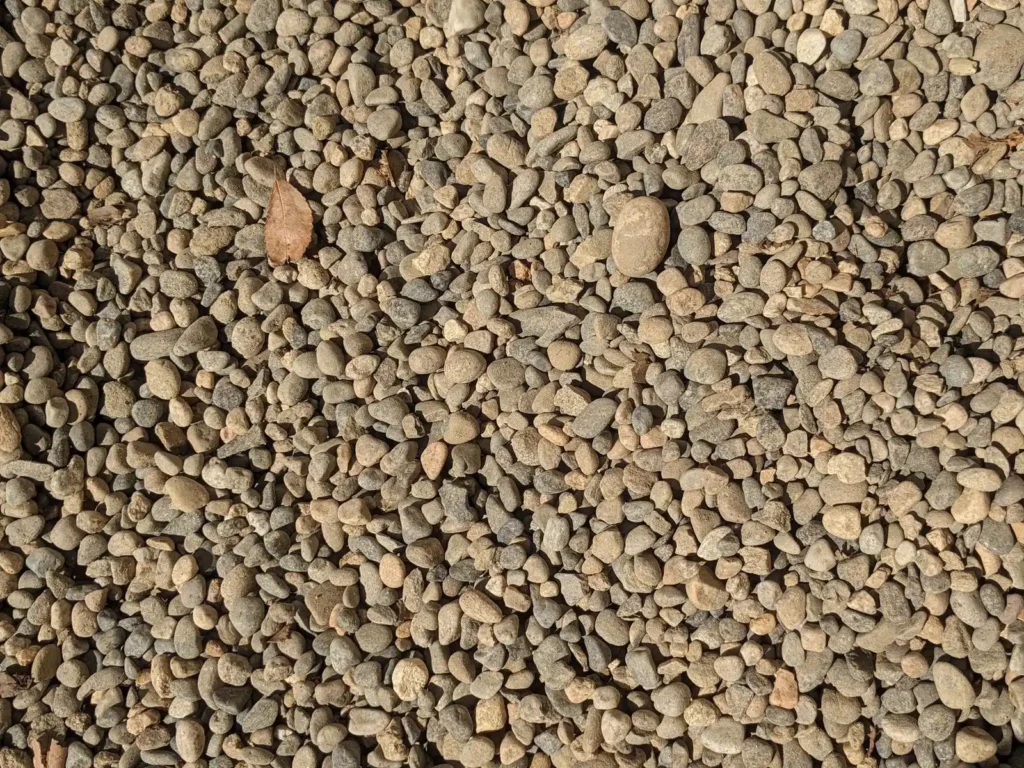 GUIDEHow Much Does Gravel Cost? A Practical Pricing GuideHow much does gravel cost and why does it vary? See the real factors behind ton pricing, delivery, and order size before you buy.Read guide →GUIDEGravel Size Chart: Pea Gravel to Crushed StoneA gravel size chart showing pea gravel, crushed stone and river rock diameters side by side, so you can match the right size to your project.Read guide →GUIDEThe Different Types of Gravel and How to ChooseA plain-language guide to the main types of gravel, covering pea gravel, crushed stone, river rock and decomposed granite.Read guide →
Frequently Asked Questions
How much sand do I need for a 100 square foot area?
It depends on depth. At 2 inches deep, 100 square feet works out to about 0.62 cubic yards, or roughly 0.83 tons of Mason Sand. At 4 inches deep, that doubles to about 1.23 cubic yards, or roughly 1.67 tons. Enter your exact length, width and depth in the sand calculator above for a precise figure rather than relying on a flat estimate.
Is Mason Sand the same as Concrete Sand?
No. Mason Sand is a finer, washed sand used for leveling and setting work, while Concrete Sand is coarser and formulated for mixing into concrete or compacting as a base layer. Both are sold by the ton, and both have a similar but not identical density, so switch the calculator's material selection to get a tonnage figure specific to the one you are ordering.
How many tons of sand are in a cubic yard?
For Mason Sand, one cubic yard weighs about 2,700 pounds, which comes to roughly 1.35 tons. That figure comes from the material's density of about 100 pounds per cubic foot times 27 cubic feet in a yard. Concrete Sand and Fill Sand sit close to this weight but are not identical, so results will shift slightly depending on which material you select.
How much extra sand should I order for overage?
A common approach is to add about 10 percent to the calculator's output. That extra covers uneven grading, settling once the sand is spread and compacted, and small errors in measuring length, width or depth. It is easier to order slightly more up front than to schedule a second delivery for a small shortfall partway through a project.
Can I use this calculator for Fill Sand or Concrete Sand instead of Mason Sand?
Yes. Mason Sand loads by default, but the material selection can be switched to Concrete Sand or Fill Sand. Each material has its own density, so switching the selection changes the tons figure even when the length, width and depth stay the same. Run the calculator once per material if a project uses more than one type of sand.
Does this calculator work for bagged sand?
This tool is built around bulk sand ordered by the ton, not individual bags. If you are working from a sand calculator for bags instead, remember that a standard 50 pound bag covers only a small fraction of a cubic yard, so bulk delivery is usually more practical once a project needs more than a pallet of bags.