
Concrete Sand Delivery in Chicago, IL
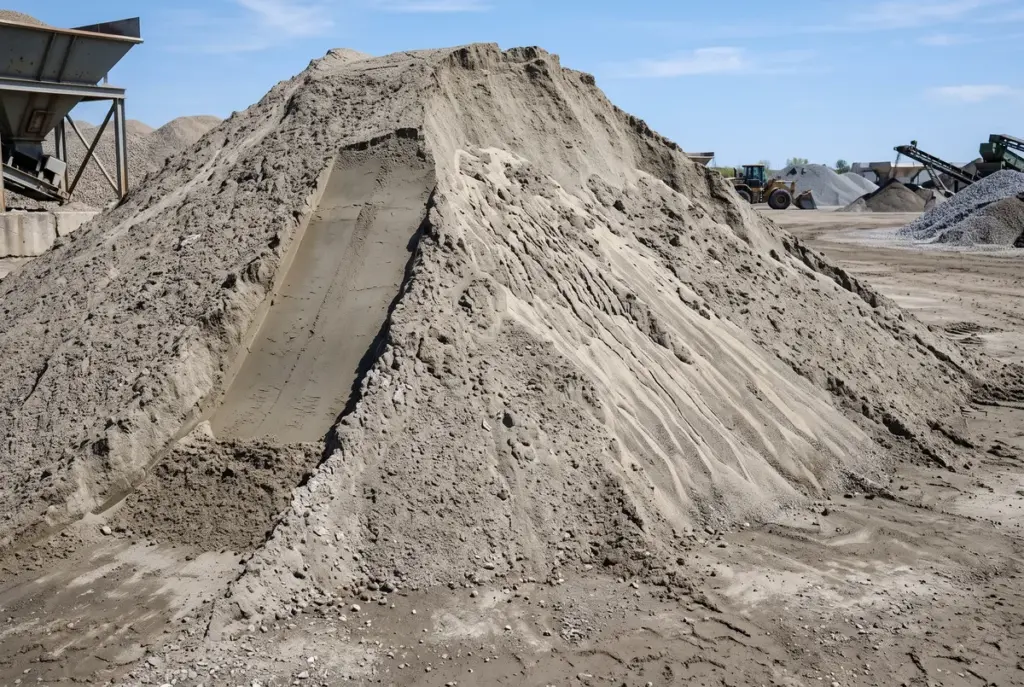
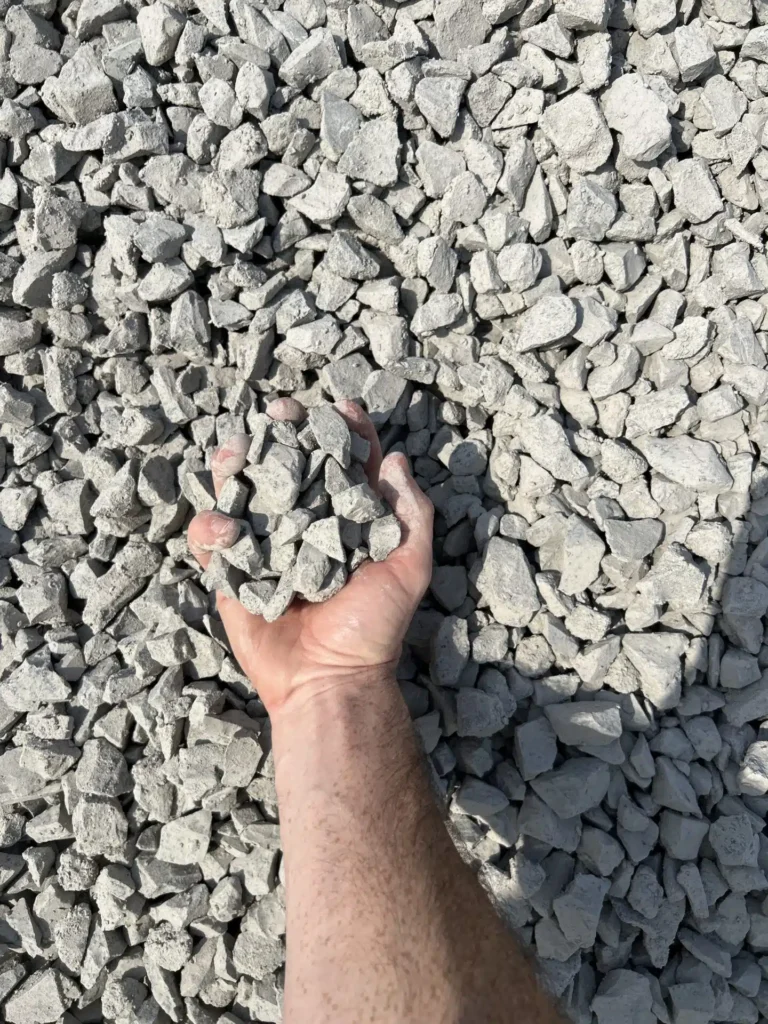
Bulk concrete sand delivered in Chicago, IL. Stone size 0 - 3/8. Tan / gray color.
Concrete Sand Delivered Across Chicagoland
Chicago is a hard-working concrete town, and the freeze-thaw winters here make material choice matter more than almost anywhere. From the bungalow belt on the Northwest Side to the brick two-flats in Logan Square and the backyard patios stretching out through the suburbs, concrete sand is a clean, well-graded 0 to 3/8 product in a natural tan and gray tone, screened and washed so silt, clay, and organic fines are gone before it lands on your site.
Chicago contractors and homeowners reach for concrete sand for four core jobs: mixing concrete for slabs, footings, and flatwork; bedding pavers and flagstone for patios and walkways; bedding pipe and conduit in utility and drainage trenches; and supplying the sharp sand in masonry and tuckpointing mortar. Because it is angular rather than rounded, it locks together under load and bonds with cement paste, which is exactly what a city alley slab or a suburban paver patio needs to survive a Midwest winter.
Why Chicago Builders Choose Concrete Sand
Grading is the whole story. The particles span fine grit up to roughly three-eighths of an inch, so the material drains fast and compacts tight. On a Chicagoland hardscape job that means a stable bedding layer that will not pump under traffic or heave when frost drives into the ground. In a structural pour, the coarse profile delivers the workability and strength engineers spec for footings and slabs in this climate.
Common local uses
- Concrete mixing: the fine aggregate for slabs, footings, garage pads, stoops, and alley aprons across the city.
- Paver and flagstone bedding: a 1 inch screeded setting bed over a compacted Paver Base for patios and walkways.
- Pipe and conduit bedding: a free-draining cushion for sewer, drainage, and electrical conduit trenches.
- Masonry and tuckpointing: the sharp sand in block walls, brick repair, and parge coats on Chicago's many masonry buildings.
If your job calls for a softer, rounded sand for brick pointing, look at Mason Sand instead, and if you are just raising grade or backfilling, the cheaper Fill Sand is the right call. Concrete sand is the structural workhorse between those two.
Local Delivery and Lead Times in Chicago
Delivering aggregates into Chicago means working around the grid: dense city alleys, permit-parking blocks, viaduct clearance, and seasonal weight restrictions on some routes all shape how we get trucks to your site. We plan each drop around access, whether that is a tri-axle load to a suburban yard or a tighter delivery into a city neighborhood. We also serve customers across the state line toward Hammond and up the lakeshore toward Milwaukee as projects spread across the metro.
Lead times follow quantity. Single-ton orders generally arrive in 1 to 2 business days. Mid-size loads of 6 tons and up often ship same or next day. Larger 16-ton-plus orders are scheduled to hit your site exactly when your crew is ready to place. Tell us the address, the alley or driveway clearance, and any parking restriction, and we will match the truck to the site.
How Much Concrete Sand Do You Need
Concrete sand is sold by the ton, and one ton weighs roughly 2,700 pounds, a little more than a third of a cubic yard. A quick rule of thumb: one ton of concrete sand will set a 1 inch deep bedding layer over about 100 to 110 square feet.
So a 450 square foot backyard patio in a Chicago neighborhood needs around 4.5 tons for the setting bed. A 600 square foot suburban driveway base puts you into the 6-ton tier. A full garage-pad pour, a large paver project, or a long sewer-trench bedding run can easily clear 16 tons, where free delivery applies. Give us length, width, and depth and we will calculate the exact tonnage so you are not left hauling away surplus sand.
Chicago Concrete Sand Pricing
Bulk concrete sand in Chicago starts from , with the rate dropping as the load grows. Here is how the tiers work:
- 1 ton and up: plus a $257 delivery fee, arriving in 1 to 2 business days. Best for small repairs and single-pallet patios.
- 6 tons and up: plus a $139 delivery fee, with same or next day delivery. The sweet spot for driveways and mid-size flatwork.
- 16 tons and up: with free delivery. The best value for garage pads, larger paver decks, and trench work.
Because Chicagoland hauling carries real cost, consolidating into one larger drop almost always beats several small ones. If your job sits near a quantity break, it usually pays to round up to the next tier.
Placement and Installation Tips
For paver bedding, screed concrete sand to a uniform 1 inch over a compacted base, set your pavers, sweep in joint sand, and compact. Avoid thickening the bedding layer, since a deep sand bed settles unevenly and is more prone to frost movement. For concrete mixing, keep the sand tarped on site so moisture content stays consistent batch to batch, protecting your water-cement ratio. For trench bedding, place and lightly consolidate the sand before lowering pipe so support is even along the run.
Seasonal notes for Illinois
Illinois winters are the defining factor for Chicago concrete work. Hard, repeated freeze-thaw cycles will destroy a slab or paver bed that holds water, which is the single biggest reason concrete sand's free-draining profile matters here: water moves through it instead of pooling, freezing, and heaving. Schedule exterior concrete and paver work for the long season from spring through fall, and do not place concrete when overnight temperatures threaten to drop below freezing before it cures. Frost can drive several feet down in this climate, so make sure footings reach below the local frost line. During peak summer demand from May through September, order a few days ahead since aggregate trucks book up fast across Chicagoland. Store the sand dry and your project will be ready to move the moment conditions allow.
Ordering Concrete Sand for Your Chicago Project
A smooth order comes down to three details: how the sand will be used, the square footage and depth or the volume of concrete you plan to mix, and exactly where the truck can stage and dump. In the city the dump location is often the deciding factor. On a suburban lot a driver can usually tip a pile right into the driveway, but on a tight residential block or in a shared alley the staging takes planning, and we will coordinate with your crew to clear the space quickly. The more access detail you give us up front, the better the delivery day goes.
Quantity shapes the truck choice as well. Small repair loads ride on lighter vehicles that can reach almost any address, while full 16-ton-plus loads move on tri-axles that need room to maneuver and a clear path to the drop. If your site sits behind a low viaduct, on a permit-parking block, or on a route with seasonal weight limits, tell us ahead of time so we can split the load or stage a smaller vehicle. We would rather plan around a constraint than send a truck that cannot complete the drop in a Chicago alley.
Getting the most value
Most Chicago customers save the most by buying to the next tier break. Because the per-ton price falls from $133 at one ton to $120 at six tons and down to $99 at sixteen tons, and because the delivery fee drops from $257 to $139 and then to zero, the math almost always favors a single consolidated drop over several small ones. If you have a run of related projects, a patio plus a walkway plus a small garage-pad pour, it is usually worth combining them into one order so the whole job rides the best rate. Pair the concrete sand with a compacted Paver Base under your hardscape and you build a stable, free-draining assembly engineered to survive Chicago's freeze-thaw winters.
About Concrete Sand
Concrete sand is a coarse, washed, well-graded sand engineered as the fine aggregate in concrete and as a structural bedding material. Our concrete sand carries a size profile of roughly 0 to 3/8 of an inch and a natural tan and gray color, screened to remove silt, clay, and organic fines so it performs predictably in a mix and drains freely under pavers.
What sets concrete sand apart from softer sands is its angular, sharp-edged grain. Those edges interlock under load and give portland cement paste a strong mechanical bond, which is why it is the standard fine aggregate for slabs, footings, garage pads, and other flatwork. The same coarse grading makes it an excellent setting bed for pavers and flagstone, a forgiving cushion for bedding pipe and electrical conduit, and the sharp sand component in many masonry mortars and parge coats.
compacts tightly yet still lets water pass through, so it resists the pumping and frost heave that plague finer materials in cold climates. It is sold and delivered by the ton, with one ton weighing about 2,700 pounds and covering roughly 100 to 110 square feet at a 1 inch depth. For comparison, Mason Sand is finer and softer for mortar and pointing, Fill Sand is an economical unwashed material for raising grade, and Paver Base whenever your job calls for strength, sharp drainage, and a stable, load-bearing layer that holds its shape through the seasons.
What Concrete Sand costs in Chicago
In the Chicago market, concrete sand is sold by the ton and priced at the gate before delivery is added on. Send your ZIP and load size and we will send back a same-hour quote with the truck rate and the per-ton figure spelled out. One ton covers about 80 sq ft at a 3 inch finished depth, so a 400 sq ft driveway pad runs roughly 5 tons.
How crews use Concrete Sand in Chicago
Crews working out of Chicago tend to call for concrete sand on a few repeat jobs each week. The first is pipe bedding, typically laid in tight urban lots and infill builds with a base lift compacted before the finish course goes on. The second is base course gravel, which lands here in dense neighborhoods where curb access is short and usually ships as a 4 to 8 ton order. With a population around 2,746,388, Chicago pulls a mix of single-truck homeowner orders and contractor full-loads through the season.
Delivery day in Chicago
On the day of the drop, the dispatcher pulls the closest yard, batches your ticket with other Chicago stops, and sends a window the night before. Tandem-axle dumps need at least 12 ft of clear width and 14 ft overhead to set the bed; tri-axles need 14 ft of clearance on both counts and a level pad to tip safely. Standard lead time on this lane is Mon-Sat, with same-day windows held open for orders that hit the desk before 11 AM and clear payment.
Related materials we deliver in Chicago

Estimate how much you need
Calculate Your Project
Estimate only. Add 10-15% for compaction and waste.
Browse more
Common uses for Concrete Sand in Chicago
Available in nearby cities
Plan your project
Related guides
 GUIDEWhat Is #57 Stone? Uses, Size, and Cost ExplainedPractical, field-tested guide: what is 57 stone. Pulled from real US installer notes and 2026 supplier price data.Read guide →
 GUIDEHow Deep Should a Gravel Driveway Be? Layer GuidePractical, field-tested guide: how deep should gravel driveway be. Pulled from real US installer notes and 2026 supplier price data.Read guide →
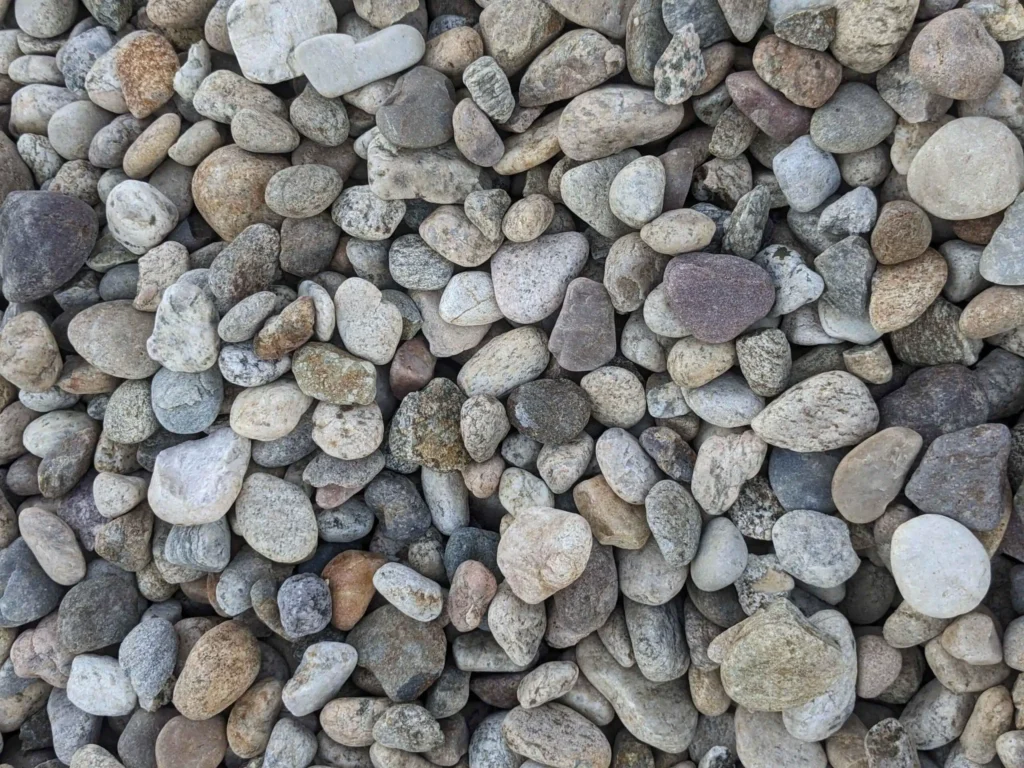 GUIDEHow Much Does River Rock Cost? By Ton or YardRiver rock cost depends on your ZIP code, order size, and whether you buy by the ton or the cubic yard. Here is how pricing works.Read guide →
 GUIDEWhat Size Crushed Stone Goes Under a Concrete SlabMost slabs need 4 to 6 inches of compacted crushed stone underneath. What size crushed stone under a concrete slab needs, and why it matters.Read guide →
Frequently Asked Questions
What is concrete sand used for in Chicago?
In Chicago, concrete sand is used as the fine aggregate when mixing concrete for slabs, footings, garage pads, and stoops, and as a bedding layer under pavers and flagstone. Crews across Chicagoland also use it for sewer and utility pipe bedding and as the sharp sand in masonry and tuckpointing mortar. Its coarse, angular grain makes it ideal anywhere strength and drainage both matter.
How much concrete sand do I need for a patio in Chicago?
Plan on one ton of concrete sand covering about 100 to 110 square feet at a 1 inch bedding depth. A 450 square foot Chicago backyard patio needs roughly 4.5 tons for the setting bed. Send us the length, width, and depth and we will calculate the exact tonnage for your site.
How fast can you deliver concrete sand in Chicago?
Single-ton orders typically arrive within 1 to 2 business days, while 6-ton and larger loads often ship the same or next day. Delivery across Chicagoland is scheduled around alley and driveway access, permit parking, and any seasonal weight restrictions. Give us the address and access details and we will route the right truck.
What is the difference between concrete sand and mason sand?
Concrete sand is coarse and angular, which makes it strong as a concrete aggregate and stable as a paver bed. Mason Sand.
Can concrete sand be used under pavers in Chicago's climate?
Yes, and its drainage is a real advantage here. Screed concrete sand to a uniform 1 inch layer over a compacted Paver Base, set your pavers, then sweep in joint sand and compact. Because it drains freely, water passes through instead of freezing and heaving the installation during Chicago's hard winters.
Do you deliver concrete sand outside Chicago?
Yes. Beyond the city we serve the Chicago-Naperville-Elgin metro and reach customers across the state line toward Hammond and up the lakeshore toward Milwaukee. Delivery fees and lead times vary with distance and load size, so the larger your order the more efficient the haul becomes.
Is concrete sand good for freeze-thaw climates like Chicago?
It is one of the best choices for it. Because concrete sand drains quickly, water moves through it rather than pooling, freezing, and heaving your slab or pavers. That free-draining behavior is the main reason it is the preferred bedding material for exterior work through Chicago's repeated freeze-thaw cycles.
How is concrete sand sold and how much does a ton weigh?
Concrete sand is sold in bulk by the ton. One ton weighs approximately 2,700 pounds, which is a little over one third of a cubic yard. Ordering by the ton makes it easy to scale from a small patio repair up to a full garage-pad pour or trench-bedding run.
Should I use concrete sand or fill sand for my project?
Use concrete sand when you need strength, sharp drainage, and a stable load-bearing layer, such as concrete mixing, paver bedding, or pipe bedding. Use the cheaper Fill Sand when you are simply raising grade, backfilling, or filling voids where structural performance is not required. Matching the sand to the job keeps your costs down without sacrificing results.