
Riprap Med Delivery in Chicago, IL
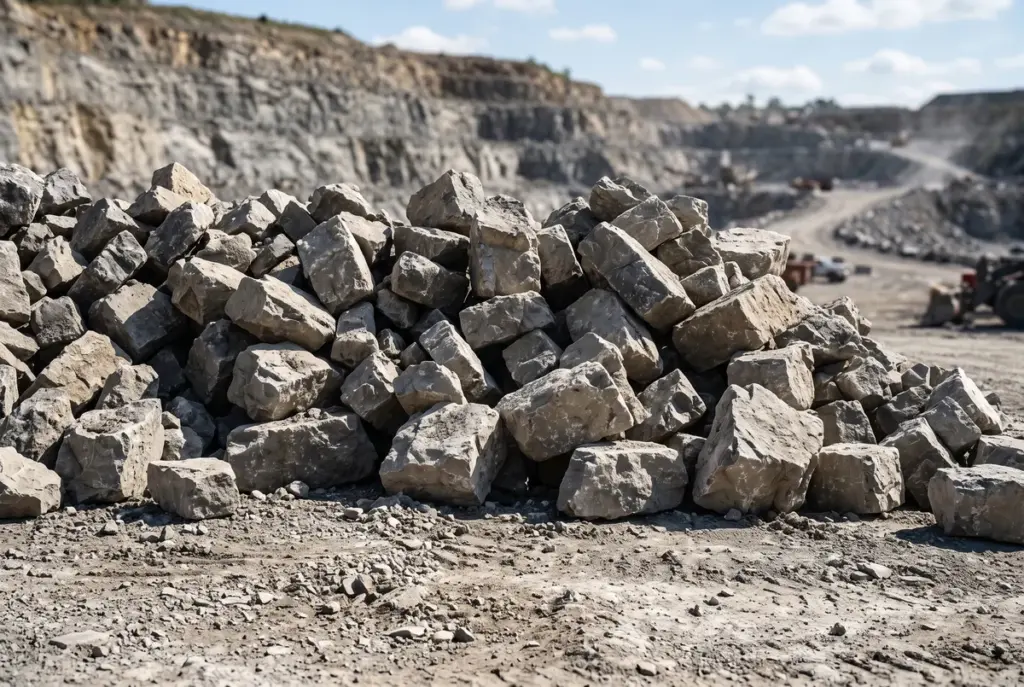
Bulk riprap med delivered in Chicago, IL. Stone size 4 - 9. Gray color.
Bulk Riprap Med Delivery in Chicago, IL
Chicago sits on flat glacial ground at the edge of a great inland sea. Lake Michigan drives weather, water levels, and shoreline erosion across the whole region, while inland the Chicago River, the Des Plaines, the Calumet, and a dense web of detention ponds and drainage channels move stormwater across land that barely slopes. On both fronts, soil meets moving water and needs armor. Medium Riprap Med is the stone for that work. These are angular gray pieces sized 4 to 9 inches that weigh about 2,700 pounds per cubic yard, heavy enough to lock together against wave and current, yet workable enough to place with a skid steer or by hand. We deliver across the metro starting at just, the lowest of any major market we serve.
From a lakefront revetment on the North Side to a detention pond bank in the suburbs to a culvert outlet along the Des Plaines, medium riprap is what Chicago contractors and property owners reach for when erosion has to be stopped for good.
Why Chicagoans Use Medium Riprap
The Chicago region combines two demanding conditions: a powerful Great Lakes shoreline and a flat, poorly draining inland landscape that depends on engineered detention. Layer on brutal freeze-thaw winters that heave and crack unprotected banks, and riprap earns its keep all over the metro:
- Lake Michigan shoreline armor: Lake levels swing and storm waves run for miles of open water before hitting the shore, so revetments along the lakefront take a real beating and need heavy, interlocking stone.
- Riverbank and channel protection: Along the Chicago, Des Plaines, and Calumet rivers, riprap holds banks that current and ice would otherwise undercut.
- Detention and retention ponds: The flat suburbs rely on stormwater ponds, and their banks and inlets are armored with riprap to stop wave erosion and scour.
- Culvert outlets and heavy drainage: Where pipes dump runoff onto flat soil, a riprap apron breaks the energy and prevents the scour hole that forms otherwise.
Behind the armor, crews back the stone with Drain Rock and a filter layer to relieve water pressure. For decorative pond edges and dry-stream features, River Rock gives the rounded look, and on budget base work some jobs use Crushed Concrete under the stone.
Local Delivery and Lead Times in Chicago
We deliver riprap throughout the Chicago-Naperville-Elgin metro, from the lakefront out across the collar counties. Chicagoland's grid of arterials and the flat terrain make most deliveries straightforward, with the main variables being downtown access and lakefront staging, where space can be tight. Smaller orders around 5 tons typically arrive within 1 to 2 business days. Mid-size loads near 8 tons often go out same or next day. Full truckloads of 16 tons and up ship on our free-delivery tier.
Nearby cities fold into our regular routes: Hammond (21 mi) sits just across the Indiana line, South Bend (72 mi) and Milwaukee (81 mi) anchor the wider region, and we reach Fort Wayne (140 mi) and Carmel (153 mi) on longer runs. That dense regional network keeps stone flowing into the metro, though we recommend booking ahead in spring and early summer when shoreline and pond repairs peak after the winter thaw.
How Much Riprap You Need
Medium riprap is sold by the ton, and a solid planning rule is one ton covering about 35 to 40 square feet at a 12-inch placed thickness, the typical depth for shoreline and pond armor. Heavier wave exposure on the open lake calls for a thicker layer, so round up.
Here is a quick coverage example. Say you are armoring the eroding bank of a suburban detention pond near Naperville, with a sloped face that runs 70 feet along the water and rises about 7 feet, roughly 490 square feet. At a 12-inch placed depth that comes to around 12 to 14 tons. Order 16 tons and you cover the bank, fill the keyed toe trench below the waterline, and qualify for free delivery in one drop.
Chicago Riprap Pricing
Our bulk tiers reward larger loads, which fits riprap well since most armoring jobs need real tonnage. Medium riprap in Chicago, the most affordable rate in our network. The delivered tiers break down like this:
- 1-ton minimum: with a $260 delivery fee, arriving in 1 to 2 business days. Right for a small repair or a single culvert apron.
- 6-ton minimum: with a reduced $140 delivery fee, often same or next day. A good fit for a moderate pond bank or shoreline patch.
- 16-ton minimum: with free delivery. The best value for full revetments, contractors, and lakefront jobs.
The spread from the 1-ton rate to the 16-ton rate is, and the delivery fee disappears at the top tier, so on any sizable Chicago shoreline or pond job it almost always pays to consolidate into a single full load rather than ordering piecemeal.
Spreading and Installation Tips
Lay the Filter Layer First
Riprap placed straight on bare soil fails as the fines wash out from beneath it, a real problem in Chicago's silty clay and lakefront sand. Put a geotextile filter fabric or a graded gravel filter against the prepared bank before the stone goes down. A backing of Drain Rock behind a shoreline wall relieves the water pressure that would otherwise push the armor out.
Key In the Toe Below the Waterline
On a lakefront or pond bank the toe fails first, and on water it is often submerged. Excavate a toe trench below the normal water line and set your largest stones there so the whole blanket anchors against an undercut-proof base.
Place for Interlock
Place the stones so they nest and fill the voids with smaller pieces. A dumped pile may look like a revetment but sheds rock in the first big lake storm. On tight lakefront and pond sites, a skid steer with a grapple places stone far more precisely than a loader bucket.
Lake Michigan Shoreline and Ice
The Great Lakes shoreline is a uniquely demanding environment for armor stone. Lake Michigan has no tide, but its levels rise and fall over multi-year cycles, and during high-water years storm waves reach banks that sat dry for seasons, which is when erosion accelerates fast. Waves here also build over a long fetch of open water, so they hit with real force. That is why lakefront revetments need a well-graded blend of 4 to 9 inch stone that interlocks and fills its own voids rather than a uniform single size that waves can pluck loose. Winter adds ice, which shoves and lifts shoreline stone as the lake freezes and thaws at the edge, so a properly keyed toe and a thick, interlocked blanket matter even more here than on a river. For shoreline work near the water line, check local and state requirements before placing stone, since lakefront construction is often regulated.
Seasonal Notes for Illinois
Chicago winters set the riprap schedule. Hard freeze-thaw cycles and shoreline ice loosen and shove unprotected banks all winter, so the worst damage shows up at the spring thaw, which makes spring and early summer the busy repair season. The prime placement window runs late spring through fall, when the ground is workable, lake levels are predictable, and you can excavate a toe trench without fighting frost. Try to finish major shoreline and pond work well before the first hard freeze, since you cannot key stone into frozen ground and a half-finished revetment is exposed to winter ice and the spring high water. Fall is a smart time to armor ahead of the next winter, so book before the season fills up.
Ready to schedule a drop anywhere from the lakefront to the collar counties? Tell us your access, your bank, and your target depth, and we will size the right load for your job.
About Riprap Med
About Our Riprap Med
Medium riprap is a quarried, angular gray stone graded from roughly 4 to 9 inches across, built as an erosion-control and armoring material rather than a decorative one. Each piece is hard, dense, and irregular, and the angularity is the point: the broken faces lock against one another so a placed blanket acts like a single flexible mass instead of a loose pile. At about 2,700 pounds per cubic yard, it is among the heaviest aggregates we carry, and that weight is what gives it the staying power to resist waves, current, and ice.
The 4 to 9 inch gradation is the most versatile of the riprap grades. It is large enough to stand up to Great Lakes wave energy and river current on shorelines, banks, and culvert outlets, yet small enough to place with a skid steer or by hand, unlike the heavy and extra-large grades that demand an excavator. Lighter drainage and bedding work calls for Drain Rock instead, while purely decorative installations typically use River Rock for its smooth, rounded look.
Typical uses include lake and pond shoreline revetments, riverbank and channel protection, detention and retention basin armoring, culvert and storm outfall aprons, bridge abutment scour protection, and heavy drainage structures. The stone is almost always installed over a geotextile filter fabric or a graded gravel filter to keep the underlying soil from washing out, with the toe keyed into a trench, often below the water line, so the blanket anchors at its base. On budget-driven base work, some crews use Crushed Concrete beneath the riprap, though the armor stone itself should be hard natural rock for anything in or near water.
Sold loose by the ton for direct placement, medium riprap ships in volumes from small repair loads up to full revetment-scale truckloads. Because gradations and placed depths vary, and freeze-thaw and ice add stress in the Great Lakes region, order on the high side of your coverage math to account for voids and the keyed toe.
What Riprap Med costs in Chicago
Around Chicago, riprap med is quoted by the ton with delivery layered in based on distance from the closest yard. Send your ZIP and load size and we will send back a same-hour quote with the truck rate and the per-ton figure spelled out. Plan on roughly 80 sq ft of coverage per ton at 3 inches deep, which puts a single-car driveway in the 4 to 8 ton bracket.
How crews use Riprap Med in Chicago
Chicago contractors keep riprap med on the order sheet for a short list of standard installs. Top of the list is erosion control, where the material is rolled out in tight urban lots and infill builds and screeded to grade. Right behind that is drainage gravel, common in dense neighborhoods where curb access is short and often paired with edging or fabric below the lift. Chicago sits at about 2,746,388 residents, which means we see steady weekday traffic from landscape crews and weekend pickups from owner-builders.
Delivery day in Chicago
Delivery in Chicago runs out of the nearest pit; you get a two hour arrival window the evening prior and a call when the driver leaves the scale. Plan for 12 ft of clear path for a tandem and 14 ft for a tri-axle, plus a level area at the dump point so the bed lifts straight. Standard lead time on this lane is Mon-Sat, with same-day windows held open for orders that hit the desk before 11 AM and clear payment.
Related materials we deliver in Chicago

Estimate how much you need
Calculate Your Project
Estimate only. Add 10-15% for compaction and waste.
Browse more
Common uses for Riprap Med in Chicago
Available in nearby cities
Plan your project
Related guides
 GUIDEHow Much Gravel Do I Need? Quick Sizing GuidePractical, field-tested guide: how much gravel do i need. Pulled from real US installer notes and 2026 supplier price data.Read guide →
 GUIDEWhat Is #57 Stone? Uses, Size, and Cost ExplainedPractical, field-tested guide: what is 57 stone. Pulled from real US installer notes and 2026 supplier price data.Read guide →
 GUIDEHow Deep Should a Gravel Driveway Be? Layer GuidePractical, field-tested guide: how deep should gravel driveway be. Pulled from real US installer notes and 2026 supplier price data.Read guide →
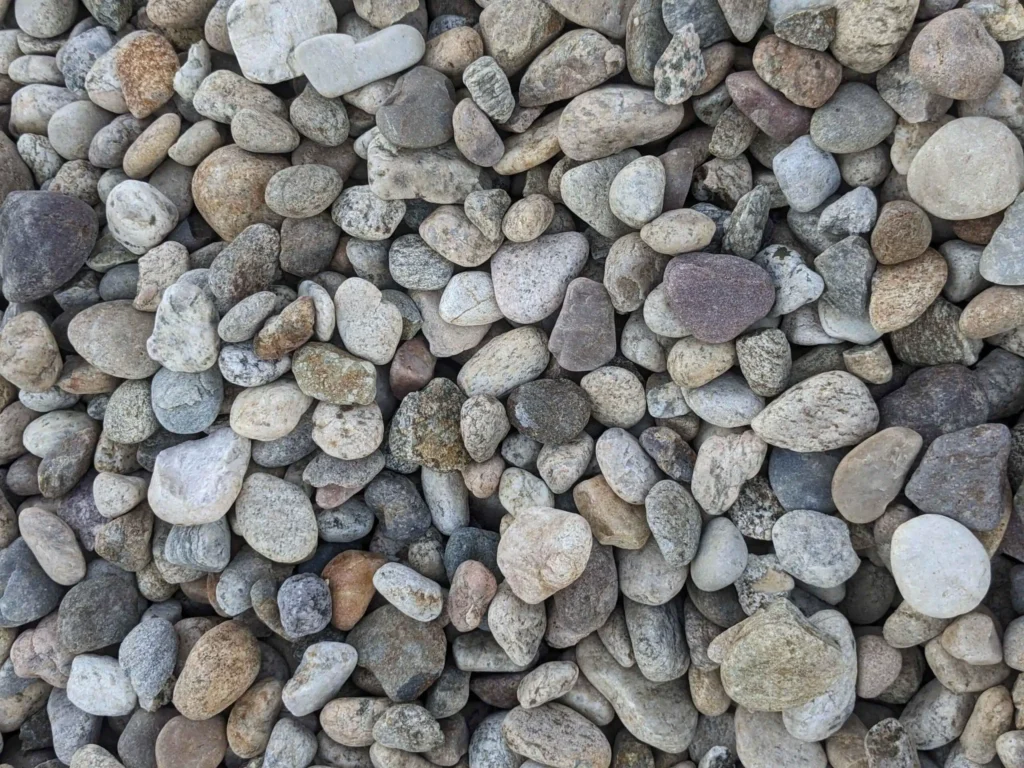 GUIDEHow Much Does River Rock Cost? By Ton or YardRiver rock cost depends on your ZIP code, order size, and whether you buy by the ton or the cubic yard. Here is how pricing works.Read guide →
Frequently Asked Questions
How much medium riprap do I need for a pond bank in Chicago?
Plan on one ton covering about 35 to 40 square feet at the typical 12-inch placed depth. A 490 square foot detention pond bank works out to roughly 12 to 14 tons, so rounding up to 16 tons covers the bank, fills the toe trench, and earns free delivery. Always order on the high side for voids.
How fast can you deliver riprap in Chicago?
Smaller 1-ton orders usually arrive within 1 to 2 business days, while 6-ton loads often ship same or next day. Full 16-ton truckloads move on our free-delivery tier. The flat terrain and arterial grid keep most deliveries quick, with downtown and lakefront staging the main variables.
Do I need filter fabric under riprap in Chicago?
Yes, in almost every case. Chicago's silty clay and lakefront sand wash out from under bare riprap, so lay a geotextile filter fabric or a graded gravel filter against the prepared bank first. Behind a shoreline wall, a Drain Rock backing also relieves the water pressure that would push the armor out.
Will medium riprap hold up to Lake Michigan waves and ice?
Yes, when installed right. Our hard, dense gray stone resists breakdown, and a well-graded 4 to 9 inch blend interlocks so waves cannot pluck it loose. Lake ice shoves shoreline stone, so a properly keyed toe and a thick interlocked blanket matter even more here than on a river.
Do I need a permit for lakefront riprap in Chicago?
Often, yes. Construction near the Lake Michigan shoreline and below the water line is frequently regulated, so confirm local and state requirements before placing stone. We can deliver to your staging area while permits and plans are being finalized.
When is the best time to place riprap in the Chicago area?
Late spring through fall is the prime window, with workable ground and predictable lake levels. Spring and early summer are the busy repair season after winter ice and freeze-thaw damage, so book early. Finish major work before the first hard freeze, since stone cannot key into frozen ground.
Can I use riprap at a culvert outlet on flat ground?
Yes, that is a core use. On Chicago's flat terrain, water leaving a pipe still scours bare soil, so a riprap apron breaks the energy and prevents the scour hole. Size the apron to the pipe and flow, extend it past where the water spreads and slows, and back it with a filter layer.
Should riprap be dumped or hand placed?
Place it, do not dump it. Placed stones interlock with the gaps filled by smaller pieces to form a stable blanket, while a dumped pile sheds rock in the first big lake storm. On tight lakefront and pond sites, a skid steer with a grapple sets stone far more precisely than a loader bucket.
Do you deliver riprap outside the city of Chicago?
Yes. Hammond is just across the Indiana line and folds right into our routes, while South Bend and Milwaukee anchor the wider region and we reach Fort Wayne and Carmel on longer runs. The dense regional network keeps stone flowing, so book ahead during the busy spring repair season.