Compost Delivery in Tucson, AZ
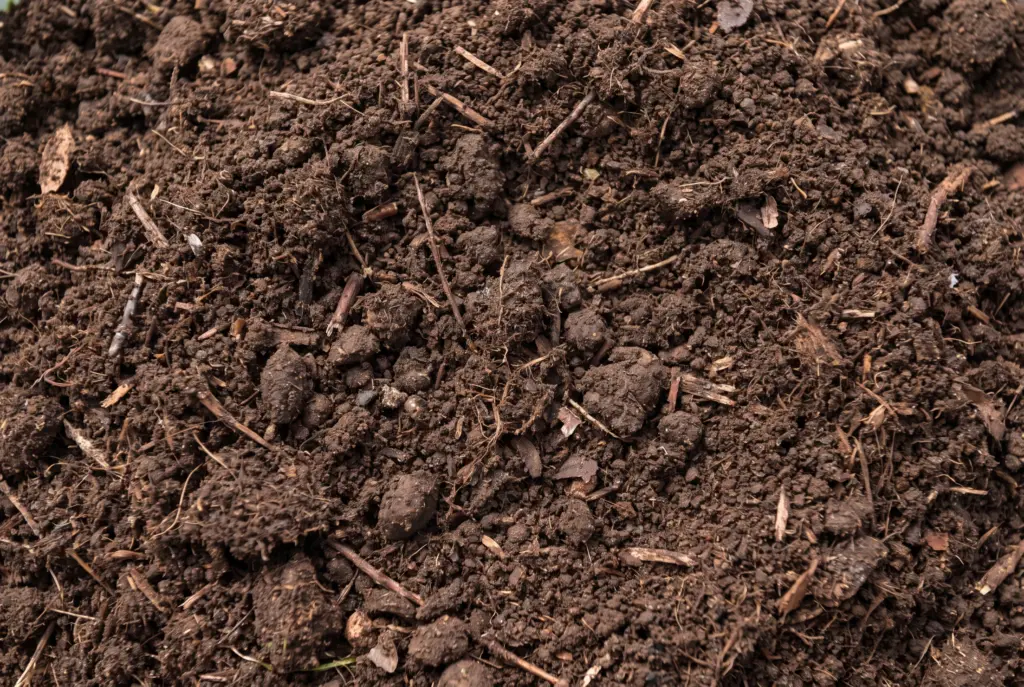
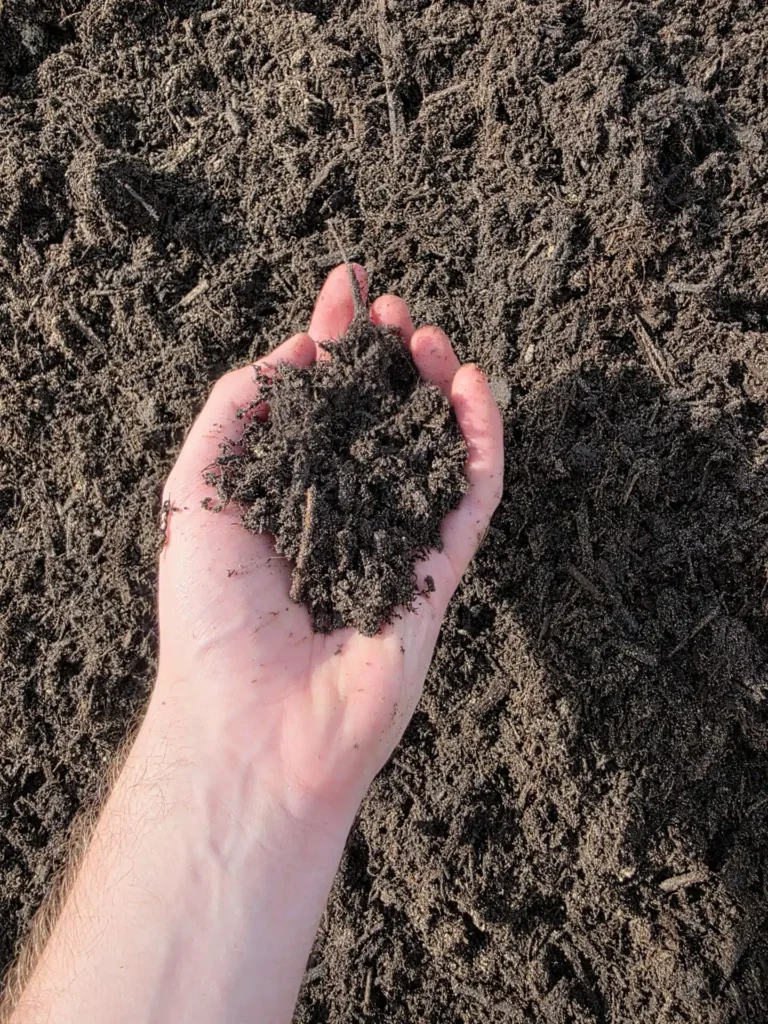
Bulk compost delivered in Tucson, AZ. Dark brown color.
Building Living Soil in Tucson's Sonoran Desert
Tucson gardeners face a soil challenge unlike almost anywhere else in the country. The Sonoran Desert ground here is alkaline, mineral-heavy, often layered with rock-hard caliche, and almost entirely lacking the organic matter that plants need to thrive. With less than a foot of rain a year and summer highs that punish anything in the open sun, the secret to a productive garden or a healthy landscape is not more water alone, it is soil that can actually hold the water you give it. That is exactly what bulk compost is a dark brown, fully screened organic material that breaks down into a fine crumble, soaks up moisture, and reintroduces the microbial life that desert dirt simply does not contain.
Across Tucson, compost goes to work in several proven ways. Soil amendment is the foundation: tilling two to three inches into a bed turns dusty, lifeless dirt into ground that holds moisture and supports roots. Raised garden beds are everywhere here, letting growers build a controlled mix above the caliche by blending compost with screened Topsoil. Lawn topdressing helps the warm-season grasses common in town use water more efficiently through the heat. And bed blending, cutting compost with Garden Soil, is the standard way to start a new vegetable plot or desert-adapted border.
Local Delivery and Lead Times Across the Tucson Metro
We run bulk compost routes throughout Tucson and the surrounding communities, from the foothills down through midtown and out to Marana and Oro Valley. Most orders move quickly because the metro is compact and our staging sits close. Entry-tier loads usually arrive in 1-2 business days, mid-size loads often ship same or next day, and full truckloads are scheduled around your site access. Tucson's wide lots and flat road grid make most deliveries simple, though some foothill and desert properties have tighter approaches we plan around in advance.
Demand tracks the desert growing calendar, which runs opposite to much of the country. The big pushes come in fall, September through November, when the heat finally breaks and gardeners build cool-season beds, and again in late winter before the spring planting window. Booking ahead during those stretches gets you the slot you want. Crews working a wider area, even up toward the Phoenix suburbs like Chandler, Gilbert, or Mesa around 90 miles north, can ask us to phase deliveries so material arrives exactly when the project is ready.
What to Have Ready on Delivery Day
- A firm, level drop spot the truck can reach off the soft desert soil
- At least 12 feet of overhead clearance, clear of low limbs and wires
- A tarp under the pile to protect a driveway or paver surface
- Someone on site to guide the driver to the exact dump spot
How Much Compost Do You Need?
Compost is sold by the cubic yard, and one yard covers about 100 square feet at a 3-inch depth. A 350-square-foot vegetable bed amended 3 inches deep needs roughly 3.5 yards. A standard 4-by-8-foot raised bed filled 10 inches deep takes just under a quarter yard, so four of those beds add up to about 1 yard. For lawn topdressing at a quarter inch, one yard covers around 1,200 square feet, so a 2,400-square-foot lawn needs about 2 yards.
If you are unsure, give us the square footage and target depth and we will size the load for you. A single accurate delivery always costs less than paying a second delivery fee because the first one came up short.
Tucson Compost Pricing
Compost in Tucson, and the per-unit cost falls as your load grows. Pricing runs in three tiers. The entry tier begins at a 3-ton minimum with a $221 delivery fee, well suited to a single raised bed or a small amendment job. The middle tier opens at 8 tons with a reduced $119 delivery fee, the practical choice for most full-yard projects. The top tier, 15 tons and up, drops to with free delivery, where landscapers and full-property soil builds find the real savings.
Because that 15-ton tier ships free, combining a larger compost order with companion materials like Topsoil or Hardwood Mulch in one trip almost always beats stacking several small deliveries. Neighbors prepping beds in the same season often pool into a single load to share the free-delivery benefit.
Spreading and Working Compost Into Sonoran Soil
For in-ground beds, spread two to three inches of compost and till it into the top six to eight inches of native soil. In Tucson's alkaline, mineral-heavy ground, that blending step is essential because compost is what brings water retention and biology the desert soil lacks entirely. For raised beds, fill, soak deeply, and let the mix settle a day before planting. For lawns, keep topdressing thin, no more than a quarter inch, and drag it into the turf so the grass is never smothered.
Seasonal Notes for Arizona
Arizona's extreme aridity makes moisture management the whole ballgame. Compost greatly improves how long your soil holds water between irrigation runs, which in a Tucson summer is the line between plants that survive and ones that cook. Apply in fall to set up cool-season beds, or in late winter ahead of spring planting, and water it in immediately so it does not dry out and blow away on the wind. Avoid working soil during the worst of the June heat. Gardeners up in the Phoenix metro toward Tempe and Scottsdale follow the same fall-and-winter rhythm, so the timing logic holds across southern Arizona.
Common Tucson Projects That Start With Compost
The monsoon vegetable garden is a signature Tucson compost project. Growers time their warm-season planting around the summer rains, and a bed amended with two or three inches of compost makes the most of every monsoon downpour by holding that moisture instead of letting it run off the hardpan. The second common project is the desert-adapted ornamental bed, where agaves, salvias, and native shrubs go into planting pockets enriched with compost so they establish through the brutal first summer before settling into low-water maintenance. Heritage gardeners in the older central neighborhoods build their beds this way every fall.
The third project is the citrus and fruit tree planting, a Tucson backyard tradition; compost worked into the backfill gives young trees a moisture-holding root zone in soil that otherwise drains and dries far too fast. The fourth is the new-build landscape out in the Marana and Oro Valley subdivisions, where lots are finished over scraped, compacted caliche and decomposed granite. A heavy compost amendment before planting is what turns that lifeless pad into ground that can actually support roots. In all of these, compost does the same core job: it restores the organic matter, biology, and water-holding capacity the Sonoran soil simply does not have on its own.
Compost Versus Other Soil Products
Tucson customers often ask how compost differs from the other bulk materials we deliver, since they all look dark and rich in the pile. Compost is pure decomposed organic matter, the highest in nutrients and biology but not designed to be used alone as a deep planting medium. Topsoil is mineral soil, the bulk body you build beds and raised beds from. Garden Soil is a ready-blended mix, soil already cut with organic matter so it plants straight out of the truck. Hardwood Mulch is a surface product that caps finished beds to hold moisture and shade the soil against the desert sun, and it is not something you till in. A complete Tucson bed build typically uses all four in sequence: form the body with Topsoil, enrich it with compost, plant, then cap with Hardwood Mulch to cut evaporation. Knowing which material does which job is the easiest way to avoid over-ordering, and our team is happy to size the right mix for your project before you book.
About Compost
About Our Compost
Our compost is a premium, fully screened organic soil amendment with a deep dark brown color and a fine, crumbly texture. It is produced from yard trimmings and clean organic feedstock that is windrowed, turned, and aged until it reaches a stable, mature state. The finished material is weed-seed-reduced and completely broken down, with a clean, earthy aroma rather than a raw or sour one. It weighs roughly 1,000 pounds per cubic yard, light enough to spread by hand but dense enough to hold moisture and feed a healthy soil food web.
is one of the most versatile materials any property owner can buy. As a soil amendment, it is tilled into existing beds to add organic matter, boost water-holding capacity, and feed the microbes behind long-term fertility. In raised beds, it blends with Topsoil and Garden Soil to build a balanced, free-draining growing mix. On lawns, a thin topdressing layer restores the organic component of tired turf and helps it use water more efficiently. It also serves as a rich planting backfill for trees, shrubs, and perennials.
Unlike synthetic fertilizer, compost feeds slowly and continuously, releasing nutrients as soil microbes process the organic matter across the season. It buffers soil pH, builds the crumb structure that resists compaction, and in dry climates does the critical work of helping soil retain moisture between waterings. Sold in bulk by the cubic yard, it is far more economical than bagged product for any project bigger than a single small bed and arrives ready to spread with no bag waste to deal with.
What Compost costs in Tucson
Local Tucson yards quote compost by the ton; the delivered number includes fuel, the truck, and the haul. Send your ZIP and load size and we will send back a same-hour quote with the truck rate and the per-ton figure spelled out. A ton of this material spreads across about 216 sq ft when laid 3 inches deep, useful when you are sizing a patio base or a walkway run.
How crews use Compost in Tucson
In and around Tucson, compost shows up most often on two project types. The most common deployment is planting bed gravel, often in tight urban lots and infill builds in two to three inch lifts. At roughly 545,975 people, the Tucson order mix leans toward 3 to 8 ton residential drops with the occasional 16 ton job for a contractor.
Delivery day in Tucson
A typical Tucson drop is dispatched from the closest yard with a two hour window and a heads-up call once the truck is loaded. Tandem trucks want a 12 ft lane in and out; tri-axles need 14 ft, and both want firm ground at the tipping spot so the load releases cleanly. Standard lead time on this lane is Mon-Sat, with same-day windows held open for orders that hit the desk before 11 AM and clear payment.
Related materials we deliver in Tucson
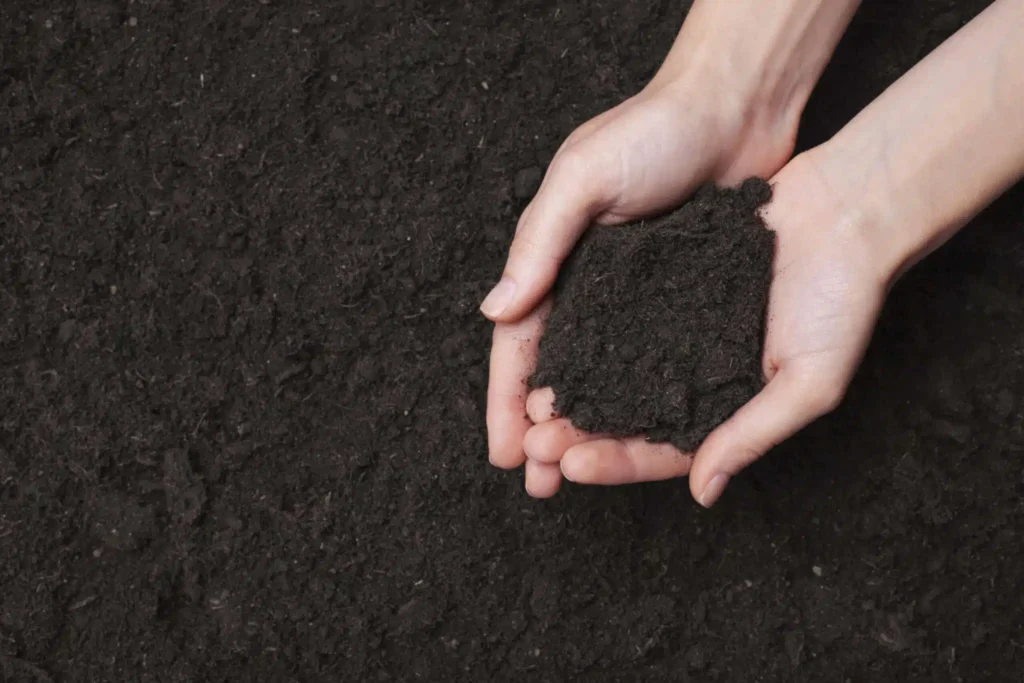 From $44.03/yard
- SizeScreened, no size grade
- Density2200 lb/yd³
- ColorDark brown
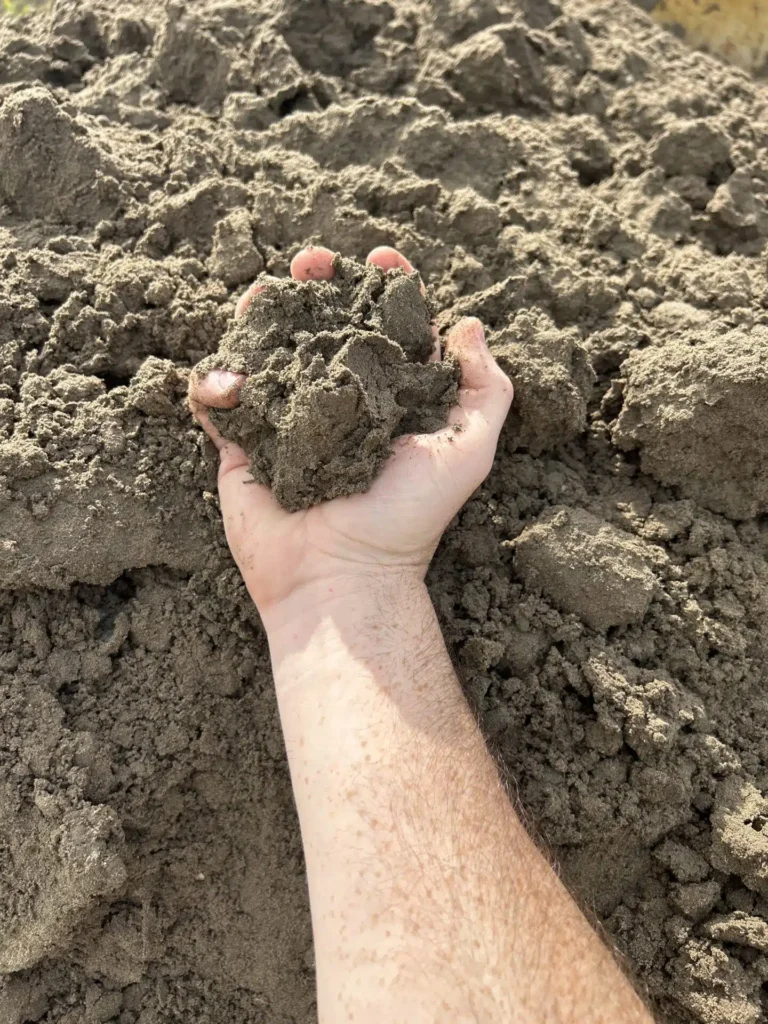 From $40.95/yard
- Density2200 lb/yd³
- ColorBrown
 From $44.03/yard
- Density2000 lb/yd³
- ColorDark brown
Estimate how much you need
Calculate Your Project
Estimate only. Add 10-15% for compaction and waste.
Browse more
Available in nearby cities
Plan your project
Related guides
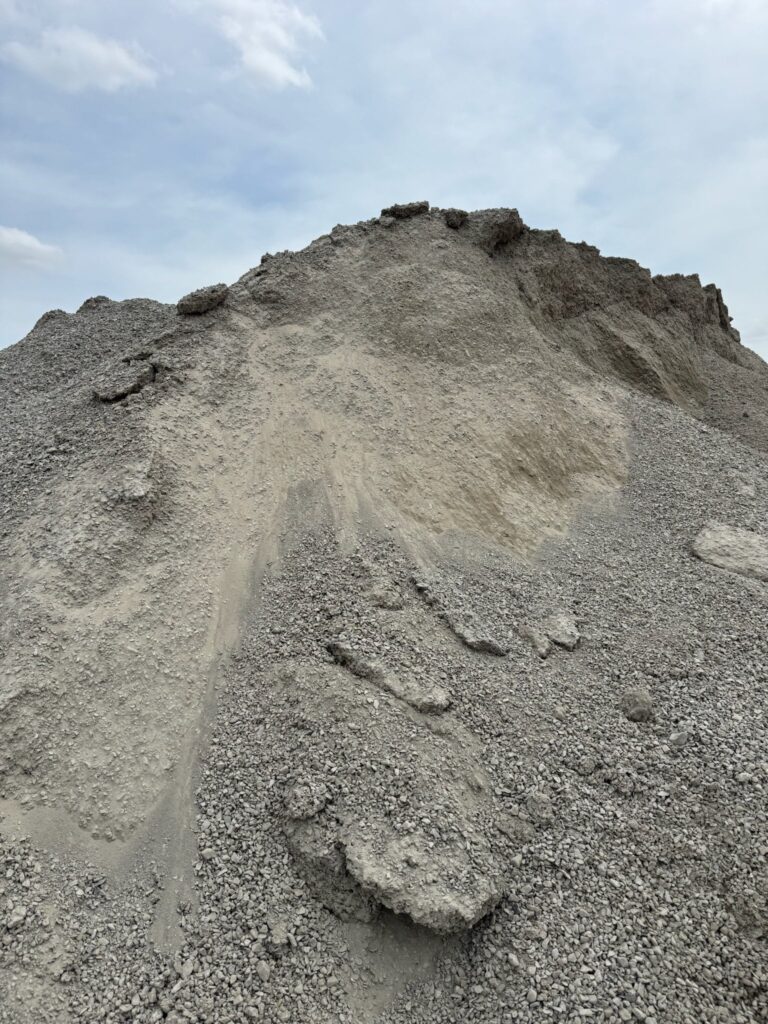 GUIDEWhat Are Screenings? A Guide to Crushed Stone FinesScreenings are fine crushed stone used for paver bases, joint fill and walkways. See what screenings are, common types, and mistakes to avoid.Read guide →
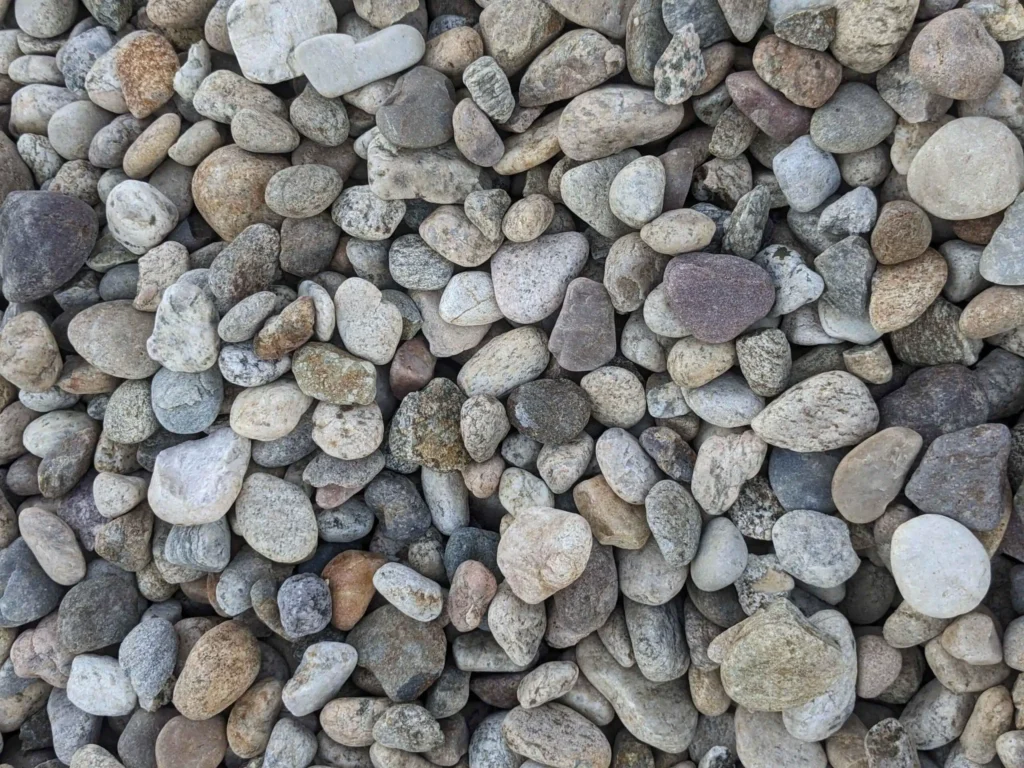 GUIDEWhat to Put Under River Rock for Landscaping BedsHere is what to put under river rock landscaping: a compacted base where needed, then landscape fabric, then rock, to stop weeds and settling.Read guide →GUIDEHow to Clean River Rock and Restore Its ColorLearn how to clean river rock landscaping with rinsing, soap and vinegar methods, plus common mistakes to avoid for a brighter, longer lasting rock bed.Read guide →
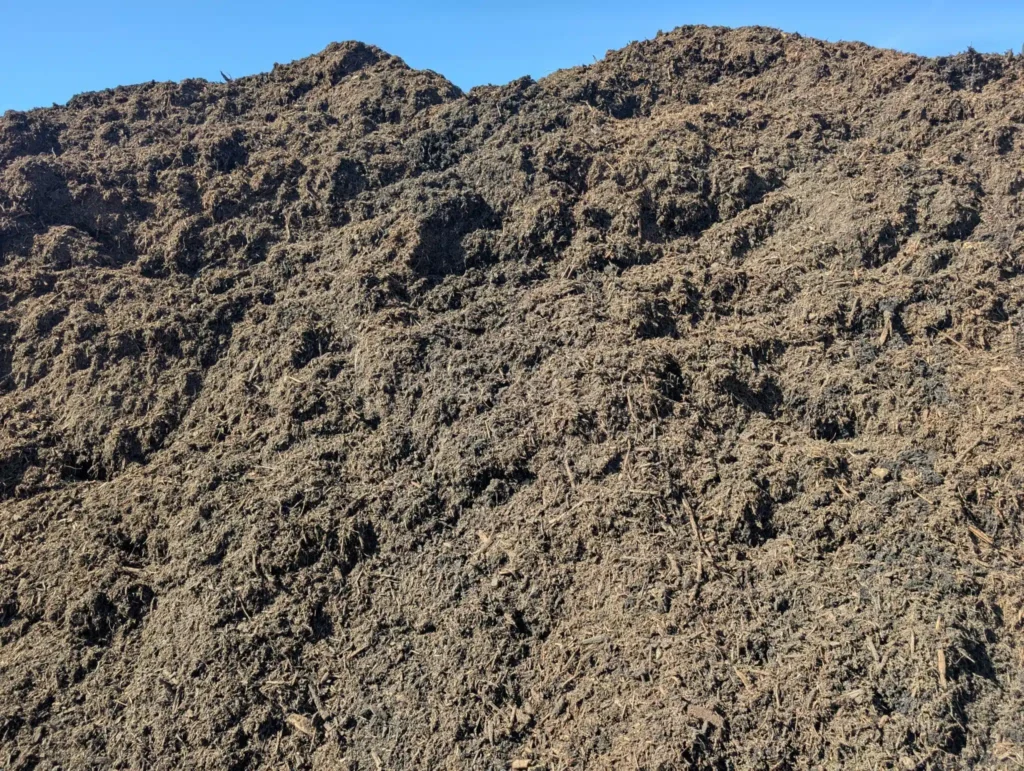 GUIDEHow to Lay a Gravel Driveway: Step-by-Step GuidePractical, field-tested guide: how to lay gravel driveway. Pulled from real US installer notes and 2026 supplier price data.Read guide →
Frequently Asked Questions
How much compost do I need for a garden bed in Tucson?
Compost is sold by the cubic yard, and one yard covers about 100 square feet at a 3-inch depth. A 350-square-foot bed amended 3 inches deep needs roughly 3.5 yards. Send us your square footage and target depth and we will size the exact load.
How fast can you deliver compost in Tucson?
Most entry-tier orders arrive within 1-2 business days, and mid-size loads often ship same or next day depending on your location in the metro. Fall is our busiest stretch in the desert, so booking ahead from September through November secures the best slot.
Will compost help my desert soil hold water?
Yes, and that is its biggest benefit in Tucson. Compost greatly increases water-holding capacity so soil stays moist longer between irrigation runs. In a Sonoran summer that is the difference between plants that survive the heat and ones that cook by afternoon.
How do I garden over caliche in Tucson?
When is the best time to apply compost in Arizona?
Apply in fall to set up cool-season beds, or in late winter before spring planting, since the desert growing calendar runs opposite much of the country. Water new compost in right away so it does not dry out or blow off in the wind, and avoid working soil during peak June heat.
Is your compost weed-free?
Our compost is among the cleanest available in bulk.
Can I mix compost with topsoil for raised beds?
Yes, and it is the standard method in Tucson. Blend compost with screened Topsoil or Garden Soil to two parts soil for a balanced raised-bed fill.
Do you deliver compost beyond Tucson city limits?
Yes. We run bulk routes across the metro including the foothills, midtown, Marana, and Oro Valley, and we can phase deliveries for larger projects reaching toward the Phoenix suburbs like Chandler and Gilbert. Provide your delivery address and we will confirm scheduling.