Compost Delivery in Mesa, AZ
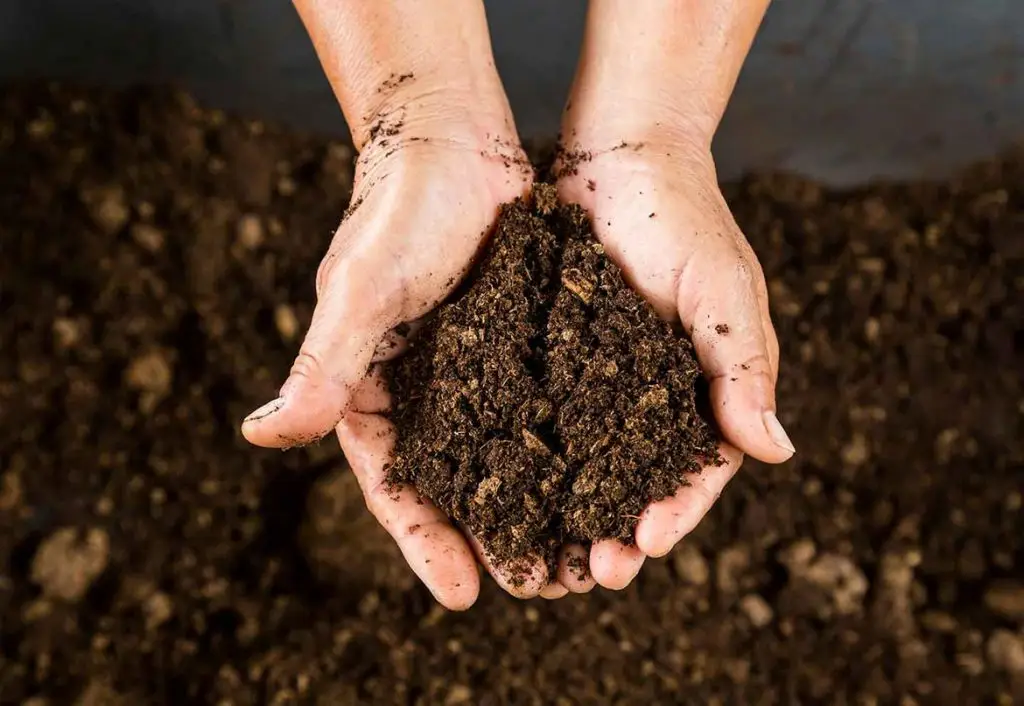
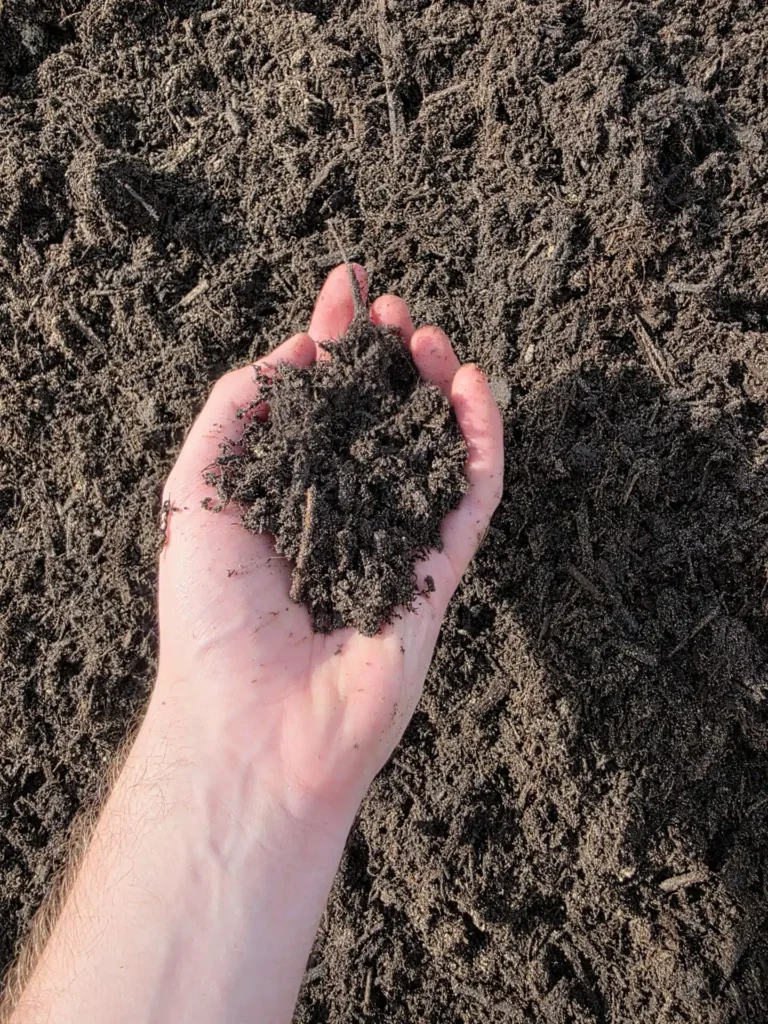
Bulk compost delivered in Mesa, AZ. Dark brown color.
From $91.00/ton delivered, free delivery on full loads
Bulk Compost Delivery in Mesa, AZ
Gardening in Mesa means working against the desert, not with it. The native ground across the East Valley is alkaline, low in organic matter, and shot through with caliche, the hard calcium-carbonate layer that stops roots and water cold. On top of that, the Sonoran heat burns through whatever organic matter the soil does hold in a single summer. That combination is exactly why bulk Compost is the foundation of almost every successful Mesa landscape and garden. Our compost is a dark brown, fully screened organic blend that rebuilds the biology desert soil lacks, helps the ground actually absorb your irrigation instead of shedding it, and gives roots a medium they can grow into.
We deliver compost throughout Mesa and across the Phoenix-Mesa-Chandler metro. Pricing starts at $91 per yard, with the per-unit cost dropping as your order grows, so a full landscape project costs far less per yard than a single small load.
Why Mesa Gardeners Rely on Compost
In a low-desert climate, compost does double duty. It adds the organic matter that native ground is missing, and it dramatically improves water retention, which matters when you are paying for every gallon of irrigation. The uses we see most often around Mesa are:
- Raised vegetable beds: the only practical way many residents grow tomatoes, squash, and greens, blending compost with Topsoil and Garden Soil into a bed mix that holds moisture in dry heat.
- Caliche workarounds: building up amended soil above the caliche layer rather than fighting it, with compost as the organic backbone.
- Desert tree and shrub planting: mixing compost into backfill so new stock establishes before the brutal summer arrives.
- Citrus and fruit care: topdressing established citrus, a Mesa backyard staple, to feed the tree and conserve soil moisture.
Once beds are planted, most local gardeners cap them with Hardwood Mulch, which is critical here. Mulch over compost slows evaporation in the dry air and shades the soil so the organic matter underneath does not cook away as fast.
Local Delivery and Lead Times
Mesa sits in the heart of the Valley, so our delivery logistics here are tight and fast. Smaller orders around three yards arrive in 1-2 business days with a $237 delivery fee. Mid-size loads near eight yards often qualify for same or next-day delivery at a $127 fee, and orders of fifteen yards or more ship with free delivery anywhere in the metro. Because the East Valley cities sit so close together, we reach Gilbert just 5 miles out, Tempe at 6 miles, Chandler at 8 miles, and Scottsdale and Phoenix on the same routes. Demand climbs in fall and again in late winter as the Valley plants for its two growing seasons, so we recommend ordering ahead in those windows.
How Much Compost Do You Need
Compost is sold by the cubic yard, and one yard covers roughly 100 square feet at three inches deep. Because desert beds need a deep, organic-rich profile to hold water, three inches tilled in is a sensible minimum here. A 10 by 20 foot raised garden, 200 square feet, needs about two yards. A homeowner building several raised beds and amending a new front-yard planting zone around the house commonly lands near eight yards, which moves the order into our $104 per yard tier with same or next-day delivery. For a full backyard conversion from rock to garden, fifteen yards or more is common, and that earns free delivery.
Local Pricing Context
Mesa compost starts at $91 per yard, and the volume tiers reward larger projects. At a three-ton minimum you pay $122 per ton with a $237 delivery fee. Step up to eight tons and the rate falls to $104 per ton with a $127 fee. Order fifteen tons or more and you pay $91 per ton with free delivery. For landscapers servicing multiple East Valley properties, or a homeowner amending an entire lot at once, the top tier is almost always the smarter buy.
Spreading and Installation Tips
Desert conditions reward a few specific habits when working compost:
- Till compost two to three inches deep into beds rather than leaving it on the surface, where the dry Mesa air pulls moisture out fast.
- For caliche, build raised or mounded beds with amended soil rather than trying to dig through the hardpan.
- Water thoroughly right after incorporating compost to start the biology and settle the bed before the sun bakes it.
- Always finish with mulch in this climate, since bare amended soil loses moisture and organic matter quickly in the heat.
Seasonal Notes for Arizona
The low desert runs on a backwards calendar. The prime planting and soil-building seasons are fall, roughly October through November, and late winter into early spring, February through March. Summer is for survival, not establishment, so get compost worked in and beds planted before the heat hits in May. Fall is the single best time to amend soil in Mesa, since cooling temperatures let the organic matter integrate and your new plantings root in before the next summer. Avoid heavy amendment work in the depth of July and August, when nothing establishes well and fresh organic matter breaks down almost as fast as you add it. As nearby Gilbert and Chandler gardeners know, timing your compost to the Valley's two growing windows makes all the difference.
Compost vs. Other Soil Products for Mesa Projects
Mesa customers often ask which material their project actually calls for, and the distinctions matter even more in the desert where soil is working this hard. Compost is pure organic matter, the amendment that fixes nutrient-poor, low-organic desert ground. Topsoil is a screened mineral base that gives raised beds and fill projects their bulk. Garden Soil is a ready-to-plant blend of soil already cut with organic matter. And Hardwood Mulch is the surface layer that, in this climate, is not optional if you want the rest to survive the summer. A common East Valley raised-bed recipe layers topsoil for body, a heavy dose of compost for water retention and life, and mulch on top to fight evaporation. Buying the right material for each job saves money and headaches.
Building Above the Caliche
The single most important desert technique compost supports is building up rather than digging down. When you hit the caliche hardpan that runs through so much of Mesa, fighting it with a pick is rarely worth the effort, and breaking it can actually create a drainage trap that drowns roots. Instead, build raised or mounded beds with a deep, compost-rich soil mix sitting above the hardpan. Eight to twelve inches of amended soil gives most vegetables and ornamentals all the root room they need, and the organic matter from the compost is what lets that built-up bed hold water in the dry heat instead of draining instantly.
Ordering for East Valley Crews
For the landscape crews we supply across Mesa, Gilbert, and Chandler, the tier math is straightforward. A crew converting several yards from rock to garden in the same stretch is far better off consolidating into a single fifteen-ton delivery at $91 per ton with free delivery than paying the $237 fee on repeated three-ton loads. Stage the pile under shade if you can, since even compost dries out fast sitting exposed in the Valley sun, and shuttle it to each site as crews are ready to work it in.
Whether you are building raised beds in central Mesa, amending around a new desert landscape near Tempe, or feeding backyard citrus, our Mesa compost delivery puts clean, screened organic matter in your driveway fast.
About Compost
About Our Compost
Our bulk Compost is a fully matured, dark brown organic material screened to a fine, even texture that mixes and spreads cleanly. It weighs about 1,000 pounds per cubic yard, noticeably lighter than soil or aggregate, so it is easy to move with a wheelbarrow or rake after delivery. The material has finished its active heating phase, arriving stable and earthy rather than raw, which means it is ready to use the moment it lands.
is a soil amendment rather than a standalone growing medium. Its purpose is to add organic matter, improve soil structure, and feed the microbial life that plants depend on to thrive. Worked into existing ground or blended with Topsoil and Garden Soil, it loosens heavy or compacted soils, helps poor and sandy soils hold water, and releases nutrients slowly as it integrates. Common uses include amending vegetable and flower beds, building raised-bed soil mixes, topdressing lawns and citrus, and enriching backfill for new trees and shrubs.
is clean of sticks, rocks, and large clumps, so it tills smoothly and spreads evenly by hand. It is sold by the cubic yard and delivered loose in bulk, which is far more cost-effective than bagged product for any real project. In hot, dry climates especially, gardeners cap finished beds with a layer of Hardwood Mulch supplies the organic matter that everything else builds on.
What Compost costs in Mesa
Local Mesa yards quote compost by the ton; the delivered number includes fuel, the truck, and the haul. Pricing in Mesa starts at $91 per ton on full-truck loads, which works out to roughly $46 per cubic yard at the typical density of 1000 lb per yard. A ton of this material spreads across about 216 sq ft when laid 3 inches deep, useful when you are sizing a patio base or a walkway run. Stacked against the rest of AZ, this market is a touch above the state average for compost.
How crews use Compost in Mesa
In and around Mesa, compost shows up most often on two project types. The most common deployment is planting bed gravel, often in tight urban lots and infill builds in two to three inch lifts. At roughly 504,258 people, the Mesa order mix leans toward 3 to 8 ton residential drops with the occasional 16 ton job for a contractor.
Delivery day in Mesa
A typical Mesa drop is dispatched from the closest yard with a two hour window and a heads-up call once the truck is loaded. Tandem trucks want a 12 ft lane in and out; tri-axles need 14 ft, and both want firm ground at the tipping spot so the load releases cleanly. Standard lead time on this lane is Mon-Sat, with same-day windows held open for orders that hit the desk before 11 AM and clear payment.
Related materials we deliver in Mesa
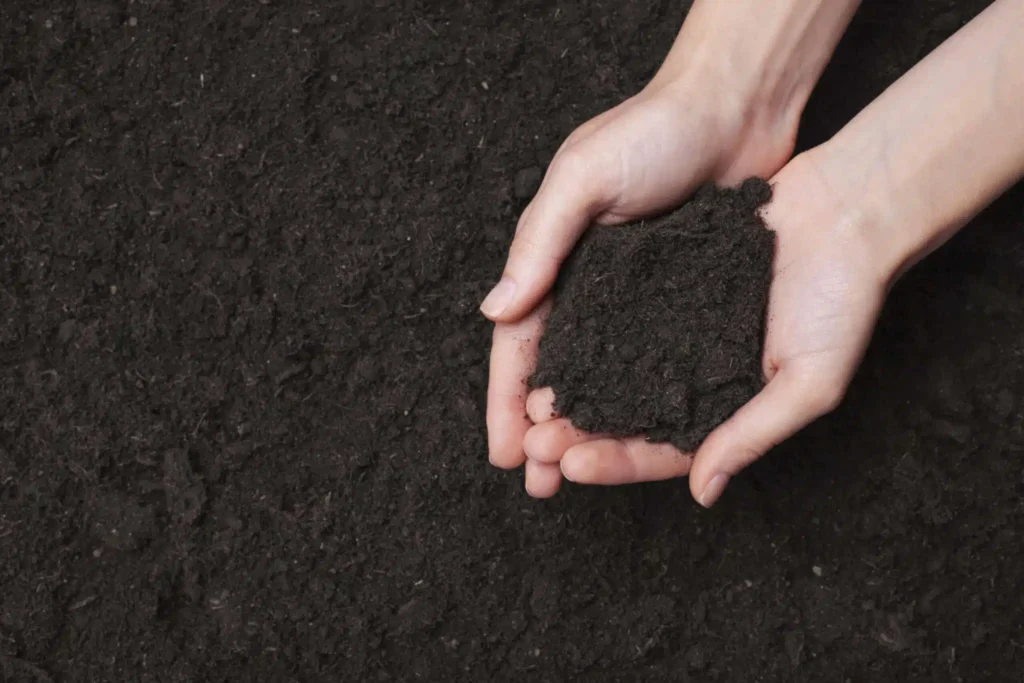 From $44.03/yard
- SizeScreened, no size grade
- Density2200 lb/yd³
- ColorDark brown
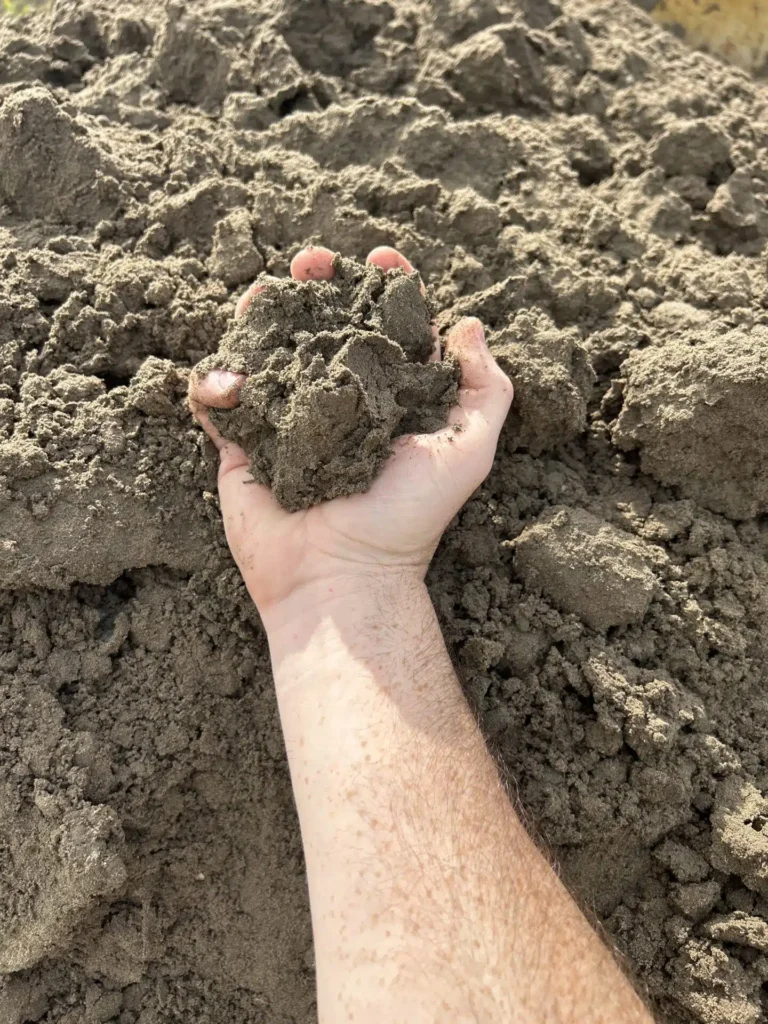 From $40.95/yard
- Density2200 lb/yd³
- ColorBrown
 From $44.03/yard
- Density2000 lb/yd³
- ColorDark brown
Delivered pricing in Mesa
| Order size | Price / ton | Delivery fee | Lead time |
|---|---|---|---|
| 3+ tons | $122 | $237 | 1-2 business days |
| 8+ tons | $104 | $127 | Same/next day |
| 15+ tons | $91.00 | Included | Free delivery |
Estimate how much you need
Calculate Your Project
Estimate only. Add 10-15% for compaction and waste.
Browse more
Available in nearby cities
Plan your project
Related guides
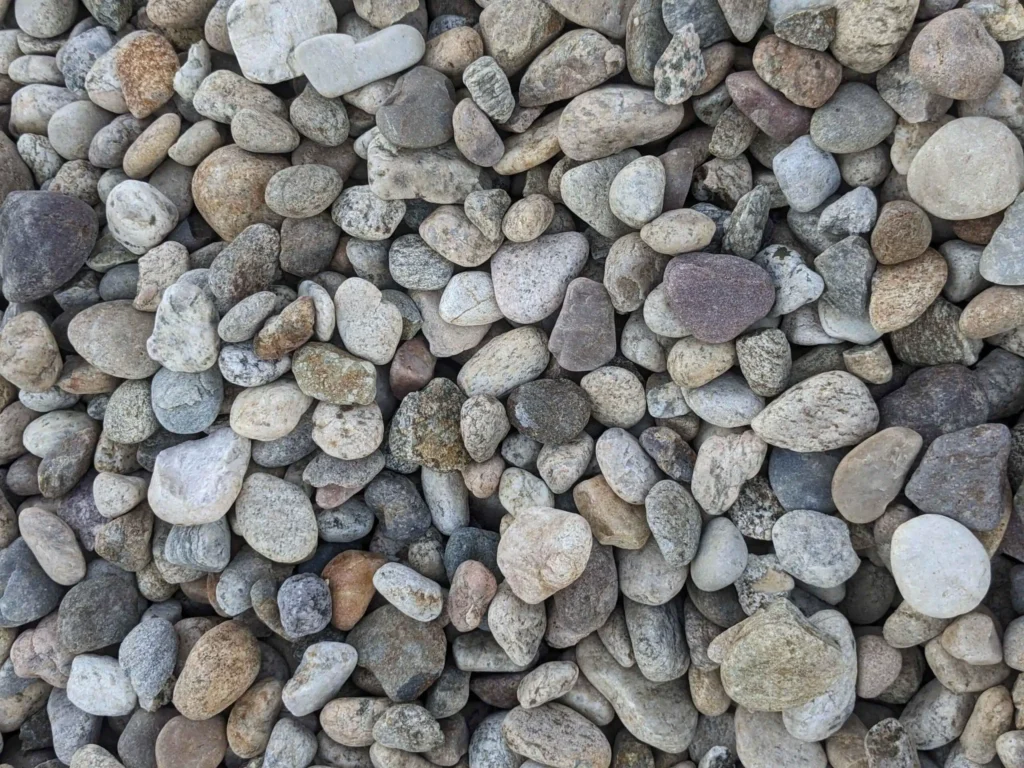 GUIDEHow Much Does River Rock Cost? By Ton or YardRiver rock cost depends on your ZIP code, order size, and whether you buy by the ton or the cubic yard. Here is how pricing works.Read guide →
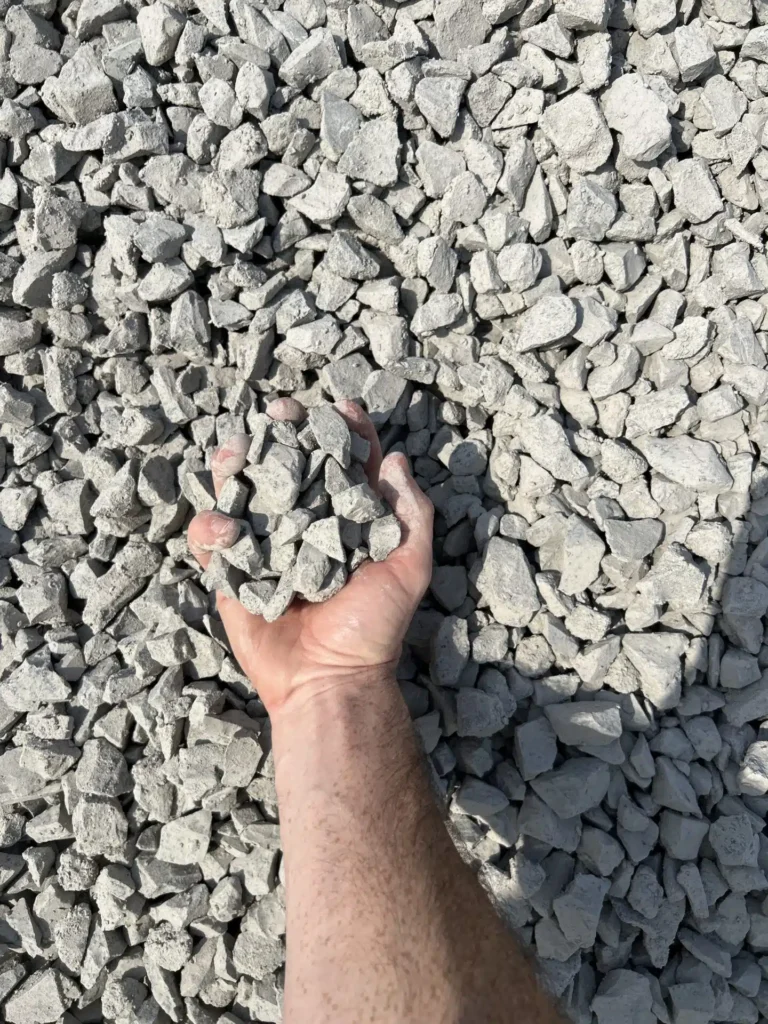 GUIDEWhat Size Crushed Stone Goes Under a Concrete SlabMost slabs need 4 to 6 inches of compacted crushed stone underneath. What size crushed stone under a concrete slab needs, and why it matters.Read guide →GUIDEWhat Is Crushed Stone? Sizes, Uses and Buying BasicsCrushed stone is quarried rock crushed and screened into angular pieces sold by the ton. Here is what it is, how it is graded, and where to use it.Read guide →
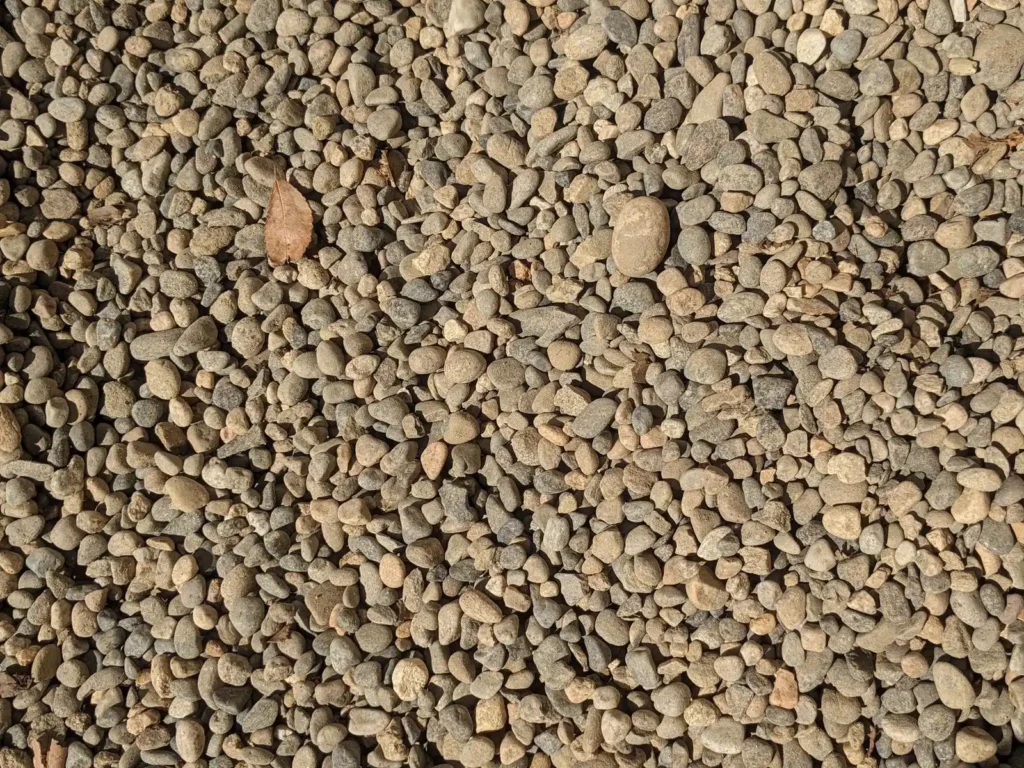 GUIDEHow Much Does Gravel Cost? A Practical Pricing GuideHow much does gravel cost and why does it vary? See the real factors behind ton pricing, delivery, and order size before you buy.Read guide →
Frequently Asked Questions
How much compost do I need for a raised bed in Mesa?
Compost is sold by the cubic yard, and one yard covers about 100 square feet at three inches deep. A 10 by 20 foot raised garden needs roughly two yards. In the desert, a deeper organic-rich profile helps the soil hold irrigation, so three inches is a smart minimum.
How fast can you deliver compost in Mesa?
Mesa sits in the center of the Valley, so delivery is fast. Smaller loads around three yards arrive in 1-2 business days, and mid-size orders near eight yards often qualify for same or next-day delivery. Fall and late winter are busy planting seasons, so order ahead.
What is the minimum compost order for delivery?
Delivered pricing starts at a three-ton minimum at $122 per ton with a $237 delivery fee. Ordering eight tons lowers the rate to $104 per ton, and fifteen tons or more earns free delivery anywhere in the Phoenix-Mesa-Chandler metro.
Can compost help with caliche in my Mesa yard?
Compost-amended soil above it, giving roots an organic-rich medium to grow into.
Does compost help my landscape use less water?
Yes. Compost dramatically improves a desert soil's ability to absorb and hold moisture, so more of your irrigation soaks in and stays available to roots instead of running off. That is a real benefit in Mesa, where water is a constant cost.
When is the best time to add compost in Arizona?
Fall, around October and November, and late winter into early spring are the prime windows in the low desert. Get compost worked in and beds planted before the May heat. Avoid heavy amendment work in the peak of summer, when little establishes well.
Should I use mulch over compost in the desert?
Almost always. In Mesa's dry heat, a two to three inch layer of Hardwood Mulch over compost-amended beds slows evaporation and shades the soil, which protects the organic matter underneath from cooking away as quickly.
What is the difference between compost and garden soil?
Garden Soil is a blended planting medium, while compost into Topsoil to build a bed that holds water and feeds plants through the heat.
Can I topdress my citrus trees with compost?
Yes, citrus is a Mesa backyard staple and benefits from a layer of compost spread over the root zone. It feeds the tree gradually and helps the soil hold moisture. Keep it off the trunk itself and water it in after spreading.
Do you deliver compost to Gilbert, Tempe, and Chandler?
Yes. The East Valley cities sit close to Mesa, with Gilbert about 5 miles out, Tempe 6 miles, and Chandler 8 miles, so we reach all of them on the same fast routes. Scottsdale and Phoenix are covered as well.