Riprap Med Delivery in Tucson, AZ
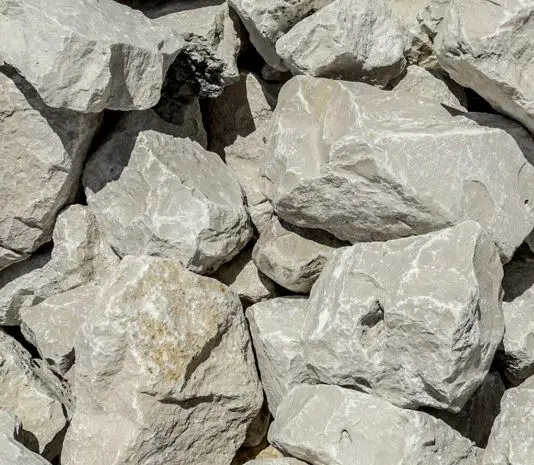
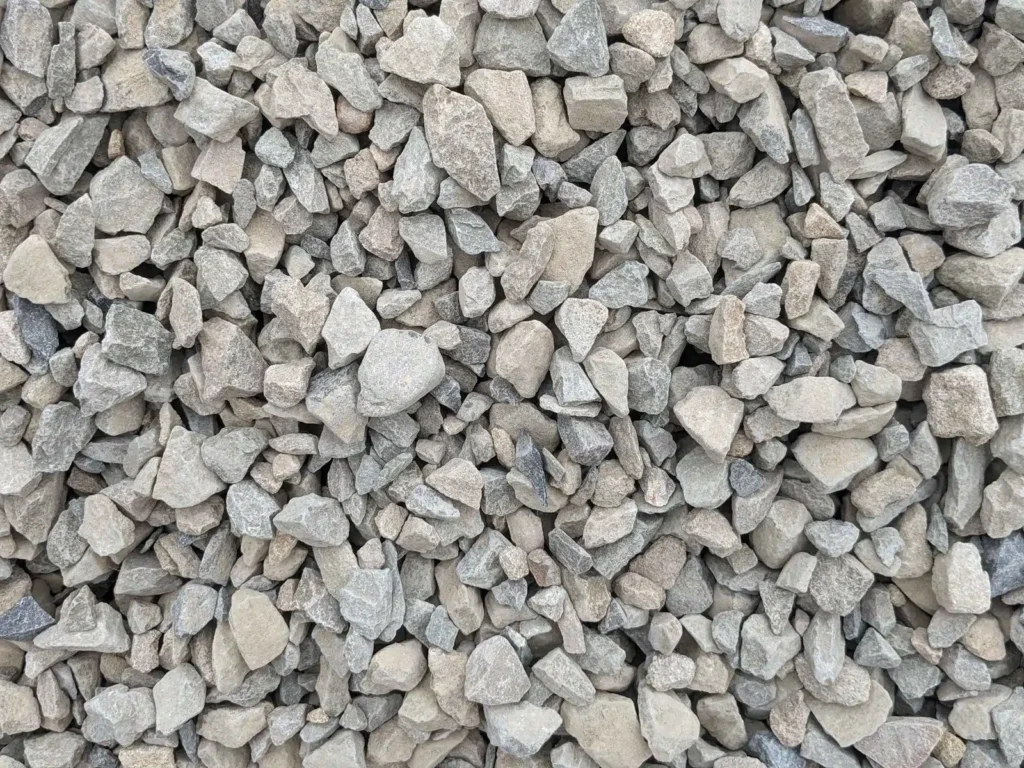
Bulk riprap med delivered in Tucson, AZ. Stone size 4 - 9. Gray color.
From $112/ton delivered, free delivery on full loads
Bulk Riprap Med Delivery in Tucson, AZ
Tucson sits in a Sonoran Desert basin ringed by mountains, and the way water behaves here is shaped by that bowl. Most of the year the washes that thread the valley sit bone dry, but the city gets one of the strongest summer monsoons in the country, and when a cell builds over the Catalinas or the Rincons the runoff pours off the bajadas and into the Rillito, the Pantano, and the Santa Cruz with startling speed. Where that flow concentrates against erodible desert soil, it scours hard. Medium Riprap Med is the stone that holds the line. These are angular gray pieces graded 4 to 9 inches that weigh roughly 2,700 pounds per cubic yard, heavy enough to stay anchored when a wash runs full, yet workable enough to place with a skid steer or by hand. We deliver across the metro starting at just $112 per ton.
From a scoured wash bank on the east side to a culvert outlet along a midtown arterial to a bank repair near the Rillito, medium riprap is what Tucson contractors and property owners reach for when monsoon flow has to be tamed.
Why Tucson Crews Use Medium Riprap
The Sonoran erosion story is a study in extremes: long dry months and then a monsoon that can drop an inch of rain in under an hour onto ground that sheds almost all of it. The valley's sandy, gravelly desert soils have little to hold them when that happens, so riprap goes wherever flow gathers:
- Wash and bank protection: Along the Rillito, Pantano, Tanque Verde, and the smaller neighborhood washes, riprap holds banks that monsoon flows would otherwise carve away in a single storm.
- Slope and bajada armoring: On the engineered slopes around foothill developments and along roadway embankments, riprap stops the rilling that intense runoff starts.
- Detention and retention basins: The region's stormwater basins rely on armored inlets, outlets, and side slopes to survive a monsoon cloudburst without scouring out.
- Culvert and storm outfalls: Where a pipe dumps runoff onto desert soil, a riprap apron breaks the energy and prevents the deep scour hole that forms behind it.
Behind the armor, crews back the work with a Drain Rock layer and a filter so the loose fines cannot wash out. For decorative dry-wash landscape and xeriscape features, River Rock gives the rounded look, and on budget base and access-road jobs some crews use Crushed Concrete beneath the stone.
Local Delivery and Lead Times in Tucson
We deliver riprap across the Tucson metro, from the central city and midtown out to the foothills, the east side, and the Marana and Oro Valley fringe. The valley's wide streets and generous desert lots make access easy in most neighborhoods, and we just need a clear, firm spot where the truck can tip the load. Smaller orders around 5 tons typically arrive within 1 to 2 business days. Mid-size loads near 8 tons often go out same or next day. Full truckloads of 16 tons and up ship on our free-delivery tier.
Regional routes also reach up the I-10 corridor toward the Phoenix-area cities, with Chandler 90 miles north, Gilbert about 91 miles, and Mesa around 96 miles, plus Tempe (100 mi) and Scottsdale (104 mi). That keeps cross-metro coordination practical, but for Tucson work the local geography keeps turnarounds fast. We strongly recommend booking ahead in late spring as crews race to armor washes and basins before the monsoon, which here often arrives by early July.
How Much Riprap You Need
Medium riprap is sold by the ton, and a solid planning rule is one ton covering about 35 to 40 square feet at a 12-inch placed thickness, the typical depth for wash and slope armor. Higher-energy wash reaches and steep banks need a thicker layer, so round up.
Here is a quick coverage example. Suppose you are armoring an eroding wash bank on the east side, with a sloped face running 52 feet along the channel and rising about 9 feet, roughly 470 square feet. At a 12-inch placed depth that comes to around 12 to 13 tons. Order 16 tons and you cover the bank, fill the keyed toe trench at the wash bottom, and qualify for free delivery in a single drop. A steeper, higher-energy reach may justify 18 inches of depth, pushing the same area toward 19 tons.
Tucson Riprap Pricing
Our bulk tiers reward larger loads, which suits riprap well since most wash and basin jobs need real tonnage. Medium riprap in Tucson starts at $112 per ton. The delivered tiers break down like this:
- 1-ton minimum: $152 per ton with a $291 delivery fee, arriving in 1 to 2 business days. Right for a small repair or a single culvert apron.
- 6-ton minimum: $137 per ton with a reduced $157 delivery fee, often same or next day. A good fit for a moderate wash bank or basin patch.
- 16-ton minimum: $112 per ton with free delivery. The best value for full bank armor, contractors, and flood-control jobs.
The spread from the 1-ton rate to the 16-ton rate is $40 per ton, and the delivery fee disappears at the top tier, so on any sizable Tucson wash or basin job it almost always pays to consolidate into one full load rather than ordering piecemeal.
Spreading and Installation Tips
Filter Layer and Caliche
Tucson soils throw two curveballs: loose desert sand and gravel up top, and hard caliche layers below. Riprap placed straight on the loose surface will undermine itself as fines wash out when the monsoon flow comes, so lay a geotextile filter fabric or a graded gravel filter against the prepared bank first. Where you hit caliche during excavation, it can be tough to dig but makes a firm foundation for a keyed toe once you break through it. Behind any retaining or channel wall, a Drain Rock backing handles the brief but intense pressure a cloudburst builds.
Key In the Toe at the Wash Bottom
On a desert wash the toe is where the flash flow attacks first, scouring down and pulling the bank apart from the bottom. Excavate a toe trench at the wash bottom and set your largest stones there so the whole blanket anchors against the scour.
Place for Interlock
Place the stones so they nest and fill the gaps with smaller pieces. A dumped pile may look like a revetment but loses rock in the first flash flood. On tight wash and basin sites, a skid steer with a grapple sets stone far better than a loader bucket.
Monsoon Floods and Flash-Flow Energy
Tucson's monsoon, roughly July through September, is the whole reason riprap matters here, and the city sees some of the most intense monsoon bursts in the Southwest. Storms drop heavy rain in a short time over ground that absorbs almost none of it, so runoff is fast and carries sand, gravel, and debris that batter anything in the channel. That debris load is part of what makes flash flows so destructive: it is not just water but a moving abrasive. Medium riprap stands up to it because the heavy, angular stone interlocks into a blanket the flow cannot easily pluck apart, and a well-graded 4 to 9 inch blend fills its own voids so the debris-laden water has nowhere to work in. The key is to have the armor in place and the toe keyed before the season, because once a wash is running you cannot work in it safely and any unfinished section is exposed to the full force of the storm.
Seasonal Notes for Arizona
The Tucson riprap calendar revolves around the monsoon. The cooler, dry stretch from fall through spring is the prime placement window: the washes are empty, the ground is workable, and you can excavate and key a toe trench without fighting flowing water or extreme heat. Late spring is the busy rush as everyone armors washes, banks, and basins before the early-July monsoon, so book early to lock in delivery. Avoid major wash work during the monsoon itself, when a dry channel can flood with little warning and unfinished armor is at risk. The brutal summer heat is also hard on crews, so most large placement jobs are scheduled for the milder months, which lines up neatly with beating the storm season.
Ready to schedule a drop anywhere from midtown to the foothills or the east side? Tell us your access, your bank, and your target depth, and we will size the right load for your job.
About Riprap Med
About Our Riprap Med
Medium riprap is a quarried, angular gray stone graded from roughly 4 to 9 inches across, built as an erosion-control and armoring material rather than a decorative one. Each piece is hard, dense, and irregular, and that angularity is the point: the broken faces lock against one another so a placed blanket behaves like a single flexible mass instead of a loose pile. At about 2,700 pounds per cubic yard, it is among the heaviest aggregates we carry, and that weight is what lets it stay put against flash floods and debris-laden monsoon flows.
The 4 to 9 inch gradation is the most versatile of the riprap grades. It is large enough to stand up to the high-energy flash flow of a desert wash on banks and culvert outlets, yet small enough to place with a skid steer or by hand, unlike the heavy and extra-large grades that require an excavator. Lighter drainage and bedding work calls for Drain Rock instead, while purely decorative desert installations typically use River Rock for its smooth, rounded look.
Typical uses include wash and bank protection, slope and bajada armoring, riverbank stabilization, detention and retention basin lining, culvert and storm outfall aprons, bridge abutment scour protection, and heavy drainage structures. The stone is almost always installed over a geotextile filter fabric or a graded gravel filter so the loose desert soil beneath cannot wash out, with the toe keyed into a trench so the blanket anchors at its base. On budget-driven base work, some crews use Crushed Concrete beneath the riprap, though the armor stone exposed to flowing water should be hard natural rock.
Sold loose by the ton for direct placement, medium riprap ships in volumes from small repair loads up to full bank-armor truckloads. Because gradations and placed depths vary and flash-flow energy is high, order on the high side of your coverage math to account for voids and the keyed toe trench.
What Riprap Med costs in Tucson
Around Tucson, riprap med is quoted by the ton with delivery layered in based on distance from the closest yard. Pricing in Tucson starts at $112 per ton on full-truck loads, which works out to roughly $151 per cubic yard at the typical density of 2700 lb per yard. Plan on roughly 80 sq ft of coverage per ton at 3 inches deep, which puts a single-car driveway in the 4 to 8 ton bracket.
How crews use Riprap Med in Tucson
Tucson contractors keep riprap med on the order sheet for a short list of standard installs. Top of the list is erosion control, where the material is rolled out in tight urban lots and infill builds and screeded to grade. Right behind that is drainage gravel, common in dense neighborhoods where curb access is short and often paired with edging or fabric below the lift. Tucson sits at about 545,975 residents, which means we see steady weekday traffic from landscape crews and weekend pickups from owner-builders.
Delivery day in Tucson
Delivery in Tucson runs out of the nearest pit; you get a two hour arrival window the evening prior and a call when the driver leaves the scale. Plan for 12 ft of clear path for a tandem and 14 ft for a tri-axle, plus a level area at the dump point so the bed lifts straight. Standard lead time on this lane is Mon-Sat, with same-day windows held open for orders that hit the desk before 11 AM and clear payment.
Related materials we deliver in Tucson

Delivered pricing in Tucson
| Order size | Price / ton | Delivery fee | Lead time |
|---|---|---|---|
| 1+ tons | $152 | $291 | 1-2 business days |
| 6+ tons | $137 | $157 | Same/next day |
| 16+ tons | $112 | Included | Free delivery |
Estimate how much you need
Calculate Your Project
Estimate only. Add 10-15% for compaction and waste.
Browse more
Available in nearby cities
Plan your project
Related guides
 GUIDEHow to Clean River Rock and Restore Its ColorLearn how to clean river rock landscaping with rinsing, soap and vinegar methods, plus common mistakes to avoid for a brighter, longer lasting rock bed.Read guide →
 GUIDEHow to Lay a Gravel Driveway: Step-by-Step GuidePractical, field-tested guide: how to lay gravel driveway. Pulled from real US installer notes and 2026 supplier price data.Read guide →
 GUIDEDoes Gravel Stop Weeds? Honest Answer + What WorksPractical, field-tested guide: does gravel stop weeds. Pulled from real US installer notes and 2026 supplier price data.Read guide →
 GUIDEHow Much Gravel Do I Need? Quick Sizing GuidePractical, field-tested guide: how much gravel do i need. Pulled from real US installer notes and 2026 supplier price data.Read guide →
Frequently Asked Questions
How much medium riprap do I need for a wash bank in Tucson?
Plan on one ton covering about 35 to 40 square feet at the typical 12-inch placed depth. A 470 square foot wash bank works out to roughly 12 to 13 tons, so rounding up to 16 tons covers the bank, fills the toe trench, and earns free delivery. Order on the high side for voids and high-energy reaches.
How fast can you deliver riprap in Tucson?
Smaller 1-ton orders usually arrive within 1 to 2 business days, while 6-ton loads often ship same or next day. Full 16-ton truckloads move on our free-delivery tier. The valley's wide streets and generous lots keep access easy from midtown to the foothills and the east side.
What is the minimum riprap order for delivery?
Our smallest delivered tier is a 1-ton minimum at $152 per ton plus a $291 delivery fee. Stepping up to the 6-ton tier drops the rate to $137 per ton and cuts the fee to $157. The 16-ton tier reaches the $112 per ton starting price with free delivery, the best value for a real wash job.
Do I need filter fabric under riprap in Tucson?
Yes, in almost every case. The loose desert sand and gravel washes out from under bare riprap when monsoon flow comes, so lay a geotextile filter fabric or a graded gravel filter against the prepared bank first. Behind a retaining or channel wall, a Drain Rock backing also relieves the water pressure a cloudburst builds.
How does Tucson caliche affect a riprap install?
Caliche is the hard, cemented layer below the loose surface soil, and it can be tough to dig through when you key a toe trench. Once you break through it, though, it makes a firm foundation that anchors the blanket well. Plan for slower excavation in caliche-heavy ground, and the placed armor will hold solidly.
Will medium riprap hold up to Tucson monsoon flash floods?
Yes, when installed right. The heavy, angular stone interlocks into a blanket that fast, debris-laden flow cannot easily pull apart, and a well-graded 4 to 9 inch blend fills its own voids. The key is to key the toe and finish the armor before the early-July monsoon, since a wash cannot be worked once it is running.
Can I use riprap at a culvert outlet or basin in Tucson?
Yes, that is a core use. Where water leaves a pipe onto desert soil, a riprap apron breaks the energy and prevents a deep scour hole that can undermine the structure in one storm. Size the apron to the pipe and design flow, extend it past where the water spreads, and back it with a filter layer.
When is the best time to place riprap in Tucson?
The cooler, dry stretch from fall through spring is the prime window, with empty washes and workable ground for keying a toe trench. Late spring is the busy rush as everyone armors before the early-July monsoon, so book early. Avoid major wash work during the monsoon, when channels flood fast.
Should riprap be dumped or hand placed?
Place it, do not dump it. Placed stones interlock with the gaps filled by smaller pieces to form a stable blanket, while a dumped pile loses rock in the first flash flood. On tight wash and basin sites, a skid steer with a grapple sets stone far better than a loader bucket.
How heavy is medium riprap and can I move it by hand?
It runs about 2,700 pounds per cubic yard, and individual 4 to 9 inch pieces can be lifted by hand on smaller repairs, which is part of why this grade is popular. For a full wash or basin job, a skid steer with a grapple is far faster and safer than placing stone by hand in the Sonoran heat.