Paver Base Calculator
Quickly estimate cubic yards, tons, and material cost for your Paver Base project. Adjust the inputs below and the result updates in real time.
Calculate Your Project
Estimate only. Add 10-15% for compaction and waste.

How this calculator works
Cubic yards = (area × depth ÷ 12) ÷ 27
Tons = cubic yards × density × 27 ÷ 2000
Estimate the paver base + sand bedding for a patio, walkway, or pool deck install.
Enter your area and depth, and we'll compute cubic yards, tons, and a delivered material cost using current 2026 quarry pricing.
What the Paver Base calculator computes
The Paver Base material. The calculator uses 2,800 lb per cubic yard as the density (typical for a fine-graded 0 to 1/4 inch crushed stone base).
Paver base depth depends on the load the paver surface will carry. Walkways and small patios need 4 to 6 inches. Driveway pavers handling passenger cars need 6 to 8 inches. Commercial-grade installs with delivery trucks driving across them go 10 to 12 inches in two or three lifts. The calculator output multiplied by 1.15 covers compaction losses; the compactor reduces dumped depth by roughly 15 percent across two compaction passes.
Base course composition and why it matters
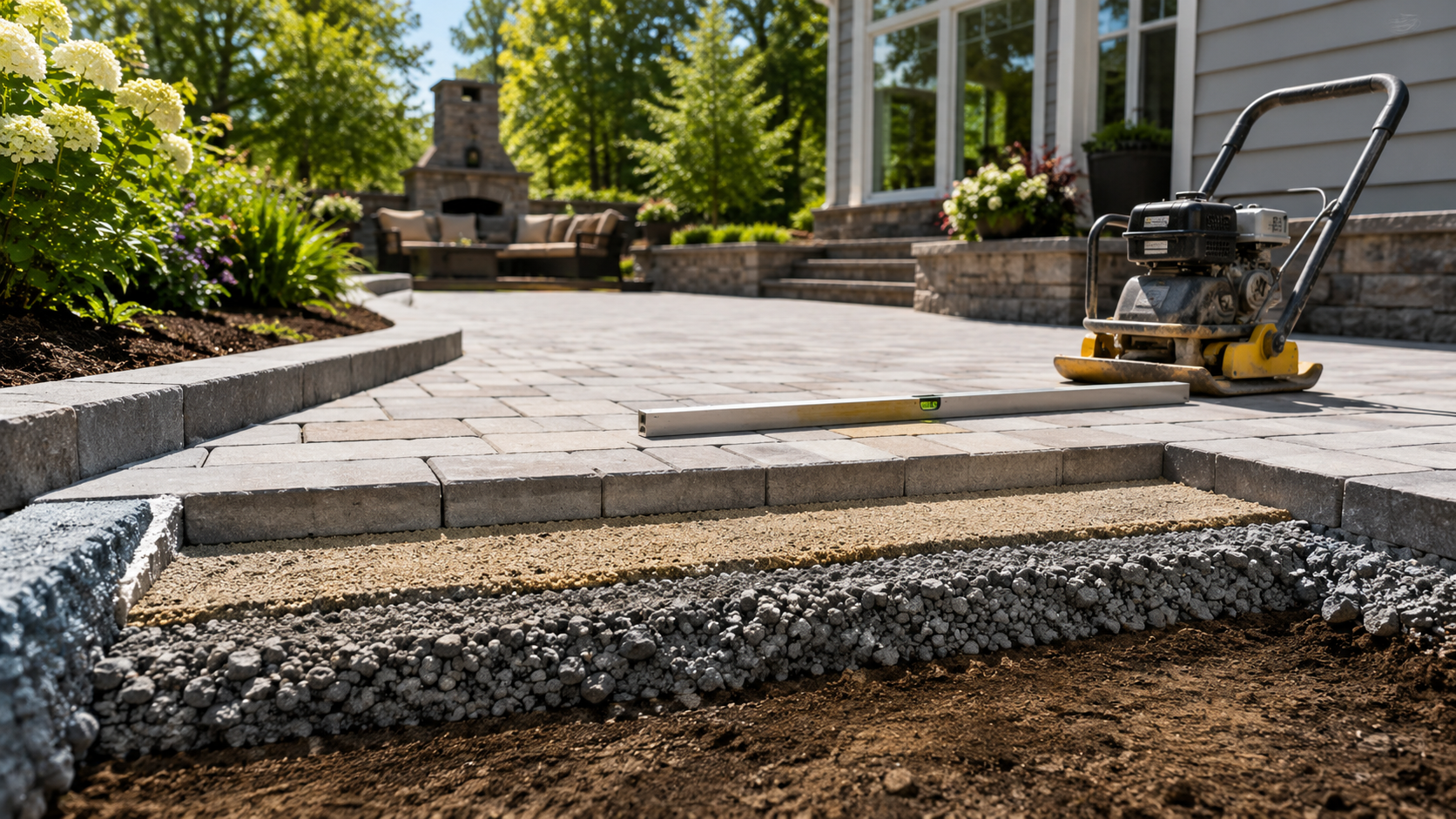
Paver Base is a graded blend of stone dust through 1/4 inch crushed fragments. The grading is what makes it compactable: larger fragments form the load-bearing skeleton, smaller particles fill the voids, and stone dust binds the whole mass at the finest scale. The result, properly compacted, behaves like a paved slab under the pavers above.
The base sits between native soil below and a 1 inch bedding layer of Stone Dust (Screenings) produces uneven joints because the fragments are too large to screed perfectly flat. The screenings layer is non-negotiable; skipping it is the #1 cause of paver settling within 12 months.
Depth specs for different paver loads
The base depth required depends on what drives or walks across the finished paver surface. For a foot-traffic-only patio (less than 200 square feet, no furniture wheels or grills with rollers), 4 inches of compacted Paver Base is enough. For a larger patio or walkway with regular foot traffic, go 6 inches. The two extra inches of base distribute load wider and prevent the spot-settling under heavy chairs and tables that develops over years.
Driveway pavers need 8 inches minimum for passenger cars, run in two compacted lifts of 4 inches each. For trucks and SUVs in regions with hard winters, 10 to 12 inches in three lifts is the durable spec. Commercial paver installs follow engineering tables specific to the project, but residential homeowners almost never need more than the 12 inch maximum.
For wet-soil sites (poorly drained clay, high water table, slope drainage issues), add 2 inches to the depth and lay 4 to 6 ounce filter fabric between the native soil and the base course. The fabric keeps the soil from migrating up into the base over years of freeze-thaw cycling, preserving the base course strength indefinitely.
Installation sequence and compaction
The install sequence is excavate, lay fabric, place base in lifts, compact between lifts, place bedding screenings, screed flat, lay pavers, sweep polymeric sand into joints, soak. Each step has a specific rhythm. Compaction between base lifts means running the plate compactor in overlapping passes until the surface stops settling under additional passes. Most homeowners under-compact because the compactor seems to "be doing something" after only one pass. Two passes minimum, three for the load-bearing applications.
The base material itself ships from the quarry at moisture content around 4 to 6 percent, which is the right range for compaction. If you take delivery on a hot dry day and the pile sits a week, mist it lightly before compacting to restore moisture. Bone-dry base does not compact tight; the dust separates from the fragments and the mass fluffs back up after the compactor moves on.
The bedding screenings layer on top of the base is 1 inch finished depth. Order 1 ton of Stone Dust (Screenings) per 100 square feet of paver area, plus 15 percent overage to handle screeding losses.
Pricing and ordering for a paver project
Paver Base runs $44 to $91 per ton delivered. Stone Dust (Screenings) and 1 ton of screenings, totaling about $230 to $350 in aggregate.
Same-day delivery is usually open before 11 AM with 1 to 2 day lead times. Both materials ride well on the same truck so the yard ships them together for one delivery fee. Stage them in separate piles on the existing driveway so you know which is which during install. Crusher Run at a glance but does not screed as flat; using the wrong material at the bedding layer is a common DIY error.
Total project cost including pavers, polymeric sand, edging restraint, and fabric runs $12 to $25 per square foot installed. The aggregate is the cheapest component but the most important for longevity.
Polymeric versus traditional joint sand
Once the paver base is set and the pavers are laid, the final step is joint sand. Two product families compete: traditional Mason Sand is $0.05 to $0.10 per square foot, polymeric is $0.40 to $0.65 per square foot.
Polymeric is the right call on driveways, patios with significant foot traffic, and anywhere maintenance access is awkward. Traditional Mason Sand works on rustic patios, garden paths, and casual installs where the annual sweep-back is part of seasonal maintenance anyway. Mixing approaches across a single installation is fine; a high-traffic main path can use polymeric while adjacent decorative beds use traditional.
Activation timing matters for polymeric. Install on a clear day, sweep fully into joints, compact with a rubber-padded plate compactor, sweep again. Then water with a fine mist (not a flood) to activate the polymer. Heavy water flow during activation washes the polymer out of joints before it cures. The cure takes 24 hours; protect from rain and foot traffic for the full window.
For mixed-style installs that combine pavers and Pea Gravel zones do not need joint sand at all. A clean line between zones (poured concrete edging, metal landscape edging, or a row of brick) keeps the polymeric sand from invading the gravel zone and the gravel from invading the paver joints. Plan the edging detail before installation rather than retrofitting it.
Materials this calculator covers
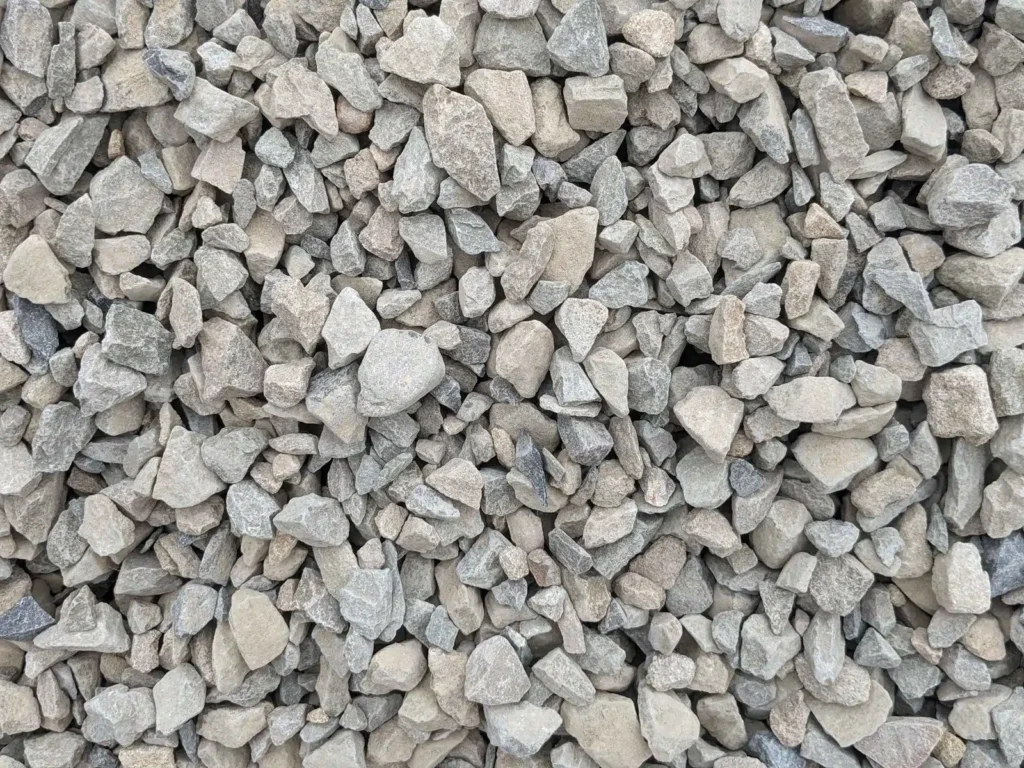 From $44.17/ton
- Size0 - 1/4″
- Density2800 lb/yd³
- ColorGray
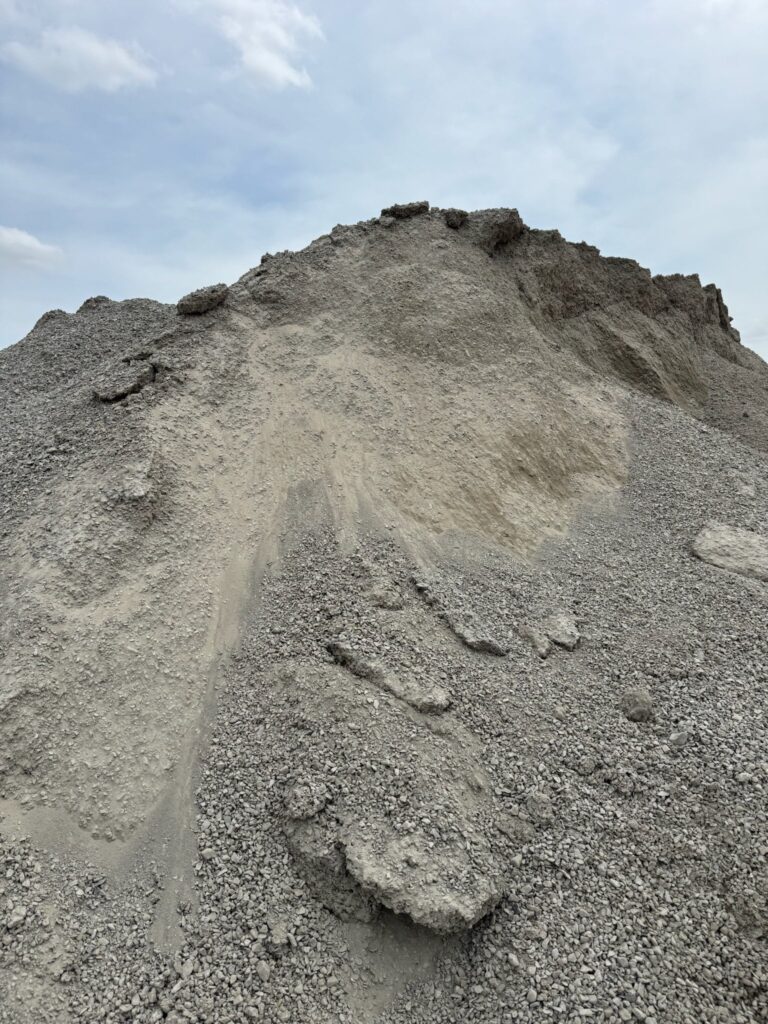 From $44.17/ton
- Size0 - 1/4″
- Density2800 lb/yd³
- ColorGray
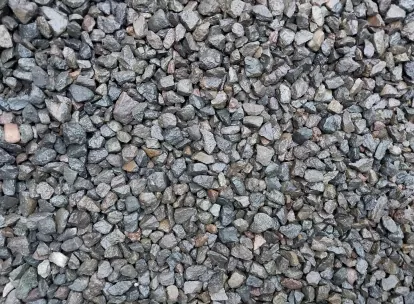 From $48.98/ton
- Size3/8″
- Density2650 lb/yd³
- ColorGray
Other calculators
CALCULATORStone Dust CalculatorUse the stone dust calculator to convert your length, width and depth into the tons of stone dust you need to order.Open calculator →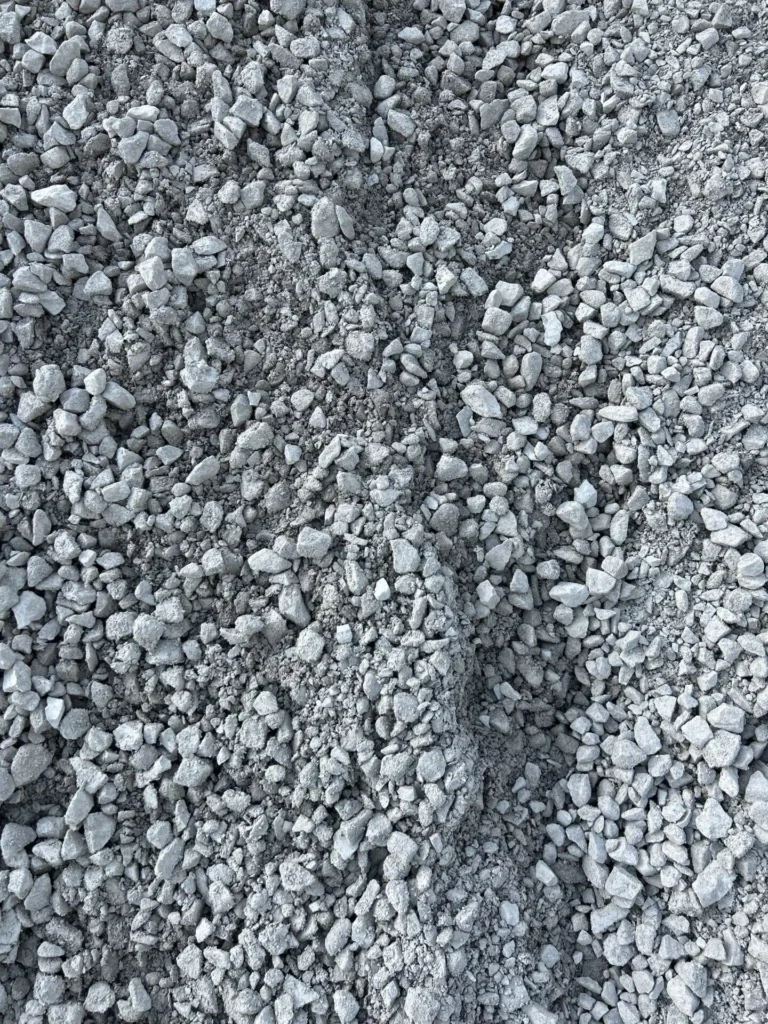 CALCULATORRoad Base CalculatorFor driveway base courses and rural road repair - Class 5 base estimator.Open calculator →
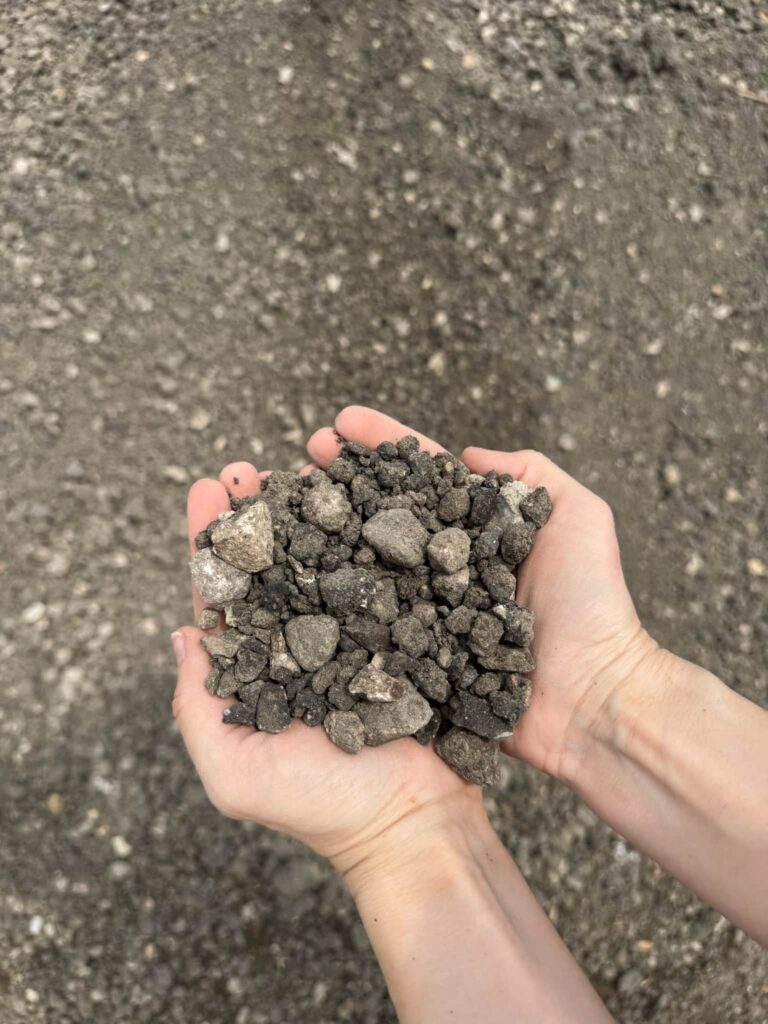 CALCULATORAsphalt Millings CalculatorUse this asphalt millings calculator to convert your area and depth into tons, based on the material's real density.Open calculator →
 CALCULATORRetaining Wall Backfill CalcCalculate the backfill aggregate needed behind a stone or block retaining wall.Open calculator →
Related guides
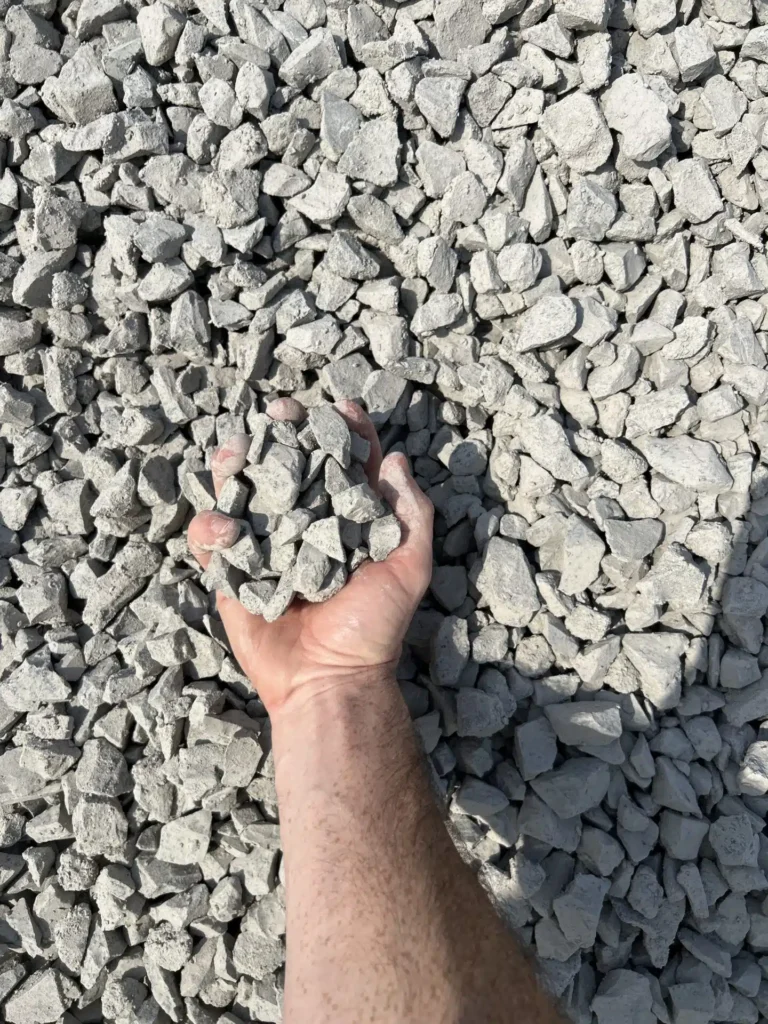 GUIDEWhat Is Crushed Stone? Sizes, Uses and Buying BasicsCrushed stone is quarried rock crushed and screened into angular pieces sold by the ton. Here is what it is, how it is graded, and where to use it.Read guide →
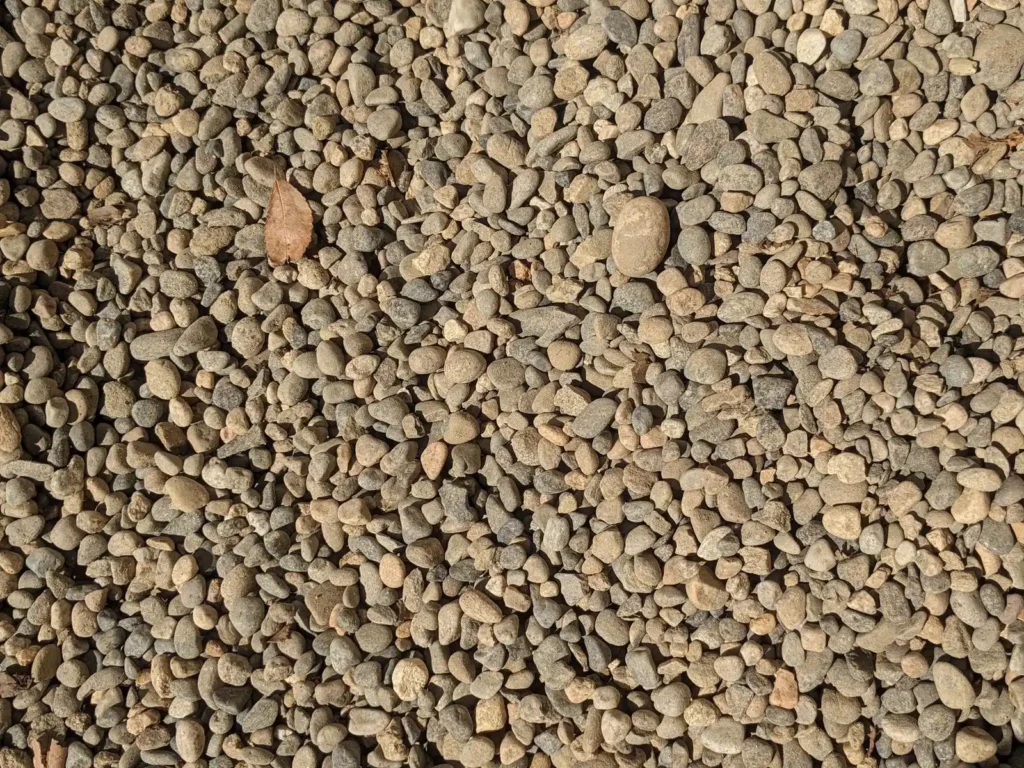 GUIDEHow Much Does Gravel Cost? A Practical Pricing GuideHow much does gravel cost and why does it vary? See the real factors behind ton pricing, delivery, and order size before you buy.Read guide →GUIDEGravel Size Chart: Pea Gravel to Crushed StoneA gravel size chart showing pea gravel, crushed stone and river rock diameters side by side, so you can match the right size to your project.Read guide →
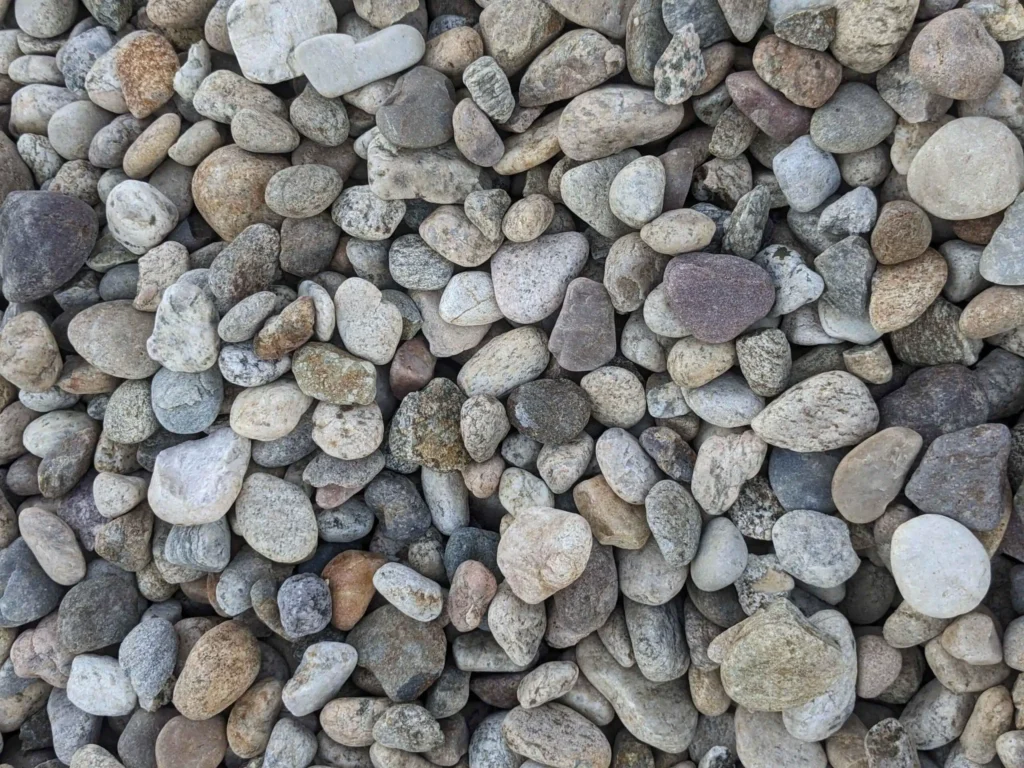 GUIDEThe Different Types of Gravel and How to ChooseA plain-language guide to the main types of gravel, covering pea gravel, crushed stone, river rock and decomposed granite.Read guide →
Frequently Asked Questions
How does this calculator work?
Enter area in sq ft and depth in inches. We convert to cubic yards, multiply by density to get tons, and divide by 2,000.
What if I don't know the depth?
Most projects use 4 inches. Drainage applications go deeper (6-12 in).
Why is the estimate different from my supplier quote?
Within 10% is normal - supplier quotes include delivery + minimum-load surcharges that depend on your distance from the quarry.
Should I round up?
Yes - round up to the nearest half-ton. The price-per-ton usually drops on larger orders.
Does this include delivery cost?
No - the result is material cost only. Get a delivered quote with your ZIP for the full price.
Can I use this for another material?
Density varies by material. This calculator is tuned for paver-base; switch to the matching calculator for accurate results.