Stone Dust Calculator
Quickly estimate cubic yards, tons, and material cost for your Stone Dust (Screenings) project. Adjust the inputs below and the result updates in real time.
Calculate Your Project
Estimate only. Add 10-15% for compaction and waste.
How this calculator works
The calculator first finds volume: length in feet times width in feet times depth in inches, divided by 324, gives cubic yards. Stone dust weighs about 2,800 lbs per cubic yard, which works out to roughly 103.7 lb per cubic foot. Dividing that weight by 2,000 lbs per ton converts cubic yards into tons, so 1 cubic yard of stone dust is about 1.4 tons. The calculator runs both steps together, taking your length, width and depth, converting to cubic yards, then multiplying by the density factor to show the tons of Stone Dust (Screenings) to order.
This stone dust calculator turns your project's length, width and depth into the number of tons of Stone Dust (Screenings) to order. Stone dust sells by the ton, not the cubic yard, so the calculator converts your volume into tons using the material's density before you check out. Enter your measurements, check the depth guidance below, and round your order up rather than down.
How the stone dust calculator works
The stone dust calculator takes three inputs: length in feet, width in feet and depth in inches. It multiplies those figures together and divides by 324 to get cubic yards, the standard volume conversion for aggregate projects. From there it applies stone dust's density to turn cubic yards into tons, since stone dust is priced and delivered by the ton. The result is a straightforward tons figure you can use to place an order.
Depth guidance for stone dust
Depth changes the volume more than length or width because it is measured in inches instead of feet. A thin leveling layer of stone dust runs close to 1 inch deep. A structural base layer commonly runs 2 to 4 inches deep, and some projects call for more depending on the load the base needs to carry. Measure the depth you actually plan to place, not a rough guess, since a half inch of difference changes the tons figure noticeably across a large area.
Density and the yards to tons conversion
Stone dust is denser than most landscaping materials because it is made of crushed stone fines with very little air space between particles. It weighs about 2,800 lbs per cubic yard, or roughly 103.7 lb per cubic foot. Dividing that weight by 2,000 lbs per ton shows that 1 cubic yard of stone dust works out to about 1.4 tons. If you already have your volume figured in cubic yards from a plan or another source, run it through the cubic yards to tons converter, once to get straight to a tons figure without redoing the math by hand.
Ordering tips and overage
Order a bit more than the calculator's exact number. Ground is rarely perfectly flat, some material is lost to handling and spillage during delivery and spreading, and stone dust settles once it is compacted. Rounding up protects you from running short partway through the job and needing a second delivery to finish. Keep your length, width and depth measurements handy so you can rerun the stone dust calculator if the project scope changes before you order.
Materials this calculator covers
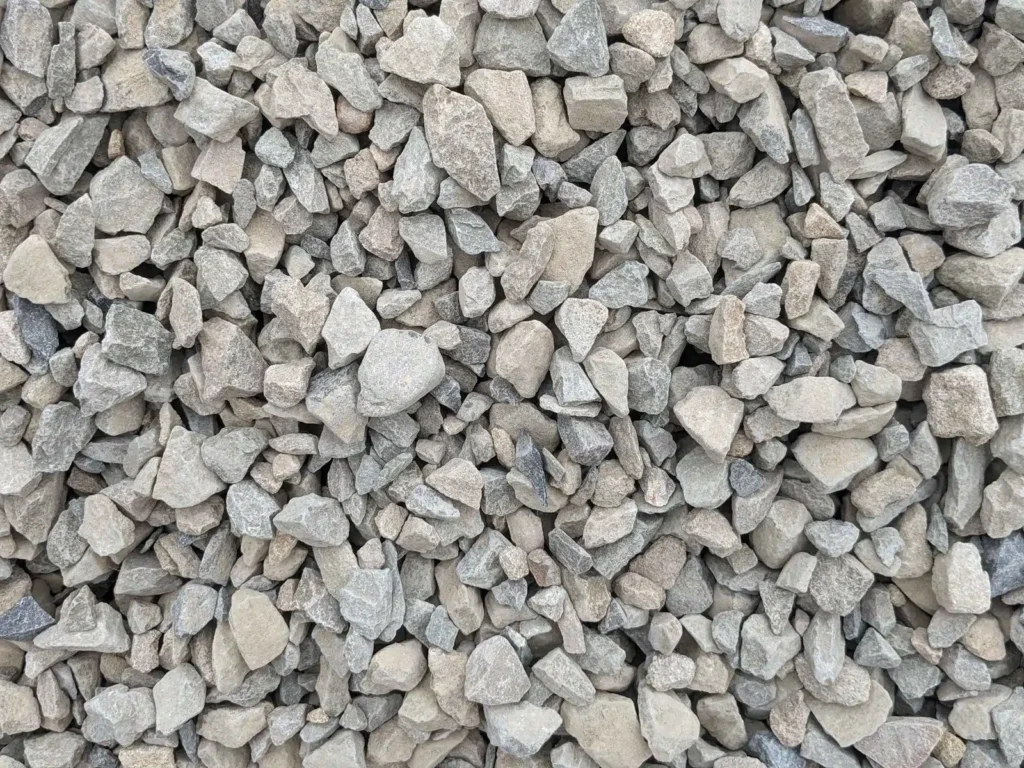
From $44.17/ton- Size0 - 1/4″
- Density2800 lb/yd³
- ColorGray
 From $44.17/ton
- Size0 - 1/4″
- Density2800 lb/yd³
- ColorGray
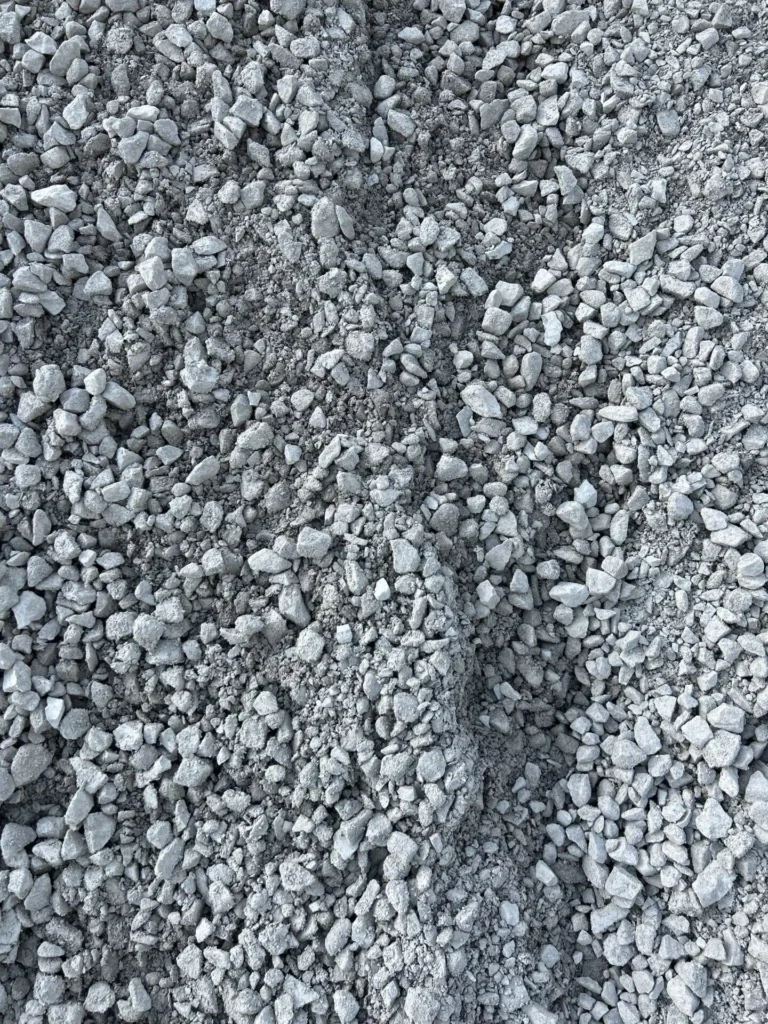 From $41.27/ton
- SizeDense-graded, varies
- Density2900 lb/yd³
- ColorGray
Other calculators
CALCULATORRoad Base CalculatorFor driveway base courses and rural road repair - Class 5 base estimator.Open calculator → CALCULATORPaver Base CalculatorEstimate the paver base + sand bedding for a patio, walkway, or pool deck install.Open calculator →
 CALCULATORMulch CalculatorFree Mulch Calculator - enter your area in square feet and depth in inches and get instant tons, cubic yards, and an estimated material cost.Open calculator →
 CALCULATORFire Pit Gravel CalculatorDecorative gravel around a fire pit. River rock is heat-stable; pea gravel can spall - use this calc to plan.Open calculator →
Related guides
GUIDEWhat Are Screenings? A Guide to Crushed Stone FinesScreenings are fine crushed stone used for paver bases, joint fill and walkways. See what screenings are, common types, and mistakes to avoid.Read guide → GUIDEHow to Lay a Gravel Driveway: Step-by-Step GuidePractical, field-tested guide: how to lay gravel driveway. Pulled from real US installer notes and 2026 supplier price data.Read guide →GUIDEDoes Gravel Stop Weeds? Honest Answer + What WorksPractical, field-tested guide: does gravel stop weeds. Pulled from real US installer notes and 2026 supplier price data.Read guide →GUIDEHow Much Gravel Do I Need? Quick Sizing GuidePractical, field-tested guide: how much gravel do i need. Pulled from real US installer notes and 2026 supplier price data.Read guide →
Frequently Asked Questions
How much does a cubic yard of stone dust weigh?
A cubic yard of stone dust weighs about 2,800 lbs, which works out to roughly 103.7 lb per cubic foot. That is denser than mulch or topsoil because stone dust is made of crushed stone fines packed with very little air space. The calculator uses this weight to convert your volume in cubic yards into the tons you order.
How many tons equal one cubic yard of stone dust?
One cubic yard of stone dust equals about 1.4 tons. That figure comes from dividing the material's weight, roughly 2,800 lbs per cubic yard, by 2,000 lbs per ton. If you already have a volume in cubic yards from a plan or another source, multiply it by 1.4 to convert that figure into tons for ordering.
What depth should I enter for a stone dust project?
Depth depends on how the material is being used. A thin leveling layer runs close to 1 inch deep, while a structural base layer commonly runs 2 to 4 inches deep. Measure the actual depth you plan to place, enter it in inches, and the calculator handles the conversion to cubic yards and tons for you.
Is stone dust sold by the ton or by the cubic yard?
Stone dust sells by the ton, not the cubic yard. Order and delivery pricing are quoted in tons, so the calculator converts your length, width and depth measurements into cubic yards first, then into tons using the material's density. That final tons figure is what you use when placing an order.
How much extra stone dust should I order for waste?
Order a bit more than the calculator's exact figure. Ground is rarely perfectly level, some material is lost to spillage and handling, and stone dust settles once it is compacted. Rounding your tons figure up, instead of ordering the bare minimum, helps you avoid running short partway through the job.
Does this calculator work for other stone or gravel products?
This calculator is built around the density of Stone Dust (Screenings) product page for material details, or use the site's yards to tons converter for other products.