Road Base Delivery in Berkeley, CA
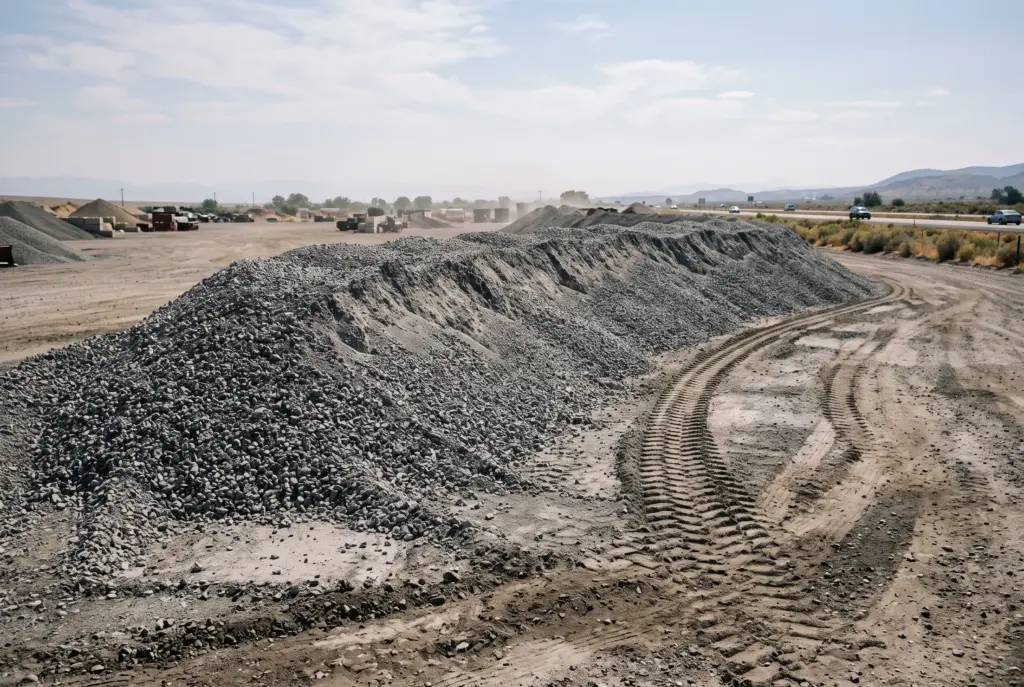
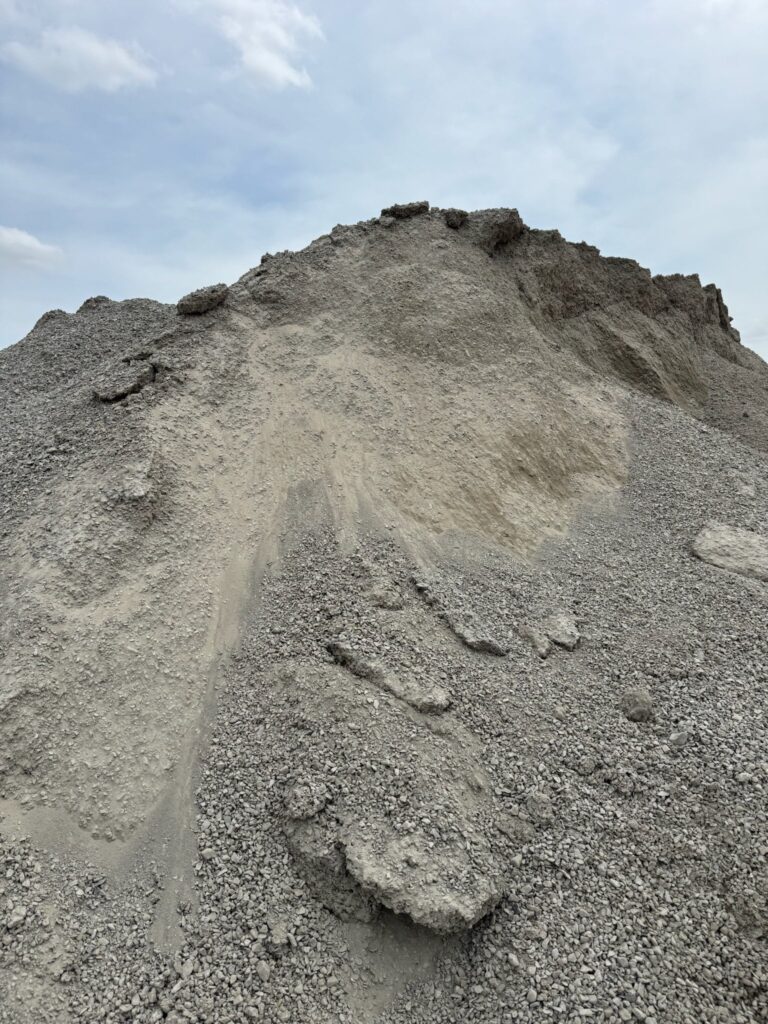
Bulk road base delivered in Berkeley, CA. Stone size varies. Gray color.
Road Base in Berkeley
Berkeley's hilly terrain and clay-heavy soils create both advantages and challenges for construction and landscaping. Road base delivered to your Berkeley site gives you a compactible, well-graded material that works with local soil conditions rather than fighting them. The material binds tightly when compacted, ideal for the driveways and pads common in the area's residential neighborhoods and light commercial zones. Within the San Francisco-Oakland-Berkeley metro, projects from Oakland to San Francisco to Concord often specify road base for this same stability and cost-effectiveness. Berkeley's established neighborhoods with mature homes frequently need driveway replacement or repair, and road base provides the proven foundation that prevents costly future cracking.
Best Uses in Berkeley
Driveways are the most common application in Berkeley. Road base compacts into a solid sub-base that supports asphalt or concrete overlays without settling over time. Construction contractors use it for temporary access roads on sites throughout the Bay Area, and landscapers order it for French drains and other applications where drainage and stability matter equally. If you're building a parking area, foundation pad, or equipment mounting surface, road base gives you the firm, level platform that prevents expensive settling later. Local builders appreciate that road base material performs consistently across Berkeley's varied topography. New construction and renovation projects both rely on road base for durability that lasts through decades of Bay Area weather patterns.
Delivery and Lead Times
In Berkeley, road base ships by the ton. Orders of 3 tons arrive in 1 to 2 business days, 8-ton orders can often be delivered same or next day, and 15 tons or more qualify for free delivery. Your delivery window comes with your quote so you can plan site prep ahead of time. Berkeley is minutes from the delivery hub, which means faster turnaround than you'd get ordering from distant suppliers. Typical loads are 18 to 24 tons per truck, so if you need more than one truck, coordinate with your contractor for efficient staging. Most Berkeley projects get their material within 48 hours of order confirmation.
How Much You Need
Measure your driveway or construction area in length and width, then decide on a compacted depth. Most driveways need 4 to 6 inches of road base before asphalt or concrete goes down. A 20-foot by 40-foot driveway at 4 inches deep requires about 10 tons of material. Use the calculator to find how many tons of road base Berkeley requires for your project. The calculator defaults to loose material, but road base typically compacts down by roughly 20 percent once in place and properly tamped. If you're uncertain, order a bit extra; leftover material can be spread across the site or saved for future repairs.
Pricing Notes
In Berkeley, road base is sold by the ton. Small orders of 3 tons run higher per ton because of fixed delivery costs. As your order grows to 8 or 15 tons, the per-ton rate drops significantly because delivery fees shrink relative to the load size. At 15 tons or more, you hit the bulk rate and free delivery, making large orders your best value. Prices come back with the ZIP code you enter so you see exactly what delivery will cost to your location. Berkeley customers often find that ordering 15 tons for larger projects yields better economics than multiple smaller deliveries.
Ordering
Start with the material calculator to estimate how many tons you need, then call or use the online form to place your order. Confirm that your site has clear access for an 18 to 24-ton truck and that you have room to stage the material. Delivery in Berkeley is straightforward once the site is ready. After delivery, use a compactor, roller, or heavy hand tamper to settle the road base layer by layer. For best results, dampen the material slightly as you compact to help it bind together. Once you have a solid, level base in place, you can pour concrete, lay asphalt, or build whatever comes next on top. Many Berkeley contractors handle the compaction themselves for smaller projects, while larger jobs often bring in professional equipment.
Road Base Beyond Berkeley
Road Base in California shares the same reliable specifications wherever you order it. Whether you're in the Bay Area or elsewhere in the state, road base material brings the same performance: proper grain size, compactibility, and the fines that help it bind under load.
About Road Base
Road base is a foundational gravel mix of crushed stone, clay, and fines that binds together under compaction. This material creates a stable sub-base layer for driveways, parking areas, roads, and construction sites. The mixture settles firmly when compacted, providing the solid foundation that other layers depend on. Quality road base material compacts to nearly concrete-like hardness, preventing the settling and cracking that plague thin or poorly prepared base layers. You'll find road base used wherever durability and proper load distribution matter: contractor access roads, equipment pads, temporary roads at job sites, and the base layer for any surface that bears regular traffic.
What Road Base costs in Berkeley
Local Berkeley yards quote road base by the ton; the delivered number includes fuel, the truck, and the haul. Send your ZIP and load size and we will send back a same-hour quote with the truck rate and the per-ton figure spelled out. A ton of this material spreads across about 76 sq ft when laid 3 inches deep, useful when you are sizing a patio base or a walkway run.
How crews use Road Base in Berkeley
In and around Berkeley, road base shows up most often on two project types. Most Berkeley loads land in the 4 to 8 ton range, with full trucks on the books for larger pads and drives.
Delivery day in Berkeley
A typical Berkeley drop is dispatched from the closest yard with a two hour window and a heads-up call once the truck is loaded. Tandem trucks want a 12 ft lane in and out; tri-axles need 14 ft, and both want firm ground at the tipping spot so the load releases cleanly. Standard lead time on this lane is 24-48h, with same-day windows held open for orders that hit the desk before 11 AM and clear payment.
Related materials we deliver in Berkeley
 Price by ZIP
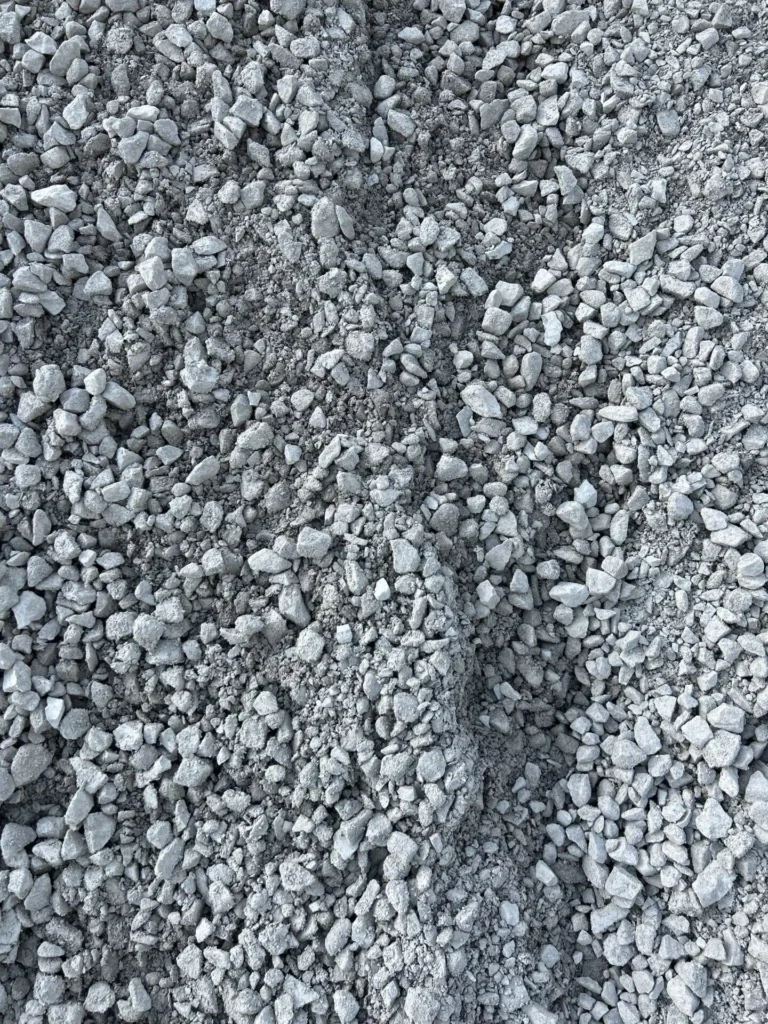
- SizeDense-graded, varies
- Density2900 lb/yd³
- ColorGray
 Price by ZIP
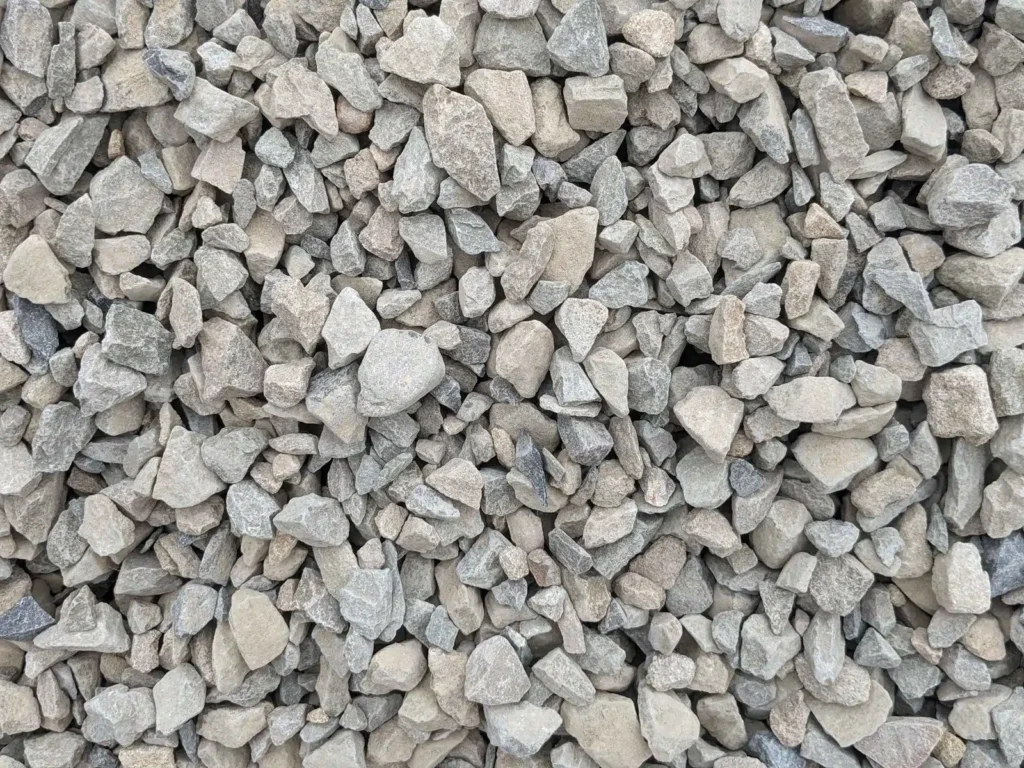
- Size0 - 1/4″
- Density2800 lb/yd³
- ColorGray
 Price by ZIP
- Size0 - 1/4″
- Density2800 lb/yd³
- ColorGray
Estimate how much you need
Calculate Your Project
Estimate only. Add 10-15% for compaction and waste.
Browse more
Common uses for Road Base in Berkeley
Available in nearby cities
Plan your project
Related guides
 GUIDEWhat to Put Under River Rock for Landscaping BedsHere is what to put under river rock landscaping: a compacted base where needed, then landscape fabric, then rock, to stop weeds and settling.Read guide →GUIDEHow to Clean River Rock and Restore Its ColorLearn how to clean river rock landscaping with rinsing, soap and vinegar methods, plus common mistakes to avoid for a brighter, longer lasting rock bed.Read guide →
 GUIDEHow to Lay a Gravel Driveway: Step-by-Step GuidePractical, field-tested guide: how to lay gravel driveway. Pulled from real US installer notes and 2026 supplier price data.Read guide →GUIDEDoes Gravel Stop Weeds? Honest Answer + What WorksPractical, field-tested guide: does gravel stop weeds. Pulled from real US installer notes and 2026 supplier price data.Read guide →
Frequently Asked Questions
How is road base different from crushed gravel?
Road base is a specific blend of crushed stone, clay, and fines designed to compact tightly and form a stable base. Crushed gravel alone doesn't bind as effectively and won't provide the same foundation performance. Road base is engineered for compactibility and load-bearing; crushed gravel is typically used for drainage or decorative purposes.
Can I use road base as a finished surface?
Road base is a sub-base material and works best under another layer. It compacts into a firm, level platform but will shift under traffic if exposed. Always place asphalt, concrete, pavers, or another wear layer on top. This protects the road base and gives you a surface that handles foot and vehicle traffic.
How often do I need to add more road base?
A properly compacted road base layer lasts for years. Once you compact it firmly, it won't need additional material unless the area experiences flooding, improper drainage, or unusually heavy use without a protective top layer. If you maintain the surface above it and ensure proper drainage, you'll rarely need to add more.
Do you deliver to residential addresses in Berkeley?
Yes. We deliver road base throughout Berkeley and the surrounding Bay Area. Confirm your address when you order so we can check for site access and plan the delivery window. Residential driveways and small construction sites are routine for us.
What's the best way to compact road base?
For Berkeley projects, use a plate compactor, vibratory roller, or hand tamper depending on your area size. Compact in layers about 3 to 4 inches thick. Light dampening helps the material bind. Most contractors achieve good compaction with a few passes over each layer. Proper compaction is key to the material's performance.
Is road base stable on a slope?
Road base compacts firmly on level ground and gentle slopes but may shift on steep grades, especially with heavy traffic or poor drainage. For slopes, you may want a steeper angle or a retaining structure. Let your contractor advise on site-specific challenges.
How long does delivery take to my site?
Orders of 3 tons deliver in 1 to 2 business days. Orders of 8 tons often go same or next day. At 15 tons or more for Berkeley delivery, you get free shipping. Exact timing depends on current load scheduling, but we prioritize quick turnaround for the Bay Area.
Can I order in smaller quantities than 3 tons?
Our standard minimum is 3 tons. If your project needs less, consider ordering 3 tons and using any extra for future repairs or nearby areas. Smaller quantities are rarely cost-effective because delivery charges apply regardless of load size.