Drainage Gravel Delivery to Garden Grove, California
Material picks, pricing, and pro tips for drainage gravel projects in Garden Grove, CA.
How drainage gravel protects Garden Grove homes
Garden Grove's suburban setting includes many mature neighborhoods where foundation drainage can be decades old or nonexistent. Modern drainage gravel systems prevent the water damage that threatens concrete, landscaping and property values. Whether you're upgrading an aging system or installing fresh drainage around a new patio, the right gravel material makes the difference. Most Garden Grove builders and homeowners use drainage gravel as the first line of defense against water intrusion.
Choosing the material and size
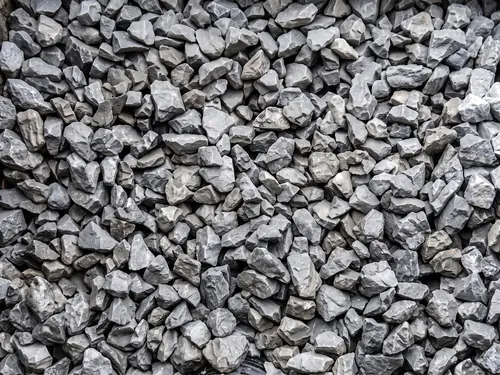
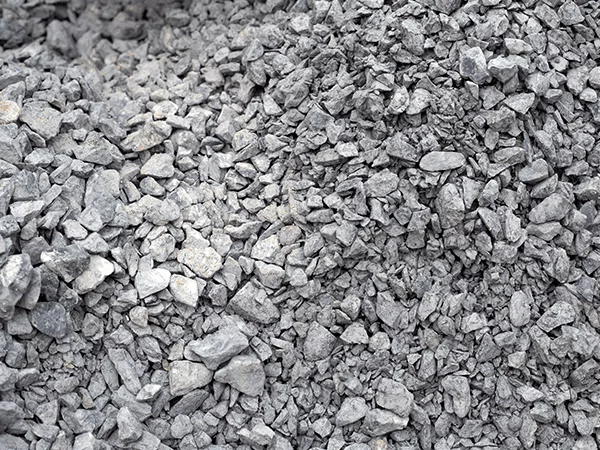
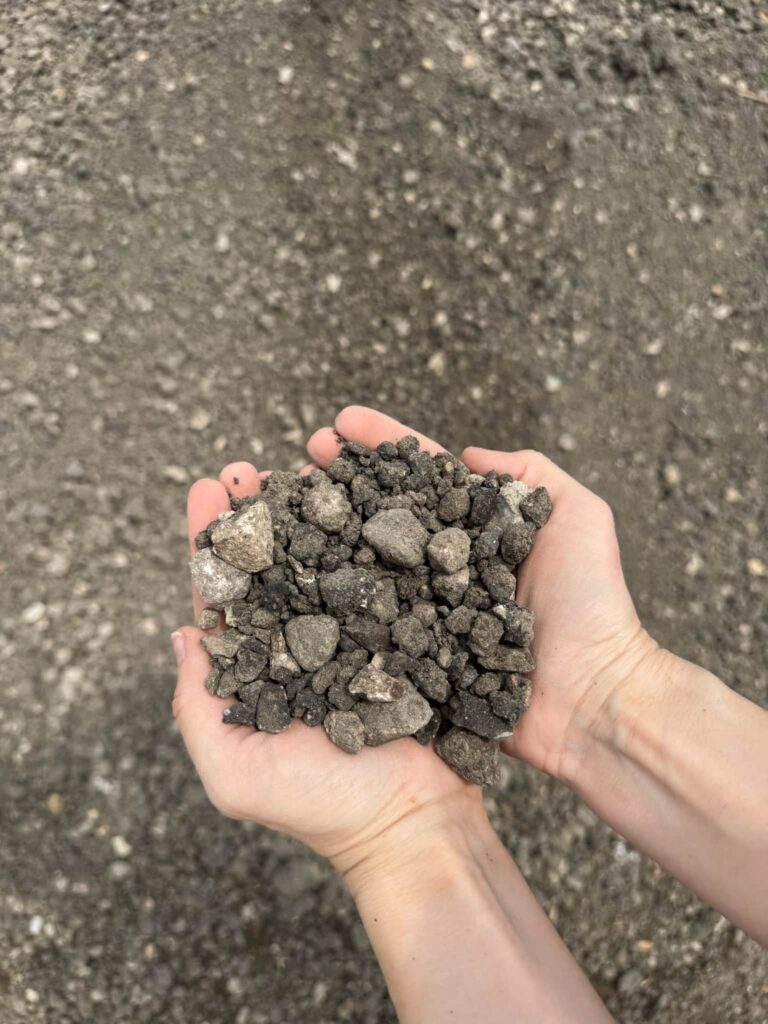
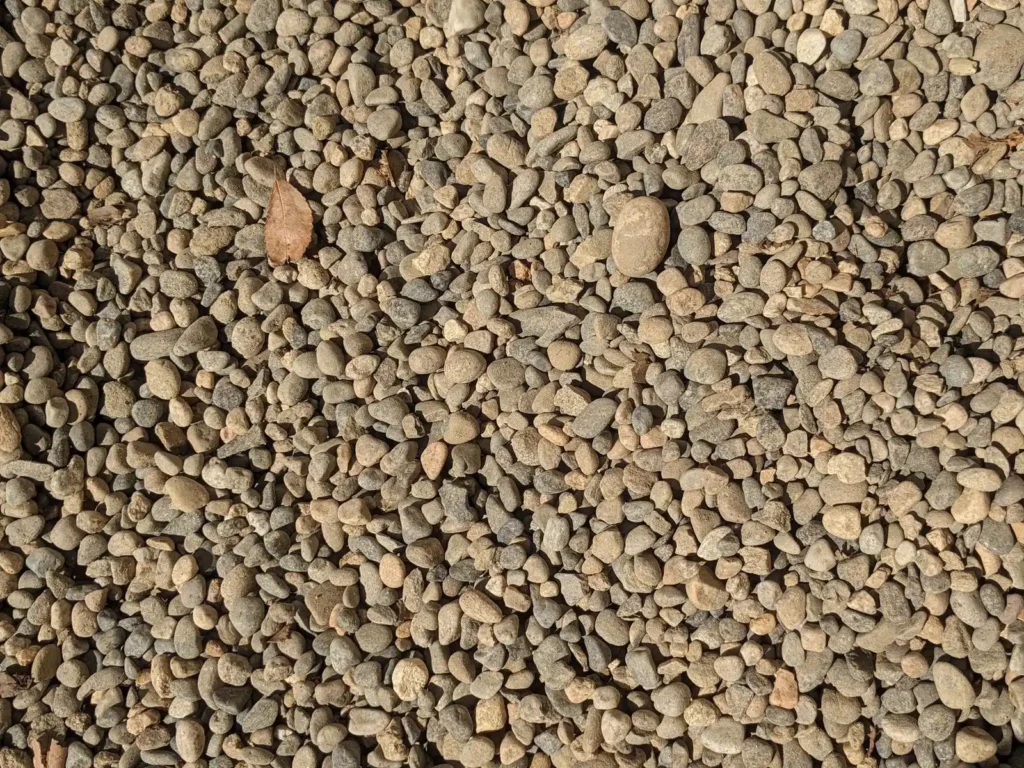
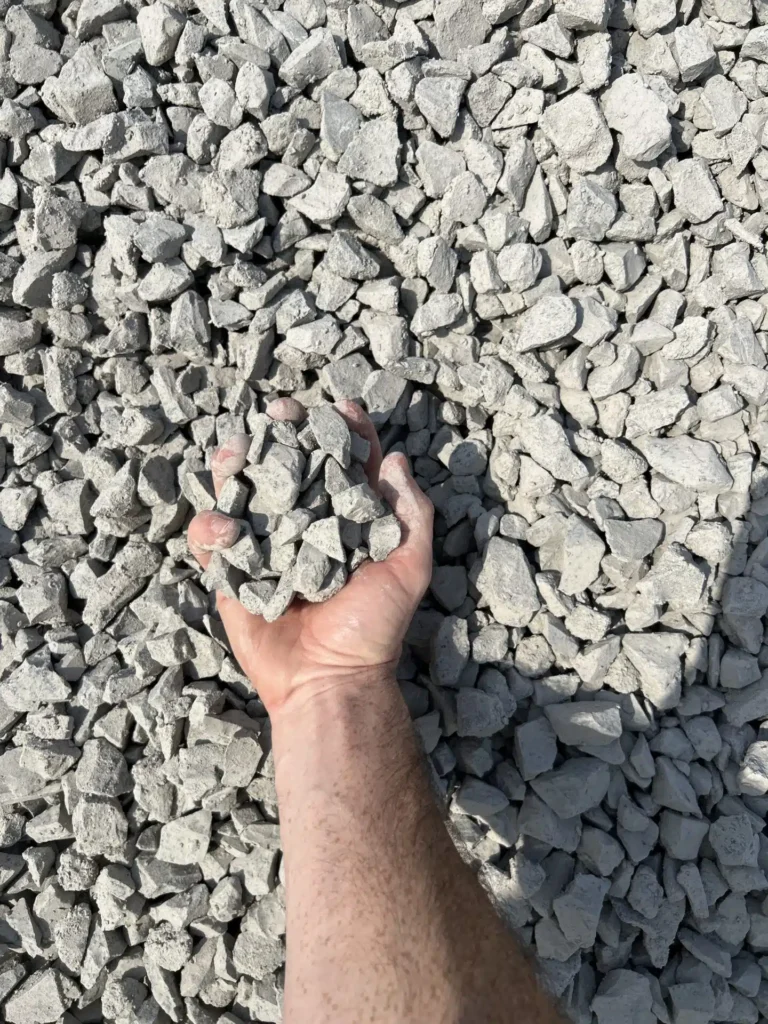
Performance and appearance determine which material suits your drainage project. #57 Crushed Stone provides maximum water permeability due to its angular shape and consistent 0.75-inch diameter. This makes it the choice for foundation drains and subsurface work where speed of drainage is critical. River Rock delivers excellent drainage with a naturally polished finish, ideal for landscape borders and any trench that remains visible.
Buried drainage systems under foundations or patios rely on #57 Crushed Stone for its proven performance and cost-effectiveness. Visible trenches and decorative applications benefit from River Rock, which complements both contemporary and traditional landscape designs. Either material integrates with standard landscape fabric and preparation techniques.
Depth, base and how much to order
Most drainage installations use 4 to 6 inches of gravel over a fabric base to achieve reliable water movement. Calculate your material requirements by measuring trench dimensions in feet and depth in inches, then use the calculator to determine tonnage. The formula is straightforward: length times width times depth in inches divided by 324 equals cubic yards. Convert cubic yards to tons using the material density factor.
Garden Grove properties vary from compact urban lots to larger residential sites, affecting project scope. A typical foundation drain of 50 feet length, 12 inches width and 18 inches depth requires approximately 3 to 5 tons. For extensive yard-wide grading or multiple problem zones, 8 to 15 tons provides better per-ton pricing and often includes free or reduced-cost delivery.
Local conditions that affect the build
Garden Grove's position in central Orange County means relatively consistent soil types and manageable drainage challenges compared to coastal or foothill areas. Most properties sit on stable ground with predictable water behavior during seasonal rains. Your main consideration is ensuring adequate slope so that water flows toward intended exit points rather than pooling in low areas.
Winter rainfall in the region can be intense but brief, so design your system with sufficient capacity to handle hourly precipitation rates. The area's warm summers pose no thermal stress on gravel materials. Check local municipal codes for storm drain connections and easement requirements before finalizing trench layout, especially in established neighborhoods with underground utilities.
Delivery and getting started
We deliver drainage gravel throughout Garden Grove and all of Orange County. Orders of 8 tons or more arrive same-day or next-business-day, with 1-2 business days for smaller quantities. Reserve a 20-foot access corridor for the delivery truck and stage material near your work site. Most homeowners manage spreading and light compaction with hand tools, though local contractors are available if you prefer to outsource the labor.
About Drainage Gravel projects
Drainage gravel is a foundational landscape material that directs water away from buildings and property structures. It channels surface and subsurface water through permeable trenches or borders using uniformly-sized stone or river rock, protecting foundations, patios and planted areas from water damage.
Recommended materials for
 Price by ZIP
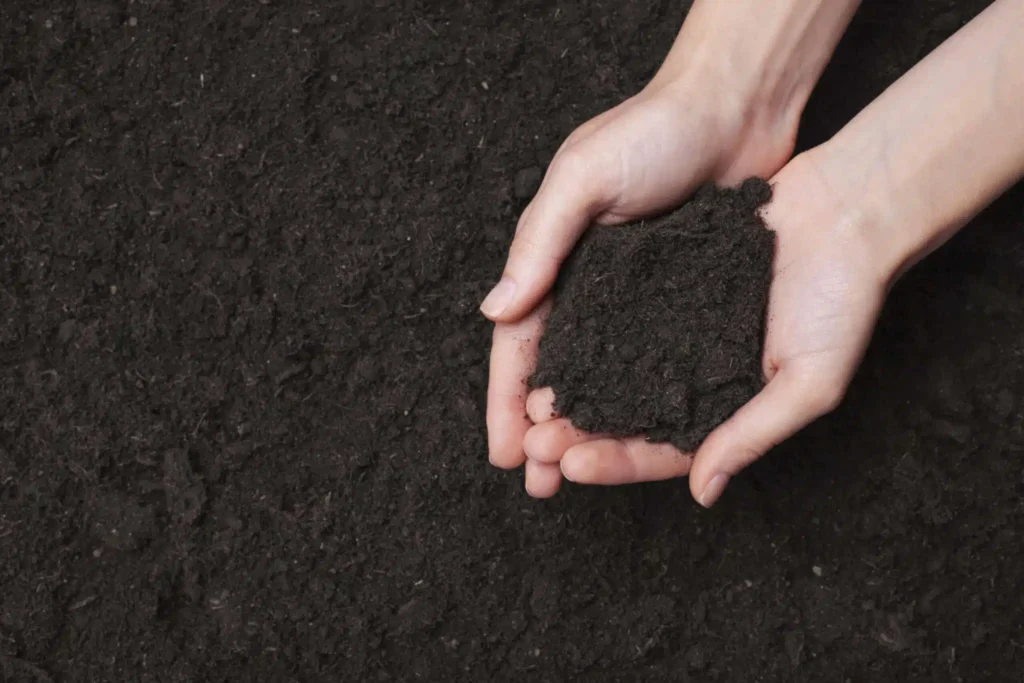
- SizeScreened, no size grade
- Density2200 lb/yd³
- ColorDark brown
 Price by ZIP
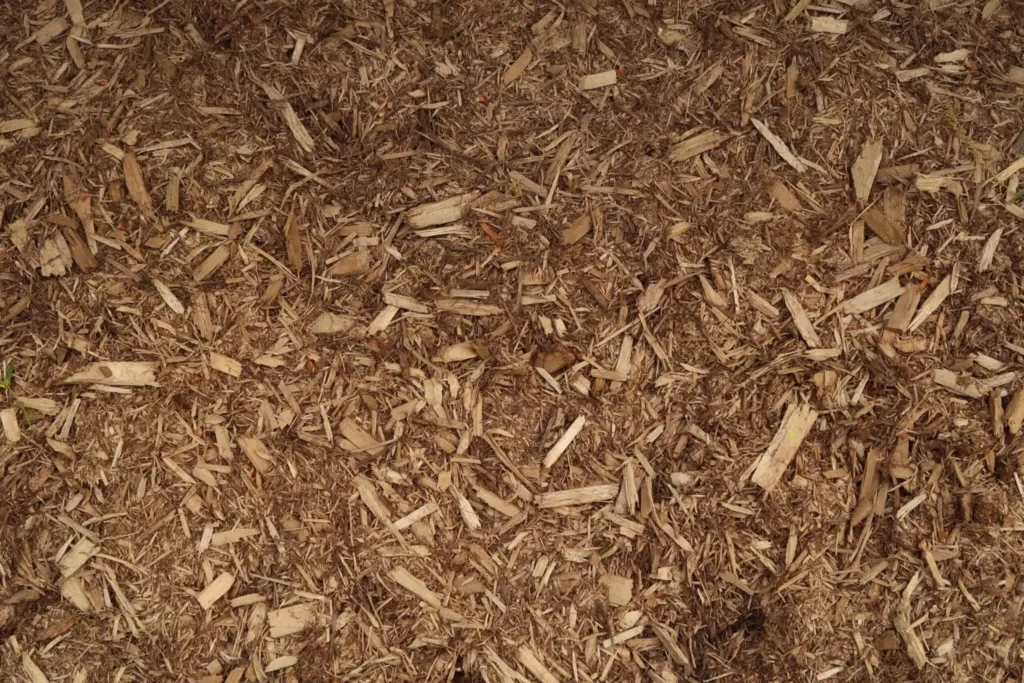
- Density800 lb/yd³
- ColorBrown, black, red
 Price by ZIP
- SizeDense-graded, varies
- Density2500 lb/yd³
- ColorGray / white
 Price by ZIP
- SizeDense-graded, varies
- Density2400 lb/yd³
- ColorBlack
How a drainage gravel project goes
- Survey the property and locate water problemsWalk your Garden Grove property after recent rain to identify areas where water pools, erodes or flows uncontrollably. Measure distances from existing structures and landscape features. Check gutters and grading to understand water sources. Sketch a simple map showing problem zones and planned drainage routes. Note the elevation difference from high to low points.
- Choose material and calculate quantity neededDecide between #57 Crushed Stone for subsurface work or River Rock for visible drainage features. Measure the trench length, width and depth in feet and inches. Enter these dimensions into the drainage calculator, which converts to tons needed. Plan for 4 to 6 inch gravel depth over landscape fabric. Add 10 percent to your calculated tonnage as a contingency buffer.
- Prepare the site and lay landscape fabricExcavate the drainage trench to uniform depth and create a gentle slope toward the water exit point. Clear the base of rocks, roots and debris. Compact the soil with a hand tamper to prevent settling. Unroll landscape fabric across and up the sides of the trench. Overlap fabric seams by 12 inches and secure with landscape staples or soil weight at the top edges.
- Install gravel in layers and tamp each oneLoad drainage material into the trench in 3-inch lifts, spreading each layer evenly with a shovel. Tamp gently between layers to reduce future settling and maintain consistent gravel density. Continue adding layers until you reach the finished height of 4 to 6 inches above the fabric level. Ensure the top surface is relatively level across the trench width.
- Test the drainage system and complete the workPour water into the trench with a hose and watch for proper drainage and water movement through the gravel. Water should disappear steadily without pooling on top. Make any needed adjustments to gravel depth or slope. Top-dress visible areas with additional River Rock or install landscape edging for containment. Monitor performance during the next rainfall and make minor adjustments if needed.
Estimate your material
Calculate Your Project
Estimate only. Add 10-15% for compaction and waste.
Drainage gravel in Garden Grove's climate
In Garden Grove, the local climate shapes which drainage gravel materials hold up over a full year. Long dry spells with brief heavy rain. Erosion control on slopes is more critical than freeze resistance. For drainage gravel work specifically, that means choosing material that handles local moisture and traffic loads without re-dressing every season.
The small market profile of Garden Grove also shapes how a project runs. Most jobs are residential, with the occasional school or municipal project. Truck access is usually wide and turnarounds run fast.
Where we deliver drainage gravel material in Garden Grove
Our delivery footprint around Garden Grove covers the core city plus a typical 35-mile radius. Recent drainage gravel drops have included:
- central historic streets in and around Garden Grove
- cul-de-sac neighborhoods in and around Garden Grove
- small farms on the city edge in and around Garden Grove
- retail centers with parking expansions in and around Garden Grove
If your address is outside that radius, send your ZIP through the contact form and we will confirm coverage within an hour.
Pricing for drainage gravel in Garden Grove
Here is what the recommended drainage gravel materials are running in Garden Grove right now. Full-truck orders (16 tons or more) typically save 15 to 20 percent off these per-ton rates.
| Material | Price from |
|---|---|
| Topsoil Delivery in Garden Grove, CA | Quote on request |
| Mulch Delivery to Garden Grove CA | Quote on request |
| Crushed Concrete Delivery in Garden Grove | Quote on request |
| Asphalt Millings Delivery Garden Grove | Quote on request |
Browse more
Recommended materials in Garden Grove
Same project in nearby cities
Tools to plan your project
Related guides
 GUIDEHow Much Does Gravel Cost? A Practical Pricing GuideHow much does gravel cost and why does it vary? See the real factors behind ton pricing, delivery, and order size before you buy.Read guide →
 GUIDEGravel Size Chart: Pea Gravel to Crushed StoneA gravel size chart showing pea gravel, crushed stone and river rock diameters side by side, so you can match the right size to your project.Read guide →
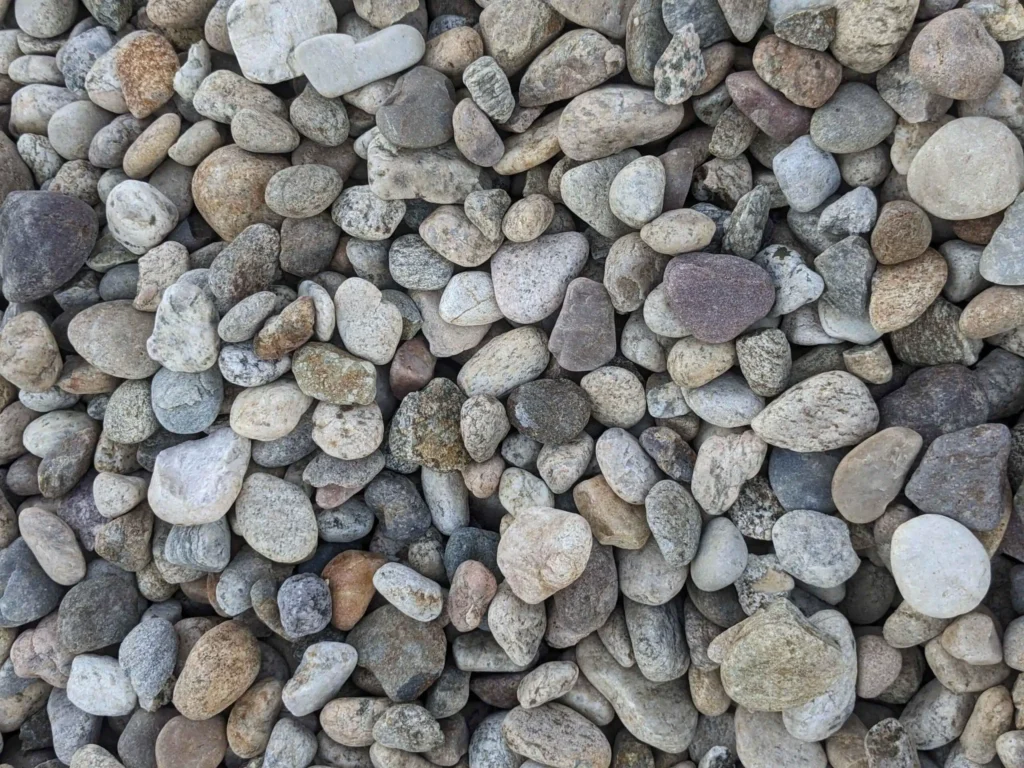 GUIDEThe Different Types of Gravel and How to ChooseA plain-language guide to the main types of gravel, covering pea gravel, crushed stone, river rock and decomposed granite.Read guide →
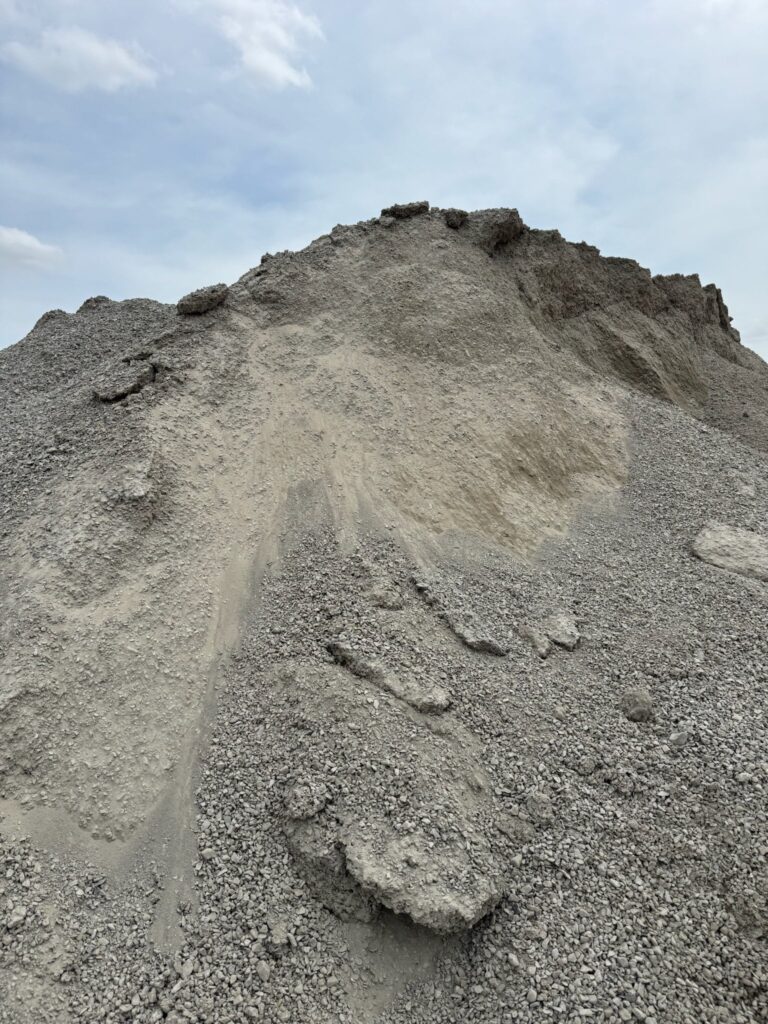 GUIDEWhat Are Screenings? A Guide to Crushed Stone FinesScreenings are fine crushed stone used for paver bases, joint fill and walkways. See what screenings are, common types, and mistakes to avoid.Read guide →
Frequently Asked Questions
What is the difference between drainage gravel and decorative gravel?
Drainage materials are engineered for water movement, using angular particles and specific gradations. Decorative stones prioritize appearance and may settle or restrict water flow over time. Garden Grove properties benefit from proper drainage-grade material that handles moisture effectively.
Can I use drainage gravel in a decorative border?
Yes. River Rock combines aesthetics with functional water management, perfect for visible Garden Grove landscape features. #57 Crushed Stone offers an industrial look that suits contemporary architecture. Both materials provide drainage performance while enhancing your property's appearance.
How much area does one ton of drainage gravel cover?
Expect coverage of 50 to 70 square feet at 4 inches depth, or 33 to 47 square feet at 6 inches. Exact coverage depends on density and compaction. Enter your specific Garden Grove measurements into the drainage calculator for precise tonnage.
Do I need landscape fabric under drainage gravel?
Absolutely essential. Fabric prevents soil particles and vegetation from migrating into the gravel, keeping your drainage system clear and functional. Install non-woven fabric beneath gravel, extending it up the trench sides with seams overlapped by one foot.
What slope does a drainage trench need?
A 0.5 percent minimum slope translates to 6 inches of elevation change per 100 feet. Garden Grove's generally flat terrain makes achieving this slope important. Use a laser level or transit to verify slope during installation for reliable long-term performance.
How long does drainage gravel last?
Properly built systems last 20 to 30 years. The gravel remains stable, but landscape fabric breaks down and sediment accumulates. Regular inspection and periodic cleaning maintain system performance over its lifespan.
Can I install drainage gravel myself?
Yes. DIY installation works for most Garden Grove homeowners with basic tools: shovel, tamper, level and rake. Spread material in 3-inch layers, compact each layer, and repeat. Most residential projects take a weekend to complete.
What happens if my drainage gravel saturates?
Persistent pooling on top of gravel indicates slope, depth or fabric issues. After rain, water should drain downward within hours. If pooling continues, inspect grading, check for sediment clogging, or look for tears in the landscape fabric.