
Drainage Gravel for Fullerton, CA Properties
Material picks, pricing, and pro tips for drainage gravel projects in Fullerton, CA.
What drainage gravel does for Fullerton properties
Fullerton's location in the heart of Orange County brings moderate rainfall concentrated in winter months, making drainage a critical concern for homeowners and builders. Standing water around foundations damages concrete and promotes mold, while poor landscape drainage leads to erosion and plant loss. Drainage gravel provides a proven way to redirect water and protect your property. Most projects combine gravel with landscape fabric and proper grading to create a complete system.
Choosing the material and size
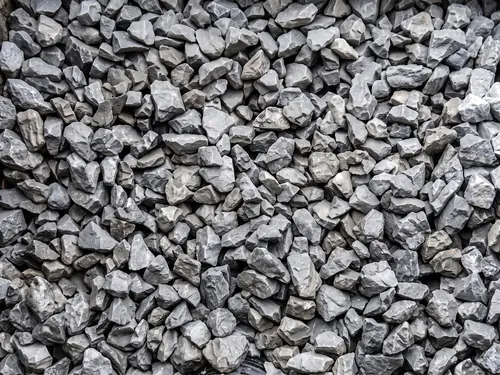
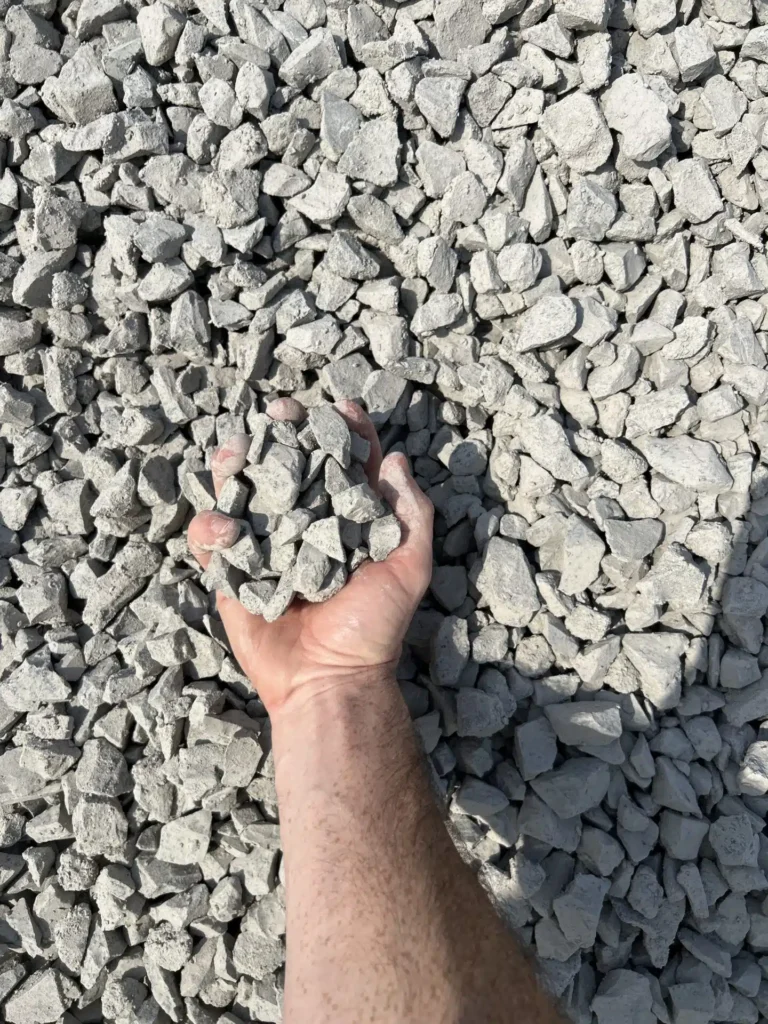
The best material for your drainage project depends on whether the gravel will be visible or buried. #57 Crushed Stone offers rapid water permeability with its angular fragments, making it ideal for beneath-ground applications and sub-base work. River Rock combines excellent drainage with a polished appearance, suitable for visible trenches and decorative landscape features.
In Fullerton, subsurface drainage around foundations typically uses #57 Crushed Stone because performance is the priority. Ornamental borders and visible trenches benefit from River Rock, which photographs better and harmonizes with modern landscape designs. Both materials integrate easily with standard landscape fabric and base preparation practices.
Depth, base and how much to order
Plan for a 4 to 6 inch depth of gravel over a landscape fabric base in most applications. To calculate tonnage, measure your trench length and width in feet, depth in inches, then use the calculator. The conversion is length times width times depth divided by 324, which gives you cubic yards. Since materials sell by the ton, apply the appropriate density factor for your product choice.
A typical Fullerton residential drainage project covering a 45-foot perimeter foundation with 12-inch depth and 12-inch width needs 2 to 3 tons of material. Larger jobs that include yard-wide grading might reach 5 to 8 tons. At 15 tons, you receive free delivery and the lowest per-ton price, making it worth bundling multiple projects if you have extensive drainage work planned.
Local conditions that affect the build
Fullerton sits on the gentle slope between the Santa Ana River and coastal plains, which means many properties have natural drainage that you should preserve and enhance. Soil composition varies from sandy to clay-rich depending on exact location, affecting how quickly gravel beds saturate. A simple percolation test on your specific property guides depth selection.
Winter storms arrive suddenly in the Los Angeles region and can saturate soil within hours. Design your drainage system with extra capacity if your property is in a flood-prone area or has a high water table. Summer heat poses minimal stress on gravel systems, but wind can shift decorative River Rock, so edge it securely if appearance matters long-term.
Delivery and getting started
We deliver drainage materials throughout Fullerton and neighboring communities. Orders of 8 tons or more arrive same-day or next-business-day, with 1-2 business days for smaller loads. Provide 20 feet of clear truck access and stage material near the work area. Most homeowners and contractors handle spreading and compaction using standard landscape tools or light equipment rental.
About Drainage Gravel projects
Drainage gravel is a landscape material engineered to improve water management around properties. It channels surface and subsurface water away from foundations, patios and structures through permeable trenches or borders, protecting property and soil stability.
Recommended materials for
 Price by ZIP
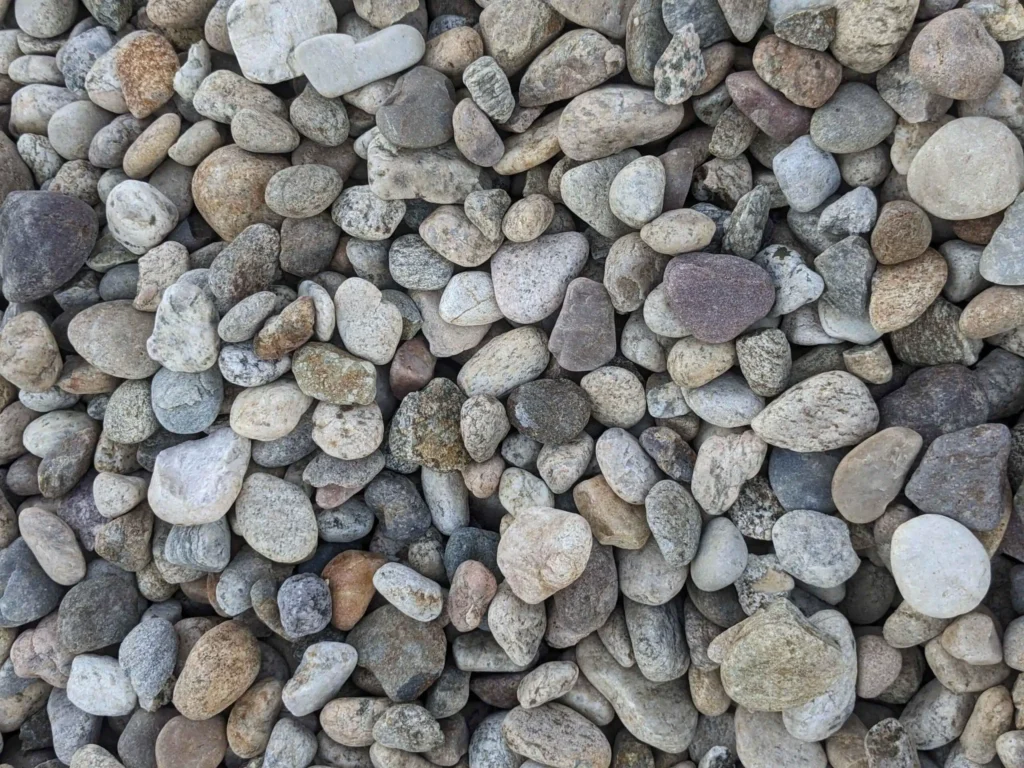
- Size1 - 3″
- Density2700 lb/yd³
- ColorMixed natural
 Price by ZIP
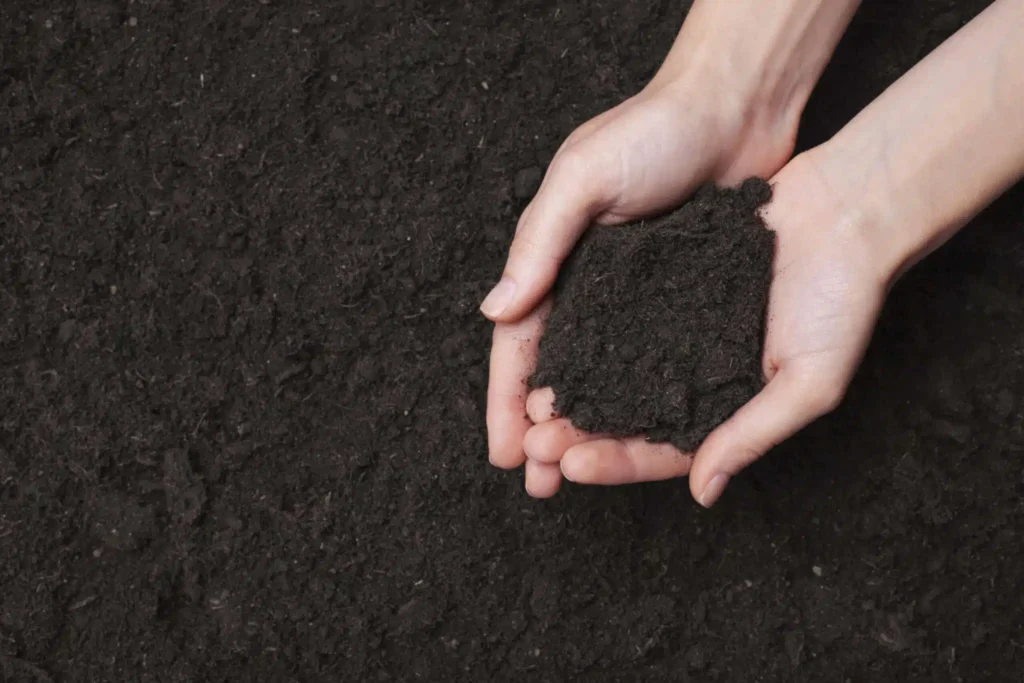
- SizeScreened, no size grade
- Density2200 lb/yd³
- ColorDark brown
 Price by ZIP
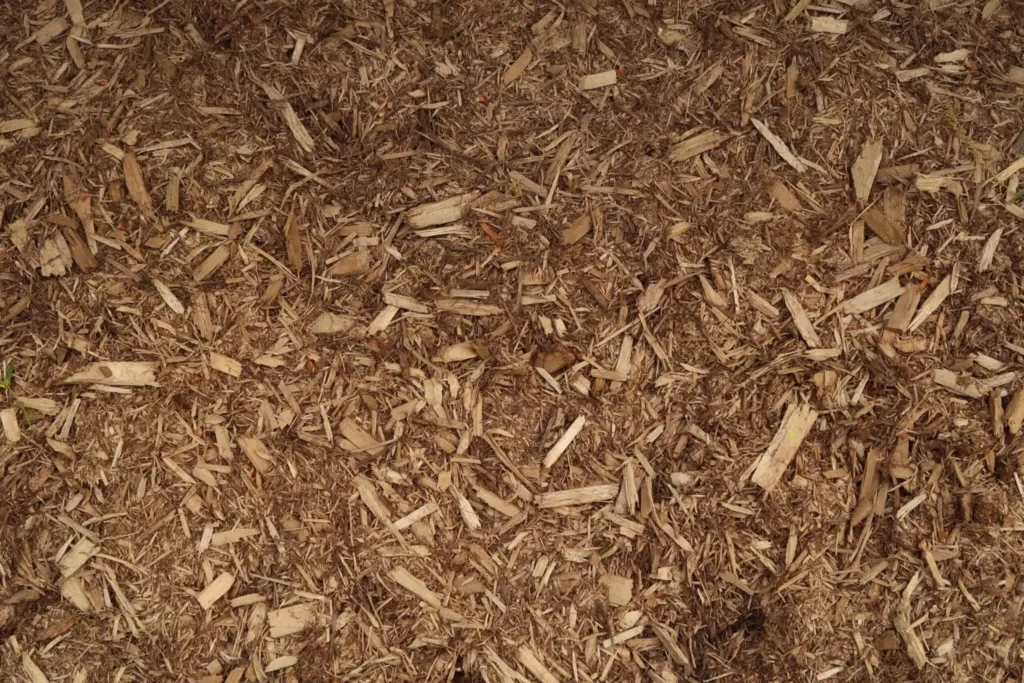
- Density800 lb/yd³
- ColorBrown, black, red
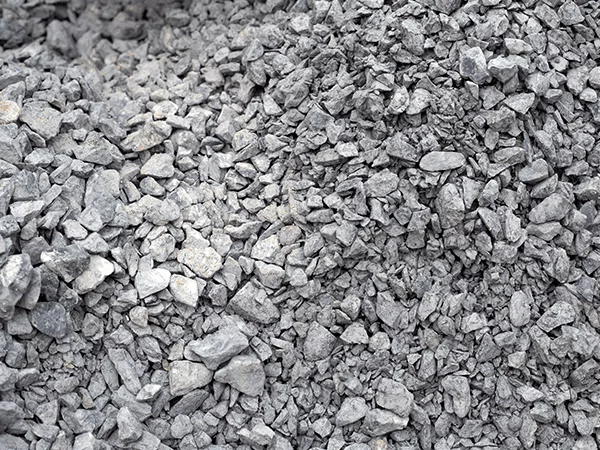 Price by ZIP
- SizeDense-graded, varies
- Density2500 lb/yd³
- ColorGray / white
How a drainage gravel project goes
- Identify drainage problem zonesInspect your property during or after rainfall to spot standing water, erosion and wet areas. Check around foundations, downspout discharge areas and low spots in the yard. Measure the length and width of problem zones and note elevation changes. Document the height of water pooling to gauge the severity and scope of your drainage need.
- Select material type and order amountChoose #57 Crushed Stone for hidden drainage work or River Rock for visible landscape features. Measure trench dimensions and input them into the drainage calculator along with desired depth. The calculator converts to tons automatically. Order material accounting for 4 to 6 inch installation depth plus 10 percent contingency for settling or waste.
- Prepare the trench baseExcavate the drainage area to uniform depth and slope the bottom gradually toward your water exit point. Remove stones, roots and debris from the prepared surface. Compact the base soil with a hand tamper for stability. Unroll landscape fabric across the trench and extend it up the sides, overlapping seams by a full foot and securing with staples.
- Spread material in lifts and tampPour gravel material into the trench in 3-inch increments rather than dumping everything at once. Rake each layer level and apply light compaction with a hand tamper to prevent future settling and maintain consistent gravel density. Continue adding layers until you reach finished height of 4 to 6 inches above the fabric. Final surface should be level across the width.
- Test and finalize drainage functionRun water from a hose into the trench and observe flow and drainage. Water should move steadily through the gravel without pooling on top. Make minor grade adjustments if needed. Top-dress visible areas with River Rock or landscape edging to contain gravel. Clean up work debris and monitor performance after the next rainfall.
Estimate your material
Calculate Your Project
Estimate only. Add 10-15% for compaction and waste.
Drainage gravel in Fullerton's climate
In Fullerton, the local climate shapes which drainage gravel materials hold up over a full year. Long dry spells with brief heavy rain. Erosion control on slopes is more critical than freeze resistance. For drainage gravel work specifically, that means choosing material that handles local moisture and traffic loads without re-dressing every season.
The small market profile of Fullerton also shapes how a project runs. Most jobs are residential, with the occasional school or municipal project. Truck access is usually wide and turnarounds run fast.
Where we deliver drainage gravel material in Fullerton
Our delivery footprint around Fullerton covers the core city plus a typical 35-mile radius. Recent drainage gravel drops have included:
- central historic streets in and around Fullerton
- cul-de-sac neighborhoods in and around Fullerton
- small farms on the city edge in and around Fullerton
- retail centers with parking expansions in and around Fullerton
If your address is outside that radius, send your ZIP through the contact form and we will confirm coverage within an hour.
Pricing for drainage gravel in Fullerton
Here is what the recommended drainage gravel materials are running in Fullerton right now. Full-truck orders (16 tons or more) typically save 15 to 20 percent off these per-ton rates.
| Material | Price from |
|---|---|
| River Rock Delivery: Fullerton, CA Landscaping | Quote on request |
| Topsoil Delivery in Fullerton, CA | Quote on request |
| Mulch Delivery in Fullerton CA | Quote on request |
| Crushed Concrete Delivery in Fullerton | Quote on request |
Browse more
Recommended materials in Fullerton
Same project in nearby cities
Tools to plan your project
Related guides
 GUIDEHow Deep Should a Gravel Driveway Be? Layer GuidePractical, field-tested guide: how deep should gravel driveway be. Pulled from real US installer notes and 2026 supplier price data.Read guide →GUIDEHow Much Does River Rock Cost? By Ton or YardRiver rock cost depends on your ZIP code, order size, and whether you buy by the ton or the cubic yard. Here is how pricing works.Read guide →
 GUIDEWhat Size Crushed Stone Goes Under a Concrete SlabMost slabs need 4 to 6 inches of compacted crushed stone underneath. What size crushed stone under a concrete slab needs, and why it matters.Read guide →GUIDEWhat Is Crushed Stone? Sizes, Uses and Buying BasicsCrushed stone is quarried rock crushed and screened into angular pieces sold by the ton. Here is what it is, how it is graded, and where to use it.Read guide →
Frequently Asked Questions
What is the difference between drainage gravel and decorative gravel?
Drainage-specific products feature engineered sizing and angular shapes for rapid water movement and stability. Decorative materials emphasize visual appeal at the expense of drainage performance. For Fullerton properties, selecting the right product type ensures your system handles winter storms without overflow or saturation.
Can I use drainage gravel in a decorative border?
Definitely. River Rock adds visual polish to landscape borders while draining water efficiently. #57 Crushed Stone works well in contemporary designs. Both materials perform dual duty in Fullerton yards, managing water and creating attractive landscape features.
How much area does one ton of drainage gravel cover?
One ton covers approximately 50 to 70 square feet at 4 inches depth, or 33 to 47 square feet at 6 inches depth. These figures assume typical compaction. The drainage calculator for Fullerton projects handles unit conversions and density factors, delivering exact tonnage recommendations.
Do I need landscape fabric under drainage gravel?
Yes. Fabric separates soil from gravel and prevents fines migration that clogs the system. Install it across the trench base and up the sides, overlapping seams by a full foot. This simple step dramatically extends your drainage system's useful life in Fullerton's winter rain environment.
What slope does a drainage trench need?
The standard 0.5 percent slope means 6 inches of drop per 100 feet of length. Fullerton's varied terrain may allow steeper slopes in some areas, improving drainage speed. Layout the trench to maximize natural slope, improving reliability during intense winter storms.
How long does drainage gravel last?
Well-designed systems function for 20 to 30 years. Gravel itself remains stable indefinitely, but landscape fabric degrades over time and sediment accumulates. Periodic inspection and sediment removal during heavy rain seasons maintain system performance.
Can I install drainage gravel myself?
Absolutely. DIY installation is within reach for most Fullerton homeowners using basic landscape tools. Spread material in 3-inch layers, compact each one, then add the next. Most residential projects complete over a weekend.
What happens if my drainage gravel saturates?
Water resting on top of gravel indicates slope problems, insufficient depth, or sediment accumulation. After heavy Fullerton rains, the system should drain within hours. If pooling persists, check slope accuracy, inspect for fabric damage, or clear sediment from the surface.