

Concrete Sand Delivery in Minneapolis, MN
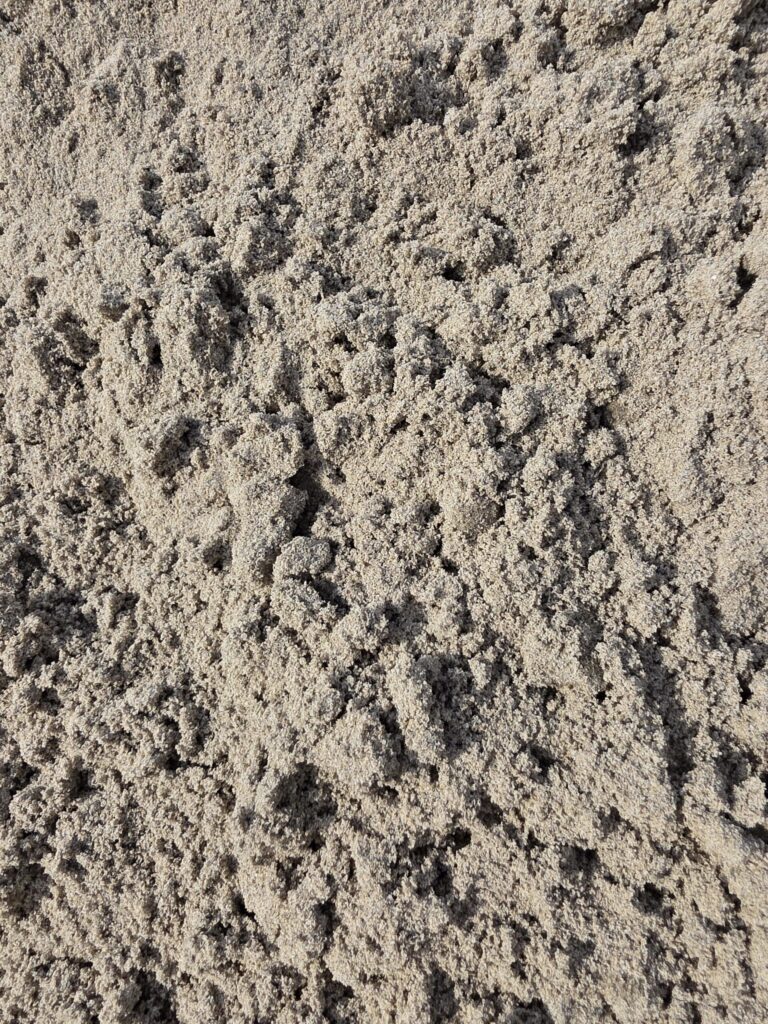
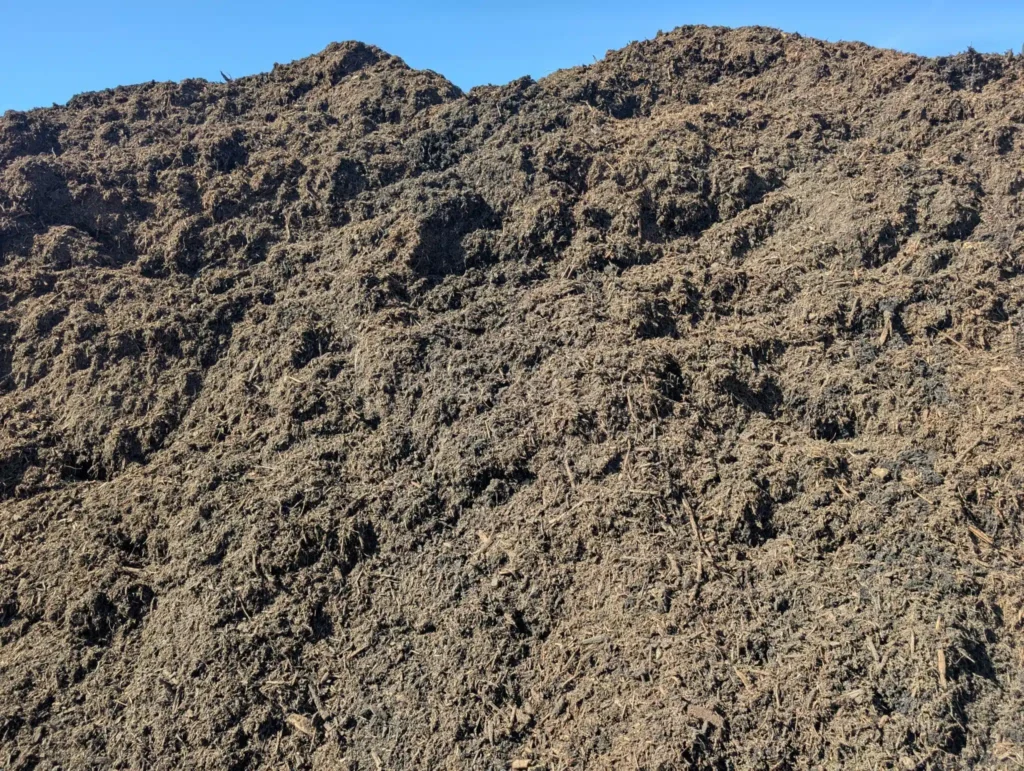
Bulk concrete sand delivered in Minneapolis, MN. Stone size 0 - 3/8. Tan / gray color.
Concrete Sand for Minneapolis Projects
In a city that pours concrete on a tight calendar between thaw and freeze, the sand you mix matters. MyGravelBuddy delivers washed concrete sand throughout Minneapolis, a coarse, angular aggregate that sits in the zero to 3/8 inch range and carries the tan to gray color crews here recognize on sight. It is the workhorse fine aggregate for structural concrete, but Minneapolis contractors lean on it for far more than slabs. Paver patios in Linden Hills, pipe bedding in Northeast trenches, and masonry repointing on century-old brick all run through this same pile.
Concrete sand is screened and washed so the fines and clay are gone, leaving clean grains that interlock and drain. That gradation is what gives a concrete mix its strength and what lets a paver base sit flat without pumping. When local crews want a finer grain for mortar or smooth joint filling they reach for Mason Sand, but for the structural backbone of a pour, concrete sand is the standard call across the Twin Cities.
Why Minneapolis Crews Use Concrete Sand
The Minneapolis building season is short and the ground does not forgive shortcuts. Freeze-thaw cycles in the Minneapolis-St. Paul-Bloomington metro lift and crack anything that drains poorly, so a clean, sharp sand under your slab or pavers is not a luxury, it is insurance. Here is where the material earns its keep:
- Concrete mixing: the fine aggregate in footings, driveways, and garage slabs that have to survive a Minnesota winter.
- Paver bedding: a one inch screeded setting layer under patios and walkways, often over a compacted Paver Base.
- Pipe bedding: a stable, free-draining cradle for sewer and water lines in trench work across the city.
- Masonry work: blending into site-mixed concrete and grout for foundation and block repairs.
For non-structural backfill and raising low grade, crews often pair their concrete sand order with cheaper Fill Sand, keeping the washed material for the work that actually needs it.
Local Delivery and Lead Times in Minneapolis
We run bulk loads into Minneapolis and the close-in suburbs daily. Saint Paul sits just nine miles away and ships on the same routes, so jobs straddling the river get the same quick turnaround. Smaller deliveries of one to five tons land within one to two business days. Orders of six tons or more usually arrive same day or next day, which is what most patio and driveway jobs need once the crew is staged. Sixteen tons and up ships free anywhere in our Minneapolis delivery zone.
Plan your delivery around the season. From late November through March, frozen and snow-packed driveways make tandem and tri-axle drops trickier, so clear a firm staging spot and flag it. In spring, when frost finally leaves the ground and the whole metro starts digging at once, lead times stretch, so book a few days ahead. Long-haul stock can be staged from as far as Milwaukee, roughly 298 miles out, or Chicago at 355 miles, but the bulk of our concrete sand moves on short Twin Cities runs.
How Much Concrete Sand You Need
Concrete sand is sold by the ton and weighs about 2,700 pounds per cubic yard, so one ton covers roughly 0.74 cubic yards. For bedding and base layers, a cubic yard spreads about 100 square feet at one inch deep. A 400 square foot paver patio set on a one inch sand bed needs roughly 1.25 tons. Pad that to 1.5 tons to cover screeding waste and a slightly uneven subgrade.
For a concrete pour, sand is part of the mix rather than a standalone layer. A typical 3,000 psi recipe runs close to a ton of concrete sand per cubic yard of finished concrete alongside your stone and cement. A two car driveway, about four inches thick over 600 square feet, works out near 7.5 cubic yards of concrete, putting you in the six-ton-plus delivery tier where freight drops sharply.
Minneapolis Pricing
Concrete sand in Minneapolis starts. We price in three tiers so the rate falls as the load grows:
- 1 ton minimum: with a $286 delivery fee, arriving in 1-2 business days.
- 6 ton minimum: with a reduced $154 delivery fee, same or next day.
- 16 ton minimum: with free delivery.
The delivery fee is where small orders get expensive, so if your project sits near a tier line it almost always pays to round up. Jumping from one ton to a six-ton load cuts the per-ton rate and nearly halves the freight. At sixteen tons the delivery is free, which is why driveway pours and larger patio jobs in Minneapolis usually land in the top tier.
Placement and Installation Tips
For paver bedding, screed concrete sand to a consistent one inch over compacted base, never thicker, or the pavers will rut under traffic. Do not compact the bedding sand before laying pavers, only after, once the joints are filled. For concrete, keep the sand dry and covered if it sits on site, since saturated sand throws off your water-cement ratio and weakens the pour. In trench work, bring the bedding up evenly around the pipe and hand-tamp so you do not leave voids that settle later.
Stage your pile on plywood or a tarp if you can. Minneapolis lots are tight and the city is strict about sand washing into storm drains, so keeping the material contained protects both your yield and your neighbors.
Choosing the Right Sand for the Job
Plenty of Minneapolis homeowners and even some newer crews order the wrong sand and pay for it later. The fix is matching the material to the task before the truck rolls. Concrete sand is the strong, draining, structural choice. Mason Sand is the fine, smooth choice for mortar and tuckpointing. Fill Sand is the cheap bulk choice for backfill and grade. A quick way to decide:
- Mixing concrete or setting pavers? Order concrete sand, the coarse grain that builds strength and drains.
- Laying brick, block, or repointing old Minneapolis masonry? Order Mason Sand for clean, workable mortar joints.
- Filling a low spot, backfilling a foundation, or raising grade? Order Fill Sand and save the washed material for working layers.
- Building a patio or driveway base? Compact a Paver Base first, then bed with concrete sand on top.
Getting this right the first time saves a return delivery fee, which on a small order is the most expensive line on the ticket. If you are unsure, give us the project details and we will spec the load for you before it leaves the yard.
Ordering and What to Have Ready
Before your concrete sand arrives in Minneapolis, confirm a few things so the drop goes clean. Know your access: tandem and tri-axle trucks need room to back in and dump, and a tight alley or a low tree line can force a smaller load and a higher per-ton rate. Mark the exact spot you want the pile, ideally close to the work but clear of the sidewalk and the street, since dumping into the public right of way can draw a citation in the city. Have your tarp and plywood staged before the truck shows up, not after. And confirm your quantity against the coverage math above, because a second small delivery to top off a short order costs far more than ordering a little long the first time. With those squared away, most Minneapolis deliveries are in and out in minutes.
Seasonal Notes for Minnesota
Minnesota concrete work lives and dies by temperature. Cold-weather pours after October need accelerators, blankets, or heated enclosures, and the sand should never go in frozen, so order fresh rather than working an iced-over pile. The prime window for patios, driveways, and pipe work runs May through September, when the ground is workable and cure conditions are forgiving. Order early in that stretch, because demand across the metro peaks just as everyone races to beat the next freeze. Whether you are setting pavers in Minneapolis or running a base in Saint Paul, a clean concrete sand under it all is what makes the work last through the next Minnesota winter.
About Concrete Sand
Concrete sand is a coarse, washed fine aggregate graded from zero to roughly 3/8 inch, with a tan to gray color and sharp, angular grains. It is produced by screening and washing natural sand to strip out silt, clay, and organic fines, leaving clean particles that interlock tightly and drain freely. That gradation is what makes it the standard fine aggregate in structural concrete: the sharp grains lock with the cement paste and coarse stone to build compressive strength.
Beyond the mixer, concrete sand is the go-to setting bed for pavers and flagstone, screeded to a uniform one inch layer that lets units sit flat and shed water. Utility crews use it as pipe bedding, where its free-draining nature cradles sewer and water lines without trapping moisture against the pipe. Masons blend it into site-mixed concrete and grout for block and foundation work.
will not hold water the way unwashed material does, and it compacts to a stable, load-bearing surface without turning greasy. It weighs about 2,700 pounds per cubic yard and is sold by the ton. It is coarser than Mason Sand, which is the finer choice for mortar and smooth joints, and it is cleaner and more uniform than general Fill Sand used for backfill and grade raising. For paver and slab projects, it is often placed over a compacted Paver Base for added stability. Order by the ton and match the load to your project size for the best delivered price.
What Concrete Sand costs in Minneapolis
In the Minneapolis market, concrete sand is sold by the ton and priced at the gate before delivery is added on. Send your ZIP and load size and we will send back a same-hour quote with the truck rate and the per-ton figure spelled out. One ton covers about 80 sq ft at a 3 inch finished depth, so a 400 sq ft driveway pad runs roughly 5 tons.
How crews use Concrete Sand in Minneapolis
Crews working out of Minneapolis tend to call for concrete sand on a few repeat jobs each week. The first is pipe bedding, typically laid in tight urban lots and infill builds with a base lift compacted before the finish course goes on. The second is base course gravel, which lands here in dense neighborhoods where curb access is short and usually ships as a 4 to 8 ton order. With a population around 429,954, Minneapolis pulls a mix of single-truck homeowner orders and contractor full-loads through the season.
Delivery day in Minneapolis
On the day of the drop, the dispatcher pulls the closest yard, batches your ticket with other Minneapolis stops, and sends a window the night before. Tandem-axle dumps need at least 12 ft of clear width and 14 ft overhead to set the bed; tri-axles need 14 ft of clearance on both counts and a level pad to tip safely. Standard lead time on this lane is Mon-Sat, with same-day windows held open for orders that hit the desk before 11 AM and clear payment.
Related materials we deliver in Minneapolis

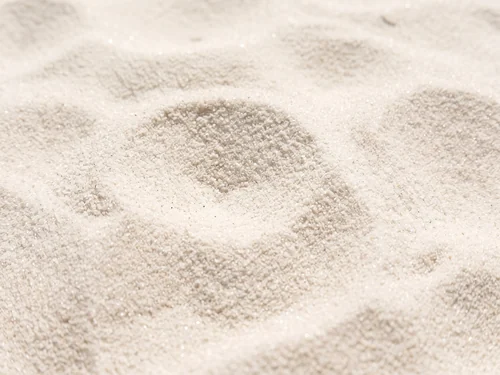
Estimate how much you need
Calculate Your Project
Estimate only. Add 10-15% for compaction and waste.
Browse more
Available in nearby cities
Plan your project
Related guides
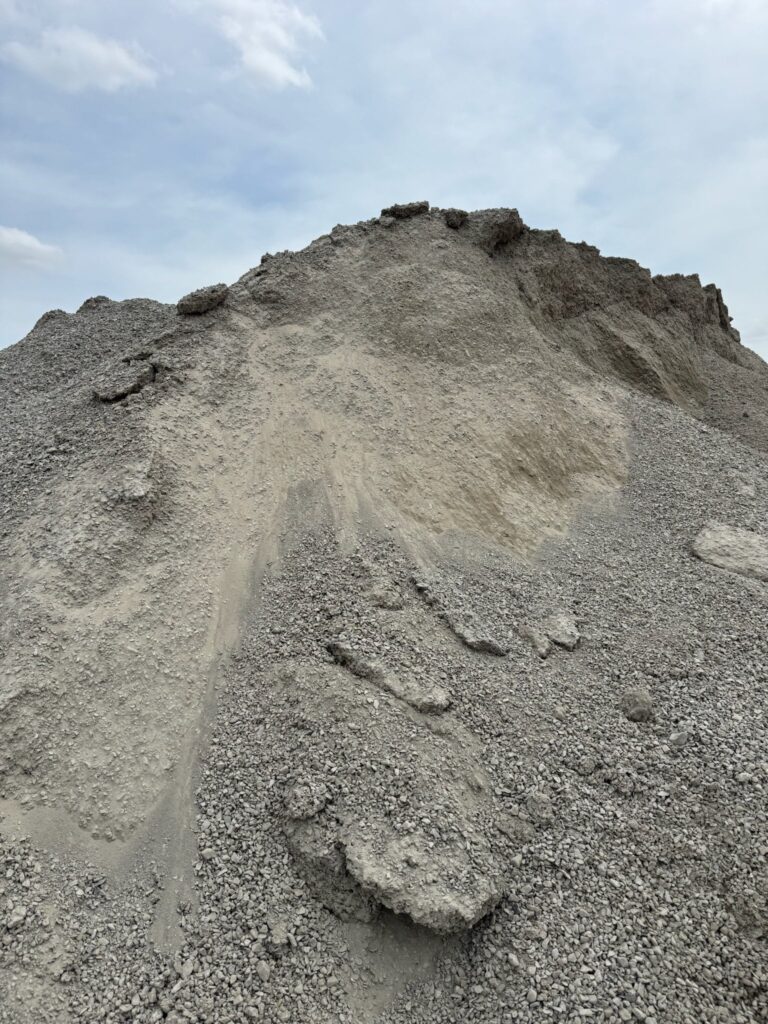 GUIDEWhat Are Screenings? A Guide to Crushed Stone FinesScreenings are fine crushed stone used for paver bases, joint fill and walkways. See what screenings are, common types, and mistakes to avoid.Read guide →
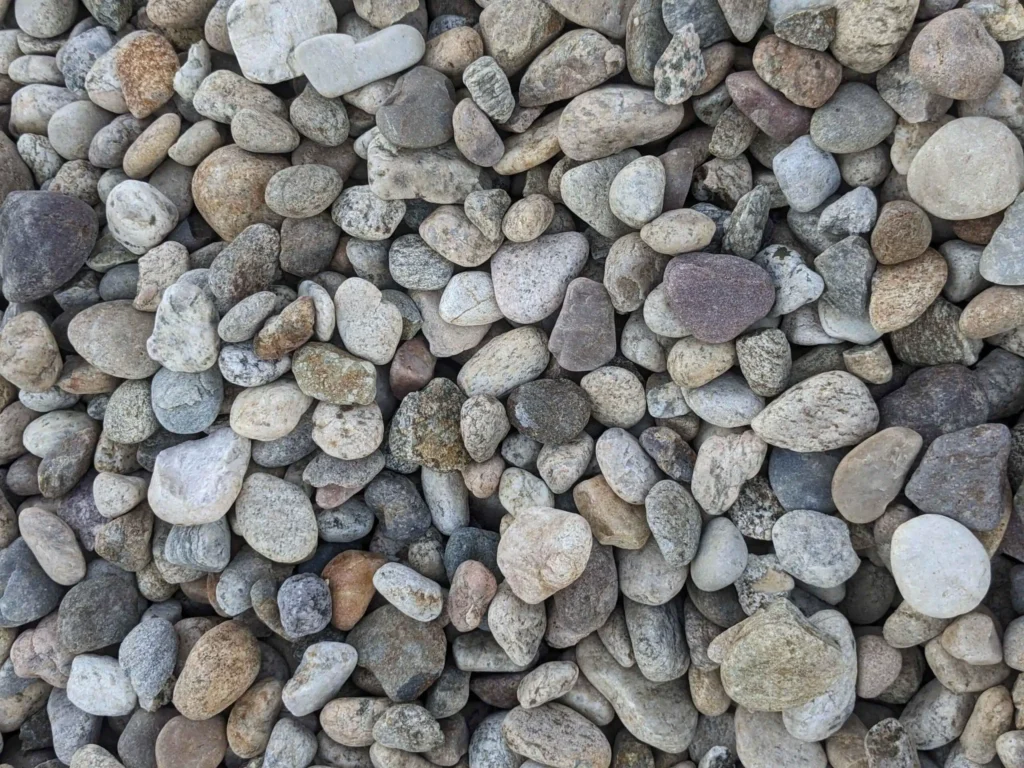 GUIDEWhat to Put Under River Rock for Landscaping BedsHere is what to put under river rock landscaping: a compacted base where needed, then landscape fabric, then rock, to stop weeds and settling.Read guide →GUIDEHow to Clean River Rock and Restore Its ColorLearn how to clean river rock landscaping with rinsing, soap and vinegar methods, plus common mistakes to avoid for a brighter, longer lasting rock bed.Read guide →
 GUIDEHow to Lay a Gravel Driveway: Step-by-Step GuidePractical, field-tested guide: how to lay gravel driveway. Pulled from real US installer notes and 2026 supplier price data.Read guide →
Frequently Asked Questions
What is concrete sand used for in Minneapolis?
It is the fine aggregate in structural concrete for driveways, slabs, and footings, plus paver bedding, pipe bedding, and masonry work. Minneapolis crews favor it because the washed, sharp grains drain well and hold up to freeze-thaw cycles. It is the most common sand request for any job that has to survive a Minnesota winter.
How fast can you deliver concrete sand in Minneapolis?
Small orders of one to five tons arrive within 1-2 business days. Loads of six tons or more usually come same day or next day. We run daily routes through Minneapolis and Saint Paul, which is just nine miles away.
How much concrete sand do I need for a paver patio?
Plan on about one ton per 250 to 300 square feet for a one inch bedding layer. A 400 square foot patio needs roughly 1.25 to 1.5 tons including waste. Concrete sand weighs about 2,700 pounds per cubic yard, so one ton equals about 0.74 yards.
Is concrete sand the same as mason sand?
No. Concrete sand is coarser, with grains up to 3/8 inch, and is used for structural concrete and bedding. Mason Sand for fine finish work.
Can I use concrete sand under pavers in Minnesota?
Yes, it is the standard one inch setting bed for pavers, typically placed over a compacted Paver Base. Screed it level, set your pavers, then compact and fill the joints. In Minnesota the free-draining sand helps prevent frost heave under the patio.
Do you deliver concrete sand to suburbs around Minneapolis?
Yes, our delivery zone covers Minneapolis and the close-in Twin Cities suburbs, including Saint Paul nine miles east. Orders of sixteen tons or more ship free within the zone. Reach out with your address for a delivered quote.
How is concrete sand priced and sold?
It is sold by the ton, not the bag or yard. The per-ton rate drops as the order grows, from $148 at one ton down to $110 at sixteen tons. Because the delivery fee is a flat charge, rounding up to the next tier almost always lowers your total cost.
Can concrete sand be delivered in winter in Minneapolis?
Yes, we deliver year round, but clear a firm, accessible staging spot since snow and frozen ground make drops harder. Do not use frozen sand in a concrete pour. For cold-weather concrete work, order fresh material and use proper cold-weather curing methods.
What is the difference between concrete sand and fill sand?
Concrete sand is washed, clean, and uniformly graded for structural and bedding use. Fill Sand for the working layers.