Concrete Sand Delivery in Louisville, KY
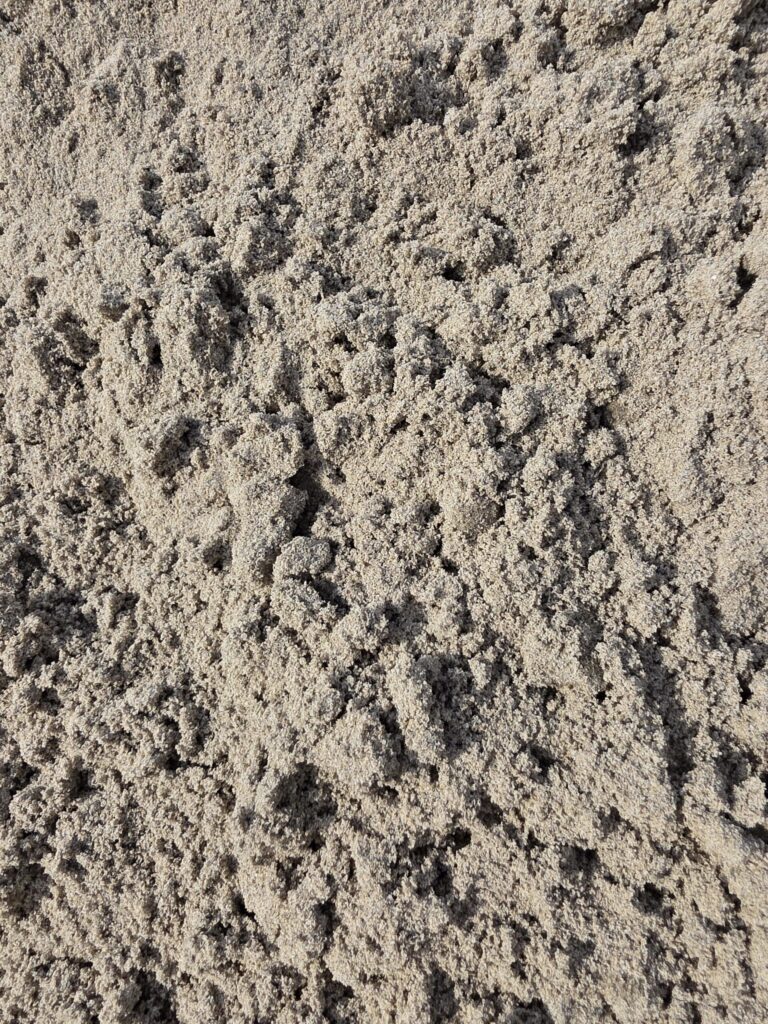
Bulk concrete sand delivered in Louisville, KY. Stone size 0 - 3/8. Tan / gray color.
Concrete Sand in Louisville: Built for the Ohio Valley
Concrete sand is the fine aggregate that does the quiet work in nearly every concrete pour, paver patio, and trench job around Louisville. It is a washed, coarse, well-graded sand screened to a 0 to 3/8 range, tan to gray in color, with sharp angular grains that lock together and give concrete its body. In the Ohio River valley, where humid summers, clay-heavy soils, and a real freeze-thaw winter all test a foundation, that structural grit is exactly what local builders want under a slab or behind a paver.
Louisville sits on broad river-bottom flats, and a lot of the ground here is dense, slow-draining clay. That single fact shapes how concrete sand gets used across Jefferson County. When you set pavers on clay or pour a slab over it, you need a clean, free-draining sand layer to keep water moving and stop the heaving and settling that wrecks flatwork. Whether the job is a driveway repair in the Highlands, a new patio in St. Matthews, or a garage slab out toward Jeffersontown, concrete sand is the consistent fine aggregate that makes the mix behave.
Why Louisville Builders Reach for Concrete Sand
Most concrete sand we deliver around Louisville goes into one of four jobs:
- Concrete mixing. As the fine aggregate, it packs the voids between gravel and cement so a batch cures dense and strong. This is the leading use across the metro.
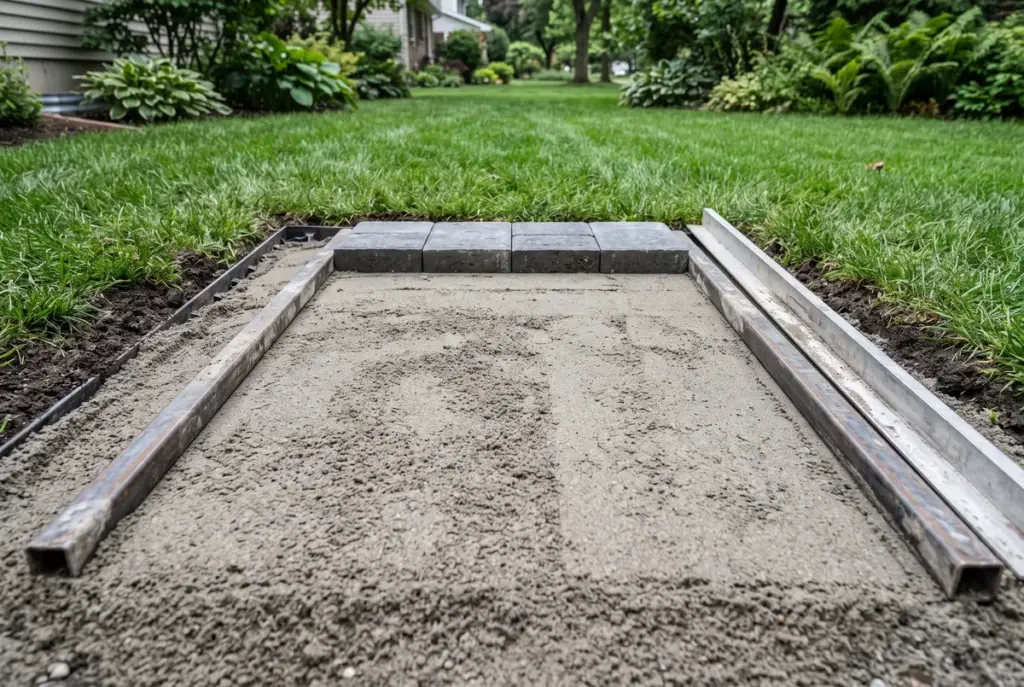
- Paver bedding. A one inch screeded layer gives pavers a firm, draining bed that does not pump or wash out over the area's clay subgrades.
- Pipe and utility bedding. Its angular grains support drain lines, conduit, and water service without the sharp rock that can nick a pipe, and it tamps to a stable trench bottom.
- Masonry work. Block, brick, and stone setting use concrete sand in the mortar bed and as a leveling course.
For tighter, smoother mortar joints, masons often switch to Mason Sand, which is finer and more uniform. When the task is simply raising grade or backfilling a low spot, Fill Sand is the economical pick. And for thicker paver or driveway builds over Louisville clay, crews usually compact a layer of Paver Base first, then place the concrete sand as the thin setting bed on top.
Local Delivery and Lead Times Around Louisville
We run bulk dump deliveries throughout the Louisville-Jefferson County metro, from downtown and the Highlands out to St. Matthews, Jeffersontown, Fern Creek, and across into Southern Indiana. Most orders arrive in 1 to 2 business days. Order at the six ton level or higher and we can usually schedule same or next day delivery, which keeps a booked concrete pour on track.
Tell us about the drop site when you order, especially if there are tight alleys, soft yards after a wet spell, or overhead lines, and we will send the right truck. We also serve the wider region: Frankfort is about 48 miles east, Lexington roughly 70 miles, Bloomington Indiana around 75 miles, plus Owensboro and Covington when projects reach across Kentucky.
How Much Concrete Sand Do You Need?
Concrete sand sells by the ton, and one ton covers about 100 square feet at a 2 inch depth. At roughly 2,700 pounds per cubic yard, a ton is just under three quarters of a yard. Here is a Louisville example: bedding a 500 square foot paver patio in the Highlands at a 1 inch setting depth works out to about 500 divided by 200, so roughly 2.5 tons, which you would round up to 3 to leave a margin.
- A 200 square foot patio at 1 inch bedding: about 1 ton.
- A standard two car driveway base refresh: 3 to 5 tons depending on depth.
- Mixing your own concrete: estimate fine aggregate at roughly 40 to 45 percent of total aggregate volume.
If your number lands between two tiers, round up to the next break. The per ton price falls and you skip paying a second delivery fee.
Louisville Pricing: Real Numbers
Concrete sand starts delivered in Louisville. The three tiers are:
- 1 ton minimum: with a $257 delivery fee, arriving in 1 to 2 business days. Best for small repairs and single batches.
- 6 ton minimum: with a lower $139 delivery fee and same or next day delivery. The practical choice for most patios and driveways.
- 16 ton minimum: with free delivery. The lowest per ton cost, ideal for larger pours, multi-lot projects, or stocking a contractor yard.
Volume pays off here. Moving from the 1 ton tier to the 16 ton tier saves and drops the delivery fee to zero, a meaningful difference on a big Louisville job.
Placement and Installation Tips
For paver bedding, screed the concrete sand evenly over a compacted base and avoid over-compacting the setting layer itself before you lay pavers. For concrete mixing, keep the pile tarped on humid Ohio Valley days so it does not soak up moisture and skew your water to cement ratio. When bedding pipe, place the sand in lifts and tamp lightly so the trench bottom stays level and the line sits straight.
Seasonal Notes for Kentucky
Louisville's seasons swing wide. Hot, humid summers are the busy season for pours and paver projects, so book deliveries a few days ahead from late spring through early fall when demand is highest. Watch the rain, since the clay soils here hold water and a saturated yard can complicate both the dig and the drop. Winters bring real freeze-thaw cycles to Kentucky, which is precisely why a clean, free-draining concrete sand base under your flatwork is worth the effort. It keeps water from pooling and lifting your slab or pavers when temperatures cycle around freezing.
Choosing the Right Sand for the Job
A frequent question from Louisville homeowners and contractors is simply which sand goes where. The answer comes down to grain size and cleanliness. Concrete sand is coarse, angular, and washed, which is what makes it structural and free-draining at the same time, and that is why it is the default fine aggregate for both concrete batching and paver bedding across Jefferson County. Over the area's heavy clay, that drainage is not a nice-to-have, it is the difference between flatwork that lasts and flatwork that heaves.
Here is how the related materials line up for a typical Louisville project. Mason Sand is finer and more uniform, the right pick when you want clean, tight mortar joints on a brick or block wall. Fill Sand is the economical bulk material for raising grade or backfilling a low spot before you build anything structural on top. Paver Base, a crushed and graded rock, is the compacted load-bearing layer you put down first under a thick paver or driveway build, with concrete sand placed as the thin leveling course on top. Getting that layering right is what keeps a Highlands patio flat through years of Ohio Valley freeze-thaw rather than rippling after a single hard winter.
Ordering and Site Prep Around Louisville
When you place an order, have three numbers handy: the square footage of the area, the depth you intend to place, and your site access. From those we will confirm the tonnage and the right tier. For a typical Jefferson County backyard we often suggest the six ton tier, since it sets the price, cuts the delivery fee well below the single ton rate, and still leaves a comfortable margin over what a patio or driveway repair needs. Jobs that clear 16 tons hit the rate with free delivery, which is where contractors and multi-property owners see the savings add up.
Before the truck arrives, pick a firm, level spot for the drop that keeps the wheelbarrow run short, and after a wet stretch make sure the chosen path is not so soft it bogs down. A tarp under and over the pile keeps the sand clean and dry through the humid stretches, so it stays workable for your pour or your paver lay whenever you get to it.
About Concrete Sand
About Concrete Sand
Concrete sand is a coarse, washed, well-graded sand screened to a 0 to 3/8 inch range and used as the fine aggregate in concrete, mortar, and bedding applications. Its grains are angular and sharp rather than rounded, which gives it the interlock and structural strength that finer play or fill sands lack. The color runs tan to gray, so it blends cleanly into concrete and mortar mixes.
Because it is washed, concrete sand carries very little silt or clay, so it drains freely and mixes to a predictable consistency. That makes it the standard fine aggregate for batching concrete, where it fills the voids between coarse rock and cement paste to produce a dense, durable cure. It is equally useful as a one inch setting bed under pavers and natural stone, as bedding around drain pipe and utility lines, and as the sand component in masonry mortar for block and brick.
At roughly 2,700 pounds per cubic yard, concrete sand is a dense, heavy material, and it is sold by the ton. One ton covers about 100 square feet at a 2 inch depth, which makes coverage easy to estimate on most projects. It compacts to a firm, stable layer while still draining well, a balance that makes it more versatile than softer sands.
is coarser than Mason Sand, which is preferred for smooth mortar joints, and it is cleaner and more structural than Fill Sand, which is used mainly to raise grade. For thick paver or driveway builds it is typically combined with a compacted Paver Base beneath the thin sand setting layer. Stored under cover and kept dry, it stays workable and ready for the next pour.
What Concrete Sand costs in Louisville
Local Louisville yards quote concrete sand by the ton; the delivered number includes fuel, the truck, and the haul. Send your ZIP and load size and we will send back a same-hour quote with the truck rate and the per-ton figure spelled out. A ton of this material spreads across about 80 sq ft when laid 3 inches deep, useful when you are sizing a patio base or a walkway run.
How crews use Concrete Sand in Louisville
In and around Louisville, concrete sand shows up most often on two project types. The most common deployment is pipe bedding, often in tight urban lots and infill builds in two to three inch lifts. Second on the list is base course gravel, which we see in dense neighborhoods where curb access is short on partial-truck deliveries. At roughly 633,045 people, the Louisville order mix leans toward 3 to 8 ton residential drops with the occasional 16 ton job for a contractor.
Delivery day in Louisville
A typical Louisville drop is dispatched from the closest yard with a two hour window and a heads-up call once the truck is loaded. Tandem trucks want a 12 ft lane in and out; tri-axles need 14 ft, and both want firm ground at the tipping spot so the load releases cleanly. Standard lead time on this lane is Mon-Sat, with same-day windows held open for orders that hit the desk before 11 AM and clear payment.
Related materials we deliver in Louisville
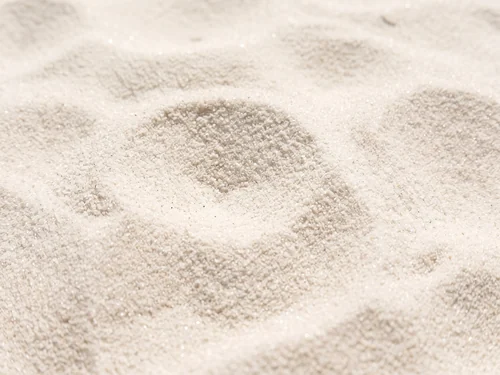
Estimate how much you need
Calculate Your Project
Estimate only. Add 10-15% for compaction and waste.
Browse more
Available in nearby cities
Plan your project
Related guides
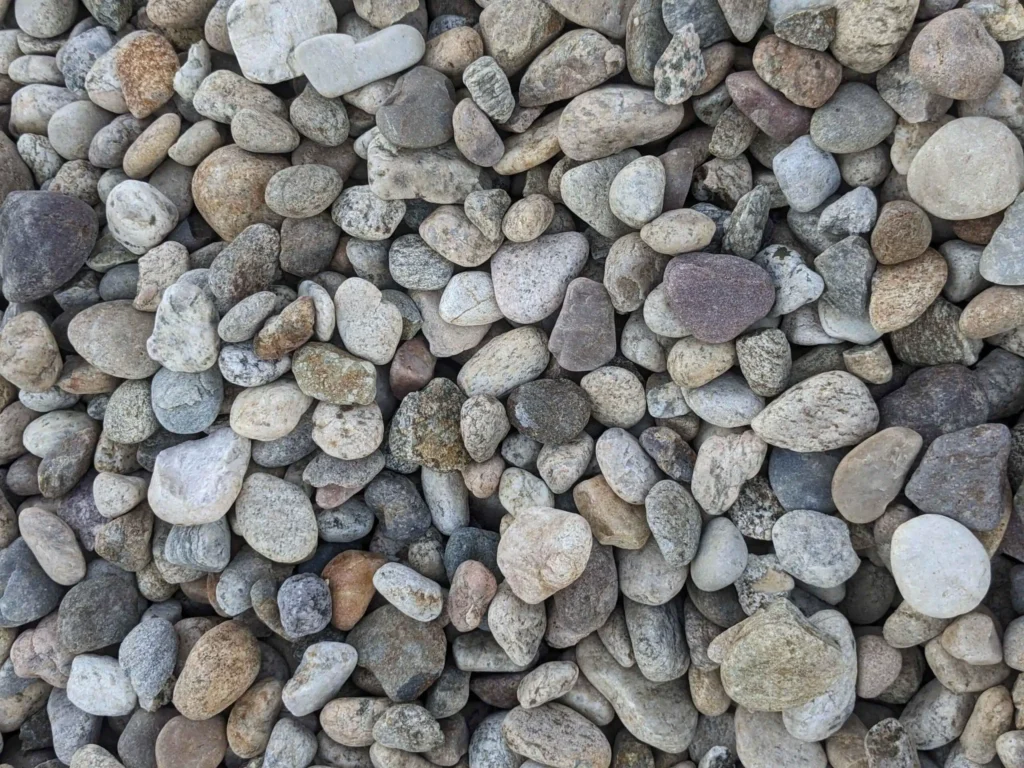 GUIDEHow Much Does River Rock Cost? By Ton or YardRiver rock cost depends on your ZIP code, order size, and whether you buy by the ton or the cubic yard. Here is how pricing works.Read guide →
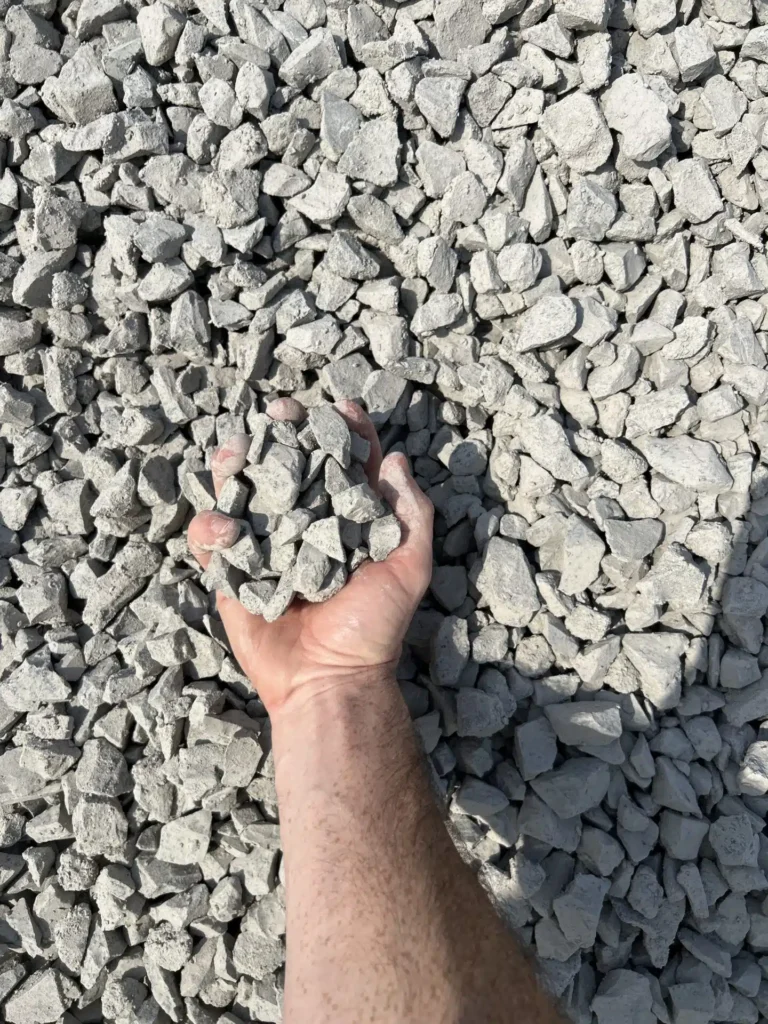 GUIDEWhat Size Crushed Stone Goes Under a Concrete SlabMost slabs need 4 to 6 inches of compacted crushed stone underneath. What size crushed stone under a concrete slab needs, and why it matters.Read guide →GUIDEWhat Is Crushed Stone? Sizes, Uses and Buying BasicsCrushed stone is quarried rock crushed and screened into angular pieces sold by the ton. Here is what it is, how it is graded, and where to use it.Read guide →
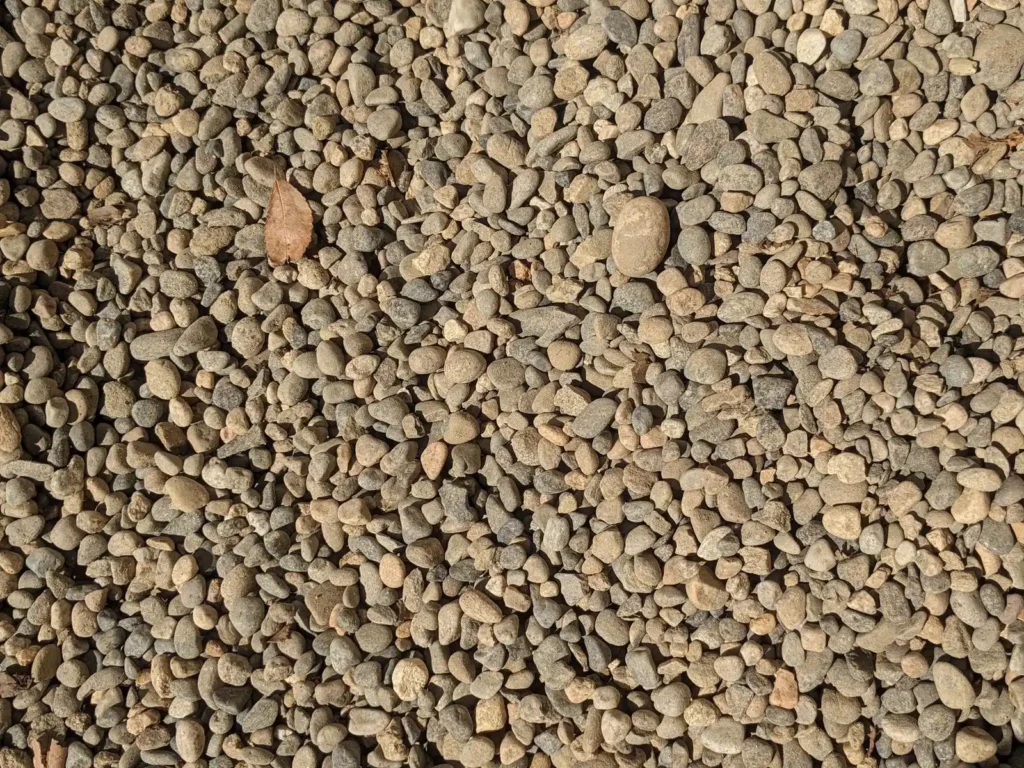 GUIDEHow Much Does Gravel Cost? A Practical Pricing GuideHow much does gravel cost and why does it vary? See the real factors behind ton pricing, delivery, and order size before you buy.Read guide →
Frequently Asked Questions
What is concrete sand used for in Louisville?
Around Jefferson County it is used as the fine aggregate in concrete, as a setting bed under pavers, as bedding around pipe and utilities, and in masonry mortar. The area's heavy clay soils make its clean, free-draining grains especially valuable for bases that need to shed water.
How much concrete sand do I need for a patio?
Plan on about 1 ton per 200 square feet at a 1 inch setting depth. A 500 square foot patio works out to roughly 2.5 tons, which you would round up to 3. Rounding up to the next quantity tier often lowers your per ton price as well.
How fast can you deliver concrete sand in Louisville?
Most orders arrive in 1 to 2 business days. Orders of six tons or more can usually be scheduled for same or next day delivery, which helps keep a booked concrete pour on schedule.
Why does Louisville clay soil matter for concrete sand?
Much of the ground around Louisville is dense, slow-draining clay that holds water and can heave during freeze-thaw cycles. A clean concrete sand layer under a slab or pavers keeps water moving and reduces the settling and lifting that damages flatwork over clay.
What is the difference between concrete sand and mason sand?
Concrete sand is coarser and more angular, ideal for concrete batching and load-bearing bedding. Mason Sand is finer and more uniform, so masons prefer it where they want smooth, tight mortar joints in brick and block.
Can I use concrete sand for pipe bedding?
Yes. Its angular grains support drain lines, conduit, and water service without the sharp rock that can damage a pipe. Place it in lifts and tamp lightly so the trench bottom stays even and the line sits true.
Do you deliver concrete sand outside Louisville?
Yes. We cover the full Louisville-Jefferson County metro including the Highlands, St. Matthews, Jeffersontown, and Southern Indiana, and we serve the wider region toward Frankfort, Lexington, Bloomington Indiana, Owensboro, and Covington.
Is concrete sand the same as fill sand?
No. Fill Sand is cheaper and used mainly to raise grade or backfill, where strength and cleanliness are not critical. Concrete sand is washed and well-graded for mixing concrete and bedding, where consistency and drainage matter.
When is the busiest season for concrete sand in Kentucky?
Demand peaks from late spring through early fall when the warm, dry stretches are best for pours and paver work, so book a few days ahead during those months. You can order year round, just keep an eye on rain since the clay soils hold water.