
Concrete Sand Delivery in Atlanta, GA
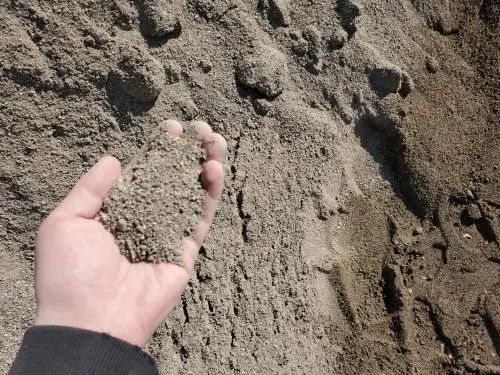
Bulk concrete sand delivered in Atlanta, GA. Stone size 0 - 3/8. Tan / gray color.
From $93.00/ton delivered, free delivery on full loads
Concrete Sand Delivered Across Atlanta, GA
Anyone who has put a shovel in the ground around Atlanta knows the red clay. Georgia's dense, iron-rich subsoil sheds water on the surface and traps it below, which makes it a poor foundation for anything that has to drain, flex, or carry load. That is why clean imported sand is the quiet workhorse behind so much of the building in the Atlanta-Sandy Springs-Alpharetta metro. Our Concrete Sand is a washed, sharp-edged aggregate graded from 0 to 3/8 inch in a tan to gray tone, and it sits under a large share of the concrete and hardscape work going up from intown neighborhoods out to the northern suburbs.
Mixing concrete, bedding pavers, cradling pipe, or working masonry, this is the sand built for it. It is coarse and angular by design, so it locks together under load and gives cement paste a surface to grip. That structure is what separates real concrete sand from the soft, rounded play sands and the fine washes some yards push as a cheaper substitute.
Why Atlanta Builders Choose Concrete Sand
The angular grain is the entire point. Concrete sand is the fine aggregate in a standard concrete mix, filling the voids between the larger rock so a slab cures dense and strong. In Atlanta's humid climate, where heavy summer downpours saturate the ground and the red clay swells and shrinks with the seasons, a tight, well-graded mix is your defense against cracking and water intrusion. Concrete that drains and cures dense outlasts concrete that does not.
Across the metro, locals reach for it four main ways:
- Concrete mixing for footings, slabs, steps, and the small structural pours that come with renovating Atlanta's older housing stock.
- Paver bedding, the 1 inch screeded setting layer under the brick, bluestone, and concrete pavers on patios, walkways, and front stoops.
- Pipe bedding, surrounding sewer, water, stormwater, and conduit runs so loads spread evenly and the backfill does not point-load the line.
- Masonry work, mixed into mortar and grout for brick, block, and the stone retaining walls that hold back so many sloped Atlanta lots.
For finer mortar joints on brickwork, many crews keep Mason Sand on hand too. When a job just needs volume to bring a low area up to grade, that is a job for Fill Sand, not this product. And under a paver patio, the compacted structural course is your Paver Base, with concrete sand screeded on top as the setting bed.
Local Delivery and Lead Times in Atlanta
We deliver bulk concrete sand throughout the Atlanta metro, from intown around the connector and the BeltLine out along I-285 and up the GA-400 corridor. We reach Sandy Springs about 13 miles north, Marietta around 17 miles, Roswell near 19 miles, Johns Creek about 22 miles, and Alpharetta roughly 23 miles out. Orders of 6 tons or more typically arrive same day or next day, while smaller 1 to 2 ton loads run on a 1 to 2 business day schedule depending on your slot.
Atlanta traffic is its own factor, so we plan routes around the worst of the perimeter congestion to keep deliveries on schedule. For tight intown lots, steep driveways, and the narrow streets in older neighborhoods, let us know about access up front so we send a truck that can place the material where you need it.
How Much Concrete Sand Do You Need?
Concrete sand is sold by the ton, and one ton covers roughly 100 square feet at a 2 inch depth. Paver bedding usually goes down around 1 inch, where a ton stretches to about 200 square feet. Depth and compaction will shift those numbers, so round up.
Here is a real Atlanta example. Say you are setting a 14 by 28 foot brick patio behind a bungalow in Grant Park, which is 392 square feet. At a 1 inch screeded setting bed, you need roughly 2 tons of concrete sand. If you are also batching footings for a stone retaining wall to tame a sloped backyard, that volume climbs fast. Our concrete sand runs about 2,700 pounds per cubic yard, so a single bulk load moves serious material in one trip, which is exactly why the per-ton price drops as your order grows.
Atlanta Pricing
Concrete sand in Atlanta starts from $93 per ton. Pricing is tiered so larger orders earn the best rate and the lowest delivery cost:
- 1 ton and up: $125 per ton, $242 delivery, arriving in 1 to 2 business days.
- 6 tons and up: $113 per ton, $130 delivery, with same or next day service.
- 16 tons and up: $93 per ton with free delivery.
The tiers reward buying right. If a job needs 14 tons, it is often worth ordering 16 to clear the free-delivery threshold and lock the $93 rate. Just keep the extra tarped, because Atlanta's frequent rain will soak an open pile.
Placement and Installation Tips
A few habits keep concrete sand performing in the Southeast. Screed your paver bedding to a clean 1 inch and resist using it to mask an uneven base; the compacted Paver Base does the leveling, and the sand is only the setting layer. For pipe bedding, surround the line fully and slice the sand under the haunches so no voids remain. When batching concrete, account for moisture, because in Atlanta's humidity a stockpile rarely sits truly dry, and that water counts toward your mix ratio.
Manage the Water
Wet sand and wet ground are the rule here, not the exception. Build proper drainage into your base, slope flatwork to shed water, and keep your stockpile covered so you start each batch with a known moisture level.
Seasonal Notes for Georgia
Georgia gives you a long, productive pour season, but the weather sets the pace. Spring and fall are ideal and demand runs high, so book bulk loads ahead during peak hardscape months. Summer is workable but hot and humid, with afternoon thunderstorms that can interrupt a pour, so schedule early in the day and keep a tarp handy. Winters are mild, and pours continue with basic cold-weather attention on the occasional freezing night. The constant through all of it is water management: Atlanta's rainfall and expansive clay make drainage and a dense, well-sanded mix the difference between work that lasts and work that fails early.
Whether you are pouring a slab in East Atlanta, bedding a brick walkway in Marietta, or trenching stormwater up in Alpharetta, our clean washed concrete sand is graded and ready to deliver straight to your metro Atlanta jobsite on a schedule that fits your crew.
About Concrete Sand
Concrete Sand is a coarse, washed sand graded from 0 to 3/8 inch, with a clean tan to gray color and the sharp, angular grain structure that defines a true concrete-grade fine aggregate. It is processed and washed to strip out silt, clay, and organic fines, leaving a consistent, free-draining material that performs predictably batch after batch.
As the fine aggregate in a standard concrete mix, it fills the voids between coarse stone so finished concrete cures dense and strong. The angular grains interlock under load and give cement paste a surface to bond to, which is why this sand is specified for structural pours, footings, and slabs rather than the soft, rounded sands sold for sandboxes and beaches.
Its uses run well beyond concrete. Hardscapers screed it as the 1 inch setting bed under pavers, brick, and bluestone. Utility crews use it as pipe bedding to cradle sewer, water, stormwater, and conduit lines and to spread trench loads evenly. Masons blend it into mortar and grout for brick, block, stone, and retaining walls. It also serves as a leveling and joint-filling sand on a range of flatwork jobs.
The material weighs roughly 2,700 pounds per cubic yard, so plan delivery and storage accordingly. It is sold in bulk by the ton, which keeps pricing competitive for everything from a single patio to a full subdivision schedule. One ton covers about 100 square feet at 2 inches deep, or roughly 200 square feet at the 1 inch depth typical of paver bedding. Tarp any stockpile to keep it clean and to control moisture, since both contamination and excess water throw off concrete and mortar ratios. Consistent grading, thorough washing, and reliable bulk supply make it a dependable choice for professional and DIY work alike.
What Concrete Sand costs in Atlanta
In the Atlanta market, concrete sand is sold by the ton and priced at the gate before delivery is added on. Pricing in Atlanta starts at $93 per ton on full-truck loads, which works out to roughly $126 per cubic yard at the typical density of 2700 lb per yard. One ton covers about 80 sq ft at a 3 inch finished depth, so a 400 sq ft driveway pad runs roughly 5 tons.
How crews use Concrete Sand in Atlanta
Crews working out of Atlanta tend to call for concrete sand on a few repeat jobs each week. The first is pipe bedding, typically laid in tight urban lots and infill builds with a base lift compacted before the finish course goes on. The second is base course gravel, which lands here in dense neighborhoods where curb access is short and usually ships as a 4 to 8 ton order. With a population around 498,715, Atlanta pulls a mix of single-truck homeowner orders and contractor full-loads through the season.
Delivery day in Atlanta
On the day of the drop, the dispatcher pulls the closest yard, batches your ticket with other Atlanta stops, and sends a window the night before. Tandem-axle dumps need at least 12 ft of clear width and 14 ft overhead to set the bed; tri-axles need 14 ft of clearance on both counts and a level pad to tip safely. Standard lead time on this lane is Mon-Sat, with same-day windows held open for orders that hit the desk before 11 AM and clear payment.
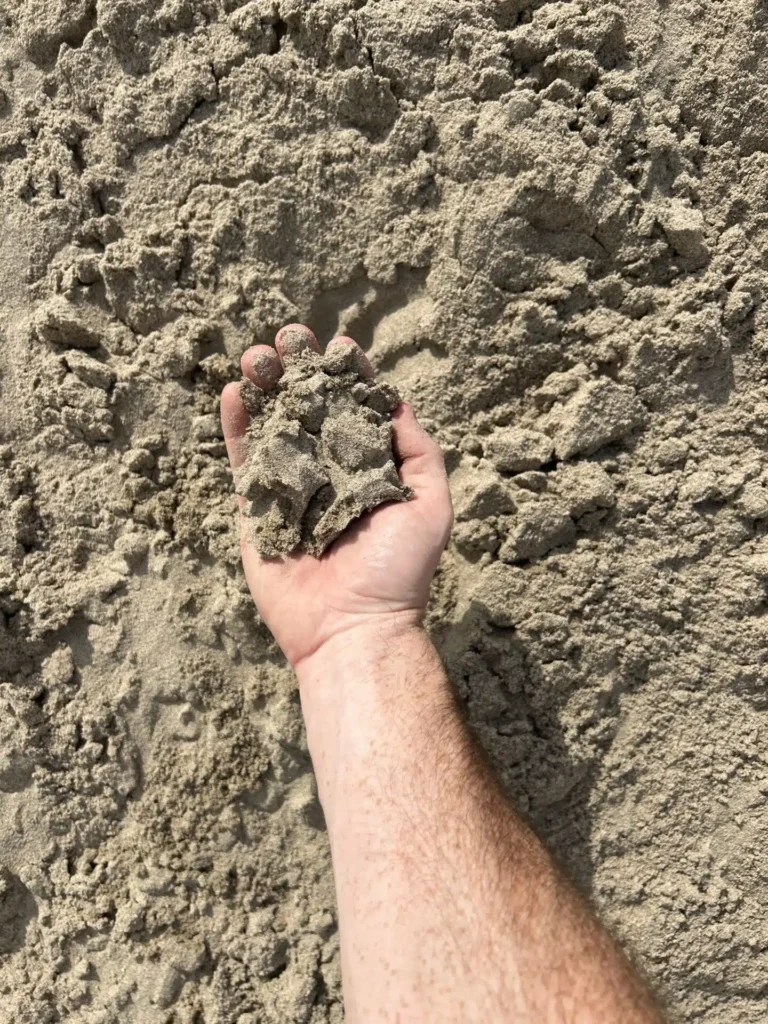
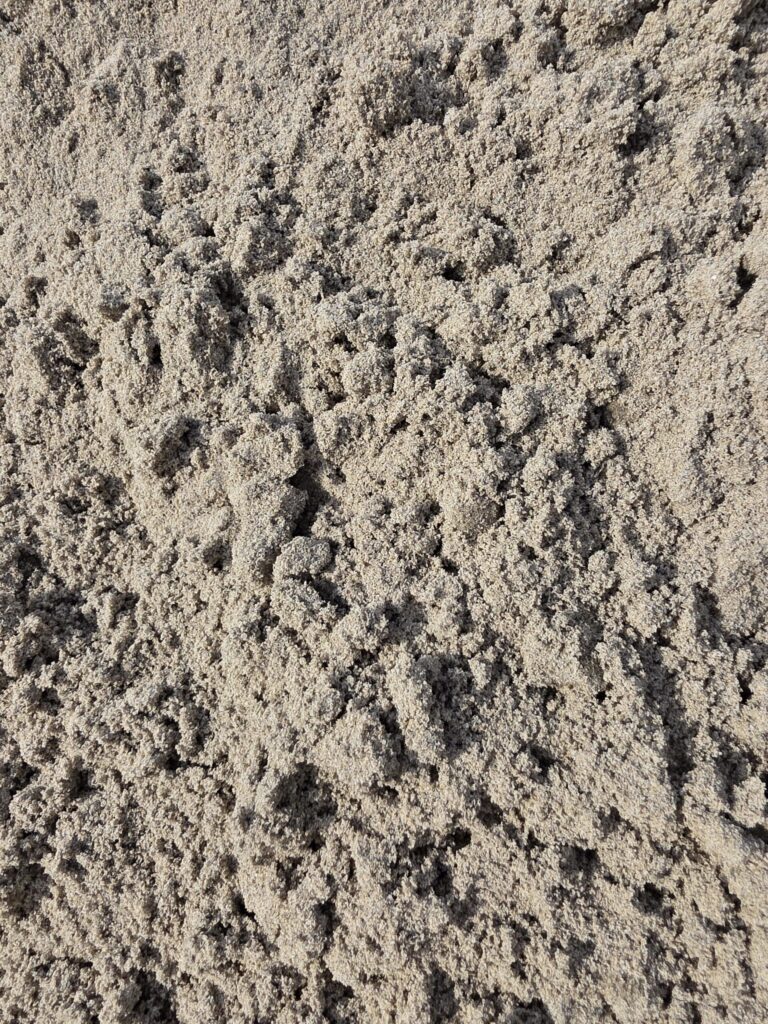
Related materials we deliver in Atlanta
Delivered pricing in Atlanta
| Order size | Price / ton | Delivery fee | Lead time |
|---|---|---|---|
| 1+ tons | $125 | $242 | 1-2 business days |
| 6+ tons | $113 | $130 | Same/next day |
| 16+ tons | $93.00 | Included | Free delivery |
Estimate how much you need
Calculate Your Project
Estimate only. Add 10-15% for compaction and waste.
Browse more
Available in nearby cities
Plan your project
Related guides
 GUIDEHow to Lay a Gravel Driveway: Step-by-Step GuidePractical, field-tested guide: how to lay gravel driveway. Pulled from real US installer notes and 2026 supplier price data.Read guide →
 GUIDEDoes Gravel Stop Weeds? Honest Answer + What WorksPractical, field-tested guide: does gravel stop weeds. Pulled from real US installer notes and 2026 supplier price data.Read guide →
 GUIDEHow Much Gravel Do I Need? Quick Sizing GuidePractical, field-tested guide: how much gravel do i need. Pulled from real US installer notes and 2026 supplier price data.Read guide →
 GUIDEWhat Is #57 Stone? Uses, Size, and Cost ExplainedPractical, field-tested guide: what is 57 stone. Pulled from real US installer notes and 2026 supplier price data.Read guide →
Frequently Asked Questions
What is concrete sand used for in Atlanta?
It is the fine aggregate in concrete mixes, the 1 inch setting bed under pavers and brick, the cradle around utility and stormwater pipe, and a component in masonry mortar. Across Atlanta it goes under slabs, patios, and retaining walls because the dense red clay sheds and traps water, making clean imported sand essential.
How much does concrete sand cost in Atlanta?
Pricing starts from $93 per ton. Smaller 1 ton orders run $125 per ton with a $242 delivery fee, 6 ton orders drop to $113 per ton with a $130 fee, and orders of 16 tons or more are $93 per ton with free delivery. Larger orders earn the lowest rate.
How fast can you deliver concrete sand in Atlanta?
Orders of 6 tons or more typically arrive same day or next day across the metro. Smaller 1 to 2 ton loads run on a 1 to 2 business day schedule. We plan routes around perimeter and connector congestion so deliveries to intown and the northern suburbs stay on schedule.
How much concrete sand do I need for a patio?
Plan a 1 inch screeded setting bed over your compacted base. One ton covers roughly 200 square feet at that depth, so a 392 square foot brick patio needs about 2 tons. Round up for compaction and screed waste, and keep the sand as the setting layer rather than a leveling course.
What is the difference between concrete sand and mason sand?
Concrete sand is coarser and more angular, made to be the fine aggregate in concrete and the bedding under pavers and pipe. Mason Sand is finer and smoother, which suits the thin joints in brick and block mortar. Many Atlanta crews keep both on hand for different parts of the same job.
Can I use concrete sand as fill in Atlanta?
You can, but it is rarely economical. Concrete sand is a clean, processed product priced for performance. If you only need volume to bring a low area up to grade, Fill Sand for bedding, mixing, and masonry where its grain quality earns its price.
Does concrete sand help with drainage in Georgia clay?
Yes. The angular, washed grain structure is free-draining, which matters in a region where dense red clay traps water. Used as a setting bed and as pipe bedding, it gives water a path to move and resists the saturation that causes heaving and early failure in flatwork built directly on clay.
How should I store concrete sand in Atlanta's rainy weather?
Keep it on a clean, well-drained surface and tarp it whenever rain is likely. Atlanta gets frequent downpours, and a soaked, contaminated pile throws off both your concrete water ratio and your paver screed. A covered stockpile lets you start each batch with a known moisture level.
Is concrete sand good for pipe and stormwater bedding?
Yes. The angular, washed grain makes it free-draining and stable, which is why utility crews specify it around sewer, water, stormwater, and conduit lines. It spreads loads evenly across the pipe and resists migrating into the surrounding clay when placed and compacted correctly.
Do you deliver concrete sand to the Atlanta suburbs?
Yes. We serve the full Atlanta-Sandy Springs-Alpharetta metro, including Sandy Springs, Marietta, Roswell, Johns Creek, and Alpharetta up the GA-400 corridor. If you are managing jobs in more than one community, we can coordinate the deliveries on one schedule.