
Compost Delivery in San Antonio, TX
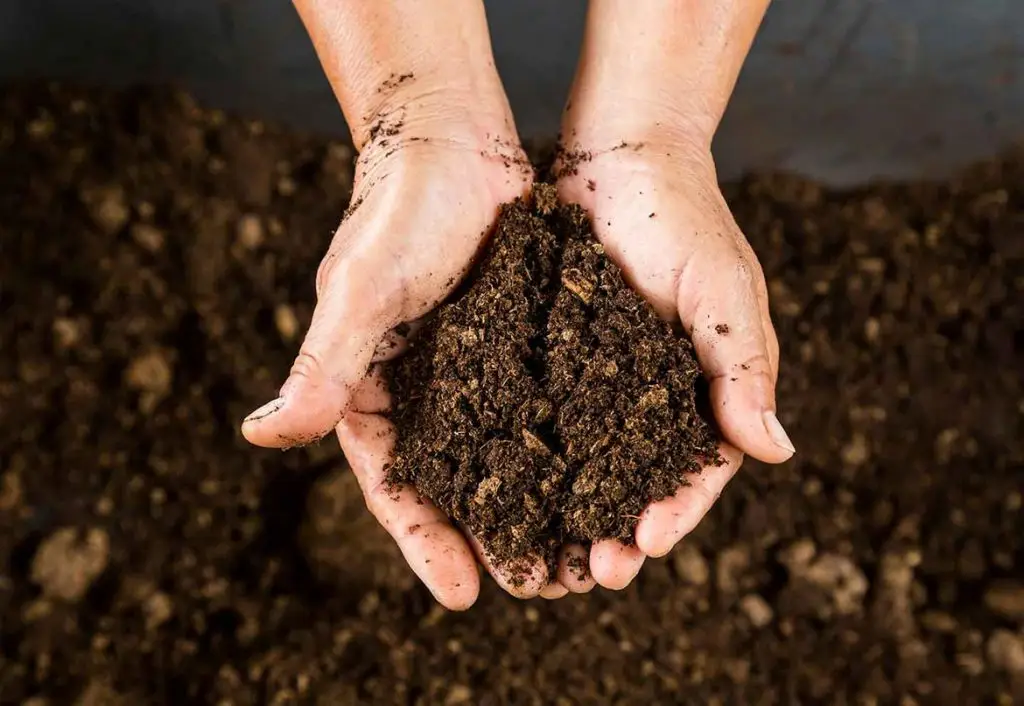
Bulk compost delivered in San Antonio, TX. Dark brown color.
Compost Delivery in San Antonio, TX
San Antonio sits on some of the toughest growing ground in Texas: thin, alkaline soils over caliche and limestone, brutal summer heat, and a feast-or-famine rain pattern that swings from drought to flash flood. Compost is the single most useful material for working around all of it. It builds organic matter into shallow, rocky ground, holds scarce water in the root zone, and feeds the microbes that thin Hill Country soil simply does not have on its own. MyGravelBuddy delivers screened, dark brown Compost across the city and the wider San Antonio-New Braunfels metro, with bulk pricing that starts at on larger loads. From a backyard vegetable bed in Alamo Heights to a xeriscape conversion on the far West Side, we bring the material to you by the truckload.
Why San Antonio Gardeners Rely on Compost
The headline problem here is the soil itself. Much of Bexar County sits on shallow clay over caliche, a hardpan of cemented calcium carbonate that roots cannot penetrate and water cannot drain through quickly. Compost is how local growers build a workable layer on top of it. Mixed into the top several inches or blended into raised beds with Topsoil, it adds the organic matter that holds moisture and nutrients in a climate that strips both away fast. The high soil pH also locks up iron, and a steady compost program is the long game for greener, healthier plantings.
Water is the second driver. With San Antonio's long, dry summers and recurring watering restrictions under the Edwards Aquifer rules, every gardener wants to stretch irrigation further. Compost worked into beds dramatically improves how long soil holds moisture between waterings, which is why it pairs naturally with the drought-tolerant and native plantings that have become standard across the metro. Crews here use it for vegetable beds, lawn topdressing on St. Augustine turf, tree planting backfill, and as the rich base under a layer of Hardwood Mulch.
Common Local Projects
- Raised vegetable beds blended with topsoil across Alamo Heights, Stone Oak, and Southtown
- Xeriscape and native plant conversions on the West and Northwest sides
- Lawn topdressing for St. Augustine and Bermuda turf
- Tree and shrub planting backfill to break up caliche
- Soil-building programs on new construction lots with stripped topsoil
Local Delivery and Lead Times in San Antonio
We deliver to every San Antonio ZIP, from downtown near 78205 out to the loop communities, the far North Side, and the New Braunfels end of the metro. On orders of 8 tons or more we typically deliver same or next day, and smaller 3-ton loads arrive within 1 to 2 business days. Spring and early fall are the busy windows here, when the heat backs off enough to plant, so booking a few days ahead helps lock in your slot.
Our reach runs up and down the I-35 corridor too. We regularly serve Austin and Round Rock, about 74 and 89 miles north, along with Killeen, Corpus Christi to the south, and out toward Laredo. San Antonio's mix of older intown lots and sprawling Hill Country subdivisions is familiar territory for our drivers. If your lot is on a steep caliche slope or the gate is tight, tell us and we will plan the drop so the pile lands where your crew can work it.
Bulk delivery also beats bagged compost on simple math. One cubic yard replaces close to 36 of the one-cubic-foot bags you would otherwise haul home from the box store and split open by hand, so even a small 3-yard bed-fill is over 100 bags. Taking it as a single dark pile dropped on a Stone Oak driveway or a Southtown alley saves the labor and the plastic, and your crew can start filling beds the moment the truck clears.
How Much Compost Do You Need?
Compost is sold by the cubic yard, and one yard covers about 100 square feet at a 3-inch depth, or roughly 160 square feet at 2 inches for topdressing. Here is a typical San Antonio scenario: building three 4-by-8-foot raised vegetable beds in a Stone Oak backyard, each 12 inches deep. That is 96 cubic feet, or close to 4 yards, and most growers blend that with topsoil so figure 2 yards of compost in the mix. For breaking up caliche around a new live oak, plan a yard or two of compost worked into a wide planting basin rather than just the hole.
The formula is simple: area in square feet times depth in inches, divided by 324, gives cubic yards. Round up when you land between sizes. In this heat a slightly fuller amendment layer means more moisture held through the dry stretches, so going a touch high is rarely wasted.
Local Pricing in the San Antonio Metro
Bulk pricing rewards larger loads. Our San Antonio compost runs on a 3-ton minimum order with a $205 delivery fee, a fit for a single home garden or a few raised beds. Step up to at 8 tons and the delivery fee falls to $111 while you unlock same or next-day service. At 15 tons and above the price drops to with free delivery, the tier where landscapers, builders, and multi-bed jobs land, and the source of that headline rate. If you are coordinating compost across several San Antonio addresses or a subdivision build-out, combining them into one 15-ton load is the most economical path.
Installation and Spreading Tips
Prep is everything over caliche. For new beds, break up the hardpan as deep as you reasonably can before you add compost, so the amended layer drains down instead of holding water in a basin against the rock. Work 2 to 3 inches of compost into the top 6 to 8 inches with a tiller or fork, then rake level. For tree planting, dig wide rather than deep and blend compost through the whole planting area, not just the backfill, so roots have somewhere soft to spread.
For raised beds, blend compost with Topsoil or a bagged Garden Soil at roughly half and half for vegetables, since pure compost holds too much water in a container. Once plants are in, cap the bed with two inches of Hardwood Mulch to shade the soil and slow evaporation in the San Antonio sun. Water deeply after planting so the compost settles, then back off to deep, infrequent watering, which the improved soil now supports.
Seasonal Notes for Texas
San Antonio's compost calendar dodges the heat. The two prime windows are early spring, roughly February into April before triple-digit days arrive, and early fall, September into November once the worst heat breaks, which is the best stretch for fall vegetables and lawn renovation. Avoid heavy bed work in the depth of summer, when fresh compost dries out before plants can use it and the heat stresses anything you transplant. Watch the rain swings too: working compost into soaking ground right after one of the region's flash storms compacts shallow clay, so wait a day or two for it to drain. In low spots that pool during those downpours, blend in extra topsoil to keep drainage moving so crowns are not sitting in water. Whether you are amending a lot in San Antonio or running a load up to Austin or Round Rock, timing delivery to a mild, dry working window gives you the best mix and the longest moisture hold through the dry season.
About Compost
About Compost
Compost its long-lasting soil-building value.
Sold by the cubic yard, this product weighs roughly 1,000 pounds per yard, light enough to spread and blend quickly by hand or with a compact skid steer. A standard 3-inch application covers about 100 square feet per yard for bed amendment, while a thin topdressing layer at a quarter to half inch will stretch across 600 to 1,200 square feet of lawn per yard. It mixes cleanly with topsoil and sand and rakes out evenly because it ships screened rather than chunky.
Typical uses include raised-bed fill blended with topsoil, vegetable and flower bed amendment, lawn topdressing and overseeding, tree and shrub planting backfill, and soil structure repair on compacted, rocky, or depleted ground. Unlike a decorative mulch, compost is a working amendment: it improves drainage in clay, boosts water retention in sandy and shallow soils, feeds soil microbes, and slowly releases nutrients to plants. For vegetable beds it is usually blended roughly half and half with topsoil rather than used straight, since pure compost can hold too much moisture and run nutrient-rich. As a soil-conditioning grade rather than a finished planting medium, it performs best worked into the root zone or screened across an existing lawn, then watered in to settle and bond with the soil below.
What Compost costs in San Antonio
Around San Antonio, compost is quoted by the ton with delivery layered in based on distance from the closest yard. Send your ZIP and load size and we will send back a same-hour quote with the truck rate and the per-ton figure spelled out. Plan on roughly 216 sq ft of coverage per ton at 3 inches deep, which puts a single-car driveway in the 3 to 5 ton bracket.
How crews use Compost in San Antonio
San Antonio contractors keep compost on the order sheet for a short list of standard installs. Top of the list is planting bed gravel, where the material is rolled out in tight urban lots and infill builds and screeded to grade. San Antonio sits at about 1,495,295 residents, which means we see steady weekday traffic from landscape crews and weekend pickups from owner-builders.
Delivery day in San Antonio
Delivery in San Antonio runs out of the nearest pit; you get a two hour arrival window the evening prior and a call when the driver leaves the scale. Plan for 12 ft of clear path for a tandem and 14 ft for a tri-axle, plus a level area at the dump point so the bed lifts straight. Standard lead time on this lane is Mon-Sat, with same-day windows held open for orders that hit the desk before 11 AM and clear payment.
Related materials we deliver in San Antonio
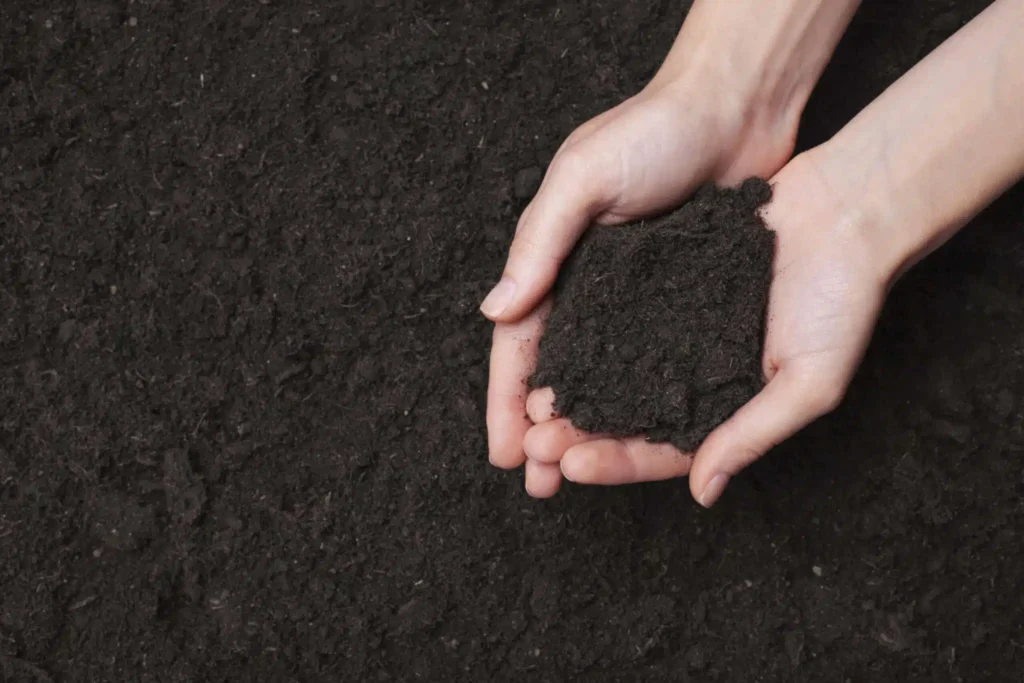 From $44.03/yard
- SizeScreened, no size grade
- Density2200 lb/yd³
- ColorDark brown
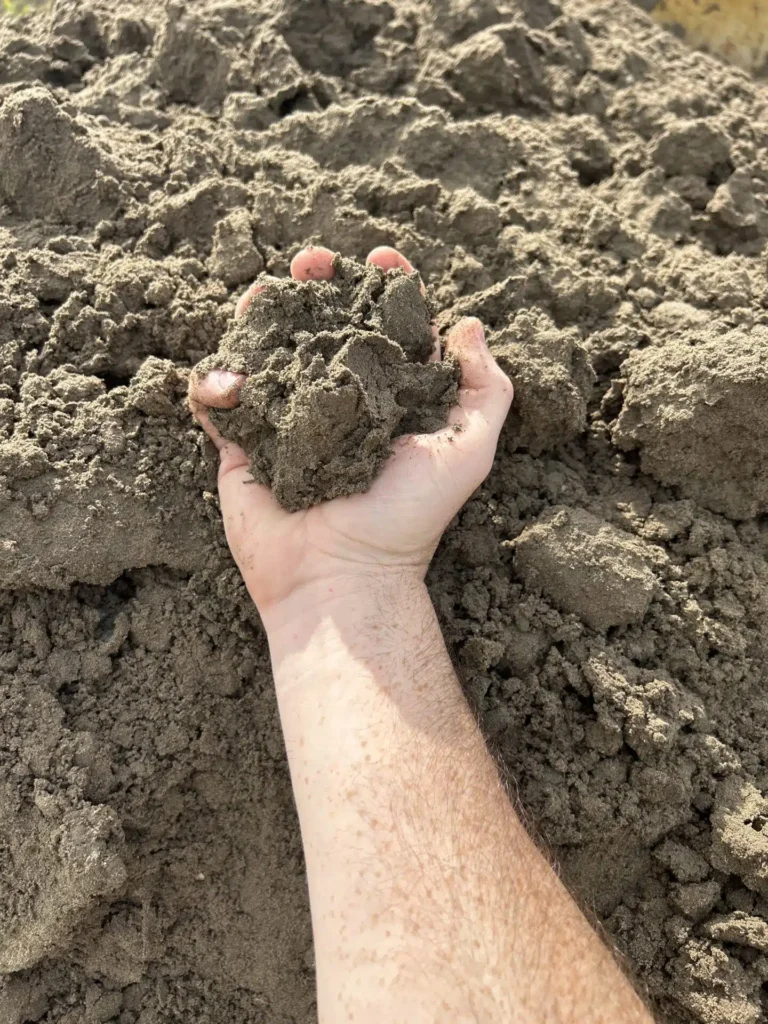 From $40.95/yard
- Density2200 lb/yd³
- ColorBrown
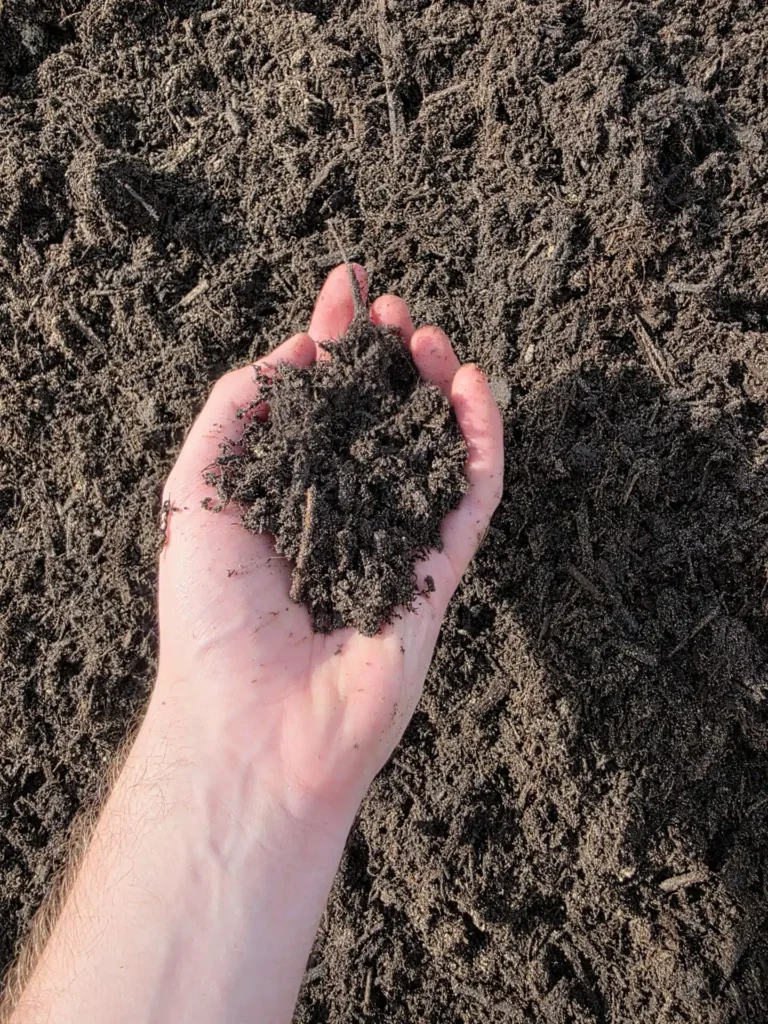 From $44.03/yard
- Density2000 lb/yd³
- ColorDark brown
Estimate how much you need
Calculate Your Project
Estimate only. Add 10-15% for compaction and waste.
Browse more
Available in nearby cities
Plan your project
Related guides
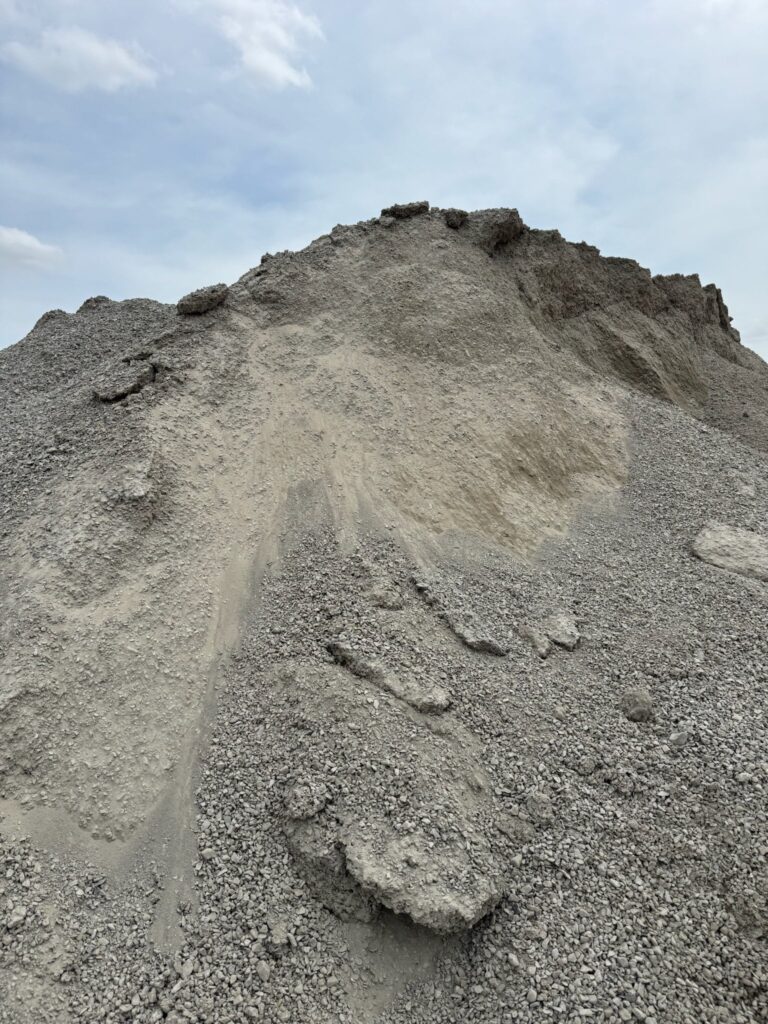 GUIDEWhat Are Screenings? A Guide to Crushed Stone FinesScreenings are fine crushed stone used for paver bases, joint fill and walkways. See what screenings are, common types, and mistakes to avoid.Read guide →
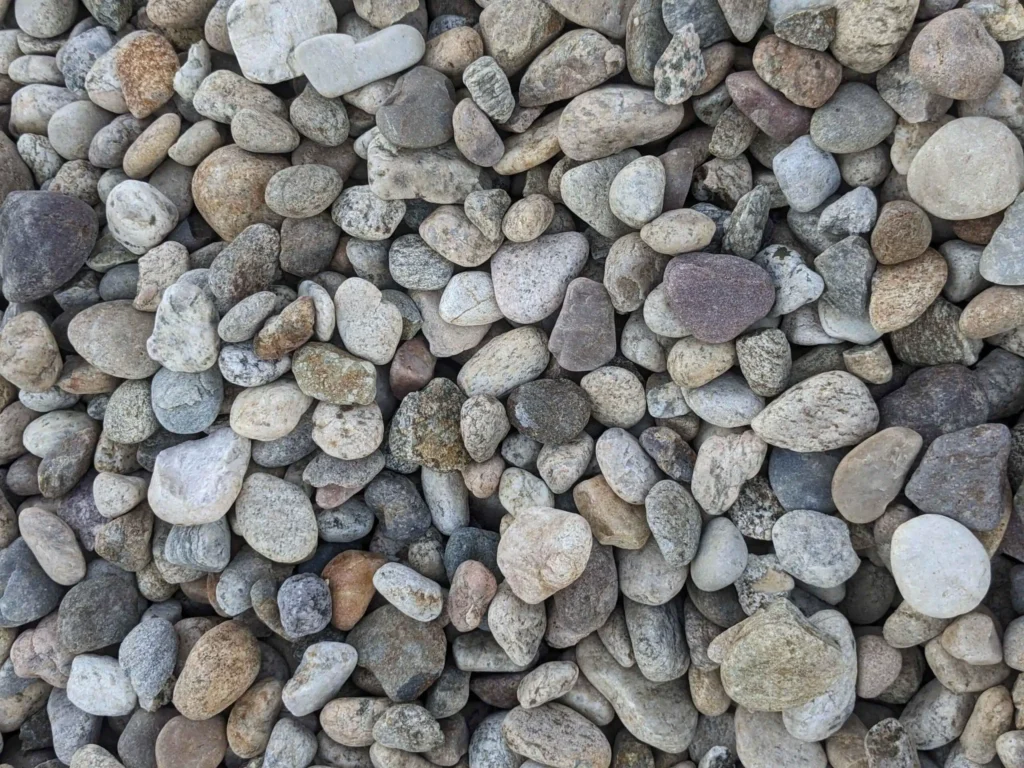 GUIDEWhat to Put Under River Rock for Landscaping BedsHere is what to put under river rock landscaping: a compacted base where needed, then landscape fabric, then rock, to stop weeds and settling.Read guide →GUIDEHow to Clean River Rock and Restore Its ColorLearn how to clean river rock landscaping with rinsing, soap and vinegar methods, plus common mistakes to avoid for a brighter, longer lasting rock bed.Read guide →
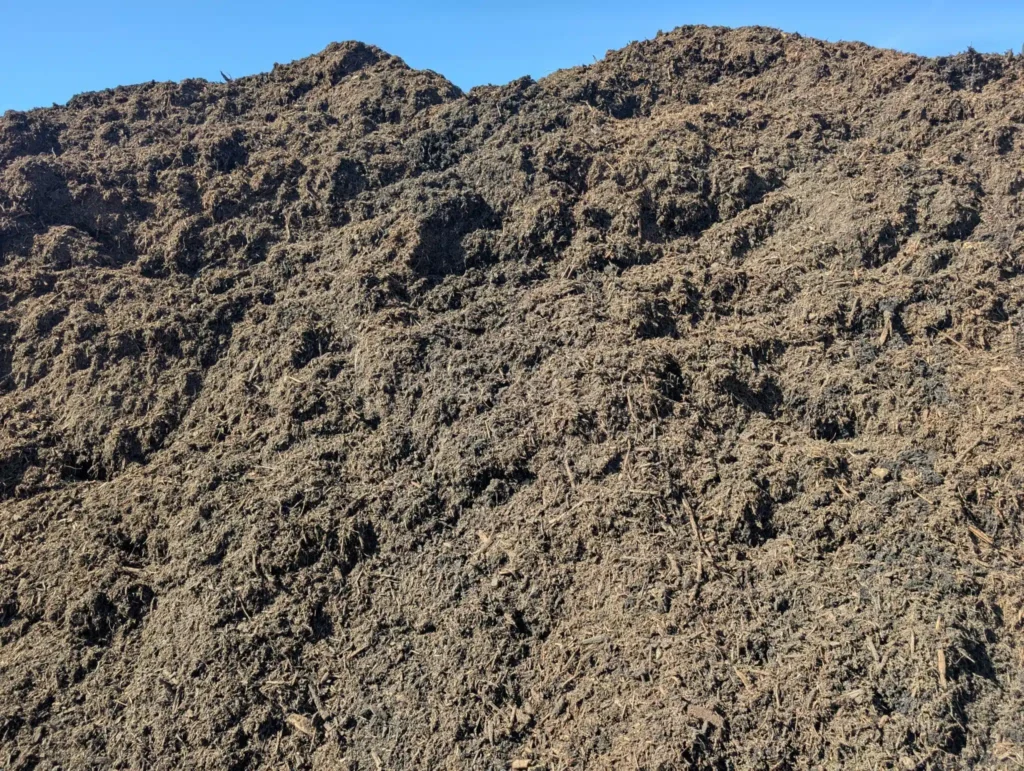 GUIDEHow to Lay a Gravel Driveway: Step-by-Step GuidePractical, field-tested guide: how to lay gravel driveway. Pulled from real US installer notes and 2026 supplier price data.Read guide →
Frequently Asked Questions
How much compost do I need for raised beds in San Antonio?
How fast can you deliver compost in San Antonio?
Orders of 8 tons or more usually arrive same or next day across the metro. Smaller 3-ton loads come within 1 to 2 business days. Spring and early fall are the busiest windows, so book a few days ahead to secure your slot.
Can compost help with San Antonio's caliche and rocky soil?
Yes. Compost into the top 6 to 8 inches so the soil drains and holds moisture instead of perching water on the rock.
Does compost help with watering restrictions here?
Yes. Compost worked into beds greatly improves how long soil holds moisture between waterings, which matters under the Edwards Aquifer watering rules. It pairs well with drought-tolerant and native plantings and supports deep, infrequent watering once established.
When is the best time to add compost in San Antonio?
Two windows work best: early spring, February into April before the triple-digit heat, and early fall, September into November once the worst heat breaks. Fall is ideal for cool-season vegetables and lawn renovation. Avoid heavy bed work in peak summer.
Should I use straight compost or blend it for vegetable beds?
Blend it. Pure compost holds too much water and runs nutrient-rich for most vegetables. Mix it roughly half and half with topsoil or a bagged garden soil for raised beds, then cap with hardwood mulch to shade the soil from the San Antonio sun.
Can I use compost when planting trees over caliche?
Yes, and you should dig wide rather than deep. Blend compost through the whole planting area, not just the backfill, so roots have soft, amended soil to spread into. A yard or two worked into a broad basin around a new live oak gives it a strong start.
Do you deliver compost outside the city of San Antonio?
Yes. We cover the full San Antonio-New Braunfels metro and regularly run loads up the I-35 corridor to Austin and Round Rock, about 74 and 89 miles north, plus Killeen, Corpus Christi, and Laredo. Share your address for an exact lead time.