
Compost Delivery in Austin, TX
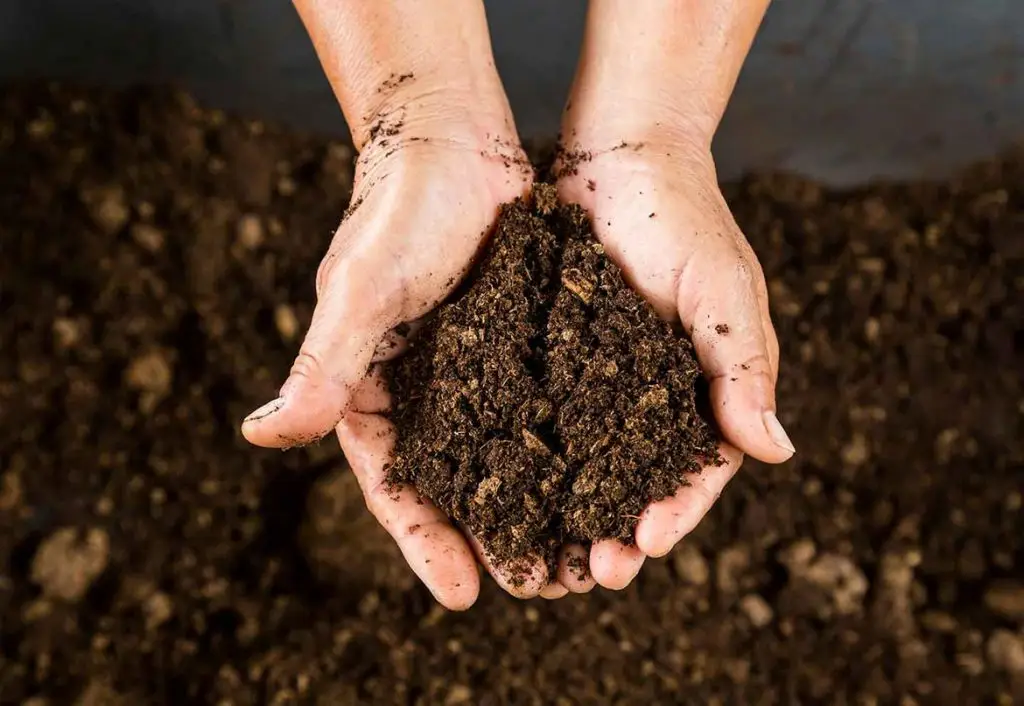
Bulk compost delivered in Austin, TX. Dark brown color.
From $83.00/ton delivered, free delivery on full loads
Bulk Compost Delivery in Austin, TX
Gardening in Austin means wrestling with two very different problems on the same lot. West of MoPac and out toward the Hill Country, the ground is thin clay over solid limestone, so shallow that a shovel rings on rock after a few inches. East of I-35 the soil swings the other way into heavy black gumbo clay that turns to brick in the August sun and to sticky paste after a spring downpour. Either way, the fix starts with organic matter, and the workhorse material is bulk Compost. Our dark brown, fully screened compost weighs about 1,000 pounds per cubic yard and shows up ready to dig in, top-dress, or blend, with delivery to Austin starting at just $83 per yard.
Whether you are filling raised beds in Mueller, softening clay around a Tarrytown bungalow, or topdressing a tired St. Augustine lawn in South Austin, compost is the material that turns difficult Central Texas dirt into something plants will actually grow in.
Why Austin Gardeners Use Compost
Austin sits right on the line between the Hill Country and the Blackland Prairie, and compost solves the problems on both sides of that divide. It loosens compacted clay, holds moisture through long dry stretches, and feeds the soil life that our thin limestone ground never built up. Here is where it earns its keep locally:
- Soil amendment for clay: Worked into black gumbo, compost opens up the structure so water drains instead of standing, and so roots can push through without hitting concrete-hard clods.
- Raised garden beds: Growers across East Austin and Cherrywood blend compost with Garden Soil to build deep, fertile beds that sit above the limestone and stay productive through our long growing season.
- Lawn topdressing: A thin layer revives heat-stressed St. Augustine and Bermuda lawns. Level any low or scalped spots with Topsoil first, then dress with compost.
- Bed blending: Around trees and shrubs, compost mixed into the native ground gives new plantings the organic boost they need to establish before summer hits.
After amending, finish with a layer of Hardwood Mulch. In the Central Texas sun a mulch cap is not optional; it shades the soil, slows evaporation, and keeps the compost from drying out and blowing off in the next dry spell.
Local Delivery and Lead Times in Austin
We deliver compost across the Austin-Round Rock-Georgetown metro, from downtown out through the suburbs and into the surrounding Hill Country lots. Most Austin driveways and yards give the truck plenty of room to tip a load; we just need a clear, level spot the dump bed can reach. Smaller orders around 3 yards usually arrive within 1 to 2 business days. Mid-size loads near 8 yards often go out same or next day. Full truckloads of 15 yards and up ship on our free-delivery tier.
The surrounding cities fold right into our routes. Round Rock (17 mi) is close enough for same-day runs, and we regularly cover Killeen (59 mi) and San Antonio (74 mi) on the same corridor. College Station and Waco are a bit further out but still well within range. Spring is our busiest stretch in Austin, so booking a few days ahead in March and April is smart.
How Much Compost Do You Need
Compost is sold by the cubic yard, and one cubic yard covers 324 square feet at a 1-inch depth. Central Texas clay needs a generous amendment, so for a 20-foot by 30-foot South Austin backyard you want to work 3 inches deep before planting, you would order about 5.5 yards and round up to 6. To build a new 4-foot by 8-foot raised bed filled 12 inches deep, plan on roughly 1.2 yards after settling.
Here is a quick coverage example. Say you have an 1,000 square foot St. Augustine lawn in Round Rock and you want a half-inch topdressing to revive it after a hot summer. That works out to about 1.5 cubic yards. Round up to 3 yards so you also have enough to dress the front beds and fill a couple of low spots along the walk.
Austin Compost Pricing
Our bulk tiers reward larger orders with a lower cost per ton, which makes sense when clay soil needs a deep amendment to perform. Compost in Austin starts at $83 per yard. The delivered tiers break down like this:
- 3-ton minimum: $111 per ton with a $216 delivery fee, arriving in 1 to 2 business days. Right for a single backyard or a few beds.
- 8-ton minimum: $95 per ton with a reduced $116 delivery fee, often same or next day. A good fit for a full-yard amendment.
- 15-ton minimum: $83 per ton with free delivery. The best value for landscapers, builders, and large soil-building projects.
Since compost runs about 1,000 pounds per yard, a 15-ton load equals roughly 30 yards, enough to amend a large yard and refill a season of beds in one delivery. That is real savings when you are rebuilding soil over limestone or breaking up acres of prairie clay.
Spreading and Installation Tips
Amending Clay and Limestone
In black gumbo, work 2 to 3 inches of compost into the top 8 to 10 inches so the clay opens up and drains. On thin Hill Country lots where you cannot dig deep, build up instead: lay compost on the surface and blend it with Topsoil to create a raised root zone above the rock.
Topdressing Lawns
Spread no more than half an inch over turf and rake it into the canopy, then water it in. Doing this in early spring as the grass greens up gives St. Augustine and Bermuda a real head start before the summer heat.
Always Mulch After
Blend compost with Topsoil and Garden Soil for beds rather than planting in straight compost, then cap everything with Hardwood Mulch. Without that mulch layer the Texas sun bakes the organic matter out fast.
Seasonal Notes for Texas
Austin has a long growing season and two strong planting windows. Spring, from February through April, is the busiest stretch and the best time to amend beds and topdress lawns before the heat arrives, so order early. Fall, from September into November, is a second excellent window once the worst of the summer breaks, and it is the ideal time to build new beds for cool-season crops. Summer itself is for holding the line: keep beds mulched and watered, and save major soil work for the cooler shoulder seasons. Because our clay and limestone soils hold so little organic matter on their own, an annual compost addition steadily improves drainage and water retention, which means less stress on plants and lower water bills through those brutal Texas summers.
Ready to schedule a drop anywhere from downtown Austin out to Round Rock or the Hill Country? Tell us your access setup and target depth, and we will size the right load for your project.
About Compost
About Our Compost
Our bulk compost is a fully matured, screened soil amendment with a rich dark brown color and a clean, earthy smell that confirms it is finished and biologically stable. It is produced from yard trimmings, leaf litter, and clean organic feedstock that is windrowed, turned, and cured until it reaches a consistent crumb texture. The finished product is screened to remove sticks, stones, and clumps, so it spreads evenly and blends without fuss.
is lighter than topsoil or sand, which makes it easy to move with a wheelbarrow and rake into place. Its balanced carbon-to-nitrogen ratio feeds plants gradually and carries no nitrogen-burn risk, unlike raw or hot manure. It also adds the organic matter and microbial life that heavy clay and thin limestone soils lack, while improving both drainage and water-holding capacity.
and Garden Soil to create a custom root-zone mix, then top planting areas with Hardwood Mulch to retain moisture and shade the soil. It is suitable for organic growing and forms the biological backbone of any soil-building program.
Compost settles after spreading, so order about 10 to 15 percent more than your bare coverage math suggests, and remember that heavy clay usually needs a deeper amendment to open up its structure. Sold by the cubic yard in bulk, it offers far better value than bagged product for any project larger than a single small bed, and it ships loose for direct dumping or staged placement on site.
What Compost costs in Austin
Around Austin, compost is quoted by the ton with delivery layered in based on distance from the closest yard. Pricing in Austin starts at $83 per ton on full-truck loads, which works out to roughly $42 per cubic yard at the typical density of 1000 lb per yard. Plan on roughly 216 sq ft of coverage per ton at 3 inches deep, which puts a single-car driveway in the 3 to 5 ton bracket. Austin pricing sits a touch above the TX state average, which is what we see across other product-loc rows we publish.
How crews use Compost in Austin
Austin contractors keep compost on the order sheet for a short list of standard installs. Top of the list is planting bed gravel, where the material is rolled out in tight urban lots and infill builds and screeded to grade. Austin sits at about 974,447 residents, which means we see steady weekday traffic from landscape crews and weekend pickups from owner-builders.
Delivery day in Austin
Delivery in Austin runs out of the nearest pit; you get a two hour arrival window the evening prior and a call when the driver leaves the scale. Plan for 12 ft of clear path for a tandem and 14 ft for a tri-axle, plus a level area at the dump point so the bed lifts straight. Standard lead time on this lane is Mon-Sat, with same-day windows held open for orders that hit the desk before 11 AM and clear payment.
Related materials we deliver in Austin
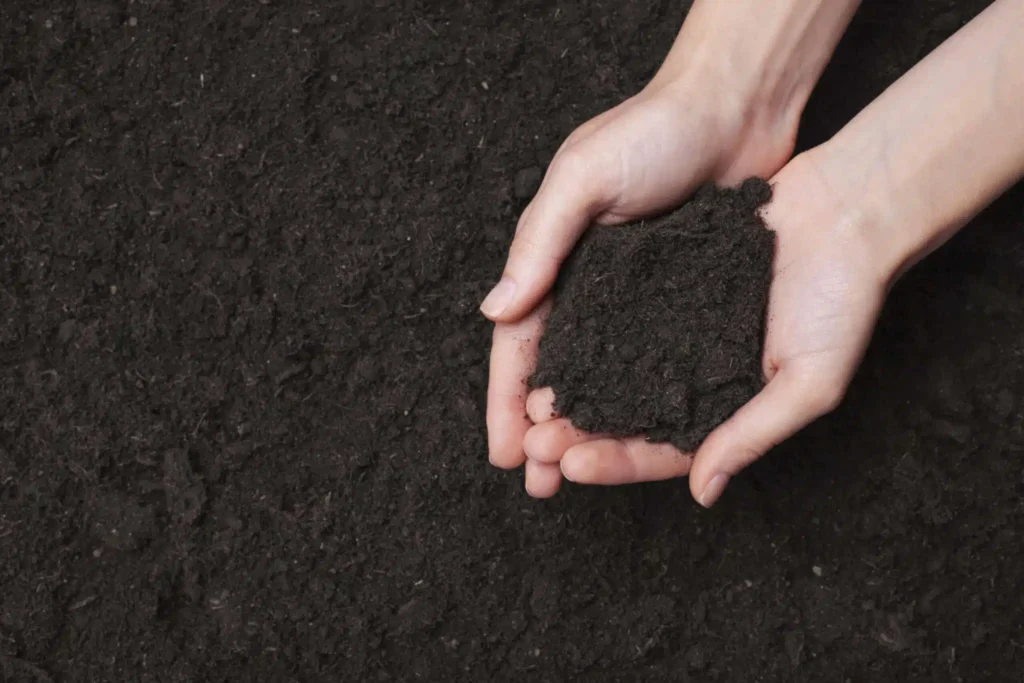 From $44.03/yard
- SizeScreened, no size grade
- Density2200 lb/yd³
- ColorDark brown
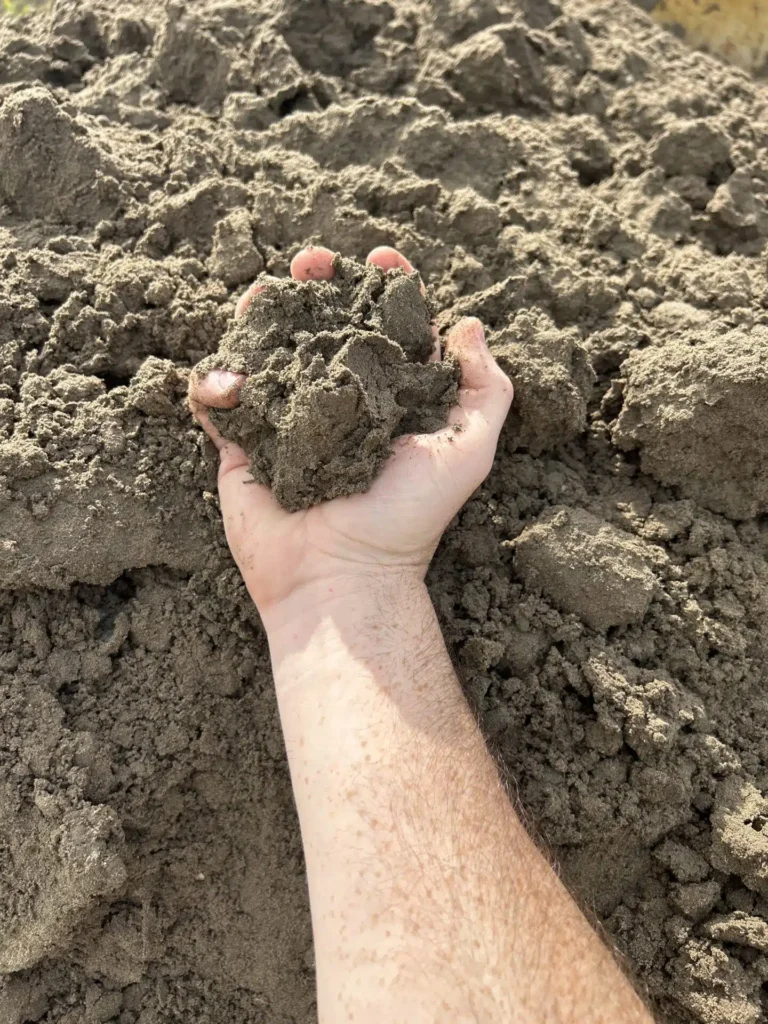 From $40.95/yard
- Density2200 lb/yd³
- ColorBrown
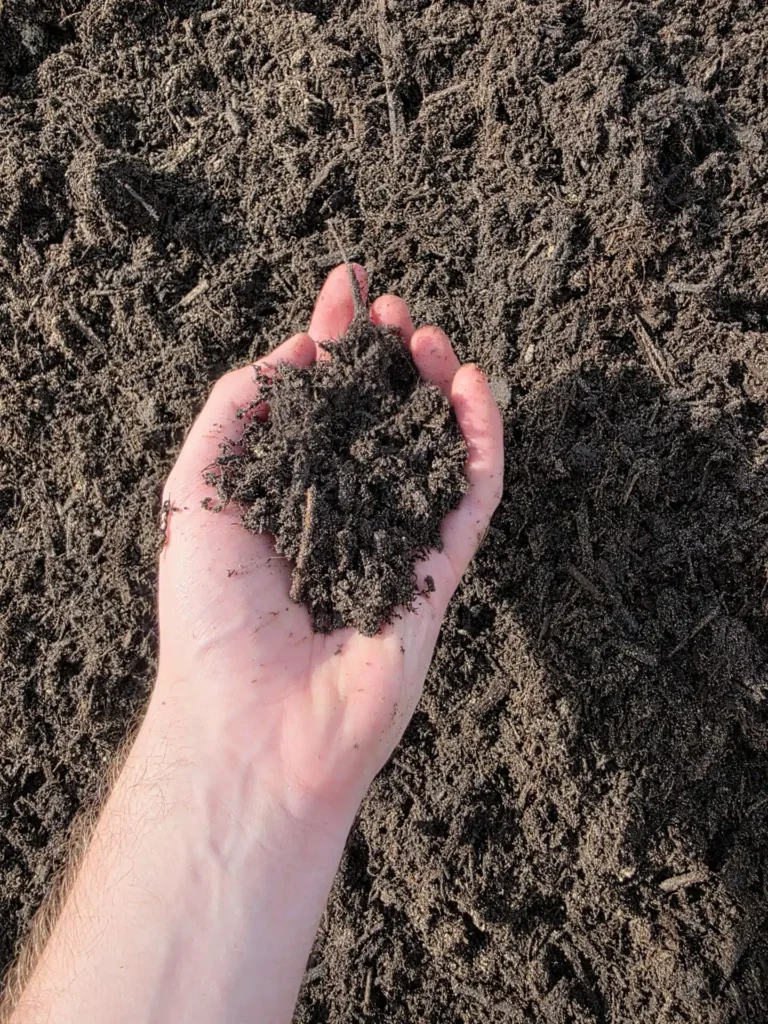 From $44.03/yard
- Density2000 lb/yd³
- ColorDark brown
Delivered pricing in Austin
| Order size | Price / ton | Delivery fee | Lead time |
|---|---|---|---|
| 3+ tons | $111 | $216 | 1-2 business days |
| 8+ tons | $95.00 | $116 | Same/next day |
| 15+ tons | $83.00 | Included | Free delivery |
Estimate how much you need
Calculate Your Project
Estimate only. Add 10-15% for compaction and waste.
Browse more
Available in nearby cities
Plan your project
Related guides
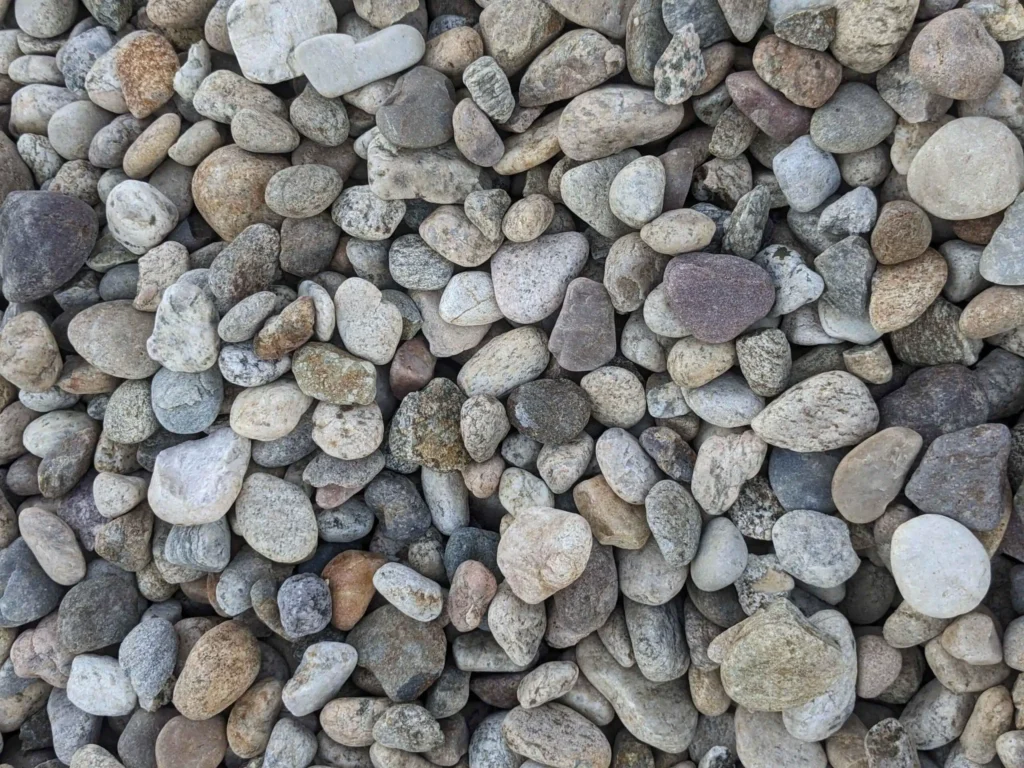 GUIDEHow Much Does River Rock Cost? By Ton or YardRiver rock cost depends on your ZIP code, order size, and whether you buy by the ton or the cubic yard. Here is how pricing works.Read guide →
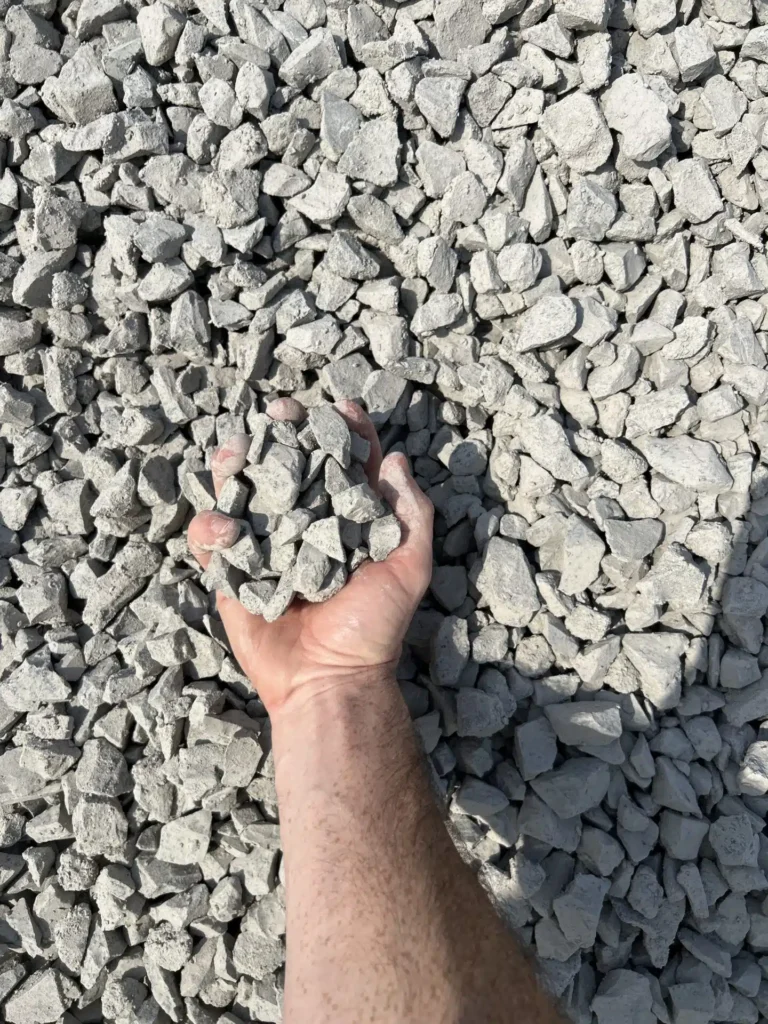 GUIDEWhat Size Crushed Stone Goes Under a Concrete SlabMost slabs need 4 to 6 inches of compacted crushed stone underneath. What size crushed stone under a concrete slab needs, and why it matters.Read guide →GUIDEWhat Is Crushed Stone? Sizes, Uses and Buying BasicsCrushed stone is quarried rock crushed and screened into angular pieces sold by the ton. Here is what it is, how it is graded, and where to use it.Read guide →
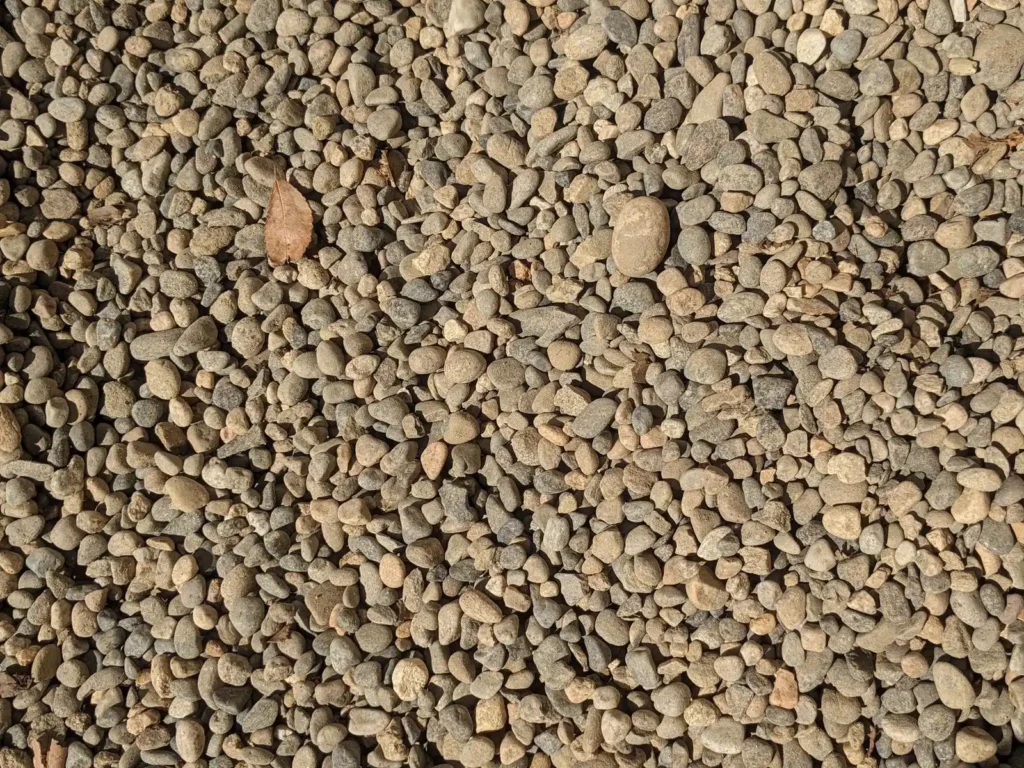 GUIDEHow Much Does Gravel Cost? A Practical Pricing GuideHow much does gravel cost and why does it vary? See the real factors behind ton pricing, delivery, and order size before you buy.Read guide →
Frequently Asked Questions
How much compost do I need to amend clay soil in Austin?
One cubic yard covers 324 square feet at a 1-inch depth, but Central Texas clay needs a deeper amendment. To work 3 inches into a 20-foot by 30-foot backyard you need about 5.5 cubic yards, so round up to 6. A 4-foot by 8-foot raised bed filled 12 inches deep needs about 1.2 yards after settling.
How fast can you deliver compost in Austin?
Smaller 3-ton orders usually arrive within 1 to 2 business days. Mid-size 8-ton loads often ship same or next day. Full 15-ton truckloads ship on our free-delivery tier, and Round Rock and the inner suburbs fold right into our regular routes.
Will compost help with Austin's black gumbo clay?
Yes. Worked 2 to 3 inches into the top 8 to 10 inches of black gumbo, compost opens up the structure so water drains instead of standing. It also softens the clay enough for roots to push through, which is the main reason local gardeners amend before every planting.
What do I do on thin Hill Country lots over limestone?
Where you cannot dig deep, build up instead. Lay compost on the surface and blend it with Topsoil to create a raised root zone above the rock, then cap with Hardwood Mulch. This gives plants real depth to root into without fighting the limestone.
When is the best time to apply compost in Austin?
Spring, from February through April, is the prime window for amending beds and topdressing lawns before the heat. Fall, from September into November, is a second strong window for building new beds and cool-season crops. Save major soil work for these cooler shoulder seasons rather than midsummer.
What is the minimum compost order for delivery?
Our smallest delivered tier is a 3-ton minimum at $111 per ton plus a $216 delivery fee. Stepping up to the 8-ton tier drops the rate to $95 per ton and cuts the fee to $116, so combining projects usually pays off.
Can I plant directly in straight compost in Austin?
No. Blend compost with Topsoil and Garden Soil, then always cap beds with Hardwood Mulch dries out and bakes off, so it works best as part of a balanced root-zone mix.
Does compost reduce watering in Austin's heat?
Yes. Our clay and limestone soils hold little organic matter, and compost adds the sponge that retains moisture in the root zone. A generous annual amendment lets you stretch the time between waterings, which noticeably lowers bills through the long Texas summer.
Do you deliver compost beyond Austin city limits?
Yes. Round Rock at 17 miles is close enough for same-day runs, and we regularly cover Killeen and San Antonio on the same corridor, with College Station and Waco within range. We recommend booking a few days ahead during the busy spring season.
Is your compost safe for organic vegetable gardens?
Yes. Our compost is fully matured and stable, made from yard trimmings and clean organic feedstock with no raw-manure nitrogen-burn risk. It is well suited to organic vegetable beds and builds the soil life that Central Texas ground often lacks.