

Compost Delivery in Kansas City, MO
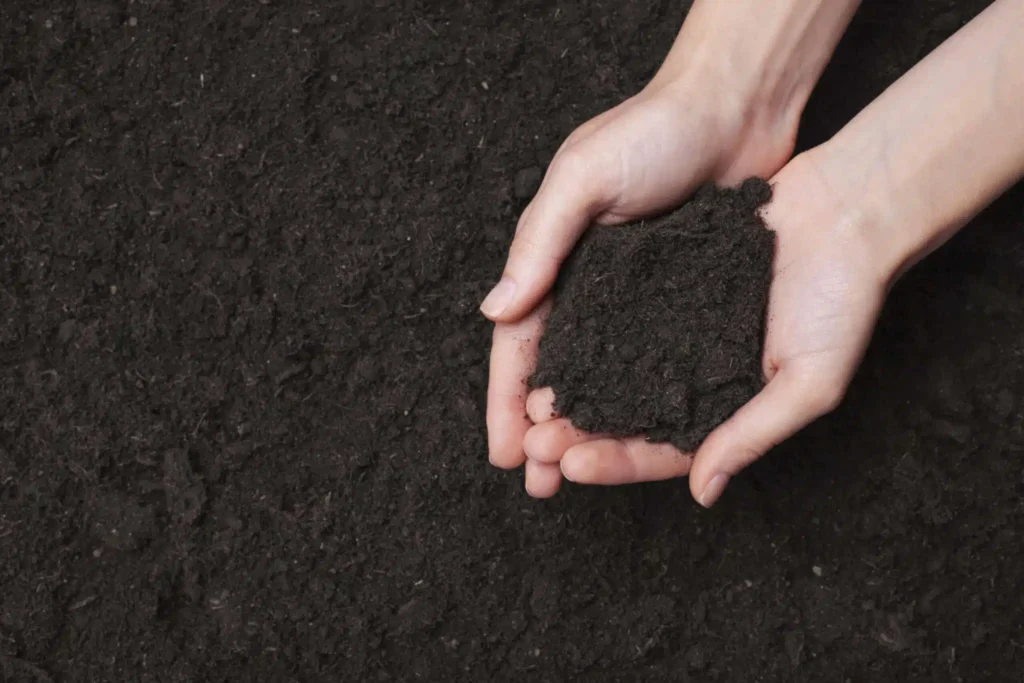
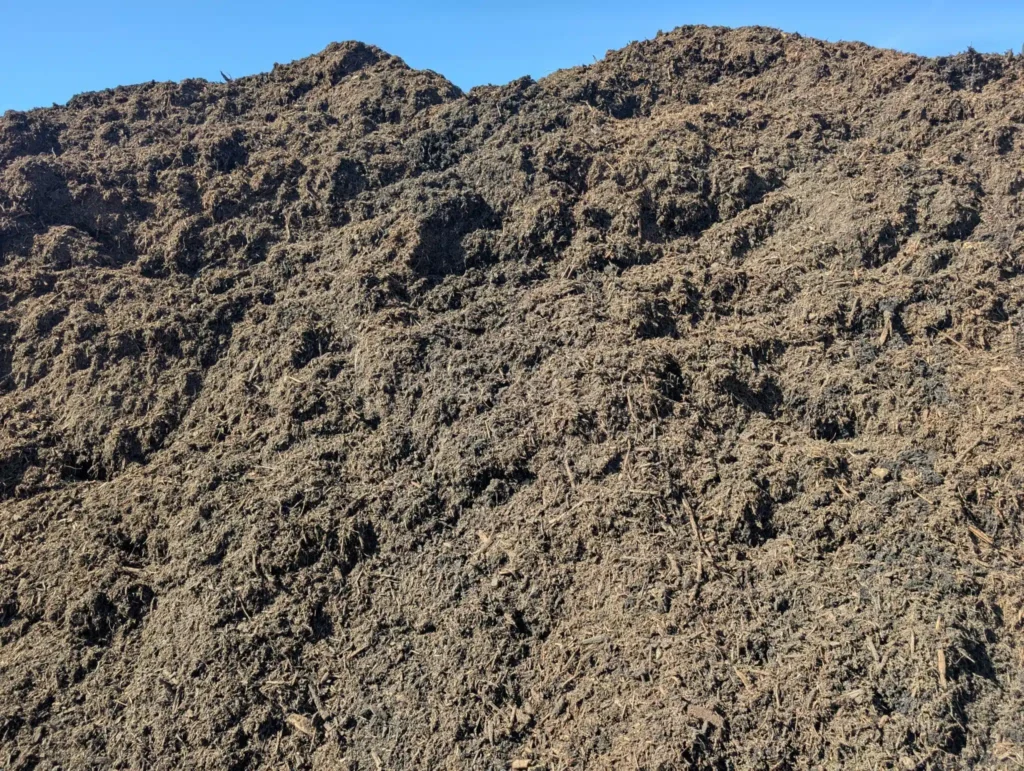
Bulk compost delivered in Kansas City, MO. Dark brown color.
Bulk Compost Delivery in Kansas City, MO
Kansas City sits on some of the heaviest clay in the lower Midwest, and most homeowners and contractors here learn that lesson the hard way. The native soil along the Missouri and Kansas River bottoms drains slowly, bakes into brick in the July heat, and starves new plantings of air. That is why bulk Compost is the single most useful material we deliver across the metro. Our compost is a dark brown, fully screened organic blend that breaks up tight clay, feeds soil biology, and holds the moisture your beds need between the storms that roll through from the west.
We deliver compost throughout Kansas City and the wider Kansas City MSA, from the Crossroads and Brookside out to the suburbs and the river towns.
Why Kansas City Gardeners and Builders Use Compost
Compost earns its keep in this market because it solves the problems our clay creates. Worked into the top six to eight inches of a bed, it opens the structure so roots can breathe and water can move. Spread thin across a lawn, it feeds the turf without the salt spike of synthetic fertilizer. The most common uses we see around Kansas City are:
- Raised garden beds: blending compost with Topsoil and a little Garden Soil to create a living mix that produces tomatoes and peppers all summer.
- Lawn topdressing: a quarter to half inch raked into cool-season fescue lawns in early fall to rebuild thin, compacted ground.
- Clay correction: tilling two to three inches of compost into new planting areas to fix the dense subsoil common across Jackson and Clay counties.
- Tree and shrub backfill: mixing compost into the planting hole so new stock establishes before winter.
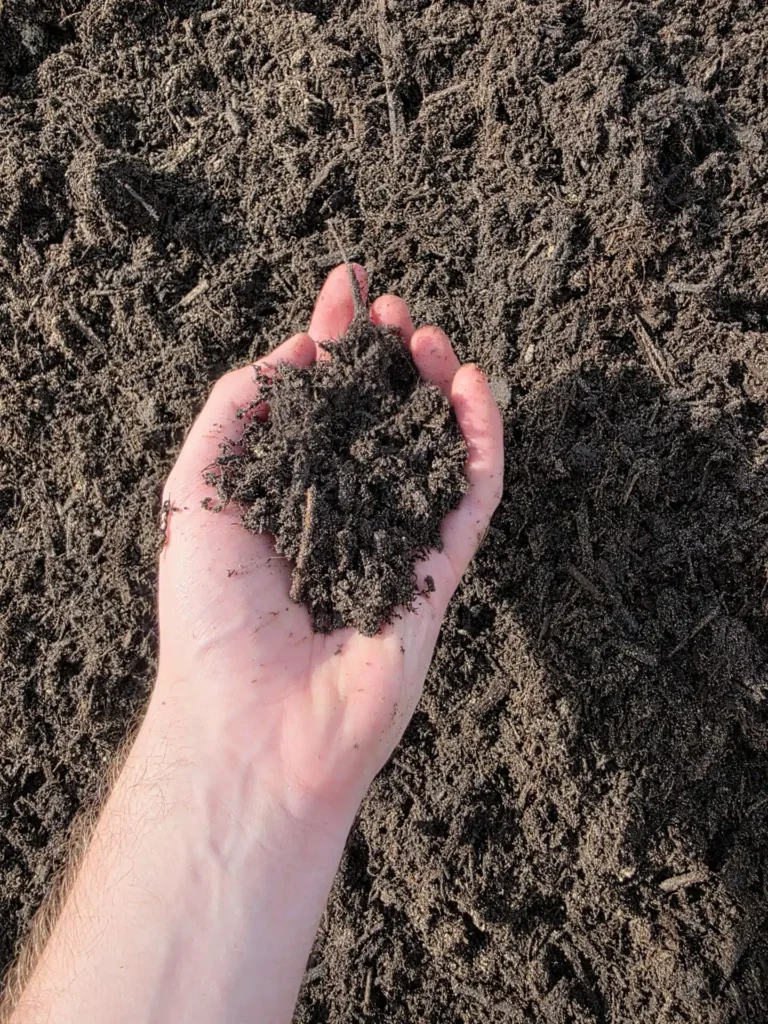
Many customers pair compost with a top layer of Hardwood Mulch once beds are planted, which locks in the moisture compost holds and keeps weeds down through the humid Missouri summer.
Local Delivery and Lead Times
Compost is a fast-moving product in Kansas City, especially from March through June and again in early fall. We keep ahead of demand so most local orders land quickly. On smaller loads of around three yards, expect delivery in 1-2 business days with a $213 delivery fee. Mid-size orders near eight yards often qualify for same or next-day delivery at a $115 fee, and large orders of fifteen yards or more ship with free delivery anywhere in the metro. Because we draw from yards close to the urban core, we reach Brookside, Waldo, Lee's Summit, and the Northland on the same schedule. Customers as far out as Omaha and Saint Louis order from us too, though closer-in Kansas City deliveries always move fastest.
How Much Compost Do You Need
Compost is sold by the cubic yard, and one yard covers roughly 100 square feet at three inches deep, the depth most beds want for a real soil rebuild. A 10 by 20 foot vegetable garden, 200 square feet, tilled to three inches needs about two yards. For lawn topdressing at a quarter inch, one yard stretches over roughly 1,300 square feet, so a typical 5,000 square foot Kansas City front yard takes close to four yards. A practical example: a homeowner in Lee's Summit building four 4 by 8 raised beds and topdressing a small back lawn will land right around eight yards, which puts them in our tier with same or next-day delivery.
Local Pricing Context
Compost in the Kansas City market, but the real value shows up at volume. Our three delivered tiers are straightforward: at a three-ton minimum you pay with a $213 delivery fee; at eight tons the rate drops to with a $115 fee; and at fifteen tons or more you pay with free delivery. For landscapers prepping multiple lots or a homeowner doing a full yard overhaul, ordering into the top tier almost always pencils out better than several small loads.
Spreading and Installation Tips
Compost is easy to work, but a few local habits make it go further:
- Have us dump on a tarp or driveway, not directly on lawn, since fresh compost left sitting can smother turf.
- For beds, spread two to three inches and till in rather than leaving it on the surface, where Kansas City wind and rain can crust it.
- For lawns, never exceed half an inch in a single pass or you risk burying the crowns of cool-season grass.
- Water lightly after spreading to settle the material and start the soil biology working.
Seasonal Notes for Missouri
The Kansas City growing window runs long but the soil swings hard between extremes. Early spring, once the ground thaws and dries enough to work, is prime time for bed prep and clay correction. Avoid tilling compost into soggy spring clay, which only compacts it further. Late summer heat slows decomposition, so a fresh compost topdress in late August or early September gives fescue lawns a strong start into the cool fall growing season that runs through October. Avoid heavy applications right before a hard freeze, since you want the material settled and integrated before winter dormancy. Order early in spring and fall, when demand across the metro and nearby Tulsa and Saint Louis markets peaks and yards move quickly.
Compost vs. Other Soil Products for Kansas City Projects
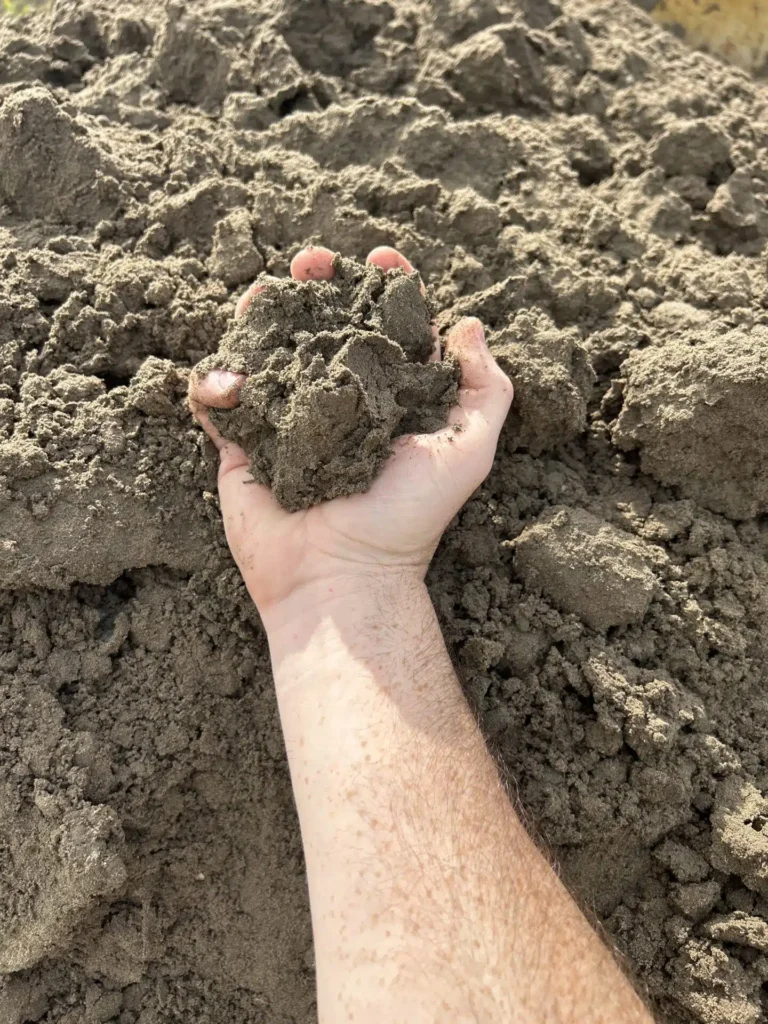
One question we field constantly from Kansas City customers is which material they actually need, because the names get used loosely at the big-box stores. Here is how the products differ in practice. Compost is pure organic matter, the amendment you mix into ground to fix it. Topsoil is a screened mineral soil that gives you bulk planting base and fill. Garden Soil is a ready-to-plant blend, usually topsoil already cut with organic matter. And Hardwood Mulch is the surface layer that protects everything underneath. On a typical Kansas City bed rebuild, you might order topsoil to bring grade up over stripped construction clay, compost to enrich it, and mulch to finish. Knowing which to buy keeps you from overpaying for the wrong material or under-amending a stubborn clay bed.
Working With Heavy Clay the Right Way
The mistake we see most often in Jackson and Clay counties is treating compost like a thin dressing on top of clay and expecting results. It does not work that way. To genuinely change clay, the compost has to be tilled down into it so the organic matter physically separates the clay particles and the new soil profile drains. A single light layer raked across hardpan just sits there and washes off in the next thunderstorm. Plan on two to three inches incorporated to a depth of six to eight inches for any bed you expect to perform. For larger reclamation jobs, repeating a lighter application the following season builds even better long-term structure as the first round fully integrates.
Ordering for Contractors and Crews
For the landscapers and grading crews we supply across the metro, the math on tiers is worth running before every job. A crew prepping three or four residential lots in the same week is almost always better off consolidating into a single fifteen-ton delivery with free delivery than paying the $213 fee on repeated small loads. Stage the pile centrally and shuttle it lot to lot. We can coordinate timing so the compost lands when your crew is ready to move it, which keeps labor from sitting idle in the Kansas City heat.
Whether you are filling raised beds in Brookside, rebuilding clay in the Northland, or topdressing acres for an HOA, our Kansas City compost delivery puts premium, screened material in your driveway on a schedule that works.
About Compost
About Our Compost
Our bulk Compost is a fully composted, dark brown organic material screened to a fine, uniform texture that spreads and tills evenly. It weighs roughly 1,000 pounds per cubic yard, lighter than soil or sand, which makes it easy to move with a wheelbarrow or rake once delivered. The material is matured well past the active heating stage, so it arrives stable, earthy-smelling, and ready to use rather than still breaking down.
is a soil amendment, not a standalone planting medium. Its job is to add organic matter, improve structure, and feed the microbial life that healthy plants depend on. Blended into existing ground or mixed with Topsoil and Garden Soil, it lightens heavy clay, helps sandy soils hold water, and steadily releases nutrients as it integrates. Typical applications include amending vegetable and flower beds, building raised-bed soil mixes, topdressing lawns, and enriching backfill for trees and shrubs.
with a layer of Hardwood Mulch delivers the organic matter that makes everything else grow better.
What Compost costs in Kansas City
In the Kansas City market, compost is sold by the ton and priced at the gate before delivery is added on. Send your ZIP and load size and we will send back a same-hour quote with the truck rate and the per-ton figure spelled out. One ton covers about 216 sq ft at a 3 inch finished depth, so a 400 sq ft driveway pad runs roughly 2 tons.
How crews use Compost in Kansas City
Crews working out of Kansas City tend to call for compost on a few repeat jobs each week. The first is planting bed gravel, typically laid in tight urban lots and infill builds with a base lift compacted before the finish course goes on. With a population around 508,090, Kansas City pulls a mix of single-truck homeowner orders and contractor full-loads through the season.
Delivery day in Kansas City
On the day of the drop, the dispatcher pulls the closest yard, batches your ticket with other Kansas City stops, and sends a window the night before. Tandem-axle dumps need at least 12 ft of clear width and 14 ft overhead to set the bed; tri-axles need 14 ft of clearance on both counts and a level pad to tip safely. Standard lead time on this lane is Mon-Sat, with same-day windows held open for orders that hit the desk before 11 AM and clear payment.
Related materials we deliver in Kansas City
 From $44.03/yard
- SizeScreened, no size grade
- Density2200 lb/yd³
- ColorDark brown
 From $40.95/yard
- Density2200 lb/yd³
- ColorBrown
 From $44.03/yard
- Density2000 lb/yd³
- ColorDark brown
Estimate how much you need
Calculate Your Project
Estimate only. Add 10-15% for compaction and waste.
Browse more
Available in nearby cities
Plan your project
Related guides
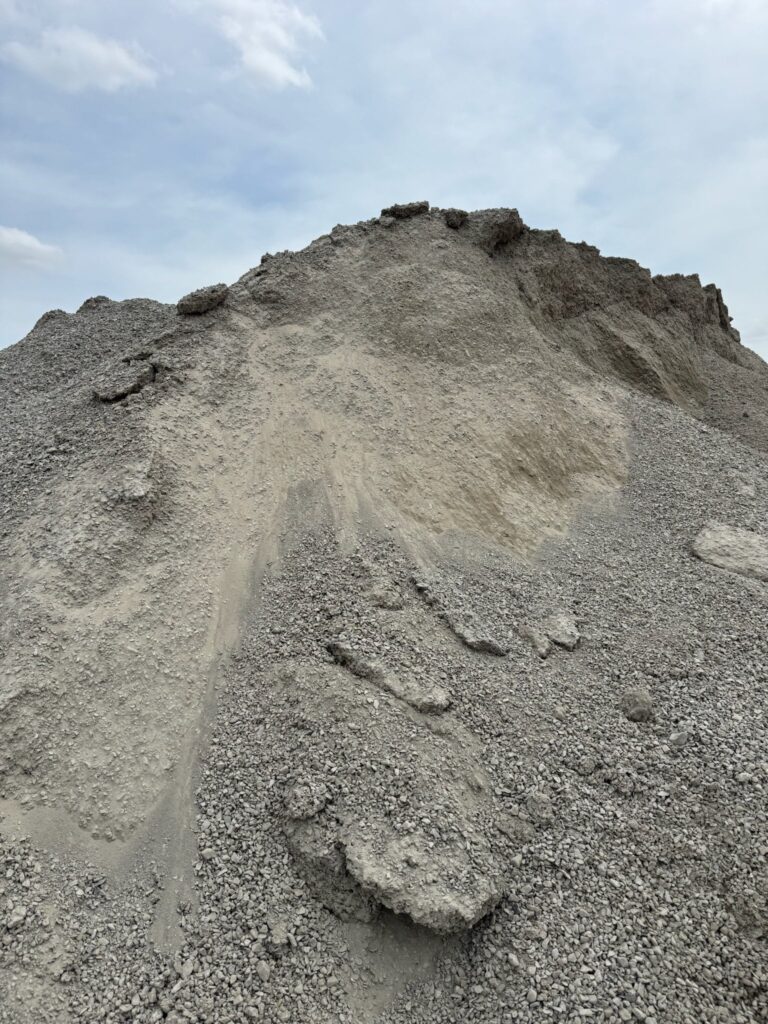 GUIDEWhat Are Screenings? A Guide to Crushed Stone FinesScreenings are fine crushed stone used for paver bases, joint fill and walkways. See what screenings are, common types, and mistakes to avoid.Read guide →
 GUIDEWhat to Put Under River Rock for Landscaping BedsHere is what to put under river rock landscaping: a compacted base where needed, then landscape fabric, then rock, to stop weeds and settling.Read guide →GUIDEHow to Clean River Rock and Restore Its ColorLearn how to clean river rock landscaping with rinsing, soap and vinegar methods, plus common mistakes to avoid for a brighter, longer lasting rock bed.Read guide →
 GUIDEHow to Lay a Gravel Driveway: Step-by-Step GuidePractical, field-tested guide: how to lay gravel driveway. Pulled from real US installer notes and 2026 supplier price data.Read guide →
Frequently Asked Questions
How much compost do I need for a garden bed in Kansas City?
Compost is sold by the cubic yard, and one yard covers about 100 square feet at three inches deep. A standard 10 by 20 foot garden tilled to three inches needs roughly two yards. For a full soil rebuild in Kansas City clay, three inches is the depth we recommend.
How fast can you deliver compost in Kansas City?
Most Kansas City orders ship quickly. Smaller loads around three yards arrive in 1-2 business days, while mid-size orders near eight yards often qualify for same or next-day delivery. Spring and early fall are our busiest seasons, so ordering ahead is wise.
Will compost help with Kansas City clay soil?
Yes. Heavy clay is the most common soil problem in the Kansas City area, and compost into the top six to eight inches of soil opens the structure so water drains and roots can breathe.
Can I use compost to topdress my lawn?
Absolutely. Spread a quarter to half inch of compost and rake it into the turf, ideally in early fall for cool-season fescue lawns common in Kansas City. One yard covers roughly 1,300 square feet at a quarter inch. Never exceed half an inch in a single pass.
When is the best time to apply compost in Missouri?
Early spring once the ground dries enough to work, and late summer into early fall, are both prime windows in Missouri. Avoid tilling into soggy spring clay and avoid heavy applications right before a hard freeze so the material can settle before winter.
How is bulk compost delivered and dumped?
We deliver loose compost can smother turf if left sitting. Have a clear, accessible spot ready for the truck.
Do you deliver compost outside Kansas City proper?
Yes, we cover the full Kansas City MSA including Lee's Summit, the Northland, and the surrounding suburbs. We also ship to nearby markets like Saint Louis and Tulsa, though deliveries closest to Kansas City move on the fastest schedule.
Should I put mulch over compost?
For planted beds, yes. Once compost is worked in and your plants are set, a two to three inch layer of Hardwood Mulch on top locks in moisture, suppresses weeds, and protects the soil through the humid Missouri summer.