Riprap Med Delivery in Kansas City, MO
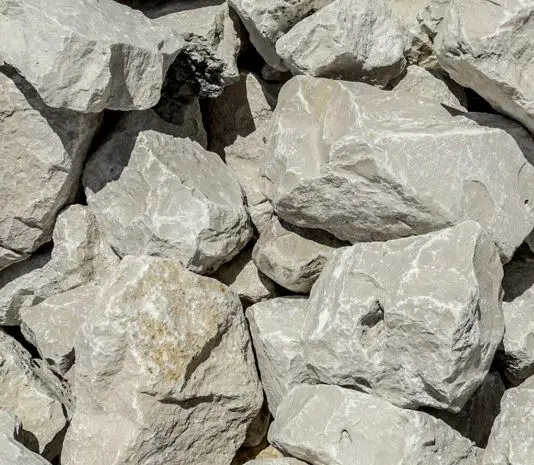
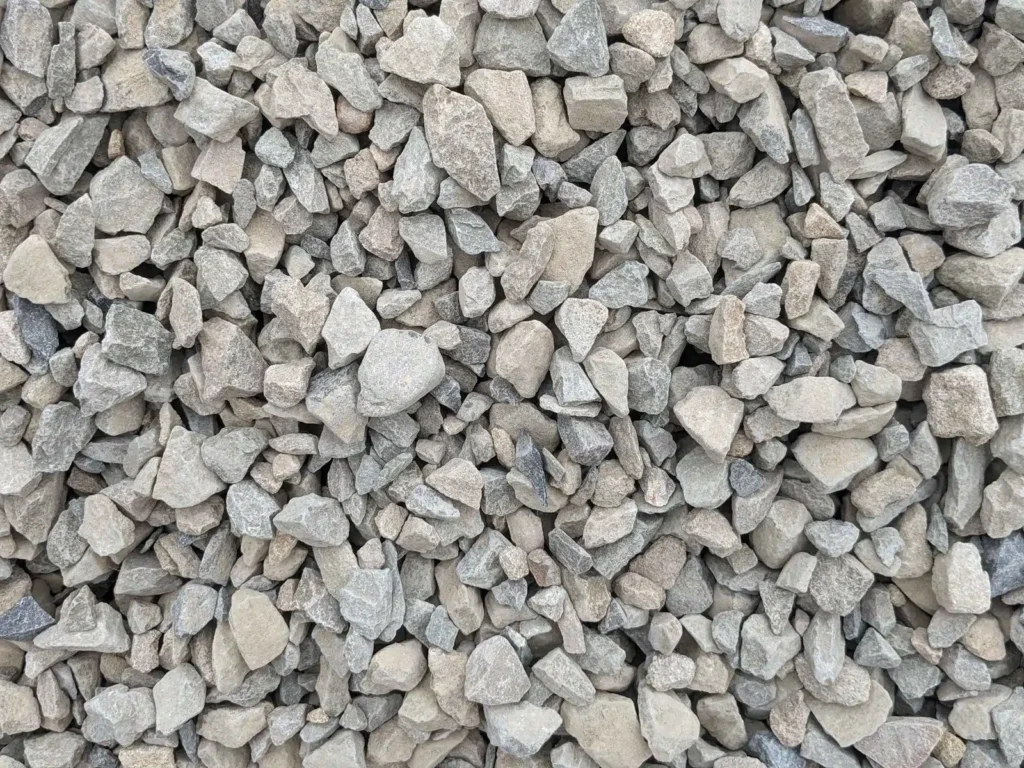
Bulk riprap med delivered in Kansas City, MO. Stone size 4 - 9. Gray color.
Medium Riprap in Kansas City: Heavy Stone for the Missouri River Bottoms
Kansas City sits where the Missouri and Kansas rivers meet, and that geography puts erosion control near the top of every contractor's list. Riprap Med, our gray 4 to 9 inch armor stone, is the size class crews across the metro reach for when sheet flow, river current, or a storm-swollen creek starts pulling soil off a slope. It is too heavy for foot traffic to scatter, too large for fast water to displace, and angular enough to lock together into a stable mat that protects the ground underneath for decades.
The river bottoms and clay uplands that define the Kansas City landscape both create drainage headaches. Heavy Missouri clay sheds water fast during the spring storm season, and the freeze-thaw cycles that grip the area from December through March pry loose anything that is not anchored. Riprap Med answers both problems at once, which is why we keep it stocked and moving year round to job sites from the West Bottoms to Lee's Summit and out toward Independence.
What Riprap Med Is and Why Kansas City Crews Use It
Riprap Med is quarried gray stone graded to a 4 to 9 inch range, weighing roughly 2,700 pounds per cubic yard. The angular faces are the whole point: unlike rounded gravel, broken quarry rock keys into itself, so a placed layer behaves more like a flexible armor blanket than a loose pile. That property is exactly what the wet, freeze-prone Kansas City climate demands.
Around the metro, this stone shows up on a predictable set of jobs:
- Streambank and shoreline protection along the Blue River, Brush Creek, and the countless tributaries that flood during Missouri thunderstorm season.
- Slope armoring on the steep cut banks common in Northland subdivisions and along I-435 and I-70 grade work.
- Culvert and storm outlets where concentrated discharge would otherwise scour out the receiving channel.
- Pond and detention basin edges on commercial sites across Johnson County and Jackson County.
- Bridge abutment and low-water crossing armor on rural roads in the outlying counties.
For lighter drainage where you want water to move through rather than be deflected, many Kansas City crews pair Riprap Med with a bed of Drain Rock behind a filter fabric. Where the look matters more than the muscle, decorative jobs lean on River Rock instead. And on budget-driven base and fill work, Crushed Concrete remains the workhorse. But when the assignment is genuinely holding a slope or a bank against moving water, Riprap Med is the stone that does it.
Local Delivery and Lead Times in Kansas City
We run Riprap Med out to the entire Kansas City MSA, covering both the Missouri and Kansas sides of the state line and reaching south to Olathe and Overland Park, east to Blue Springs, and north across the river into Gladstone and the airport corridor. Small one to five ton orders typically land within 1 to 2 business days. Mid-size loads in the 6 to 15 ton range usually go out same day or next day depending on cutoff time. Full sixteen ton truckloads are scheduled around your site access and our route for the day.
Because Kansas City spans two states and a wide rural fringe, we ask about site access up front. A dump truck needs firm ground and room to raise the bed, which is rarely an issue on a commercial pad but worth confirming on a soft riverbank job or a tight residential lot in Brookside or Waldo. If you are running a larger project alongside crews in nearby Saint Louis (238 mi) or coordinating with a yard near Tulsa (218 mi), we can stage deliveries to match your phasing.
How Much Riprap Med You Need
Riprap Med is sold by the ton. For planning, a placed layer of 4 to 9 inch stone roughly 12 inches thick covers about 80 to 90 square feet per ton. Going thinner is false economy on an erosion job, since a single-stone-deep layer leaves gaps that fast water exploits.
Here is a realistic Kansas City example. Say you are armoring a 60 foot run of eroding Blue River bank, 10 feet up the slope face, at a 12 inch thickness. That is 600 square feet, which at roughly 85 square feet per ton works out to about 7 tons. At our 6 ton tier of 120 dollars per ton, that load comes to 840 dollars in stone plus a 139 dollar delivery fee. Push the same project to a fuller 16 ton order, perhaps adding a culvert outlet and a basin edge, and the rate drops to 99 dollars per ton with free delivery, which is where the value really shows.
Local Pricing Context
Riprap Med in Kansas City starts from 99 dollars per ton. Our pricing rewards bigger loads, which suits the scale of most erosion work in this metro:
- 1 ton minimum: 133 dollars per ton with a 257 dollar delivery fee, arriving in 1 to 2 business days.
- 6 ton minimum: 120 dollars per ton with a reduced 139 dollar delivery fee and same or next day service.
- 16 ton minimum: 99 dollars per ton with free delivery across the Kansas City area.
Most bank and slope jobs naturally land in the 6 to 16 ton window, so it pays to measure carefully and order the tier that matches the real footprint rather than topping up later at a higher rate.
Installation and Spreading Tips
Good riprap starts below the stone. On Kansas City clay, strip vegetation and loose soil, shape the slope to a stable angle, and lay a non-woven geotextile filter fabric before placing rock. The fabric is what keeps the underlying soil from washing out through the voids, and skipping it is the single most common reason a riprap apron fails here.
Place the stone, do not dump and leave it. Work the 4 to 9 inch pieces so larger and smaller stones interlock and the surface sits reasonably tight, with no long open channels for water to find. Key the toe of the installation in below the expected scour line, and on shoreline work carry the armor above the high-water mark. On a steep bank, a small excavator with a thumb beats a wheelbarrow every time.
Seasonal Notes for Missouri
Time your erosion work around the Kansas City calendar. Spring brings the heaviest rains and the highest river stages, so the ideal window for placing bank armor is late summer through fall when flows are low and the ground is workable. Winter freeze-thaw is relentless on exposed soil, which is exactly why a properly placed riprap mat earns its keep, but frozen, snow-covered ground makes mid-winter placement awkward. Get the stone down before the December freeze and it will be locked in and protecting your slope when the spring melt and thunderstorms arrive.
About Riprap Med
Riprap Med is graded angular quarry stone sized in the 4 to 9 inch range, supplied in a natural gray color. It weighs approximately 2,700 pounds per cubic yard and is sold by the ton. As a medium-class riprap, it bridges the gap between smaller drainage stone and the large boulders used on major hydraulic structures, making it the most versatile armor stone for everyday erosion and water-management work.
The defining feature is the angular, broken face of each piece. When placed, these faces interlock to form a flexible, self-supporting layer that resists displacement by flowing water, wave action, and gravity on a slope. That mechanical keying is what separates true riprap from rounded landscape gravel, which rolls and scatters under the same loads.
Typical uses include streambank and shoreline protection, slope and embankment armoring, culvert and pipe outlet aprons, detention and retention pond edges, bridge abutment scour protection, and channel lining. The medium grade is large enough to stand up to moderate to high flow velocities yet small enough to place by hand or with a compact machine, which keeps labor manageable on residential and light commercial sites.
For best performance, riprap is installed over a geotextile filter fabric or a graded granular filter, which prevents the underlying soil from migrating up through the voids. A well-built riprap installation is essentially maintenance free and routinely lasts decades. Stone color and exact gradation can vary slightly by quarry source, since this is a natural quarried product rather than a manufactured one, but every load is screened to meet the stated 4 to 9 inch size range.
What Riprap Med costs in Kansas City
Local Kansas City yards quote riprap med by the ton; the delivered number includes fuel, the truck, and the haul. Send your ZIP and load size and we will send back a same-hour quote with the truck rate and the per-ton figure spelled out. A ton of this material spreads across about 80 sq ft when laid 3 inches deep, useful when you are sizing a patio base or a walkway run.
How crews use Riprap Med in Kansas City
In and around Kansas City, riprap med shows up most often on two project types. The most common deployment is erosion control, often in tight urban lots and infill builds in two to three inch lifts. Second on the list is drainage gravel, which we see in dense neighborhoods where curb access is short on partial-truck deliveries. At roughly 508,090 people, the Kansas City order mix leans toward 3 to 8 ton residential drops with the occasional 16 ton job for a contractor.
Delivery day in Kansas City
A typical Kansas City drop is dispatched from the closest yard with a two hour window and a heads-up call once the truck is loaded. Tandem trucks want a 12 ft lane in and out; tri-axles need 14 ft, and both want firm ground at the tipping spot so the load releases cleanly. Standard lead time on this lane is Mon-Sat, with same-day windows held open for orders that hit the desk before 11 AM and clear payment.
Related materials we deliver in Kansas City
Estimate how much you need
Calculate Your Project
Estimate only. Add 10-15% for compaction and waste.
Browse more
Available in nearby cities
Plan your project
Related guides
 GUIDEWhat to Put Under River Rock for Landscaping BedsHere is what to put under river rock landscaping: a compacted base where needed, then landscape fabric, then rock, to stop weeds and settling.Read guide →GUIDEHow to Clean River Rock and Restore Its ColorLearn how to clean river rock landscaping with rinsing, soap and vinegar methods, plus common mistakes to avoid for a brighter, longer lasting rock bed.Read guide →
 GUIDEHow to Lay a Gravel Driveway: Step-by-Step GuidePractical, field-tested guide: how to lay gravel driveway. Pulled from real US installer notes and 2026 supplier price data.Read guide →
 GUIDEDoes Gravel Stop Weeds? Honest Answer + What WorksPractical, field-tested guide: does gravel stop weeds. Pulled from real US installer notes and 2026 supplier price data.Read guide →
Frequently Asked Questions
How much Riprap Med do I need for a slope in Kansas City?
Plan on roughly 80 to 90 square feet of coverage per ton at a 12 inch placed thickness, which is the standard depth for erosion work. A 600 square foot bank section therefore needs about 7 tons. Measure the length, the slope height, and the thickness, then convert to square feet to size your order.
How fast can you deliver Riprap Med in the Kansas City area?
Small one to five ton orders generally arrive within 1 to 2 business days. Loads of 6 tons or more often go out same day or next day depending on the time you order. Full 16 ton truckloads are scheduled around your site access and our daily route across the metro.
What is the minimum order for Riprap Med?
The minimum is 1 ton, priced at 133 dollars per ton with a 257 dollar delivery fee. Stepping up to 6 tons drops the rate to 120 dollars per ton, and a 16 ton load brings it to 99 dollars per ton with free delivery, so larger orders are significantly more economical.
Do I need filter fabric under riprap on Kansas City clay?
Yes. A non-woven geotextile filter fabric placed between the soil and the stone is essential, especially on the heavy clay common around Kansas City. Without it, water works the fine soil up through the voids and the riprap eventually slumps. Skipping the fabric is the most common cause of failed installations here.
Can Riprap Med handle the Blue River and Brush Creek flooding?
The 4 to 9 inch medium grade is well suited to the moderate to high flows seen on Kansas City tributaries during thunderstorm season. For the most extreme channels or large structures you may need a larger stone class, but for typical residential and light commercial bank protection, Riprap Med is the right call.
When is the best time of year to place riprap in Missouri?
Late summer through fall is ideal, when river stages and flows are at their lowest and the ground is workable. Spring brings the heaviest rains and highest water. Getting stone placed before the December freeze means the armor is locked in and protecting your slope when the spring melt and storms arrive.
How is Riprap Med different from Drain Rock?
Riprap Med is large 4 to 9 inch angular armor stone meant to deflect and resist moving water on slopes and banks. Drain Rock as the surface armor.
Do you deliver across the Missouri and Kansas state line?
Yes. We cover the full Kansas City MSA on both sides of the line, reaching Overland Park and Olathe in Kansas and Blue Springs, Lee's Summit, and Independence in Missouri, plus the Northland across the river. We can also stage deliveries to coordinate with projects near Saint Louis or Tulsa.
Can I place Riprap Med myself or do I need a machine?
On small residential aprons and short bank sections, two people can place 4 to 9 inch stone by hand. On steep banks or larger runs, a compact excavator with a thumb is far faster and lets you key stones together properly. Either way, place the stone deliberately rather than dumping it in a loose pile.
What thickness should the riprap layer be?
For most Kansas City erosion and slope jobs, a 12 inch placed thickness over filter fabric is standard, which is roughly one and a half to two stone diameters deep. Going thinner leaves gaps that fast water exploits. On high-velocity channels, increase the thickness and consider a larger stone size.