Pool Deck Gravel Calculator
Quickly estimate cubic yards, tons, and material cost for your Pea Gravel project. Adjust the inputs below and the result updates in real time.
Calculate Your Project
Estimate only. Add 10-15% for compaction and waste.
How this calculator works
Cubic yards = (area × depth ÷ 12) ÷ 27
Tons = cubic yards × density × 27 ÷ 2000
Pool surround gravel calculator. Defaults to 4" depth of pea gravel; adjusts to river rock or DG.
Enter your area and depth, and we'll compute cubic yards, tons, and a delivered material cost using current 2026 quarry pricing.
What the pool deck gravel calculator computes
Pool deck gravel applications surround inground or above-ground pools with a decorative, walkable surface that handles water exposure and barefoot traffic. The calculator computes cubic yards needed for a specified pool deck area and finished depth. Pool deck applications typically run 2 to 3 inches of surface gravel over a 2 to 3 inch compacted base.
A typical 16 by 32 foot inground pool with a 6 foot wide gravel deck surround needs about 5 to 7 tons of surface gravel plus 5 to 7 tons of Paver Base or Crusher Run for the base course. Total aggregate tonnage for the deck install is 10 to 14 tons, fitting one tandem-axle delivery.
Pool deck gravel options
Three gravel types dominate pool deck installations. River Rock (1 to 3 inch rounded stones in mixed natural colors) is the premium pool deck pick. The rounded shape is comfortable underfoot, the natural earth tones complement most pool design styles, and the larger size resists displacement from foot traffic and pool maintenance carts.
Pea Gravel for low-traffic pool decks and as accent zones around landscape features adjacent to the pool.
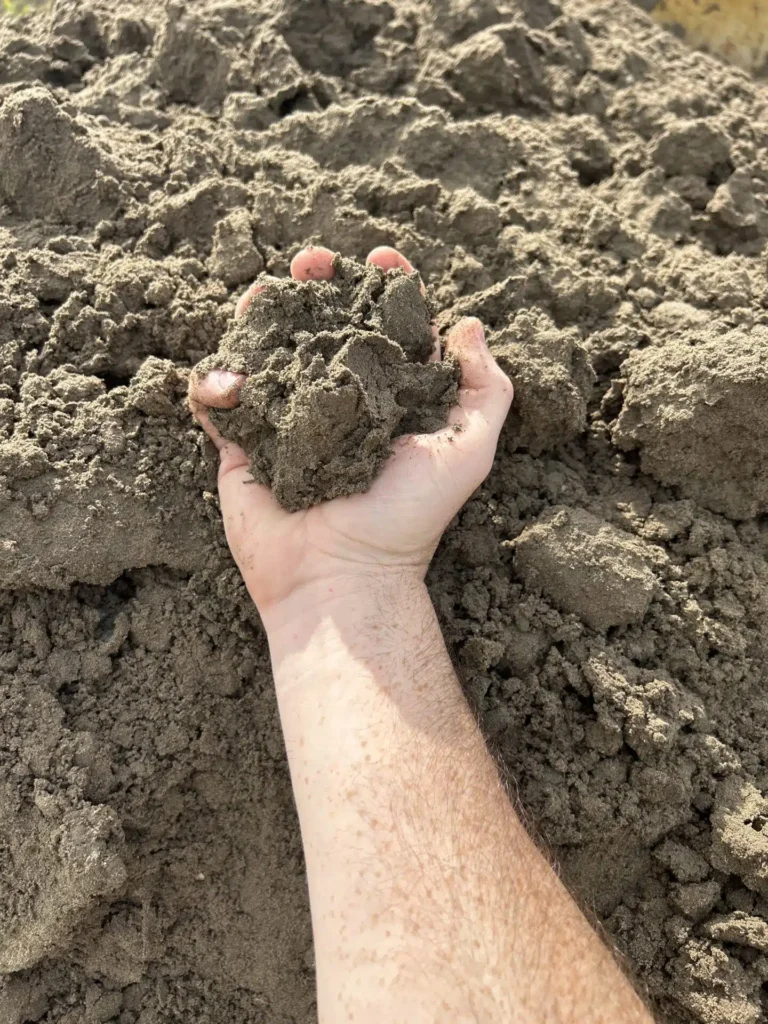
Decomposed Granite (DG) is the modern contemporary choice. The fines bind under compaction to create a near-paved walking surface in golden tan tones. DG is the best of both worlds for pool decks: walkable, intentional-looking, low-migration. The downside is slightly higher cost ($72 to $468 per ton).
Why pool deck installs differ from regular gravel
Pool decks face four design constraints that regular gravel applications do not. First, water exposure. Pool splash, hose-down maintenance, and seasonal rain all add up to a wet environment most of the year. The base must drain freely; pool decks are NOT the place for fines-rich materials like Crusher Run as a finish.
Second, barefoot traffic. Rough crushed angular materials (#57 Crushed Stone, #4 Crushed Stone) are uncomfortable on bare feet. Use rounded gravels (Pea Gravel, River Rock) or wet-compacted DG that produces a smooth surface.
Third, chlorine and pool chemicals. Repeated chlorine exposure breaks down some aggregates over years. Granite-based materials (Decomposed Granite, certain crushed stones) hold up better than limestone-based products. Ask the supplier about the parent rock for the aggregate you order.
Fourth, edge integration with the pool coping. The gravel deck typically terminates at a paver or stone coping that frames the pool edge. The coping must be installed first; the deck base and finish gravel slope away from the coping at 1 to 2 percent for drainage.
Install sequence for a pool deck
The install sequence is: excavate the deck area to 4 to 6 inches below the planned finished grade, set perimeter edging (steel landscape edging or stone borders), place 2 to 3 inches of Paver Base or Crusher Run compacted in two lifts, lay 4 to 6 ounce filter fabric over the base, place 2 to 3 inches of surface gravel (River Rock, Pea Gravel, or DG), rake smooth.
For DG installs specifically, wet-compact the surface after spreading. The fines bind only when wet and compacted; dry-spread DG stays loose. A garden hose mist plus a couple of passes with a plate compactor produces the final stable surface.
Grade matters around the pool. The deck surface must slope AWAY from the pool at 1 to 2 percent to prevent rainwater and pool chemicals from flowing back into the pool. Achieve this by setting the base course at the right elevations before placing the finish gravel; trying to correct the slope by varying the finish course thickness produces an unstable surface.
Pricing and maintenance for pool decks
River Rock at $54 to $476 per ton delivered is the premium pool deck material. Pea Gravel at $43 to $321 is mid-range. Decomposed Granite at $72 to $468 is also mid-range with stronger walkability. For a typical 12 by 16 foot pool deck area (192 square feet) at 2.5 inch finish depth, the surface gravel cost runs $80 to $200 plus another $80 to $150 for the base course.
for the finish surface, Paver Base for accent zones. Order everything together for one delivery fee.
Maintenance is annual or biannual. Each spring, top up the finish gravel by 1/2 to 1 ton (about $50 to $100 in materials) to restore depth. Rake smooth, refresh the edging if any sections have migrated. Pool decks with high foot traffic may need top-up twice a year. Plan the maintenance for early in the pool season before guests arrive.
Drainage to prevent pool chemistry contamination
Pool deck drainage matters for two reasons. First, draining rainwater and pool splash away from the pool prevents chlorine and pool chemicals from contaminating the surrounding lawn and beds. Second, draining toward the pool would carry leaves, dirt, and contaminants into the pool, increasing maintenance cost and reducing water quality.
The standard deck drainage approach is a 1 to 2 percent slope away from the pool coping, sheet-flowing across the gravel deck to a perimeter drain or directly to surrounding soil. For larger pool decks (over 200 square feet), add a perimeter strip drain (a linear trench drain with a grate at grade) that collects water at the deck edge and pipes it to a daylight outlet or stormwater system.
Pool chemical considerations matter for plantings adjacent to the deck. Chlorine-sensitive plants (azaleas, gardenias, many roses) suffer if pool splash drains onto their root zones. Plant chlorine-tolerant species (junipers, ornamental grasses, sedums) within 5 feet of the pool deck edge. Or design the deck drainage to route water at least 5 feet beyond the planted areas before it reaches soil.
For saltwater pools, the drainage concern is salt rather than chlorine. Salt-tolerant plantings (sea oats, beach grass, plumbago) handle the runoff; salt-sensitive species do not. Saltwater pool decks are also harder on metal edging and fasteners; use marine-grade stainless or aluminum hardware throughout.
For pools surrounded by densely planted landscape, a perimeter buffer strip of bare ground or hardscape between the pool deck and the planted beds acts as a chemical containment zone. The strip is typically 2 to 4 feet wide, covered in stone or pavers, and is not planted. Spilled pool chemicals or chlorinated splash water lands and dries on the buffer strip without reaching plant root zones.
Materials this calculator covers
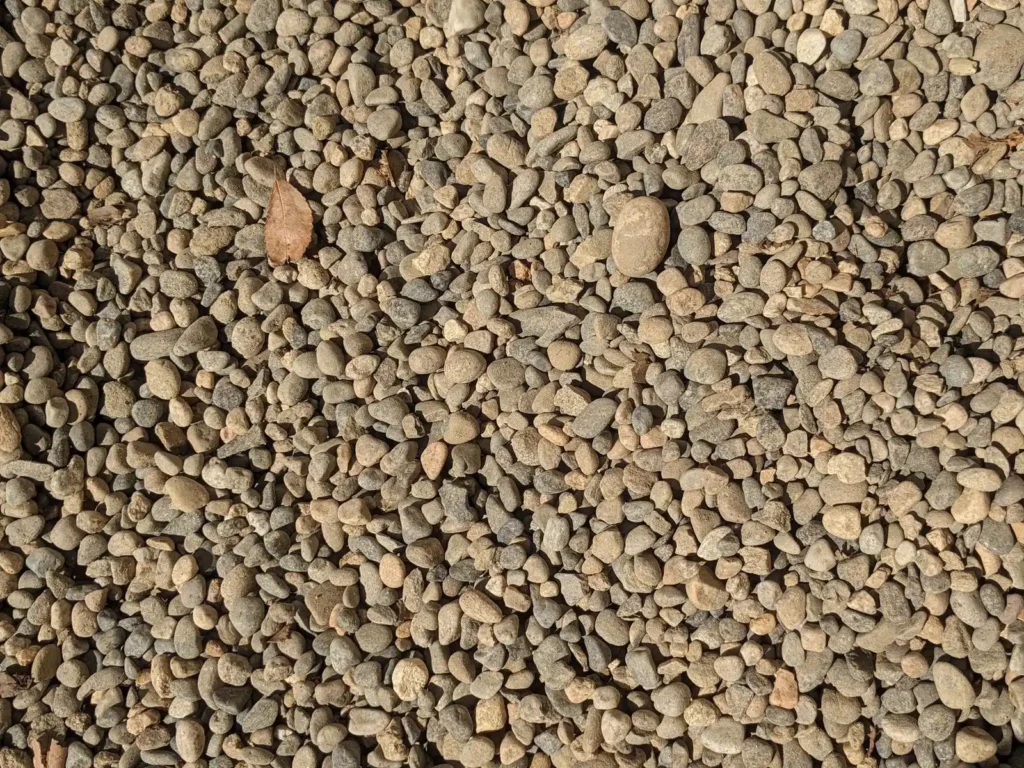
From $43.24/ton- Size1/4 - 3/8″
- Density2800 lb/yd³
- ColorTan / mixed
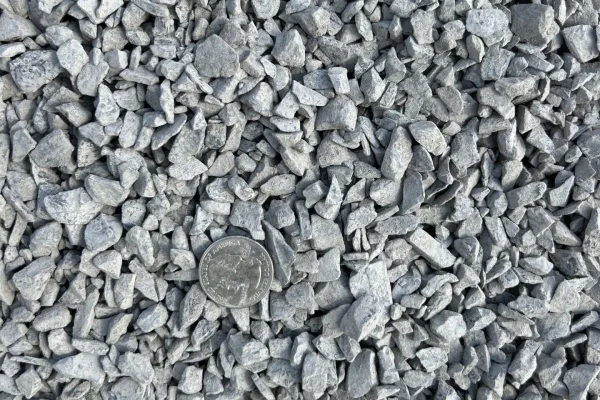 From $41.80/ton
- Size3/8″
- Density2600 lb/yd³
- ColorGray
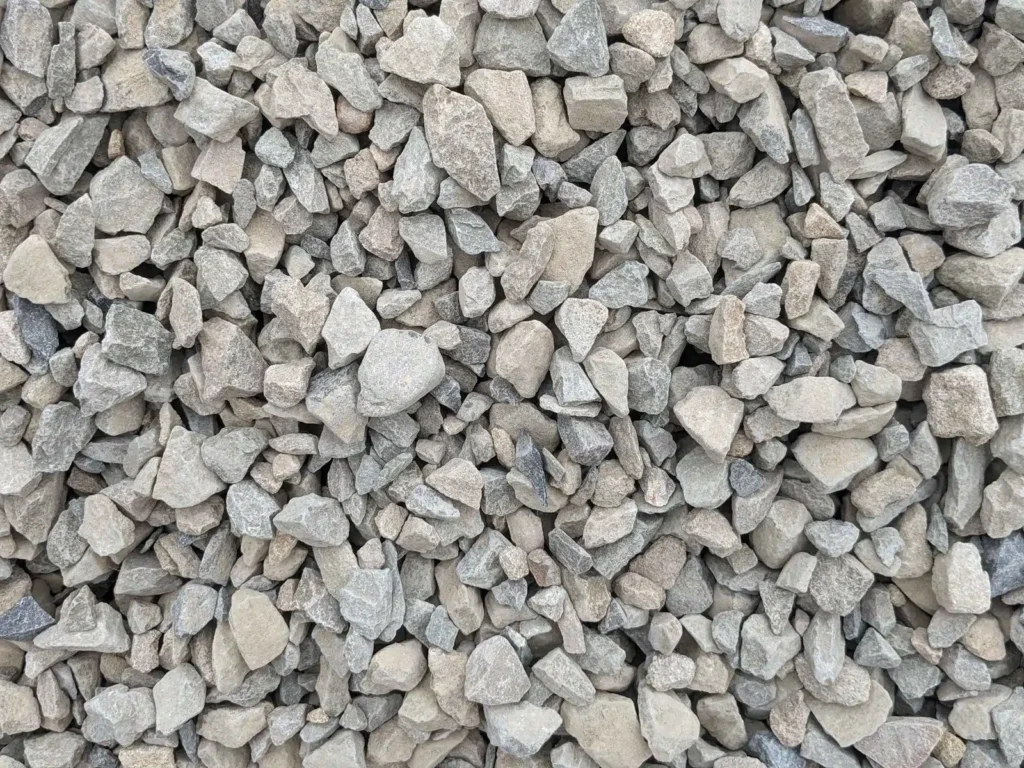 From $44.17/ton
- Size0 - 1/4″
- Density2800 lb/yd³
- ColorGray
Other calculators
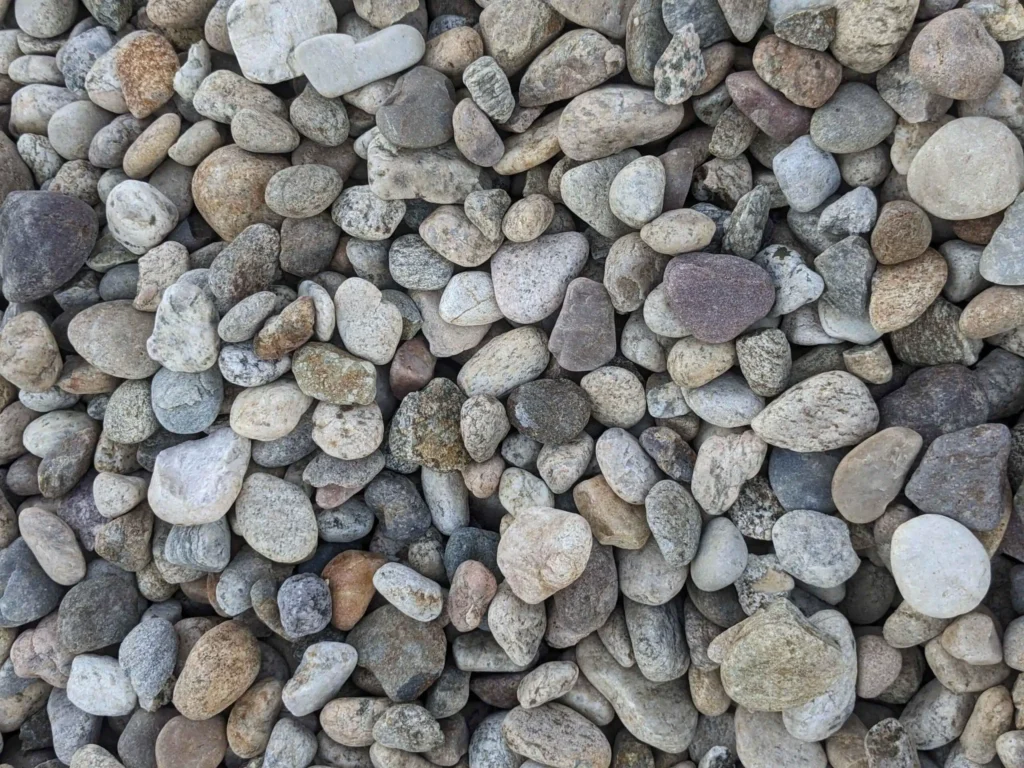 CALCULATORLandscape Rock CalculatorUse this landscape rock calculator to convert area and depth into cubic yards and tons for river rock or decomposed granite.Open calculator →CALCULATORPea Gravel CalculatorUse this pea gravel calculator to turn length, width and depth into cubic yards, then into the tons of Pea Gravel to order.Open calculator →CALCULATORFire Pit Gravel CalculatorDecorative gravel around a fire pit. River rock is heat-stable; pea gravel can spall - use this calc to plan.Open calculator →CALCULATORGravel Walkway CalculatorMaterial estimator for a gravel garden path or backyard walkway. Default 3" depth.Open calculator →
Related guides
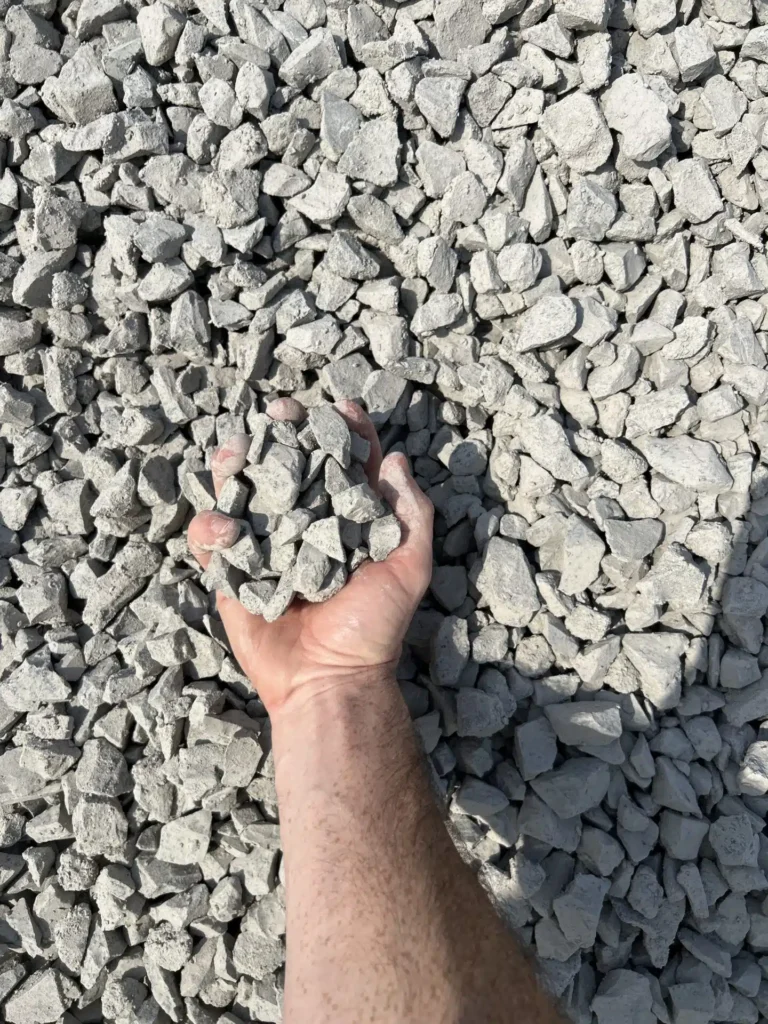 GUIDEGravel Size Chart: Pea Gravel to Crushed StoneA gravel size chart showing pea gravel, crushed stone and river rock diameters side by side, so you can match the right size to your project.Read guide →GUIDEThe Different Types of Gravel and How to ChooseA plain-language guide to the main types of gravel, covering pea gravel, crushed stone, river rock and decomposed granite.Read guide →GUIDEHow Much Does Gravel Cost? A Practical Pricing GuideHow much does gravel cost and why does it vary? See the real factors behind ton pricing, delivery, and order size before you buy.Read guide →
 GUIDEWhat Is #57 Stone? Uses, Size, and Cost ExplainedPractical, field-tested guide: what is 57 stone. Pulled from real US installer notes and 2026 supplier price data.Read guide →
Frequently Asked Questions
How does this calculator work?
Enter area in sq ft and depth in inches. We convert to cubic yards, multiply by density to get tons, and divide by 2,000.
What if I don't know the depth?
Most projects use 4 inches. Drainage applications go deeper (6-12 in).
Why is the estimate different from my supplier quote?
Within 10% is normal - supplier quotes include delivery + minimum-load surcharges that depend on your distance from the quarry.
Should I round up?
Yes - round up to the nearest half-ton. The price-per-ton usually drops on larger orders.
Does this include delivery cost?
No - the result is material cost only. Get a delivered quote with your ZIP for the full price.
Can I use this for another material?
Density varies by material. This calculator is tuned for pea-gravel; switch to the matching calculator for accurate results.