
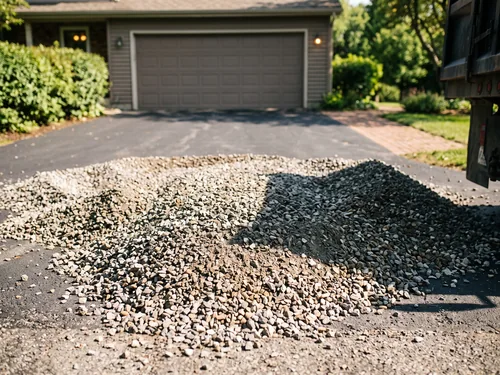
Driveway Gravel in Everett, WA
Material picks, pricing, and pro tips for driveway gravel projects in Everett, WA.
What driveway gravel needs in Everett
Everett driveways face steady rainfall and occasional snow, making proper base preparation critical to long-term success. The city's moderate temperatures mean freeze-thaw cycles are less severe than in northern Washington, but moisture management matters year-round. A well-built driveway gravel surface can last 3 to 5 years before needing fresh material, depending on traffic volume and regular maintenance. Without attention to drainage, your driveway will develop ruts and settle unevenly within the first year.
Driveway gravel materials and sizes
Driveway Gravel comes in two primary options for Everett properties. #57 Crushed Stone is angular and compacts firmly, offering excellent stability under vehicle weight and a neat, finished appearance. Asphalt Millings provide a darker appearance and are often preferred in urban areas where recycled materials suit the neighborhood aesthetic. In Everett, gravel and stone materials are priced by the ton. Neither performs well in wet climates without good drainage, so ensure water can flow away from your driveway edge toward the street or a perimeter swale.
Depth, base preparation and how much to order
Most durable driveways perform best with 3 to 4 inches of finished gravel over a 4-inch compacted base layer. To calculate tonnage, multiply length in feet by width in feet by depth in inches, then divide by 324 to get cubic yards. You'll then convert cubic yards to tons using the material's density. A simple way to estimate: a 12-foot-wide, 30-foot-long driveway with 3 inches of gravel typically needs 3 to 4 tons of base material plus 2 to 3 tons of finish stone. The calculator will refine your estimate for your exact dimensions and material choice. The calculation matters because underestimating material leads to a thinner surface that ruts quickly, while overestimating wastes money.
Local conditions that affect Everett driveway builds
Everett's clay and silt soils compact well, which helps gravel settle into a stable base more effectively than sandy soils. Drainage is the primary challenge here; if water pools on your driveway after rain, you may need to create a slight crown or add a perimeter swale to redirect water. Spring runoff and fall rains test poorly built surfaces, so invest time and material in a solid base layer before spreading your final driveway gravel. Check your local slope: a slight incline toward the street (at least 1 to 2 percent grade) prevents standing water that weakens the structure.
Scheduling delivery and finishing your driveway
Delivery in Everett is available to most residential addresses year-round. Arrange your order with enough lead time for either small jobs starting at 3 tons or bulk orders of 15 tons or more. Most deliveries occur within 1 to 2 business days of order placement. Once material arrives at your property, spread it evenly across your driveway to the depth you calculated, rake it level, and compact it with a roller or by driving over it several times with your vehicle. Allow a week for settling before expecting a polished appearance.
About Driveway Gravel projects
A driveway gravel surface provides an attractive, low-cost alternative to asphalt or concrete. Installing gravel involves selecting crushed stone or recycled asphalt, determining the proper depth for your traffic level, and arranging delivery to your Everett home. Quality projects start with a solid base layer and proper water drainage to ensure the surface stays stable through years of rainfall.
Recommended materials for
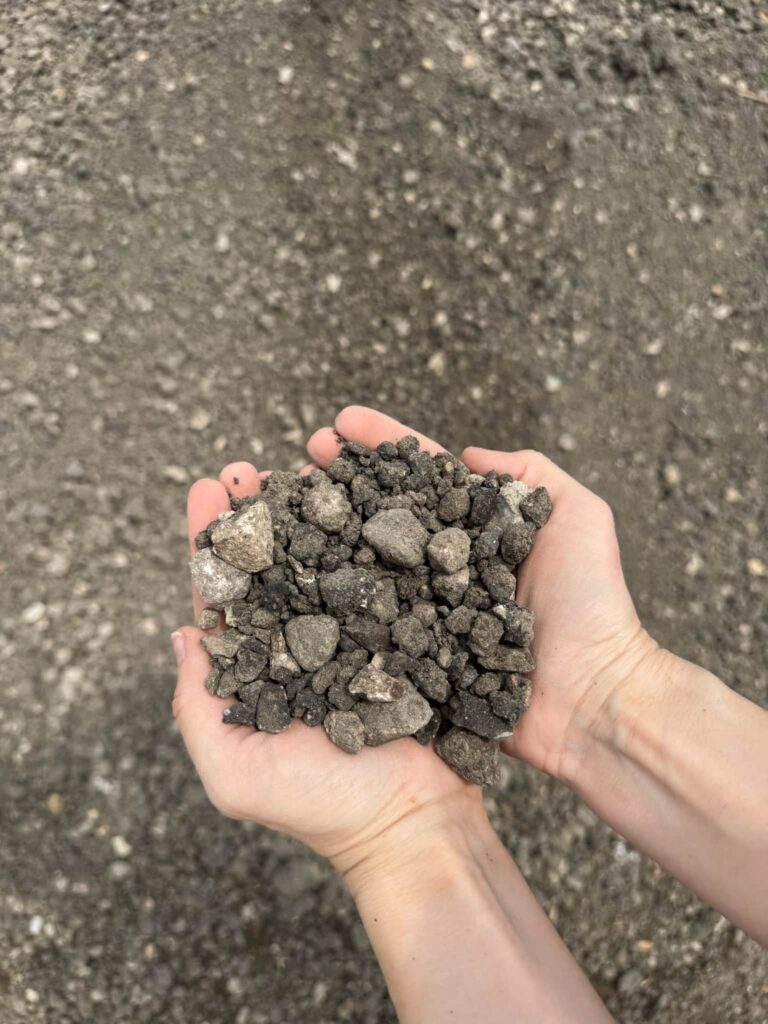 Price by ZIP
- SizeDense-graded, varies
- Density2400 lb/yd³
- ColorBlack
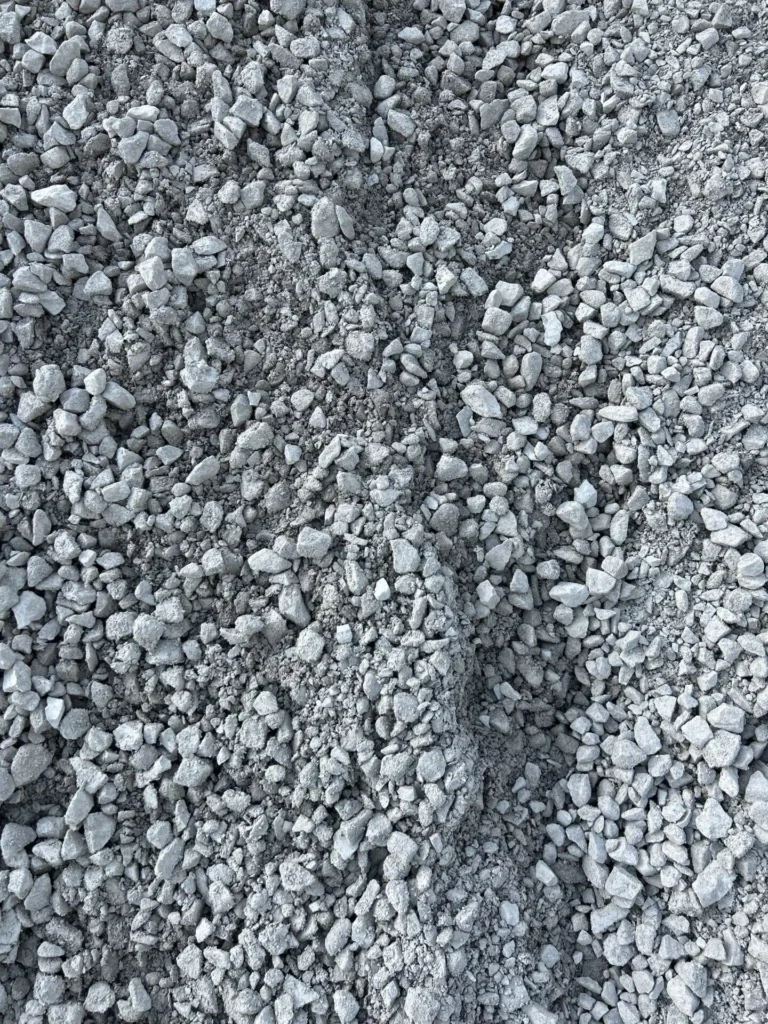 Price by ZIP
- SizeDense-graded, varies
- Density2850 lb/yd³
- ColorGray
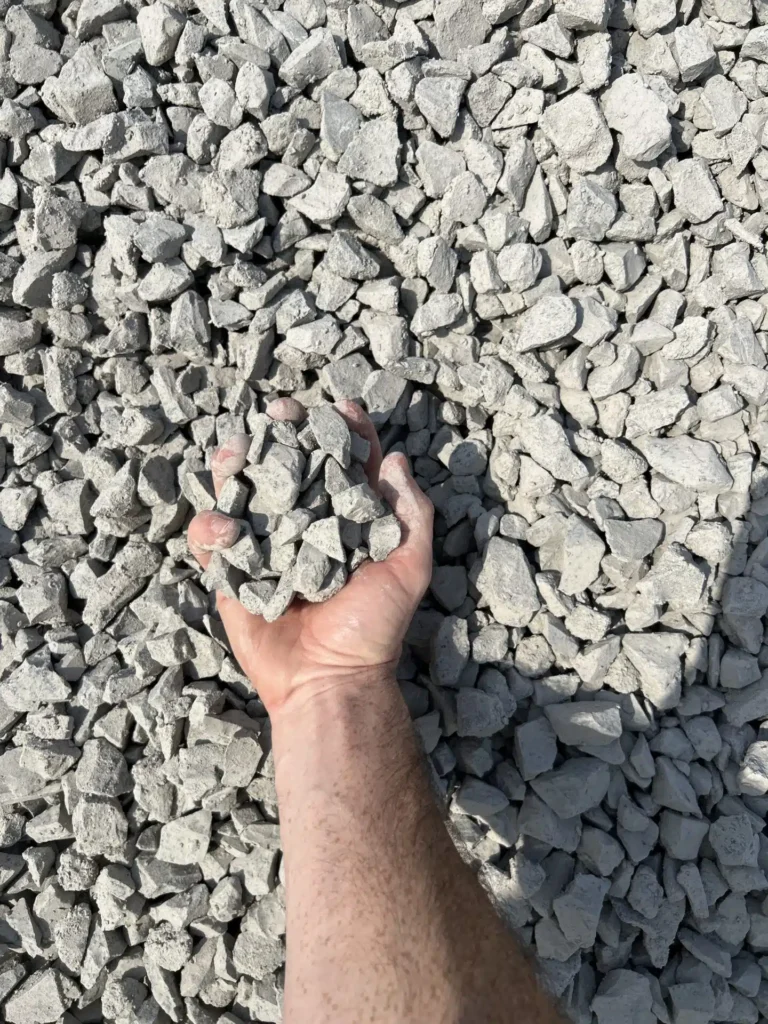 Price by ZIP
- Size3/4 - 1″
- Density2700 lb/yd³
- ColorGray
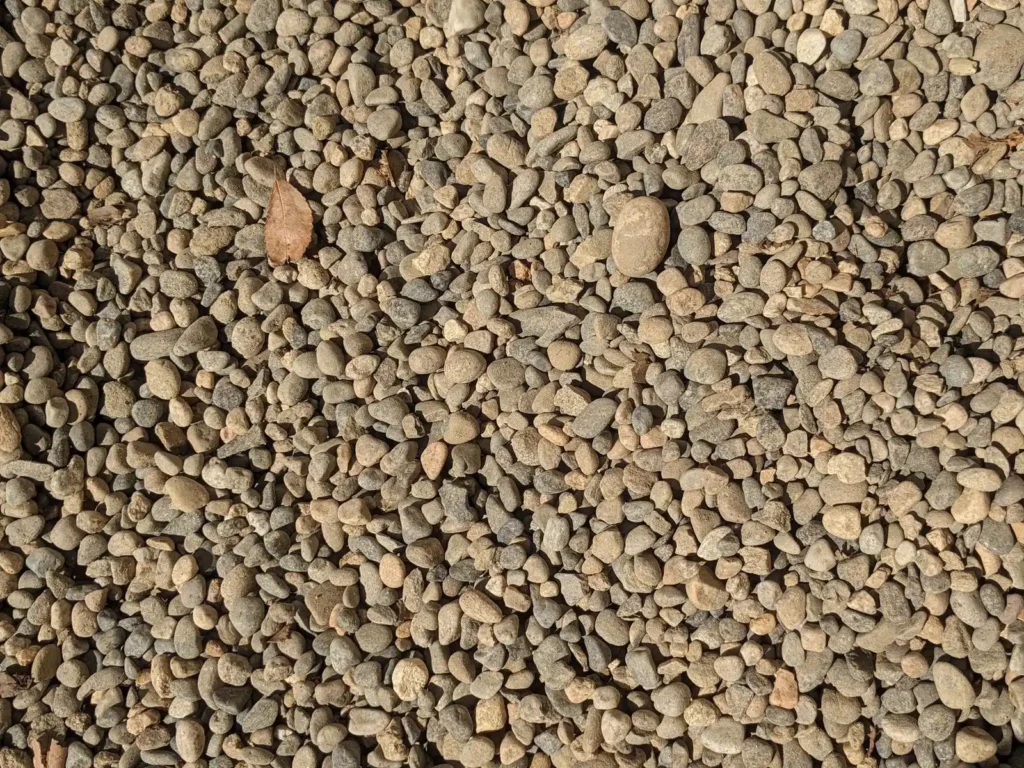 Price by ZIP
- Size1/4 - 3/8″
- Density2800 lb/yd³
- ColorTan / mixed
How a driveway gravel project goes
- Evaluate your existing drivewayInspect the current surface for ruts, drainage problems, or subgrade failure. Measure length and width to estimate material needs. Determine whether old material can serve as a base or must be removed entirely.
- Pick the right material#57 Crushed Stone provides outstanding durability and a polished finish. Recycled Asphalt Millings offer an economical choice that compacts well. Both options are priced by the ton. Your decision depends on budget, appearance goals, and traffic demands.
- Measure and calculate tonnageTake dimensions in feet and depth in inches. Apply the formula: length x width x depth in inches, divided by 324 equals cubic yards. Convert cubic yards to tons using material density. The calculator automates this step.
- Prepare a compacted baseRemove debris and loose material from the old surface. Apply a 4-inch layer of coarse stone or road base and compact thoroughly. A firm base prevents gravel from sinking into mud and creating ruts.
- Order delivery and spread materialSchedule delivery for a clear day when you can supervise placement. Once material arrives, spread it evenly across your driveway to your target depth. Compact by driving over the surface multiple times.
Estimate your material
Calculate Your Project
Estimate only. Add 10-15% for compaction and waste.
Driveway gravel in Everett's climate
Picking the right material for a driveway gravel project in Everett comes down to how the climate treats it. Damp marine climate with frequent rain. Drainage is the dominant design factor on every project. For driveway gravel work specifically, that means choosing material that handles local moisture and traffic loads without re-dressing every season.
The small market profile of Everett also shapes how a project runs. Most jobs are residential, with the occasional school or municipal project. Truck access is usually wide and turnarounds run fast.
Where we deliver driveway gravel material in Everett
Our delivery footprint around Everett covers the core city plus a typical 35-mile radius. Recent driveway gravel drops have included:
- central historic streets in and around Everett
- cul-de-sac neighborhoods in and around Everett
- small farms on the city edge in and around Everett
- retail centers with parking expansions in and around Everett
If your address is outside that radius, send your ZIP through the contact form and we will confirm coverage within an hour.
Pricing for driveway gravel in Everett
Here is what the recommended driveway gravel materials are running in Everett right now. Full-truck orders (16 tons or more) typically save 15 to 20 percent off these per-ton rates.
| Material | Price from |
|---|---|
| Asphalt Millings in Everett WA | Quote on request |
| Road Base for Driveways in Everett | Quote on request |
| #57 Crushed Stone Delivery in Everett, WA | Quote on request |
| Pea Gravel Delivery in Everett, WA | Quote on request |
Browse more
Recommended materials in Everett
Same project in nearby cities
Tools to plan your project
Related guides
GUIDEWhat Is Crushed Stone? Sizes, Uses and Buying BasicsCrushed stone is quarried rock crushed and screened into angular pieces sold by the ton. Here is what it is, how it is graded, and where to use it.Read guide →GUIDEHow Much Does Gravel Cost? A Practical Pricing GuideHow much does gravel cost and why does it vary? See the real factors behind ton pricing, delivery, and order size before you buy.Read guide →GUIDEGravel Size Chart: Pea Gravel to Crushed StoneA gravel size chart showing pea gravel, crushed stone and river rock diameters side by side, so you can match the right size to your project.Read guide → GUIDEThe Different Types of Gravel and How to ChooseA plain-language guide to the main types of gravel, covering pea gravel, crushed stone, river rock and decomposed granite.Read guide →
Frequently Asked Questions
How long does driveway gravel last in Everett's climate?
With regular maintenance, gravel lasts 3 to 5 years in Everett. The city's rainfall and occasional snow accelerate settling, so annual raking and topping may be needed. Heavy vehicle traffic shortens the lifespan significantly.
What's the difference between #57 stone and asphalt millings?
#57 stone is harder, more stable, and lighter in color. Asphalt millings compact tightly and are darker, often preferred for a finished look. Both recycled millings and stone are sold by the ton in our service area. Millings may soften slightly in summer heat, while stone remains constant.
Do I need a base layer under gravel?
Yes. A 3 to 4-inch compacted base of larger crushed stone or road base prevents your gravel from sinking into mud. Without it, your driveway will develop ruts and sink unevenly, especially in rainy Everett.
How much gravel does a 20 by 25 foot driveway need?
For a 3-inch depth, you need approximately 4.6 cubic yards, or roughly 7 to 8 tons depending on the material. For 4 inches, add another 2 tons. Use the calculator to confirm tonnage for your exact measurements.
Can I place gravel over my old asphalt?
Yes, if the asphalt is still mostly intact and free of large cracks. Larger cracks may cause new gravel to migrate. For best results, fill cracks first or roughen the surface so gravel grips it better.
What's the best time to install a gravel driveway in Everett?
Spring through early fall is ideal. Late fall and winter bring heavy rain and wet soil, making compaction difficult. Avoid the rainy season if possible, or schedule work on drier weeks.
Is delivery included in the price?
Pricing varies. Orders of 15 tons and above usually qualify for complimentary delivery. Smaller orders incur a delivery charge. Check the pricing for your ZIP code, which reflects your location in Everett.
Should I use stone or millings for freeze-thaw cycles?
Stone is more stable in freeze-thaw. Millings can shift slightly as they soften and harden with temperature changes. For Everett's moderate climate, either works, but stone edges out millings for longevity.