
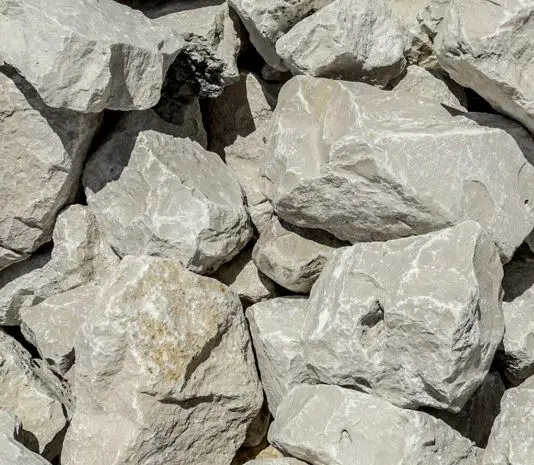
Rip Rap Calculator
Quickly estimate cubic yards, tons, and material cost for your Riprap Med project. Adjust the inputs below and the result updates in real time.
Calculate Your Project
Estimate only. Add 10-15% for compaction and waste.
How this calculator works
The calculator first converts your length, width and depth into cubic yards using length in feet times width in feet times depth in inches, divided by 324. From there it switches to tons, since rip rap is sold by the ton rather than the cubic yard. Riprap Med. Other rip rap sizes and other stone products weigh more or less per cubic yard, so the tons total changes with the material even when the cubic yard volume stays exactly the same.
Use this rip rap calculator to turn a length, width and depth into a tons figure you can order against. Rip rap is priced and delivered by the ton, not the cubic yard, so the calculator runs your volume through the density of Riprap Med, the material most rip rap orders use for slope and bank protection. The steps below explain what the calculator is doing at each stage, so you can check the number by hand if you want to.
What the Rip Rap Calculator Computes
The rip rap calculator takes three measurements: length in feet, width in feet, and depth in inches. It multiplies length by width by depth, then divides by 324 to get cubic yards, the standard formula for any bulk material. From there it switches units, because rip rap sells by the ton rather than the cubic yard. The calculator applies the density of Riprap Med to your cubic yard total and returns a tons figure, plus a rounded order size so you are not left short on delivery day.
Depth Guidance for Rip Rap
Rip rap works as a single interlocking layer of stone, not a filled bed the way mulch or sand behaves. Set the depth field to the thickness of one course of stone, roughly the size of the rock you are ordering, rather than guessing at a deeper number. Entering more depth than one layer needs adds tons to your total without adding erosion protection, since the extra material just settles into the gaps under the top course. If your project spec lists a minimum layer thickness, use that figure in the depth field.
Density and the Cubic Yards to Tons Conversion
Riprap Med weighs about 2,700 pounds per cubic yard, or 100 pounds per cubic foot. That density is what turns your cubic yard volume into the tons figure the calculator shows. Multiply cubic yards by 2,700, then divide by 2,000 pounds, the weight of one ton, to see the math yourself. Every stone and gravel product has its own density, so a cubic yard of Riprap Med does not weigh the same as a cubic yard of sand or topsoil. For any other material, use the cubic yards to tons converter, once you have a cubic yard total to convert.
Ordering Tips and Overage
Round your tons total up to a full or half ton before you order, since rip rap is loaded and weighed in bulk rather than split into fractional amounts. Add a little extra to cover an uneven sub grade, spillage during placement, and any low spots that take more stone than a flat plan assumes. Confirm your finished depth and area one more time before ordering, since rip rap is heavy to move a second time if you come up short or order too much.
- Measure the full slope or bank length, not just the visible face, so the calculator sees the real area.
- Recheck your depth entry against the actual stone size for Riprap Med before you finalize the order.
- Round the calculator's tons figure up rather than down to avoid a second delivery for a small shortfall.
Materials this calculator covers
Other calculators
 CALCULATORDrainage Trench CalculatorEstimate cubic yards of drain rock for a French drain, foundation perimeter, or yard drainage trench.Open calculator →CALCULATORFrench Drain CalculatorHow much drain rock does a French drain need? Enter length, width, and depth - get tons and material cost.Open calculator →CALCULATORSeptic Field Aggregate CalculatorEstimate drain rock for a septic leach field. Includes lateral spacing math.Open calculator →
 CALCULATORPlanter Soil CalculatorVolume of garden soil or planting mix for raised beds and planters.Open calculator →
Related guides
 GUIDEHow to Lay a Gravel Driveway: Step-by-Step GuidePractical, field-tested guide: how to lay gravel driveway. Pulled from real US installer notes and 2026 supplier price data.Read guide →
 GUIDEDoes Gravel Stop Weeds? Honest Answer + What WorksPractical, field-tested guide: does gravel stop weeds. Pulled from real US installer notes and 2026 supplier price data.Read guide →
 GUIDEHow Much Gravel Do I Need? Quick Sizing GuidePractical, field-tested guide: how much gravel do i need. Pulled from real US installer notes and 2026 supplier price data.Read guide →
 GUIDEWhat Is #57 Stone? Uses, Size, and Cost ExplainedPractical, field-tested guide: what is 57 stone. Pulled from real US installer notes and 2026 supplier price data.Read guide →
Frequently Asked Questions
How much does Riprap Med weigh per cubic yard?
Why does the calculator convert cubic yards to tons for rip rap?
Rip rap is priced, loaded and delivered by the ton, not the cubic yard, so a volume figure alone will not get you an accurate order. The calculator first works out your cubic yard volume from length, width and depth, then applies the density of Riprap Med to convert that volume into tons. That final number is what you use to place your order.
What depth should I enter for a rip rap layer?
Enter the thickness of a single course of stone, roughly the size of the rock in Riprap Med, rather than a deeper filled bed like you would use for mulch or gravel. A thicker entry adds tons to your total without adding erosion protection, since the extra stone just settles under the top layer. Check your project spec for a minimum thickness if one is given.
What if my project area is not a simple rectangle?
Break the area into smaller rectangles or triangles, run each one through the calculator separately, and add the tons together for a total order. This keeps the length and width entries accurate instead of forcing an irregular slope or bank into one measurement. It takes a few extra minutes but gives you a more reliable tons figure than estimating the whole area at once.
Should I round up the tons the calculator gives me?
Yes. Round up to the nearest full or half ton before you place your order, since rip rap is loaded in bulk rather than split into small fractional amounts. A little extra also covers an uneven sub grade or spillage during placement. Coming up short means arranging a second delivery, so rounding up is the more practical choice for most rip rap projects.
Is rip rap sold by the ton or the cubic yard?
Rip rap is sold by the ton. That is different from products like mulch, topsoil or compost, which are sold by the cubic yard. The calculator is built around this distinction: it converts your volume into cubic yards first, then into tons using the density of Riprap Med, so the final figure matches how rip rap is actually priced and delivered.