Concrete Sand Delivery in Raleigh, NC
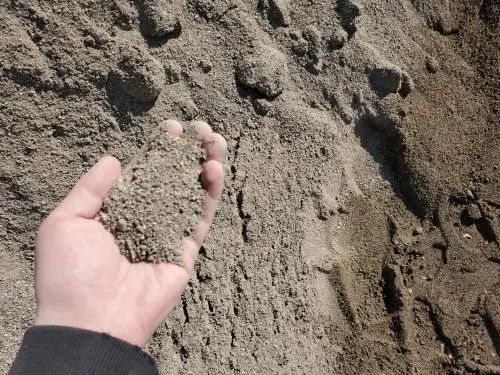
Bulk concrete sand delivered in Raleigh, NC. Stone size 0 - 3/8. Tan / gray color.
Concrete Sand in Raleigh, North Carolina
Raleigh sits on the rolling Piedmont, where the native ground is heavy red clay laced with weathered rock and silt. That soil holds water, swells in winter, and gives up its grip on a slab or a paver field faster than most crews expect. Concrete sand is the working material that fixes that problem. It is a coarse, washed sand graded from 0 to 3/8 of an inch, sharp enough to lock together under load and clean enough to mix into structural concrete without dragging clay or organics into the batch. Across the Triangle, from downtown infill builds near the 27601 core out to new construction in Cary and Apex, this is the sand contractors reach for when the job has to last.
The grain shape is what separates concrete sand from softer products. Under a magnifier the particles are angular, not rounded, so they wedge against one another and resist shifting. That angularity is exactly what you want under a concrete pour, beneath a paver bedding layer, or cradling a pipe run. Builders in Raleigh use it four main ways: as the fine aggregate in site-mixed concrete, as the leveling bed for brick and concrete pavers, as bedding and haunching around water and sewer lines, and as the body of a mortar mix for block and stone masonry.
Why Raleigh Crews Choose Concrete Sand
Concrete mixing is the headline use. When you blend portland cement, stone, and water, the sand fills the voids between the larger aggregate and gives the paste something to grip. Round play sand will not do this; it floats and weakens the cure. Raleigh's freeze-thaw cycles, which swing a slab through dozens of expansion and contraction events between November and March, punish weak concrete fast. A properly graded concrete sand mix holds its strength through those cycles.
For hardscapes, concrete sand is the standard bedding course under pavers across Wake County. Spread a one inch screeded layer over a compacted Paver Base, set your units, then sweep joint sand to finish. The sharp grains lock the pavers and let stormwater drain rather than pond, which matters during the heavy summer thunderstorms that roll through the area. For utility work, concrete sand makes excellent pipe bedding because it compacts evenly and will not point-load a pipe wall the way native clay and rock can.
- Structural and site-mixed concrete as the fine aggregate
- Paver and brick bedding over a compacted base
- Pipe and conduit bedding and haunching
- Masonry mortar for block, brick, and stone
- Drainage and subgrade leveling in wet Piedmont soils
Local Delivery and Lead Times in Raleigh
We run bulk concrete sand throughout the Raleigh-Cary metro and the wider Triangle. Most orders inside the Beltline and the close-in suburbs land in one to two business days, and when a yard is staged and a crew is waiting, we frequently hit same or next day on the larger loads. We deliver out to Cary at roughly 8 miles, Apex near 12 miles, Wake Forest around 16 miles, and Durham about 21 miles. Fayetteville, at about 52 miles to the south, is also on our regular runs. Tell us the access at drop, whether the truck can reach a back-lot stockpile or needs to tip at the curb, and we will match the right truck to the site.
How Much Concrete Sand Do You Need
Concrete sand is sold by the ton and runs about 2,700 pounds per cubic yard, so one ton covers roughly 0.74 cubic yards of loose material. For a one inch paver bedding course, a single ton spreads across about 240 square feet. Picture a typical Raleigh backyard patio at 18 by 24 feet, which is 432 square feet. At a one inch bed that calls for close to 1.8 tons, so most crews order 2 tons to cover screeding waste and a little overage.
For concrete, a common Triangle estimate is that sand makes up roughly a third of the aggregate volume in a standard mix. A 10 by 20 foot slab poured 4 inches thick is about 2.5 cubic yards of concrete, which typically pulls a little over 2 tons of sand into the batch alongside your stone and cement. When in doubt, give us the dimensions and we will size the load with you.
Raleigh Pricing
Bulk concrete sand starts delivered in the Raleigh area. Pricing moves with volume across three tiers. A small load with a 1 ton minimum has a $263 delivery fee, arriving in 1 to 2 business days. Step up to a 6 ton minimum and the rate drops to with a reduced $141 delivery fee, often same or next day. At a 16 ton minimum the rate falls to with free delivery, which is where most full driveway, foundation, or large hardscape jobs land. Buying to a tier line is usually the cheapest way to fill a big order.
Placement and Installation Tips
Compact your subgrade and base before any sand goes down. On Raleigh clay that means proofrolling and, often, a stabilized base so the sand course does not pump under load. Screed the bedding to a consistent depth with screed rails and a straightedge; uneven sand telegraphs straight through pavers. For concrete work, keep your sand under cover or tarped if rain is forecast, since saturated sand throws off your water-cement ratio. If you are mixing mortar, Mason Sand gives a smoother, finer finish for the bed joints while concrete sand carries the structural mix. For raising grade or backfilling without structural demand, Fill Sand is the cheaper companion product.
Common Concrete Sand Projects Around the Triangle
The mix of new construction and established neighborhoods in Raleigh keeps concrete sand moving for a wide range of jobs. Residential crews pull it for backyard patios, paver driveways, pool decks, and the slab work behind new garages and additions. Commercial and municipal contractors use it heavily for sidewalk and curb pours, foundation footings, and the bedding around the water and sewer lines that come with every new subdivision out toward Apex and Wake Forest. Landscapers lean on it as a leveling layer under flagstone and brick. Whatever the scope, the same washed, sharp-grained material does the structural work, which is why ordering one quality product simplifies the supply list on a busy site.
If your job spans several uses, it often makes sense to combine your sand order with related products in a single delivery window. A driveway rebuild, for example, may want a Paver Base for the foundation, concrete sand for the bedding course, and Fill Sand to raise a low spot in the grade. Bundling those into one staged drop saves on repeat delivery fees and keeps the crew moving. Tell us the full material list and we will plan the loads so the right product is on site when each phase begins.
Seasonal Notes for North Carolina
The Triangle pours concrete nearly year round, but the calendar shapes the work. Spring and early summer bring the biggest hardscape and new-build demand, so book ahead when April through June fills up. Summer heat and afternoon storms mean you should stage covered sand and pour early in the day to control the cure. Winter freeze-thaw is the real test for any slab here, so do not skimp on the sand quality going into the mix. We keep concrete sand in steady supply through every season, including the late-fall rush before the first hard frosts settle over Wake County. Whether you are pouring a single slab in Cary or staging a full subdivision build near Durham, the material is ready when you are.
About Concrete Sand
About Concrete Sand
Concrete sand is a coarse, washed sand graded from 0 to 3/8 of an inch, with a natural tan to gray color. It is engineered as the fine aggregate in concrete, which is why it carries the name. The grains are sharp and angular rather than rounded, and the material is screened and washed to strip out clay, silt, and organic fines that would weaken a mix or trap water.
That clean, coarse grading is what makes the product so versatile. In concrete, the sand fills the voids between stone and cement paste, building a dense matrix that cures hard and resists cracking. In hardscaping, the same angular grain makes an ideal one inch bedding course beneath pavers and brick, locking units in place while still draining freely. Crews also rely on it for pipe and conduit bedding, where it compacts uniformly and protects pipe walls from point loading, and for masonry mortar, where it carries the structural body of a block or stone mix.
At roughly 2,700 pounds per cubic yard, concrete sand is sold by the ton, which makes load planning straightforward once you know your coverage area and depth. It compacts well, handles cleanly with a skid steer or by hand, and screeds to a flat, stable surface. Because it is washed, it will not muddy up when wet, an advantage in any climate with real rainfall.
pairs naturally with related products. Paver Base provides the compacted foundation beneath a sand bedding course, Mason Sand offers a finer alternative for smooth mortar joints, and Fill Sand handles non-structural backfill and grade raising at a lower cost. Together they cover the full range of sand needs on a concrete, hardscape, or utility job.
What Concrete Sand costs in Raleigh
Around Raleigh, concrete sand is quoted by the ton with delivery layered in based on distance from the closest yard. Send your ZIP and load size and we will send back a same-hour quote with the truck rate and the per-ton figure spelled out. Plan on roughly 80 sq ft of coverage per ton at 3 inches deep, which puts a single-car driveway in the 4 to 8 ton bracket.
How crews use Concrete Sand in Raleigh
Raleigh contractors keep concrete sand on the order sheet for a short list of standard installs. Top of the list is pipe bedding, where the material is rolled out in tight urban lots and infill builds and screeded to grade. Right behind that is base course gravel, common in dense neighborhoods where curb access is short and often paired with edging or fabric below the lift. Raleigh sits at about 467,665 residents, which means we see steady weekday traffic from landscape crews and weekend pickups from owner-builders.
Delivery day in Raleigh
Delivery in Raleigh runs out of the nearest pit; you get a two hour arrival window the evening prior and a call when the driver leaves the scale. Plan for 12 ft of clear path for a tandem and 14 ft for a tri-axle, plus a level area at the dump point so the bed lifts straight. Standard lead time on this lane is Mon-Sat, with same-day windows held open for orders that hit the desk before 11 AM and clear payment.
Related materials we deliver in Raleigh
Estimate how much you need
Calculate Your Project
Estimate only. Add 10-15% for compaction and waste.
Browse more
Available in nearby cities
Plan your project
Related guides
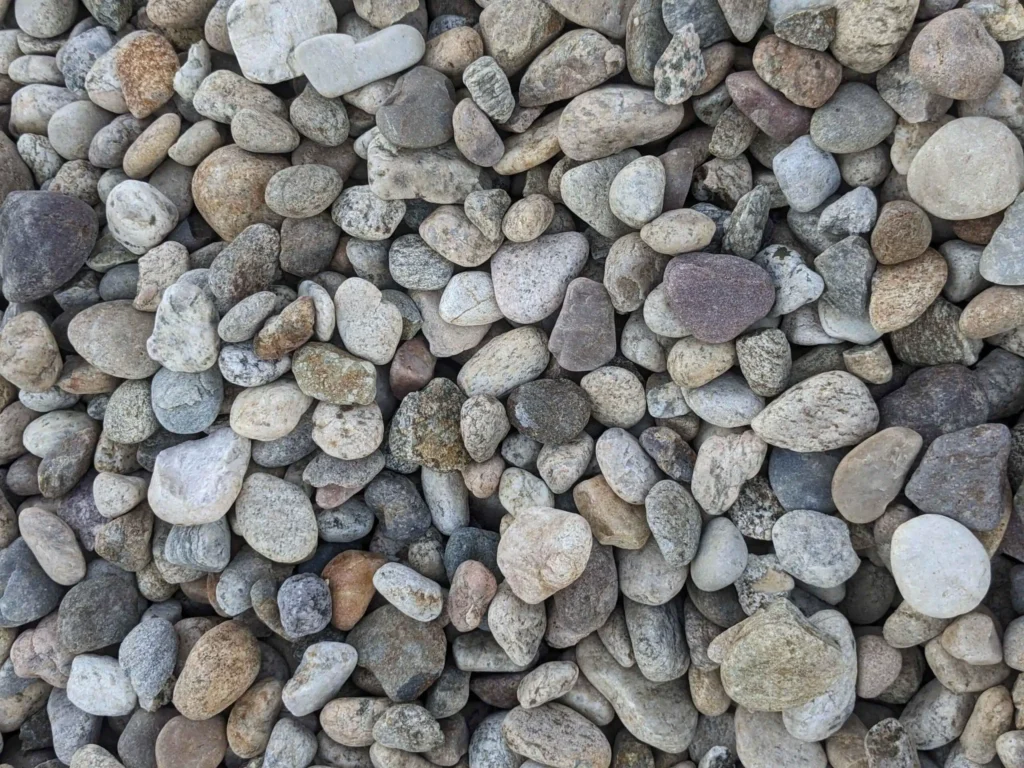 GUIDEHow to Clean River Rock and Restore Its ColorLearn how to clean river rock landscaping with rinsing, soap and vinegar methods, plus common mistakes to avoid for a brighter, longer lasting rock bed.Read guide →
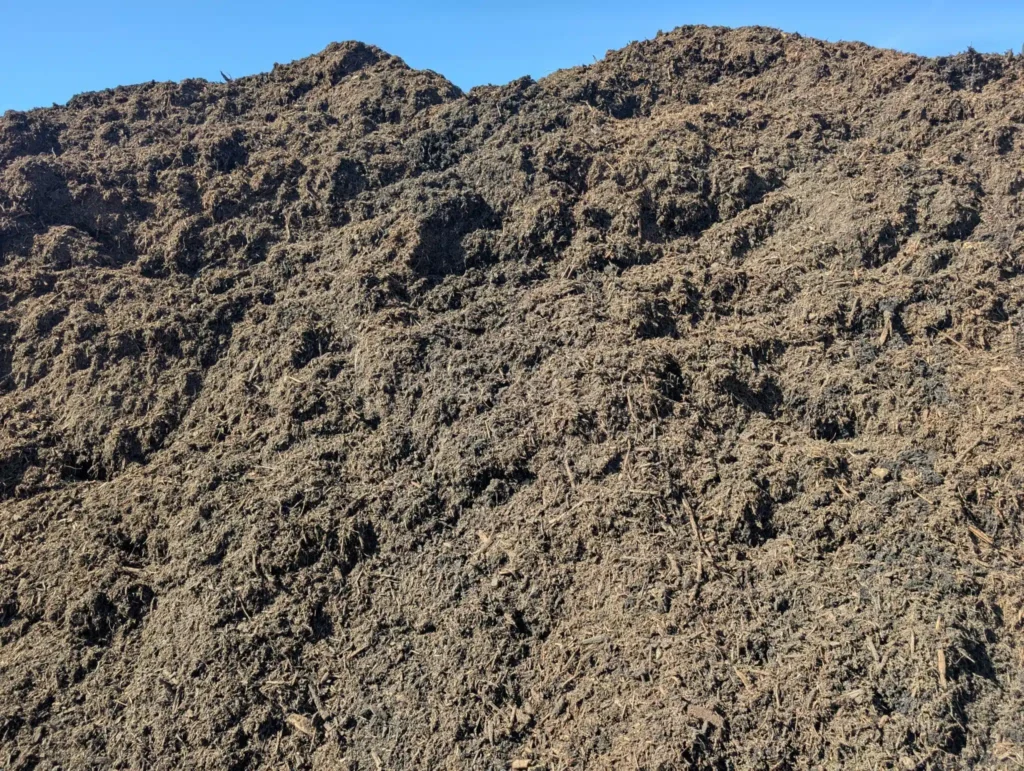 GUIDEHow to Lay a Gravel Driveway: Step-by-Step GuidePractical, field-tested guide: how to lay gravel driveway. Pulled from real US installer notes and 2026 supplier price data.Read guide →
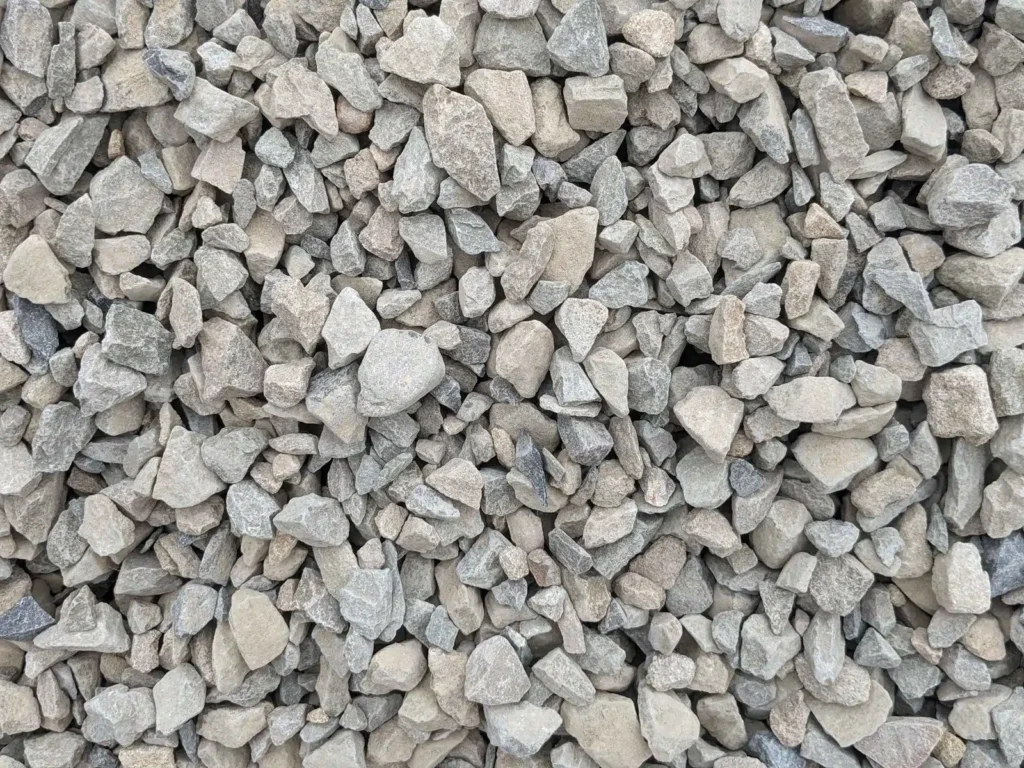 GUIDEDoes Gravel Stop Weeds? Honest Answer + What WorksPractical, field-tested guide: does gravel stop weeds. Pulled from real US installer notes and 2026 supplier price data.Read guide →
 GUIDEHow Much Gravel Do I Need? Quick Sizing GuidePractical, field-tested guide: how much gravel do i need. Pulled from real US installer notes and 2026 supplier price data.Read guide →
Frequently Asked Questions
What is concrete sand and how is it different from play sand?
Concrete sand is a coarse, washed sand graded from 0 to 3/8 of an inch with sharp, angular grains. Unlike soft, rounded play sand, those angular particles lock together under load and bind properly into concrete, which is why it is used for structural mixes, paver bedding, and pipe work rather than sandboxes.
Can I use concrete sand for paver bedding in Raleigh?
Yes. Concrete sand is the standard one inch bedding course under pavers throughout Wake County. Spread it over a compacted Paver Base, set your pavers, then sweep joint sand to finish. The sharp grain locks units in place and lets Raleigh's heavy summer rain drain rather than pond.
How much concrete sand do I need for a patio?
For a one inch bedding course, one ton covers about 240 square feet. A typical 18 by 24 foot patio is 432 square feet, which calls for roughly 1.8 tons, so most crews order 2 tons to cover screeding waste and overage.
How fast can you deliver concrete sand in the Triangle?
Most Raleigh-area orders arrive in 1 to 2 business days, and larger 6 ton or 16 ton loads often ship same or next day. We deliver to Cary, Apex, Wake Forest, Durham, and out to Fayetteville on regular runs.
Is concrete sand good for pipe bedding?
Yes. Concrete sand compacts evenly and cradles pipe without point-loading the walls the way Raleigh's native clay and rock can. It is a reliable bedding and haunching material for water, sewer, and conduit runs.
How many pounds is a cubic yard of concrete sand?
Concrete sand weighs about 2,700 pounds per cubic yard. Since it is sold by the ton, one ton equals roughly 0.74 cubic yards of loose material, which helps when you are converting coverage estimates into an order.
Should I use concrete sand or mason sand for mortar?
Concrete sand carries the structural body of a mortar or concrete mix, while Mason Sand is finer and gives smoother, cleaner bed joints for brick and block. Many Raleigh masons keep both on hand and choose by the finish the job requires.
Does the freeze-thaw cycle in North Carolina affect concrete sand mixes?
It does. Raleigh slabs cycle through dozens of freeze-thaw events each winter, which punishes weak concrete. Using properly graded, washed concrete sand as the fine aggregate builds a denser, stronger mix that holds up through those expansion and contraction swings.
Can you deliver to the suburbs around Raleigh?
Yes. We cover the full Raleigh-Cary metro including Cary at about 8 miles, Apex near 12 miles, Wake Forest around 16 miles, and Durham about 21 miles, plus Fayetteville about 52 miles south. Let us know the site access and we will match the right truck.