Compost Delivery in Colorado Springs, CO
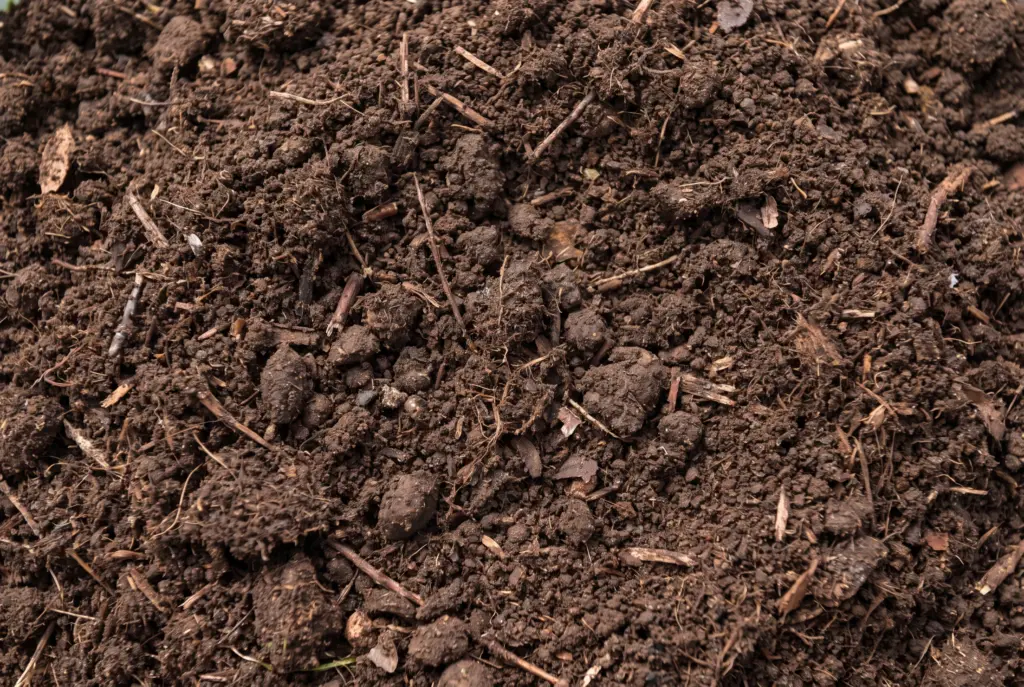
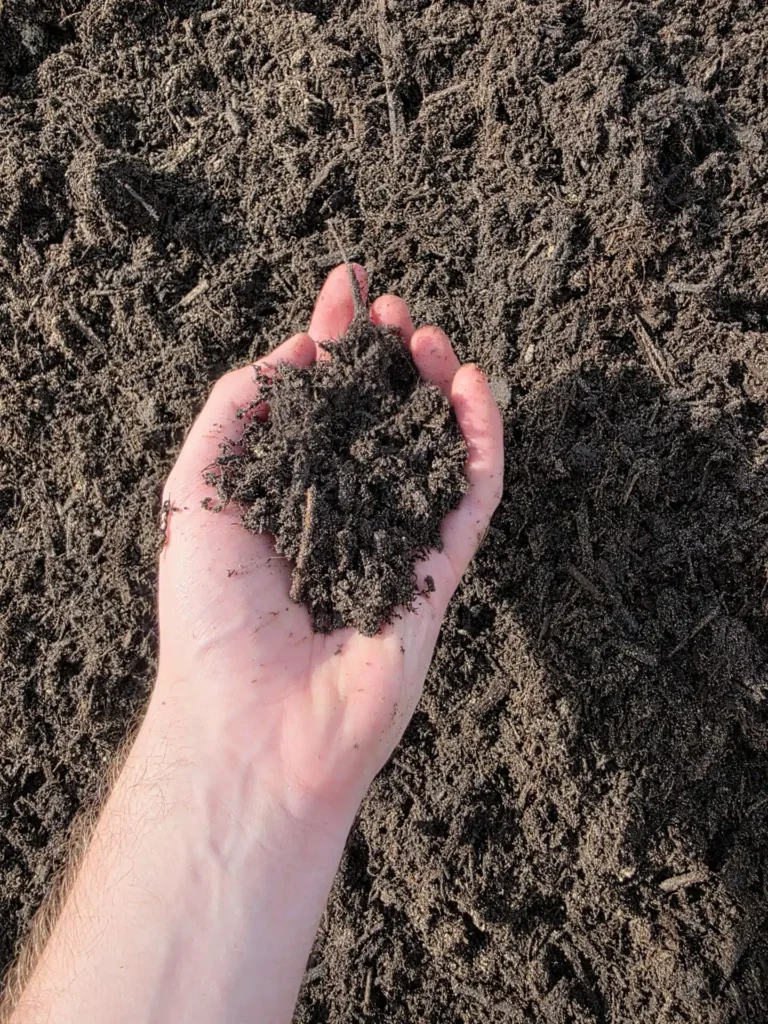
Bulk compost delivered in Colorado Springs, CO. Dark brown color.
Bulk Compost Delivery in Colorado Springs, CO
Gardening at 6,000 feet on the Front Range comes with a unique soil challenge. The ground around Colorado Springs tends to be sandy or rocky, alkaline, and low in organic matter, with decomposed granite washing down off Pikes Peak in many neighborhoods. It drains so fast that water and nutrients run straight through, and the high-altitude sun and dry air pull moisture out of the soil all season long. Bulk Compost is the single best correction for those conditions. Our compost is a dark brown, fully screened organic blend that gives sandy Front Range soil the body to hold water and nutrients, buffers its alkalinity over time, and feeds the soil biology that thin mountain ground lacks.
We deliver compost throughout Colorado Springs and the surrounding region.
Why Colorado Springs Gardeners Rely on Compost
In a semi-arid, high-altitude climate, compost does its most important work on water. Mixed into fast-draining sandy soil, it acts like a sponge, holding moisture in the root zone instead of letting it disappear. It also adds the organic matter and nutrients that local soils are short on. The uses we see most often are:
- Raised vegetable beds: the practical choice for the short, intense growing season, blending compost with Topsoil and Garden Soil to build a moisture-holding bed that supports cool-season crops.
- Amending sandy and rocky soil: tilling two to three inches of compost into new beds to give decomposed-granite ground the structure to hold water.
- Lawn topdressing: a thin layer raked into cool-season Kentucky bluegrass and fescue lawns to build organic matter and improve drought resilience.
- Tree and shrub planting: mixing compost into backfill so new stock establishes through the dry, sunny conditions.
Because the high-altitude sun and wind are so drying, a finishing layer of Hardwood Mulch over planted beds is essential here. It shades the soil, slows evaporation dramatically, and protects the compost underneath so it does not break down and dry out as fast.
Local Delivery and Lead Times
Colorado Springs has a compressed, intense gardening season, so demand for compost concentrates in late spring and early summer. We stock to meet it. Smaller loads around three yards arrive in 1-2 business days with a $224 delivery fee. Mid-size orders near eight yards often qualify for same or next-day delivery at a $120 fee, and orders of fifteen yards or more ship with free delivery across the area. We cover Colorado Springs proper and the surrounding communities, and we reach Pueblo 42 miles south and up toward the Denver metro, including Centennial and Aurora, on regular routes. Front Range weather can shift quickly in spring, so booking a day or two ahead helps us hit your window cleanly.
How Much Compost Do You Need
Compost is sold by the cubic yard, and one yard covers roughly 100 square feet at three inches deep. Because sandy Front Range soil needs a deep organic profile to hold water, three inches tilled in is a sensible minimum here. A 10 by 20 foot raised garden, 200 square feet, needs about two yards. For lawn topdressing at a quarter inch, one yard covers around 1,300 square feet. A practical example: a homeowner building several raised beds and amending a new planting area around the house commonly lands near eight yards, which moves the order into our tier with same or next-day delivery. A full-property soil rebuild often reaches fifteen yards, which earns free delivery.
Local Pricing Context
Colorado Springs compost, and the volume tiers reward larger projects. At a three-ton minimum the rate is with a $224 delivery fee. At eight tons it drops to with a $120 fee. At fifteen tons or more you pay with free delivery. For a landscaper handling several Front Range properties or a homeowner amending an entire lot, the top tier is consistently the better buy.
Spreading and Installation Tips
High-altitude, dry conditions reward a few specific habits when working compost:
- Till compost two to three inches deep into beds rather than leaving it on the surface, where the intense Colorado sun and wind dry it out fast.
- For very sandy or decomposed-granite soil, work in a generous amount, since fast-draining ground needs more organic matter to hold water effectively.
- Water thoroughly right after incorporating compost to settle the bed and start the soil biology before the dry air sets in.
- Always finish beds with mulch in this climate, since bare amended soil loses moisture and organic matter quickly at altitude.
Seasonal Notes for Colorado
Colorado Springs has a short, late-arriving growing season, and the high altitude means the last spring frost can come well into May and the first fall frost arrives early. Plan soil prep for spring once the ground has thawed and dried, working compost in ahead of the post-frost planting window. Fall, after the season winds down, is a good time to amend beds and add organic matter so it integrates over the dormant months. The dry, sunny climate stresses both lawns and gardens through summer, so the moisture-holding capacity compost provides is a season-long advantage. Avoid heavy applications right before the early fall freeze, giving the material time to settle. As gardeners in nearby Pueblo and across the Front Range know, building organic matter into thin mountain soil is the foundation of everything that grows well here.
Compost vs. Other Soil Products for Front Range Projects
Colorado Springs customers frequently ask which material their project really needs, since the terms run together at retail. Compost is pure organic matter, the amendment that gives thin, fast-draining mountain soil the body to hold water. Topsoil is a screened mineral base for filling and bringing grade up. Garden Soil is a ready-to-plant blend of soil already enriched with organic matter. And Hardwood Mulch is the surface layer that, at this altitude and sun exposure, is essential to keep the rest from drying out. A common Front Range raised-bed approach layers topsoil for bulk, a heavy share of compost for water retention, and mulch on top to fight the relentless evaporation. Choosing the right material for each step is what makes a garden succeed here.
Amending Decomposed-Granite Soil
The defining soil challenge in many Colorado Springs neighborhoods is decomposed granite, the coarse, fast-draining material that washes down off the foothills. Water runs through it almost as fast as you apply it, so plants stay thirsty no matter how often you irrigate. The correction is to till in a generous amount of compost, more than you would use in heavier soils, so the organic matter can act as a reservoir in the root zone. Two to three inches incorporated six to eight inches deep is a starting point, and on the coarsest ground a heavier rate pays off. The more organic matter the soil holds, the less your irrigation simply disappears.
Ordering for Front Range Crews
For the landscape crews we supply around Colorado Springs and up the Front Range, the tier math is worth checking on every job. A crew amending several properties during the compressed season usually comes out ahead consolidating into a single fifteen-ton delivery with free delivery rather than paying the $224 fee on repeated small loads. Stage the pile and shuttle it between sites, and keep it covered if you can, since compost dries quickly in the high-altitude sun. We can time deliveries to land when your crew is ready, which matters when the working window is as short as it is here.
Whether you are building raised beds in central Colorado Springs, amending decomposed-granite ground in a foothills neighborhood, or topdressing a bluegrass lawn, our Colorado Springs compost delivery puts clean, screened organic matter in your driveway fast.
About Compost
About Our Compost
Our bulk Compost is a fully matured, dark brown organic material screened to a fine, even texture that tills and spreads cleanly. It weighs about 1,000 pounds per cubic yard, lighter than soil or aggregate, so a wheelbarrow or rake moves it easily after delivery. The material has finished its active heating phase, arriving stable and earthy-smelling, ready to use rather than still breaking down.
is a soil amendment rather than a standalone planting medium. Its purpose is to add organic matter, improve soil structure, and feed the microbial life that healthy plants depend on. Worked into existing ground or blended with Topsoil and Garden Soil, it gives sandy and fast-draining soils the body to hold water and nutrients, loosens heavy soils, and releases nutrients gradually as it integrates. Typical uses include amending vegetable and flower beds, building raised-bed soil mixes, topdressing lawns, and enriching backfill for new trees and shrubs.
is clean of sticks, rocks, and large clumps, so it runs smoothly through a tiller and spreads evenly by hand. It is sold by the cubic yard and delivered loose in bulk, which is far more economical than bagged product for any real project. In dry, high-sun climates especially, gardeners cap finished beds with a layer of Hardwood Mulch supplies the organic matter that everything else builds on.
What Compost costs in Colorado Springs
Around Colorado Springs, compost is quoted by the ton with delivery layered in based on distance from the closest yard. Send your ZIP and load size and we will send back a same-hour quote with the truck rate and the per-ton figure spelled out. Plan on roughly 216 sq ft of coverage per ton at 3 inches deep, which puts a single-car driveway in the 3 to 5 ton bracket.
How crews use Compost in Colorado Springs
Colorado Springs contractors keep compost on the order sheet for a short list of standard installs. Top of the list is planting bed gravel, where the material is rolled out in tight urban lots and infill builds and screeded to grade. Colorado Springs sits at about 483,956 residents, which means we see steady weekday traffic from landscape crews and weekend pickups from owner-builders.
Delivery day in Colorado Springs
Delivery in Colorado Springs runs out of the nearest pit; you get a two hour arrival window the evening prior and a call when the driver leaves the scale. Plan for 12 ft of clear path for a tandem and 14 ft for a tri-axle, plus a level area at the dump point so the bed lifts straight. Standard lead time on this lane is Mon-Sat, with same-day windows held open for orders that hit the desk before 11 AM and clear payment.
Related materials we deliver in Colorado Springs
 From $44.03/yard
- SizeScreened, no size grade
- Density2200 lb/yd³
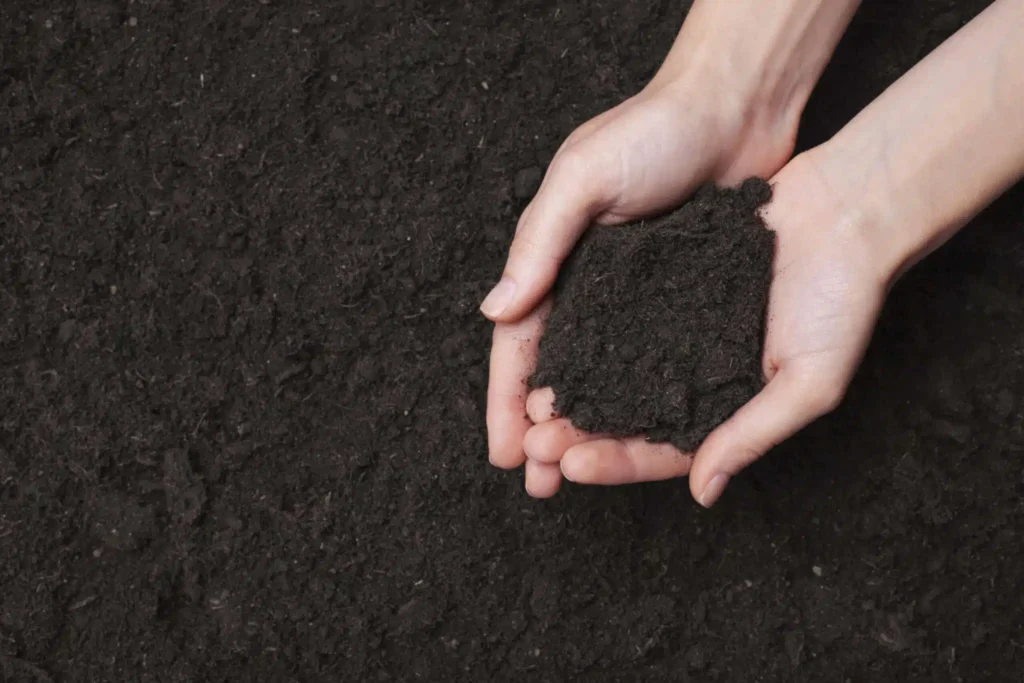
- ColorDark brown
 From $40.95/yard
- Density2200 lb/yd³
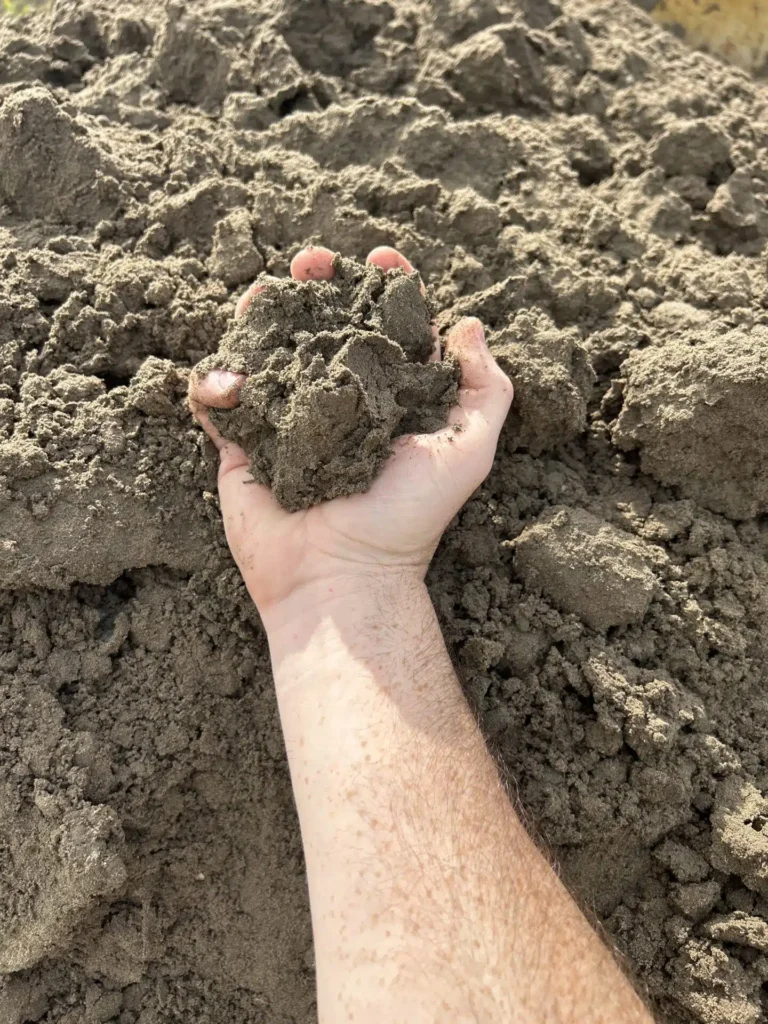
- ColorBrown
 From $44.03/yard
- Density2000 lb/yd³
- ColorDark brown
Estimate how much you need
Calculate Your Project
Estimate only. Add 10-15% for compaction and waste.
Browse more
Available in nearby cities
Plan your project
Related guides
 GUIDEHow Deep Should a Gravel Driveway Be? Layer GuidePractical, field-tested guide: how deep should gravel driveway be. Pulled from real US installer notes and 2026 supplier price data.Read guide →
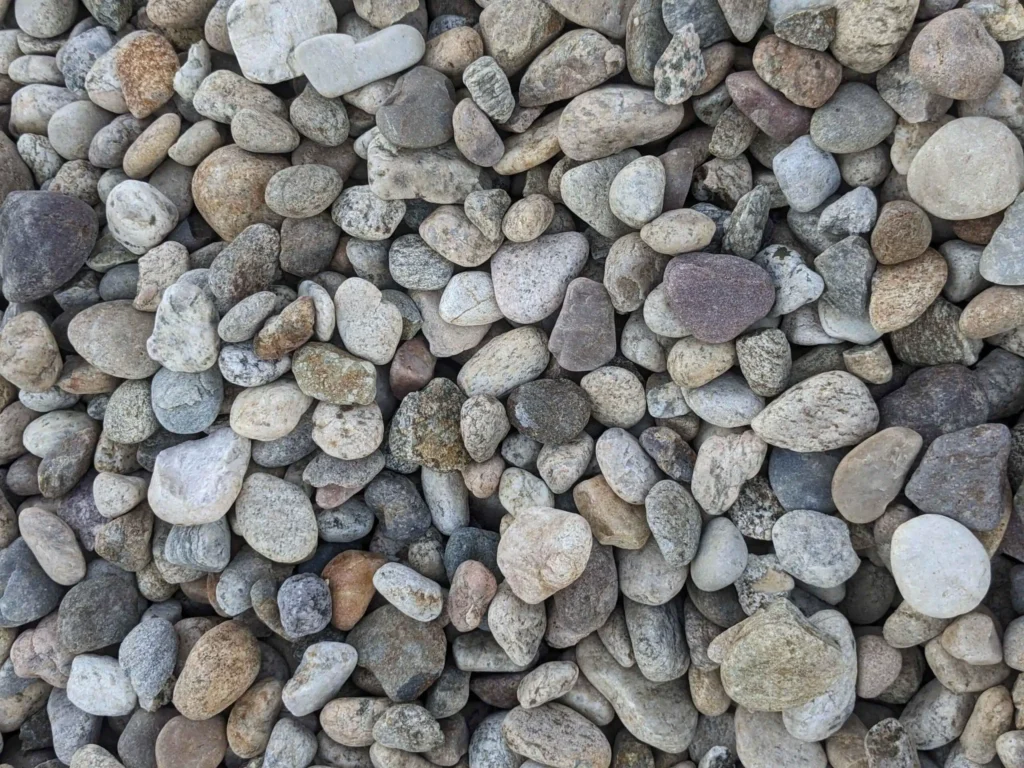 GUIDEHow Much Does River Rock Cost? By Ton or YardRiver rock cost depends on your ZIP code, order size, and whether you buy by the ton or the cubic yard. Here is how pricing works.Read guide →
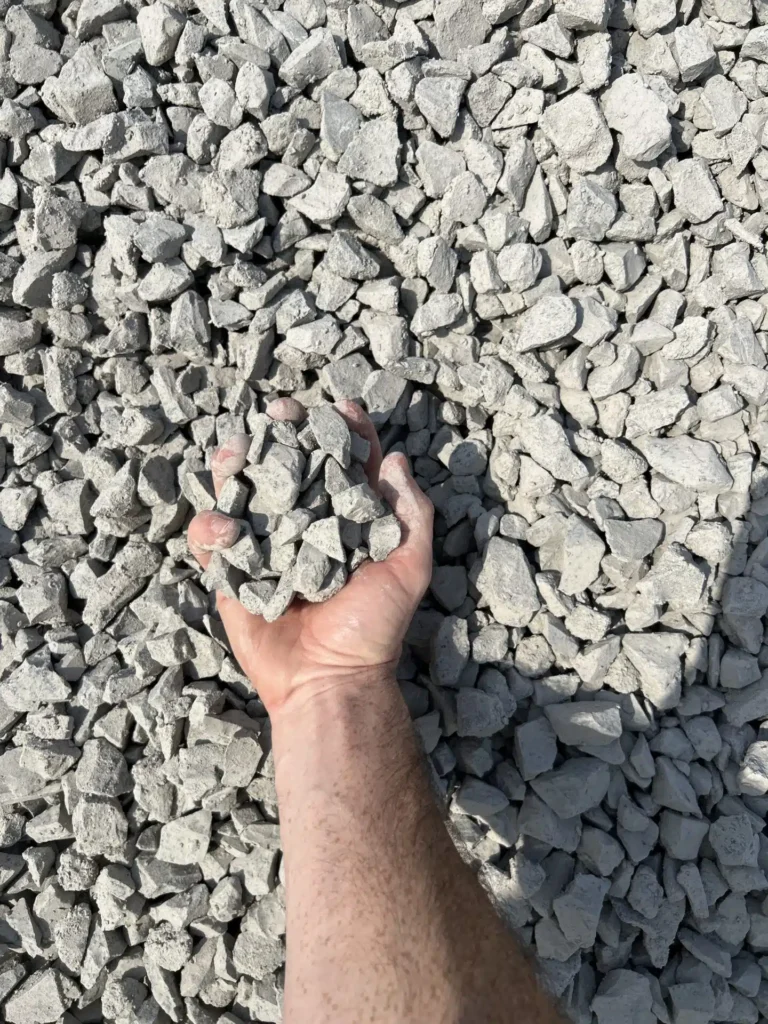 GUIDEWhat Size Crushed Stone Goes Under a Concrete SlabMost slabs need 4 to 6 inches of compacted crushed stone underneath. What size crushed stone under a concrete slab needs, and why it matters.Read guide →GUIDEWhat Is Crushed Stone? Sizes, Uses and Buying BasicsCrushed stone is quarried rock crushed and screened into angular pieces sold by the ton. Here is what it is, how it is graded, and where to use it.Read guide →
Frequently Asked Questions
How much compost do I need for a raised bed in Colorado Springs?
Compost is sold by the cubic yard, and one yard covers about 100 square feet at three inches deep. A 10 by 20 foot raised garden needs roughly two yards. Because sandy Front Range soil needs a deep organic profile to hold water, three inches tilled in is a smart minimum.
How fast can you deliver compost in Colorado Springs?
Most local orders ship quickly. Smaller loads around three yards arrive in 1-2 business days, and mid-size orders near eight yards often qualify for same or next-day delivery. Demand concentrates in late spring and early summer, so order ahead during the short season.
Will compost help my sandy or rocky Front Range soil?
Yes. Compost is the standard fix for fast-draining sandy and decomposed-granite soil around Colorado Springs. Tilled in generously, it acts like a sponge, holding water and nutrients in the root zone instead of letting them drain straight through.
Does compost help my landscape handle the dry climate?
It does. The high-altitude sun and dry air pull moisture from the soil all season, and compost markedly improves how much water the ground can hold and keep available to roots. That moisture-holding capacity is a season-long advantage in Colorado Springs.
When is the best time to apply compost in Colorado?
Spring once the ground thaws and dries, ahead of the late post-frost planting window, and fall after the season winds down, are both good times. Avoid heavy applications right before the early fall freeze so the material has time to settle and integrate.
Should I use mulch over compost at altitude?
Almost always. The intense Colorado sun and wind dry exposed soil fast, so a two to three inch layer of Hardwood Mulch over compost-amended beds slows evaporation and shades the soil, protecting the organic matter underneath.
What is the difference between compost and topsoil?
Topsoil is a mineral soil base, while compost and Garden Soil to build a bed that holds water in fast-draining ground.
Can I topdress my lawn with compost in Colorado Springs?
Yes. A quarter to half inch of compost raked into cool-season bluegrass and fescue lawns builds organic matter and improves drought resilience. One yard covers about 1,300 square feet at a quarter inch. Water it in after spreading.
Do you deliver compost to Pueblo and the Denver area?
Yes. Beyond Colorado Springs proper, we run regular routes to Pueblo about 42 miles south and up toward the Denver metro, including Centennial and Aurora. Deliveries closest to Colorado Springs move on the fastest schedule.