Polymeric Paver Sand Calculator
Quickly estimate cubic yards, tons, and material cost for your Mason Sand project. Adjust the inputs below and the result updates in real time.
Calculate Your Project
Estimate only. Add 10-15% for compaction and waste.
How this calculator works
Cubic yards = (area × depth ÷ 12) ÷ 27
Tons = cubic yards × density × 27 ÷ 2000
Polymeric paver sand for filling joints between pavers.
Enter your area and depth, and we'll compute cubic yards, tons, and a delivered material cost using current 2026 quarry pricing.
What polymeric paver sand does
Polymeric paver sand fills the joints between pavers, locking them together into a stable surface that resists weed growth, washout, and shifting. Unlike plain Mason Sand or Stone Dust (Screenings), polymeric sand contains polymer binders that activate when wet, hardening into a flexible glue between pavers within 24 hours of installation. The calculator computes the bag count needed based on paver square footage, joint width, and paver thickness.
Polymeric sand is sold by the bag (typically 50 lb bags covering 75 to 100 square feet at standard 1/8 inch joint width). The calculator output is bag count rather than tonnage because the application volume is small relative to other aggregate work. A 200 square foot paver patio with 1/8 inch joints needs 2 to 3 bags. A 600 square foot paver driveway with 3/16 inch joints needs 6 to 8 bags.
Joint width and paver thickness matter
Coverage depends heavily on joint width. Tighter joints (1/8 inch) need less sand per square foot than wider joints (1/4 inch or 3/8 inch as seen on rustic pavers). Coverage drops by roughly 30 percent for each step up in joint width. A 100 square foot patio uses 1.5 bags at 1/8 inch joints, 2 bags at 3/16 inch, and 2.5 to 3 bags at 1/4 inch.
Paver thickness also affects coverage. Standard 2-3/8 inch thick patio pavers have less joint depth than 3-1/8 inch driveway pavers. Deeper joints need more sand to fill completely. The calculator builds this into its math, but the rule of thumb is: thicker pavers cost about 20 percent more in polymeric sand than thinner ones for the same surface area.
The bedding sand layer underneath the pavers is a different product. Use Stone Dust (Screenings), Mason Sand, or a coarse Paver Base depending on the install style. Polymeric sand belongs ONLY in the joints between pavers, never as a bedding layer.
Install sequence for polymeric sand
The install sequence is precise and any deviation produces failure. The pavers must be fully installed, cleaned, and bone dry before polymeric sand goes in. Damp pavers activate the polymer prematurely during the sweep, leaving sand stuck to paver faces in a haze that does not wash off.
Sweep the polymeric sand into joints with a broom, working in two directions to ensure full joint penetration. Use a compactor pass over the pavers (with a rubber compactor mat) to vibrate sand deeper into joints. Sweep again. Repeat until joints are flush with paver tops.
Once joints are filled, brush off all excess sand from paver surfaces. Any sand left on top will haze when wetted. Use a leaf blower on low setting for the final cleanup pass. Then water lightly to activate the polymer; a fine mist setting on a hose nozzle is enough. Heavy spraying washes sand out of joints. The polymer cures over 24 hours into a flexible binder that holds joints permanently.
Pricing and brand differences
Polymeric sand runs $30 to $55 per 50 lb bag at hardware stores, with bulk pricing breaks at 10-bag and 25-bag quantities. The major brands (Techniseal, SuperSand, DryPaver, Sakrete) perform similarly when used correctly; the price differences come from warranty length and color options. Tan and beige are universal; gray and black are common for contemporary installs; some brands offer charcoal and red for accent.
The cost-per-square-foot of polymeric sand at typical 1/8 inch joints runs $0.40 to $0.65 installed. For a 200 square foot patio, total polymeric sand cost is $80 to $130. This is the cheapest line item in a paver project but the most important for long-term performance.
Avoid the cheapest big-box polymeric sand brands; the polymer ratio is sometimes lower and the bond fails within 2 to 3 years. Mid-tier and premium brands hold up for 10 to 15 years with periodic top-up of joints where polymer has weathered.
Common polymeric sand failure modes
Three failures account for nearly all polymeric sand problems. First, installing on damp pavers. The polymer activates during the sweep instead of after, leaving stains and incomplete joint fills. Solution: install only when pavers are dry and the forecast is clear for 24 hours.
Second, over-watering during activation. Heavy hose spray washes sand out of joints before the polymer cures. Solution: use the fine mist setting and water lightly until joints are damp but not flooded. Multiple light passes beat one heavy soak.
Third, skipping the compaction pass during sweeping. Sand bridges over joint voids rather than filling them completely. After the polymer cures, the bridge breaks under foot traffic and joints sink. Solution: use a plate compactor with a rubber mat (or a hand-held rubber mallet on small jobs) to vibrate sand deep into joints between sweep passes.
Re-sand joints every 5 to 7 years on heavily used patios. The polymer slowly weathers, especially at the surface, and a refresh sweep keeps joints solid before they fail.
Removing failed polymeric sand
When polymeric sand fails (either from poor install conditions or simply from 10-plus years of weathering), removing the old polymer is the prerequisite for re-sanding the joints. Three removal methods work depending on the failure mode.
For partial failure (sand has settled in some joints but the polymer is still bonded in others), use a thin masonry chisel and a hammer to chip out the loose sand. Wear safety glasses; polymer fragments fly during removal. The intact polymer in adjacent joints stays in place; you are only removing the failed sections.
For full failure (polymer has degraded across most of the patio), a pressure washer with a turbo nozzle removes both intact and degraded polymeric sand. Work in 4 by 4 foot sections at a time, washing the polymer out completely before moving to the next section. Pressure washer rental is $80 to $150 per day; the job takes 4 to 8 hours for a typical patio.
For surface haze (polymer was activated on damp pavers and left a film on paver tops), a polymeric sand haze remover (sold at hardware stores, $30 per gallon, covers 200 square feet) dissolves the haze without affecting joints. Apply, scrub with a stiff brush, rinse. The chemistry attacks polymer but not stone, so paver faces stay intact.
After removal, let the pavers dry for 48 hours minimum before installing fresh polymeric sand. Going wet to wet is the original install mistake; do not repeat it on the refresh.
After full polymeric sand removal, inspect the paver bedding layer underneath. If pavers have settled noticeably during the years the original polymeric sand was failing, lift each affected paver, top up the bedding screenings, and reset before re-sanding. Pavers settled more than 1/4 inch below their neighbors are obvious trip hazards and degrade the polymeric sand work; do the bedding correction during the same project.
Materials this calculator covers
Other calculators
CALCULATORSand CalculatorUse this sand calculator to convert project length, width and depth into cubic yards and tons of Mason Sand, Concrete Sand or Fill Sand.Open calculator →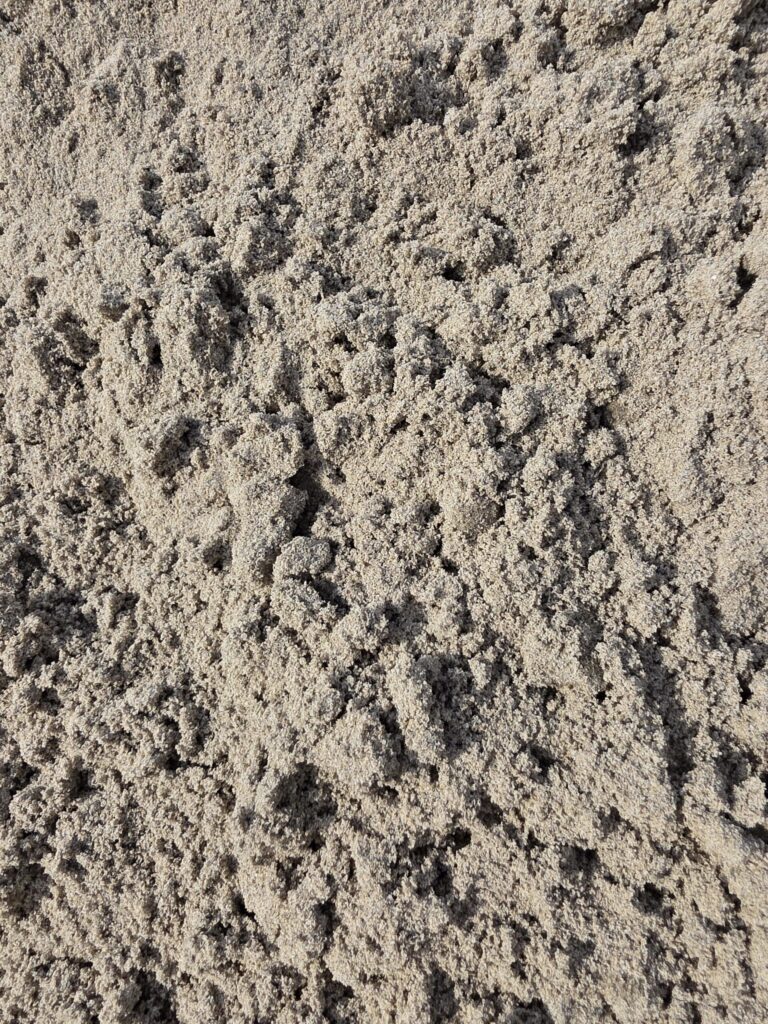 CALCULATORPipe Bedding Sand CalculatorBedding sand around drainage or sewer pipe.Open calculator →
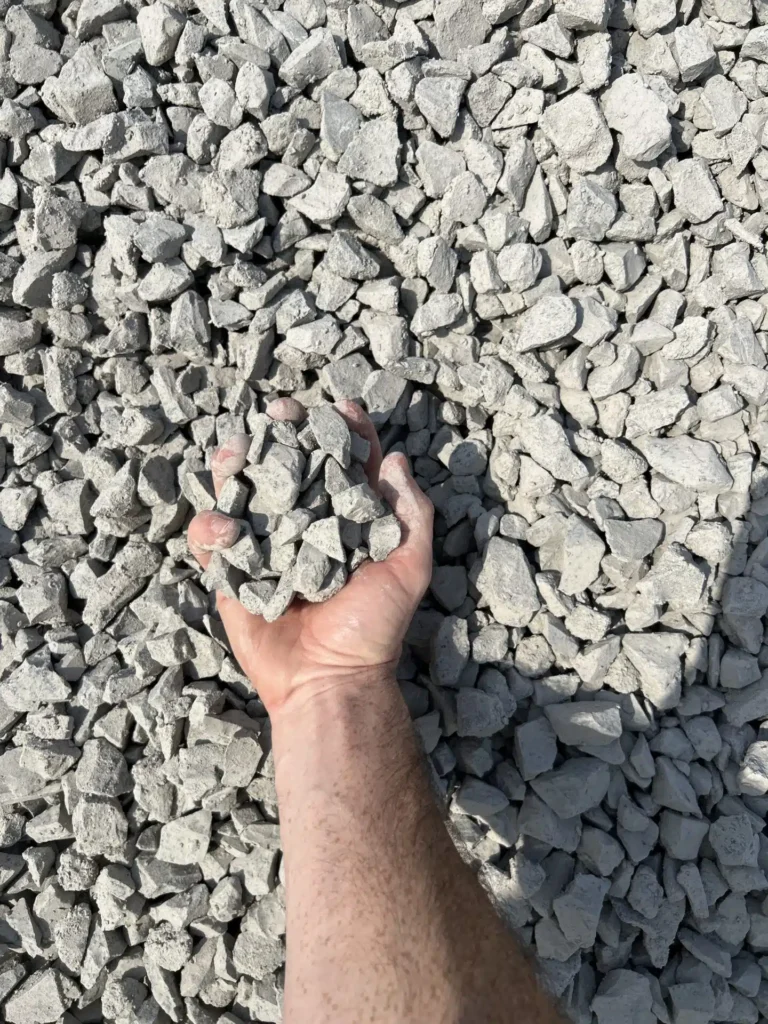 CALCULATORCrushed Stone CalculatorUse the crushed stone calculator to turn a project's length, width and depth into the tons of crushed stone to order, with the density math shown.Open calculator →
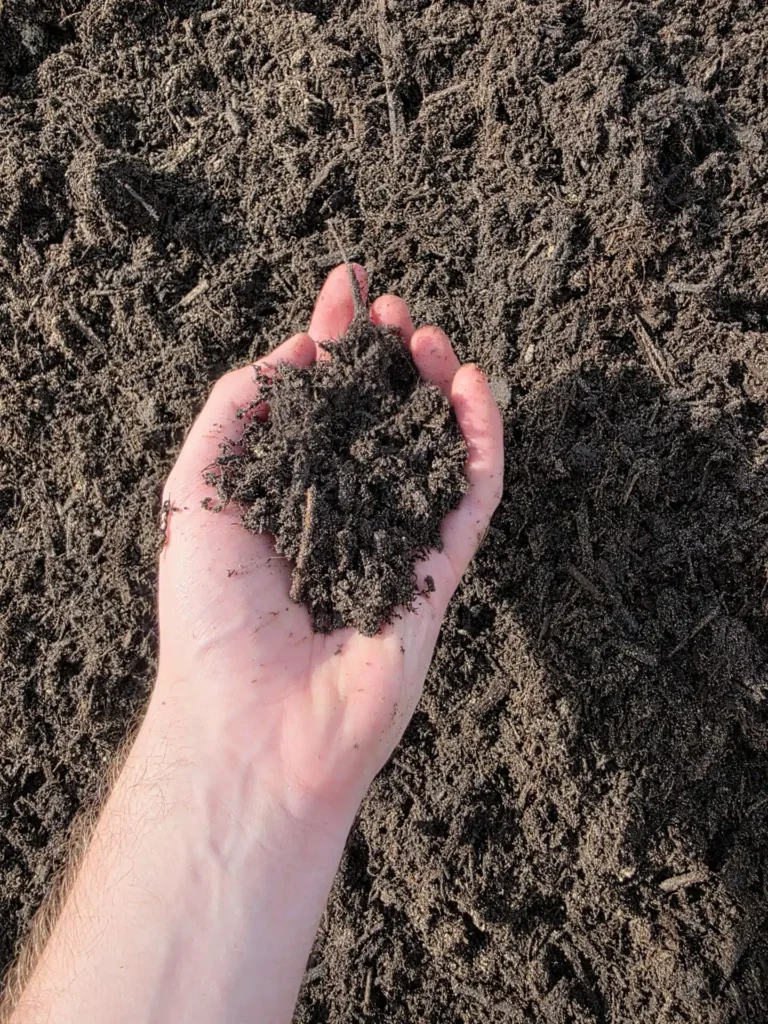 CALCULATORPlanter Soil CalculatorVolume of garden soil or planting mix for raised beds and planters.Open calculator →
Related guides
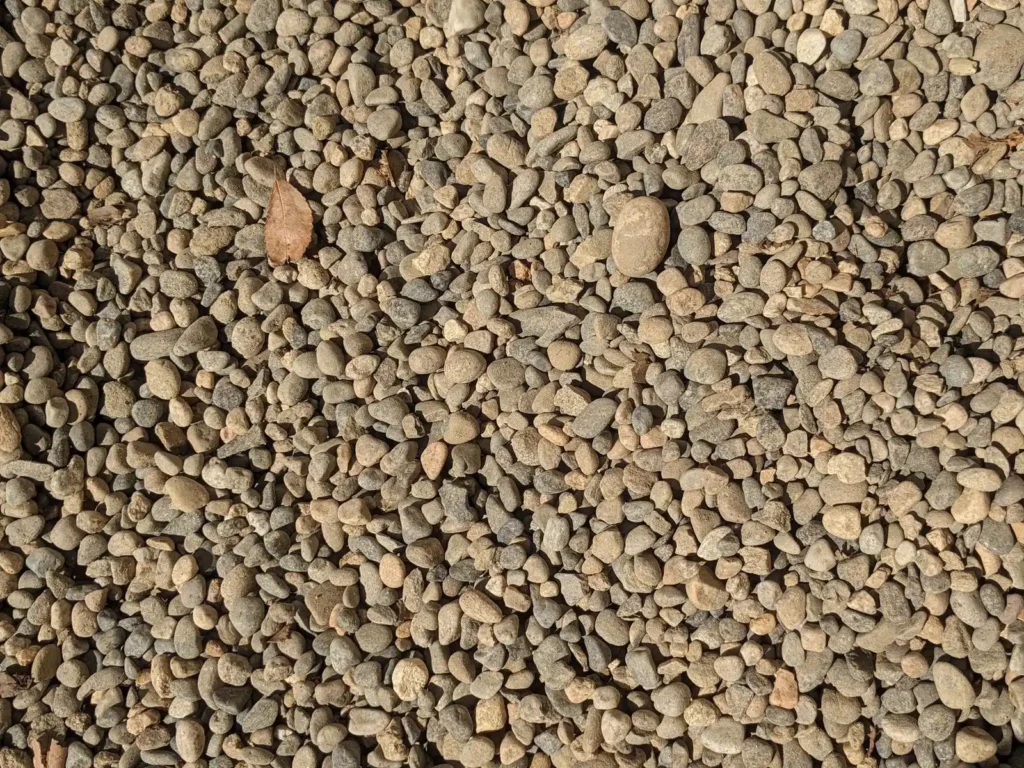 GUIDEHow Much Does Gravel Cost? A Practical Pricing GuideHow much does gravel cost and why does it vary? See the real factors behind ton pricing, delivery, and order size before you buy.Read guide →GUIDEGravel Size Chart: Pea Gravel to Crushed StoneA gravel size chart showing pea gravel, crushed stone and river rock diameters side by side, so you can match the right size to your project.Read guide →
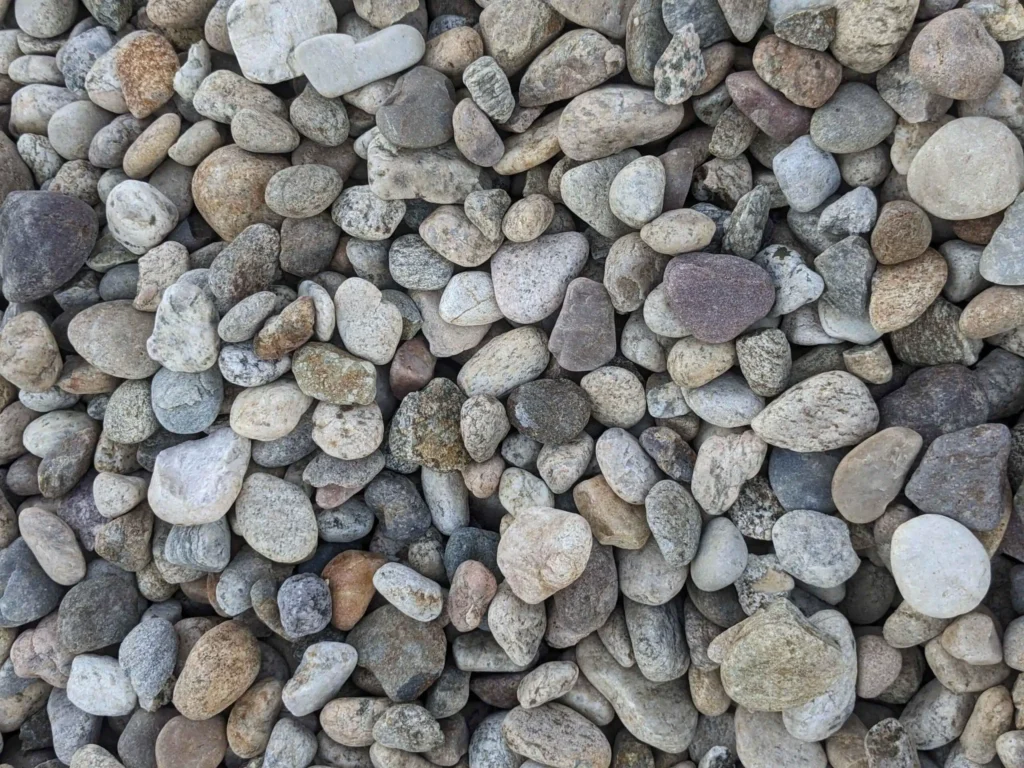 GUIDEThe Different Types of Gravel and How to ChooseA plain-language guide to the main types of gravel, covering pea gravel, crushed stone, river rock and decomposed granite.Read guide →
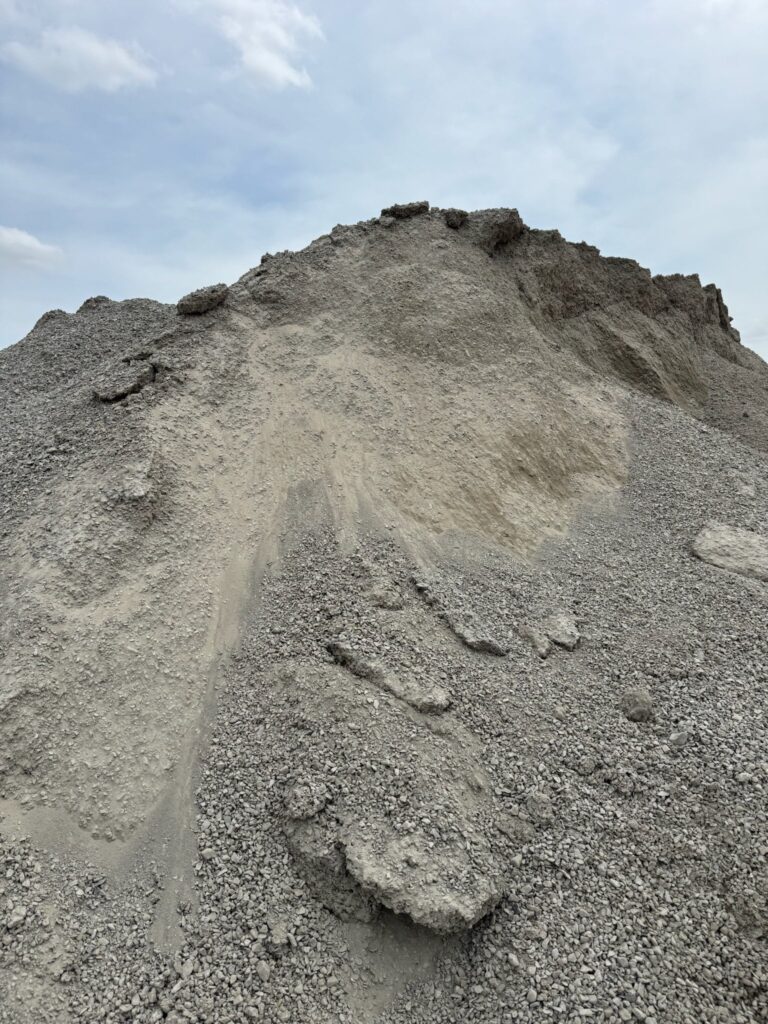 GUIDEWhat Are Screenings? A Guide to Crushed Stone FinesScreenings are fine crushed stone used for paver bases, joint fill and walkways. See what screenings are, common types, and mistakes to avoid.Read guide →
Frequently Asked Questions
How does this calculator work?
Enter area in sq ft and depth in inches. We convert to cubic yards, multiply by density to get tons, and divide by 2,000.
What if I don't know the depth?
Most projects use 4 inches. Drainage applications go deeper (6-12 in).
Why is the estimate different from my supplier quote?
Within 10% is normal - supplier quotes include delivery + minimum-load surcharges that depend on your distance from the quarry.
Should I round up?
Yes - round up to the nearest half-ton. The price-per-ton usually drops on larger orders.
Does this include delivery cost?
No - the result is material cost only. Get a delivered quote with your ZIP for the full price.
Can I use this for another material?
Density varies by material. This calculator is tuned for mason-sand; switch to the matching calculator for accurate results.